Story credit: Linda Zavoral, Kate Bradshaw, John Metcalfe, and Jason Mastrodonato, Bay Area News Group
The Bay Area restaurant industry continues to demonstrate resilience and innovation despite rising operational costs. Recent announcements reveal 11 significant restaurant openings planned for 2026, offering valuable insights for operators considering expansion, concept development, or market entry strategies.
Key Market Trends Emerging from 2026 Openings
Experiential Dining Concepts
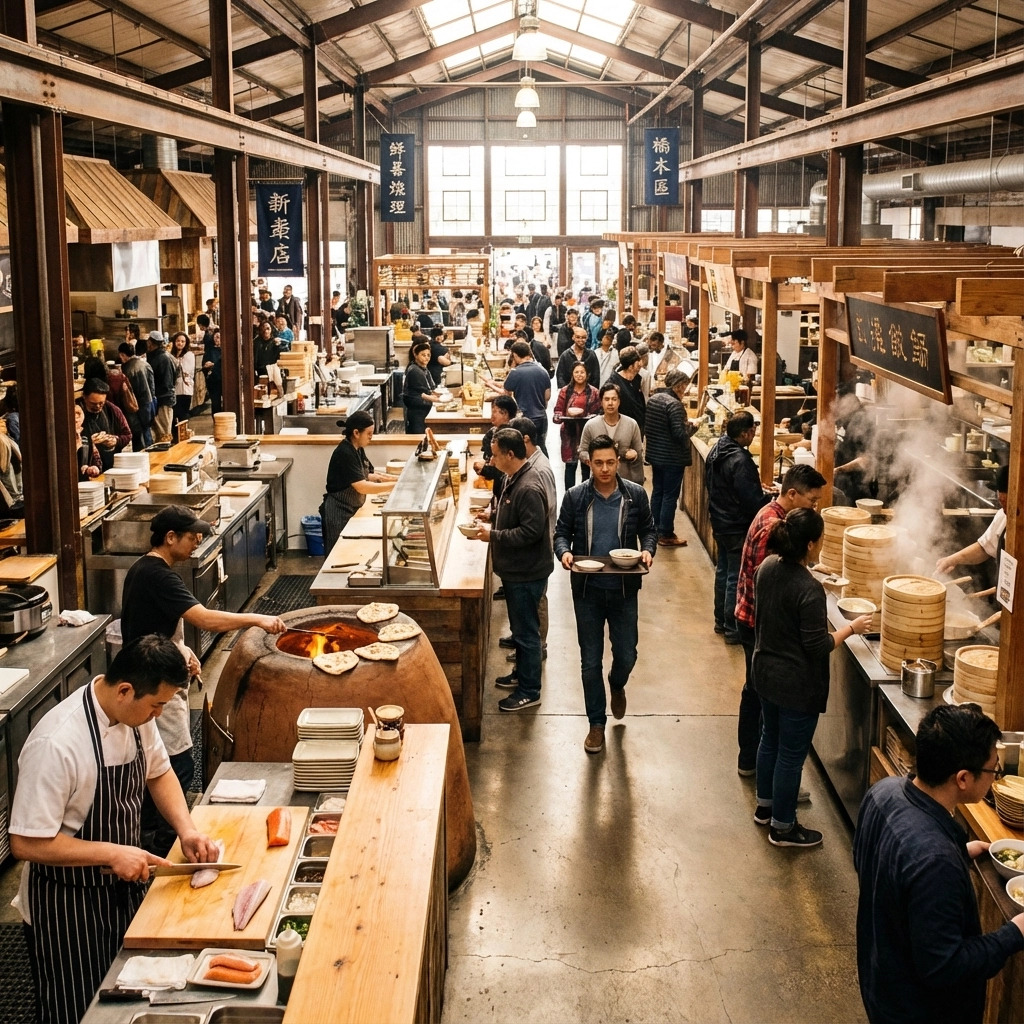
Asia Live represents the most ambitious project, creating a comprehensive Asian food emporium at Westfield Valley Fair. Restaurateurs George Chen and Cindy Wong-Chen are expanding beyond their successful China Live concept to encompass multiple Asian cuisines under one roof.
The complex will include sushi stations, tandoori ovens, dumpling counters, marketplace components, upscale dining areas, bars, and outdoor terraces. This multi-format approach addresses several market demands simultaneously: convenience shopping, casual dining, upscale experiences, and entertainment.
Meze & Kebab in Palo Alto introduces an all-you-can-eat meze and kebab concept with roaming servers, similar to Brazilian steakhouse models. This format combines value perception with interactive service elements.
Regional Chain Expansion Patterns
Meyhouse is expanding from successful South Bay and Peninsula locations to San Ramon, demonstrating calculated geographic expansion. The Turkish restaurant chain includes live music programming as a differentiation strategy.
Pho Ha Noi continues its systematic expansion across Bay Area college towns, moving from Stanford to Berkeley markets. Owner Helen Nguyen's approach targets high-density student populations with consistent demand patterns.
Zareen's Pakistani and North Indian concept is adding a fourth location in Sunnyvale, following successful launches in Mountain View, Palo Alto, and Redwood City.
Legacy Restaurant Revival
Mac's Old House in Antioch represents a significant trend in legacy restaurant preservation. New owners Joe Martinez and Ron Harrison are revamping the decades-old Italian restaurant while maintaining original recipes and hiring former management.
The renovation includes expanded dining space, outdoor seating, new kitchen facilities, and modern payment systems including DoorDash integration. This approach balances historical continuity with contemporary operational requirements.
Marketplace and Grocerant Models
Osaka Marketplace in Pleasant Hill will occupy a former hardware store, creating a "grocerant" combining retail grocery with food court dining. The facility will include outdoor dining areas and multiple mini-restaurants serving sushi, ramen, fried chicken, and bento boxes.
This hybrid model addresses multiple consumer needs: grocery shopping, prepared meals, and dine-in experiences within one location.
Operational Excellence Insights for Restaurant Owners
Market Entry Strategy Analysis
These openings demonstrate several effective market entry approaches:
Proven Concept Replication: Successful operators like Meyhouse and Zareen's are expanding geographically while maintaining core menu offerings and service models.
Market Gap Identification: Elia Greek restaurant is filling the void left by Opa!'s bankruptcy, targeting an established customer base with similar cuisine.
Innovation Through Fusion: Asia Live expands beyond single-cuisine concepts to create comprehensive cultural dining experiences.
Location Selection Factors
Multiple projects are selecting high-traffic retail centers and downtown cores:
- Asia Live: Westfield Valley Fair (adjacent to Eataly)
- Roma Antica: San Mateo's Third Avenue restaurant corridor
- Flora: Santana Row premium retail location
- Mensho: Walnut Creek downtown core
These location choices emphasize foot traffic, complementary businesses, and established dining destinations.

Menu Engineering and Concept Development
Mensho Walnut Creek will feature location-specific menu items alongside signature offerings, demonstrating localized menu engineering strategies.
Roma Antica focuses on ancient Roman pinsa pizza techniques using wheat, rice, and soy flour combinations – a specialized technique that creates menu differentiation.
Flora plans seasonal, all-day menus that transition from morning to evening service, maximizing space utilization and revenue potential.
How Restaurant Consulting Supports Successful Openings
Feasibility Study Requirements
Each of these concepts likely underwent extensive feasibility studies to assess market demand, competition analysis, and financial projections. Key factors include:
- Market density analysis for target demographics
- Competition mapping and differentiation strategies
- Revenue projections across dayparts and seasons
- Operational cost modeling including labor and ingredient costs
Concept Development and Menu Engineering
Professional restaurant concept development addresses multiple factors:
Menu Engineering: Balancing signature items with locally appealing options
Service Model Design: Determining optimal service styles for target markets
Brand Positioning: Creating differentiation within competitive categories
Operational Systems: Designing workflows for consistent execution
Kitchen and Bar Design Optimization
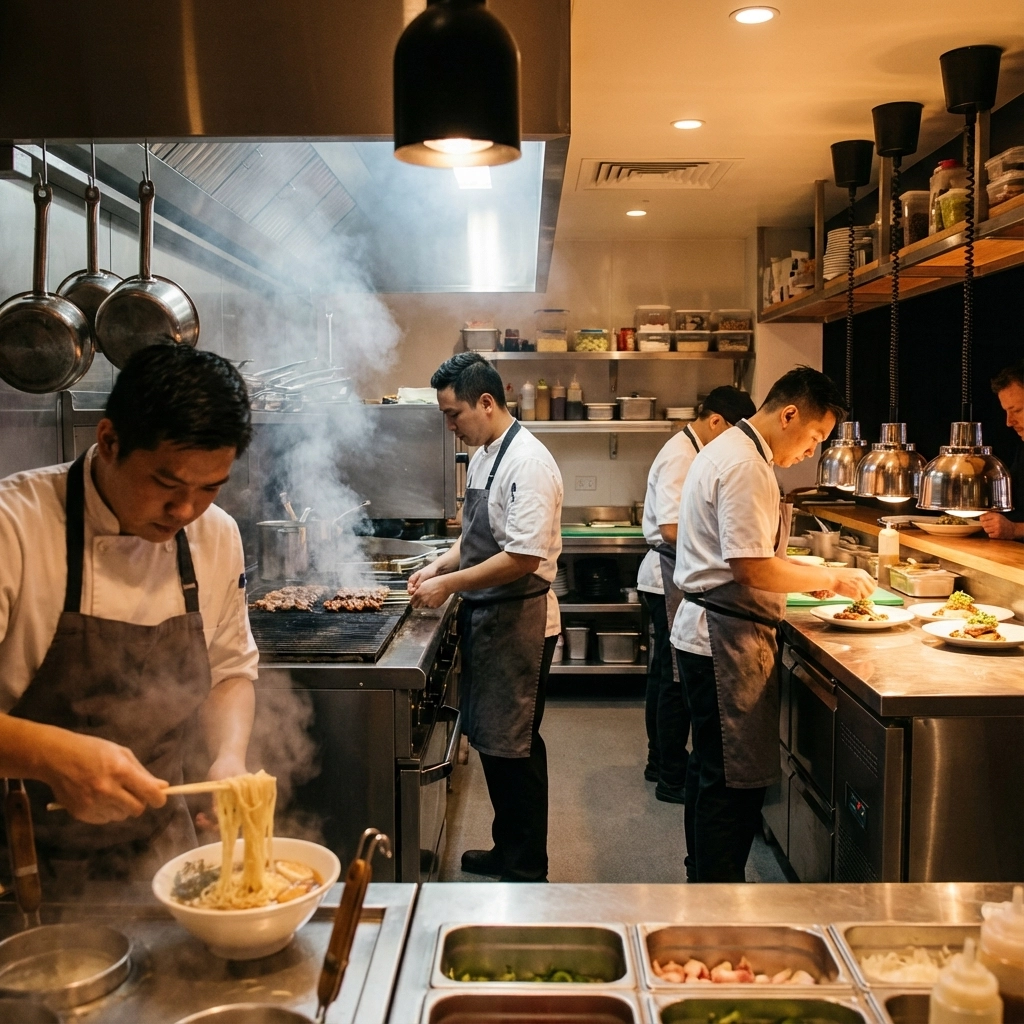
Complex concepts like Asia Live require sophisticated kitchen and bar design consulting to manage multiple cooking methods and service styles within one facility.
Design considerations include:
- Equipment placement for multiple cuisine types
- Workflow optimization for high-volume operations
- Storage and prep space allocation
- Health department compliance across diverse cooking methods
Market Resilience Strategies
Diversification Approaches
The grocerant model at Osaka Marketplace and the marketplace concept at Asia Live demonstrate revenue diversification strategies. Multiple revenue streams reduce dependence on traditional dining service alone.
Community Integration
Several projects emphasize community connections:
- Mac's Old House preservation maintains neighborhood identity
- Meyhouse locations include live music programming
- Flora's Santana Row location integrates with established shopping patterns
Technology Integration
Mac's Old House specifically mentions adding credit card processing and DoorDash integration – basic technology implementations that legacy operations often lack.
Risk Management for New Restaurant Operators
Location and Lease Considerations
The failure of Opa! Greek restaurants created opportunities for Elia's expansion, demonstrating how market disruptions create openings for prepared operators.
Key considerations:
- Lease negotiation terms and renewal options
- Market saturation analysis within cuisine categories
- Economic factors affecting discretionary dining spending
Operational Complexity Management
Multi-concept facilities like Asia Live require sophisticated operational management. Success factors include:
- Staff training across multiple cuisine types
- Inventory management for diverse ingredients
- Quality control across different cooking methods
- Service coordination between multiple dining areas
Professional Support for Restaurant Success
Turnaround and Optimization Services
Existing operators can learn from these successful expansion models through restaurant turnaround consulting services that analyze:
- Menu optimization for local markets
- Operational efficiency improvements
- Service model adjustments
- Marketing and positioning strategies
Business Planning and Development
New operators benefit from comprehensive business planning that addresses market analysis, financial projections, and operational design before significant capital investment.
Conclusion
The 11 anticipated Bay Area restaurant openings of 2026 demonstrate industry resilience and innovation across multiple segments. These projects offer valuable lessons in market entry strategies, concept development, location selection, and operational excellence.
Successful restaurant development requires professional analysis of market conditions, thorough feasibility studies, and expert guidance through concept development and implementation phases. The Bay Area's competitive restaurant market rewards operators who combine proven business models with local market adaptation and operational excellence.
Restaurant operators considering expansion, concept development, or market entry can benefit from analyzing these successful approaches and implementing similar strategies with professional consulting support.