Food truck businesses have a 60% failure rate within the first year, with 80% closing within three years. These statistics represent real entrepreneurs who invested their savings, time, and dreams into mobile food ventures that didn't survive.
The Bay Area food truck scene is particularly competitive, with rising operational costs and strict regulations creating additional challenges for new operators. However, working with experienced food truck consultants significantly improves success rates by addressing common failure points before they become critical problems.
1. Uncontrolled Operational Costs
Most food truck failures stem from operational costs that spiral beyond initial projections. New operators typically budget for the truck purchase, permits, and basic equipment but underestimate ongoing expenses.
Hidden costs include commissary kitchen rentals, fuel, maintenance, insurance increases, ingredient price fluctuations, and revenue gaps during slow periods. Many operators discover these expenses only after opening, when cash flow becomes critical.
How Food Truck Consulting Helps: Professional food truck consultants conduct comprehensive cost analysis before launch. They provide realistic operational budgets that include seasonal variations, maintenance schedules, and contingency funds. This prevents the cash flow crises that force 40% of food trucks to close within months.

2. Poor Location Strategy
Location determines food truck success more than menu quality. Operators who choose locations based on low permit costs or convenience rather than customer traffic patterns consistently underperform.
Successful food truck positioning requires understanding pedestrian flows, competitor analysis, local regulations, and seasonal traffic variations. New operators often lack this knowledge and select locations that generate insufficient revenue to cover costs.
How Restaurant Consulting Expertise Transfers: Restaurant consultant firms like McFadden Finch apply location analysis methods used for fixed restaurants to mobile operations. They map customer demographics, analyze foot traffic data, and identify optimal positioning strategies for different times and seasons.
3. Inadequate Financial Planning
Half of food truck operators fail due to poor planning, specifically underestimating startup costs and lacking detailed financial projections. Most entrepreneurs focus on menu development and truck design while neglecting comprehensive business plan development.
Financial planning failures include insufficient working capital, unrealistic revenue projections, and no contingency planning for equipment failures or permit delays. These oversights create financial stress that forces premature closure.
How Food Truck Consultants Prevent Planning Failures: Experienced consultants develop detailed financial models that include realistic timeline projections, seasonal revenue variations, and risk mitigation strategies. They ensure adequate capitalization before launch, preventing the undercapitalization that kills most food truck businesses.

4. Lack of Accounting and Financial Management Skills
Small business accounting is complex, and attempting to learn financial management while operating a food truck creates operational strain. Poor financial tracking leads to cash flow problems, tax compliance issues, and inability to make data-driven decisions.
Many food truck operators use inadequate record-keeping systems or try to manage finances without proper training. This results in poor cost control, pricing mistakes, and financial decisions based on incomplete information.
How Professional Consulting Addresses Financial Management: Food truck consulting services include financial system setup, accounting training, and ongoing financial analysis. Consultants implement tracking systems for food costs, labor efficiency, and profit margins, enabling operators to make informed decisions about pricing, inventory, and expansion.
5. Health Code Violations and Regulatory Compliance
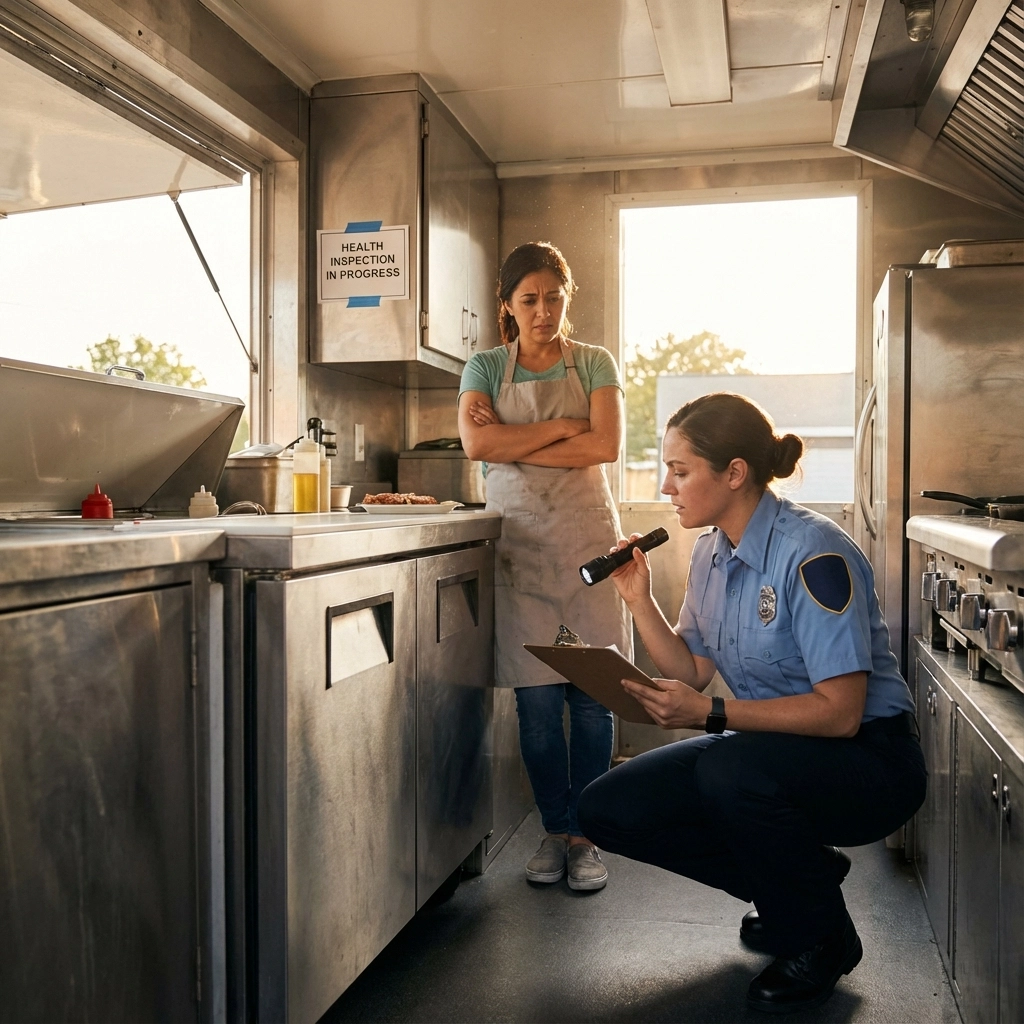
Health code violations can shut down food truck operations immediately, eliminating revenue while fixed costs continue. New operators often underestimate regulatory complexity, including local health departments, fire departments, and municipal permit requirements.
Compliance failures include inadequate food safety training, improper equipment installation, incorrect permit applications, and insufficient documentation systems. These violations result in fines, operational delays, and customer trust issues.
How Consultants Ensure Regulatory Compliance: Professional food truck consulting includes regulatory compliance audits, permit application assistance, and staff training programs. Consultants maintain current knowledge of changing regulations across different jurisdictions, ensuring operators meet all requirements before launch.

6. Insufficient Marketing and Customer Acquisition
Food trucks require different marketing strategies than traditional restaurants. Success depends on building mobile customer bases, utilizing social media effectively, and creating location awareness for customers who need to find moving businesses.
Many operators focus exclusively on food preparation while neglecting customer acquisition. Without effective marketing systems, even excellent food trucks struggle to build sustainable customer bases in competitive markets.
How Marketing Expertise Drives Food Truck Success: Restaurant consulting bay area specialists understand local market dynamics and digital marketing strategies specific to mobile food businesses. They develop comprehensive marketing plans including social media management, location announcement systems, and customer retention programs.
7. Seasonal Volatility and Weather Dependency
Winter months kill approximately 50% of struggling food trucks as outdoor events decrease, foot traffic drops, and heating costs increase while revenue declines. Operators who fail to plan for seasonal variations run out of cash during slow periods.
Successful food truck operators develop strategies for weather-dependent revenue, including indoor location partnerships, catering services, and seasonal menu adjustments. Planning for these challenges requires experience and strategic thinking beyond daily operations.
How Strategic Planning Addresses Seasonal Challenges: Food truck consultants develop year-round operational strategies including winter revenue sources, cash flow management for slow periods, and partnership development with indoor venues. This planning prevents the seasonal closures that eliminate competitors.
The Consultant Advantage in 2026
Food truck consulting provides systematic approaches to common failure points. Professional consultants bring experience from hundreds of food service operations, regulatory knowledge across multiple jurisdictions, and financial analysis capabilities that individual operators typically lack.
Working with restaurant consulting specialists before launch costs less than recovering from preventable failures. Consultants identify problems during planning phases when solutions require strategic changes rather than emergency responses.
The Bay Area food truck market rewards operators who launch with professional preparation and ongoing strategic support. Consultant-guided food trucks demonstrate higher survival rates, faster profitability, and better positioning for expansion opportunities.
Take Action Before You Launch
Food truck success requires more than great recipes and enthusiasm. Professional guidance during planning phases prevents the costly mistakes that force 60% of food trucks to close within twelve months.
McFadden Finch Restaurant Consulting Group provides comprehensive food truck consulting services including business planning, regulatory compliance, financial system setup, and ongoing operational support.
Contact our team for a food truck consultation. Our experience with Bay Area food service regulations and market conditions gives your mobile food business the professional foundation needed for long-term success.