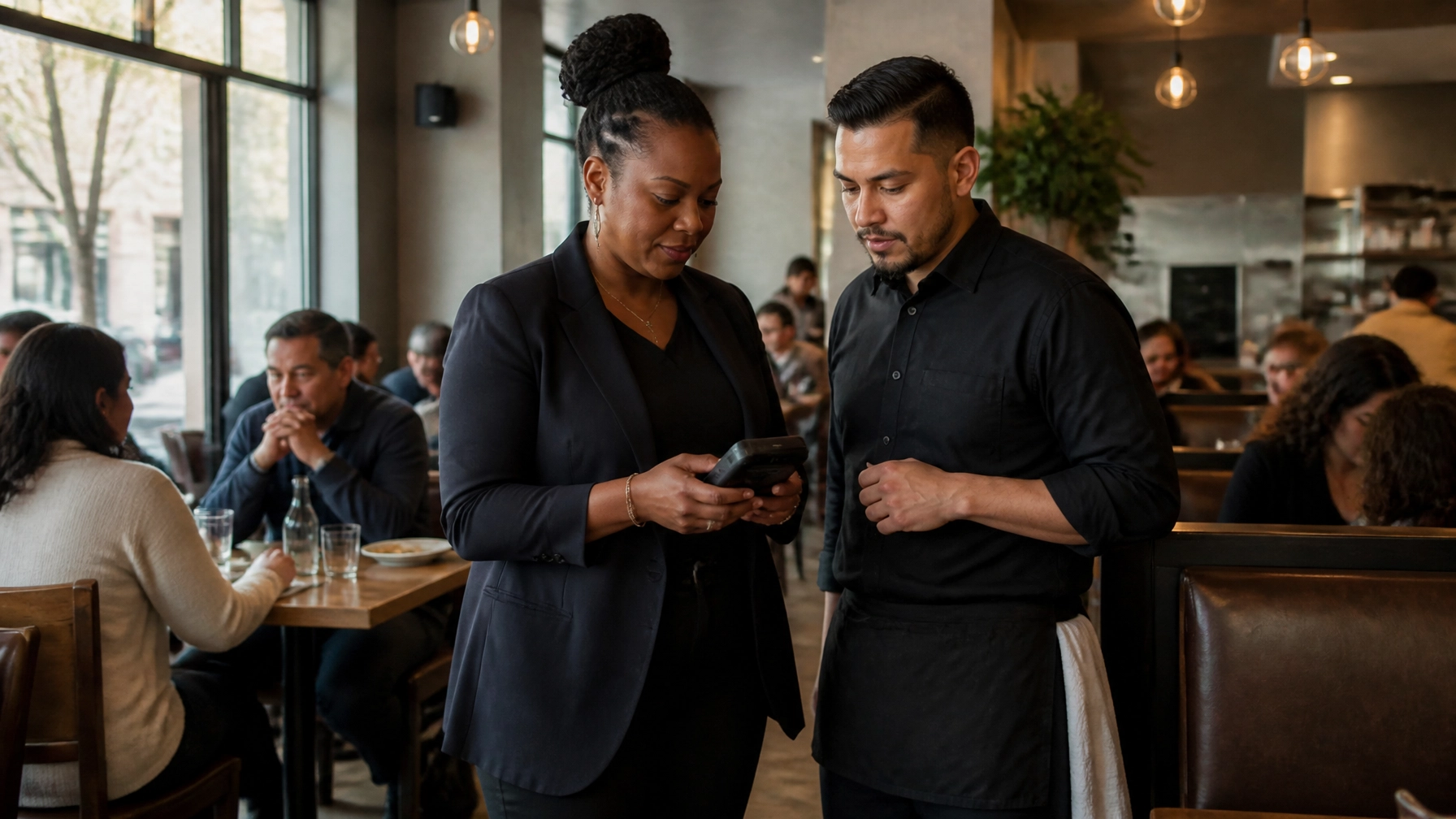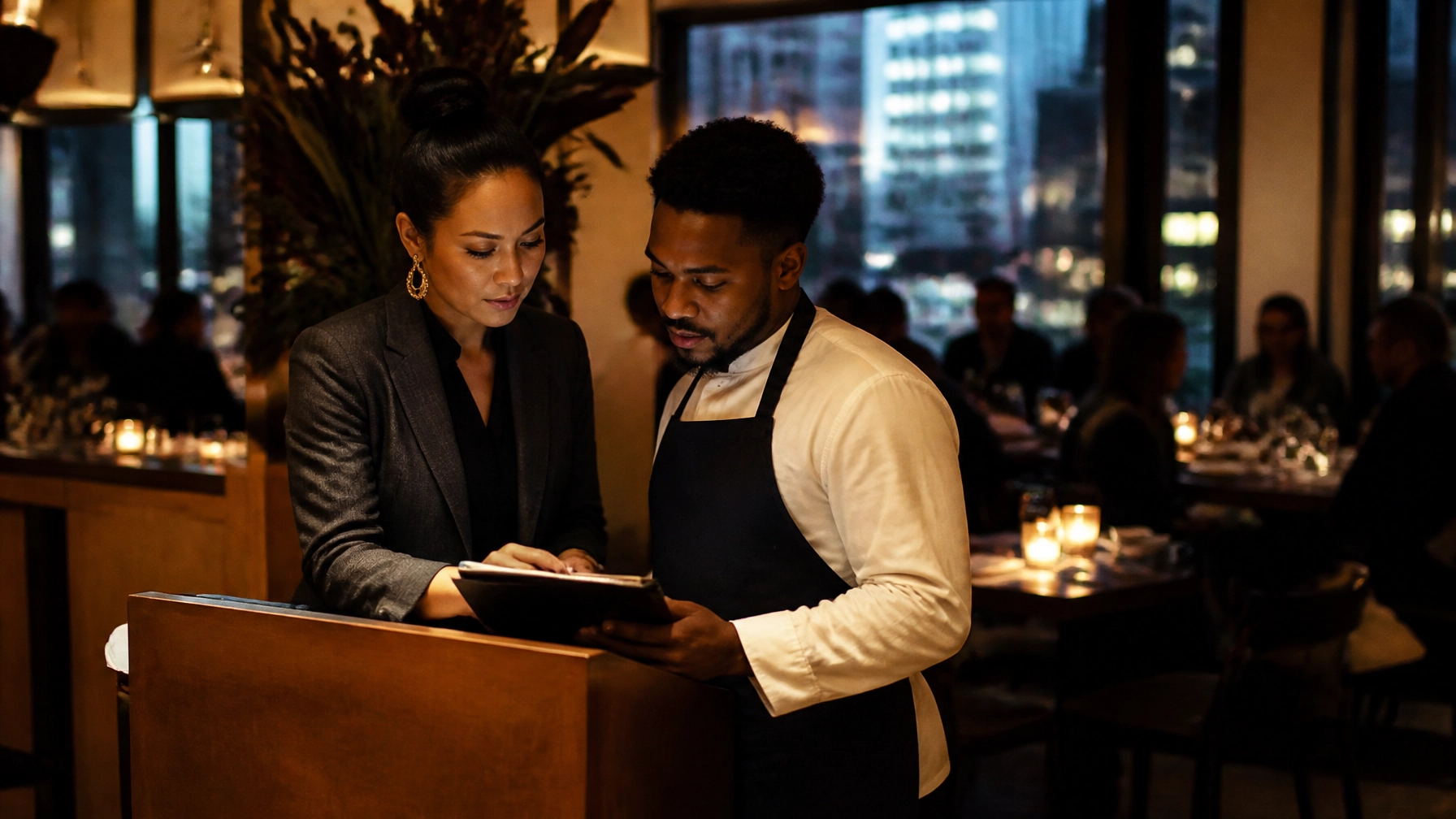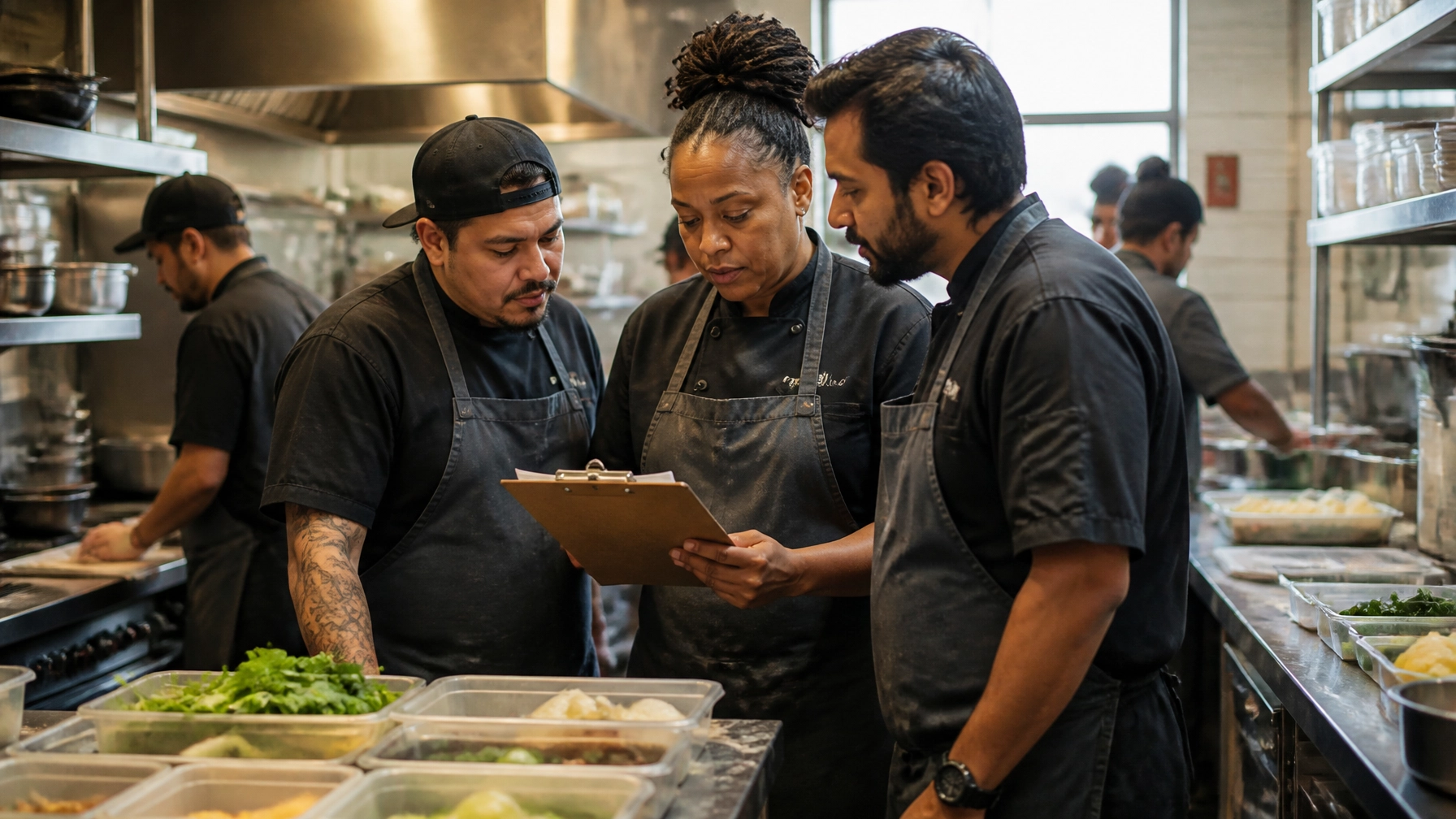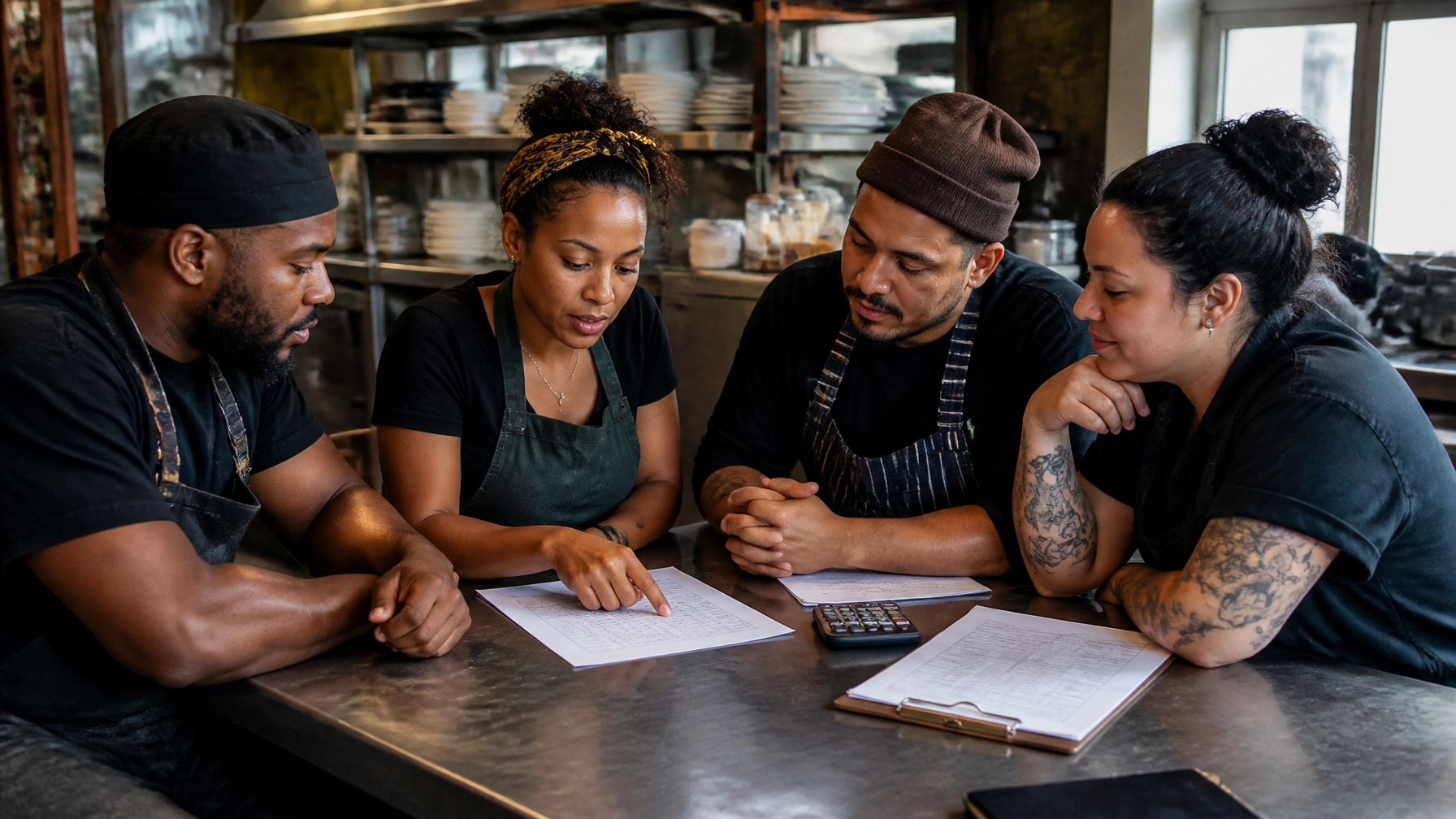
The host stand used to hold the guest context. A reservation note, an anniversary reminder, a seating preference, perhaps a warning about an allergy. The server got that information through a printed chit, a radio call, or a hurried pre-shift briefing.
That handoff is changing.
In 2026, reservation platforms and point-of-sale systems are moving closer together. Toast and Resy can place reservation details inside Toast devices. Square and OpenTable can connect reservation history, guest preferences, checks, payment information, and table status across their platforms. The practical result is not simply better reporting. It is a front-of-house team that can make better decisions while the guest is still sitting at the table.
The opportunity is real. So is the risk of giving staff too much information, using inconsistent data, or buying an integration without fixing the underlying workflow.
The guest profile is moving onto the floor
A reservation platform knows why a guest is coming in. The POS knows what happened after the guest arrived.
When those systems connect, the restaurant can see more of the visit in one place. Toast says its Resy integration can sync dine-in orders and collect guest data in real time. It also supports reporting by shift, party size, reservation source, and average spend (Toast Support) [1].
Square describes its expanded OpenTable partnership in similar terms. Reservation history, dining preferences, and transaction data can be viewed together, allowing operators to connect a booking with orders, spend, repeat visits, and guest engagement (Square) [2].
That matters because the old question was, “Who is arriving?”
The better question is, “Who is arriving, what does the team need to know, and what happened the last time this guest trusted us with a meal?”

Toast and Resy: useful context at the point of service
The Toast and Resy connection is especially focused on putting reservation information into the hands of front-of-house staff.
Resy’s Digital Chits feature can surface occasion details, guest tags, visit information, allergies, special requests, and notes inside Toast terminals and handhelds. The feature is intended to give staff access to relevant context while they are actively serving the table, rather than forcing them to move between systems (Resy Help Desk) [3].
The workflow depends on disciplined setup. The reservation needs to be seated in Resy before the Toast order is opened. Table names need to match. Guest information needs to be entered consistently. Notes added after the reservation is seated may not appear when the server needs them (Resy Help Desk) [3].
This is where operators need to stay grounded. The technology does not create hospitality by itself. It removes some of the friction around remembering and transferring information.
A server still has to read the note, use judgment, and avoid making the guest feel watched.
Square and OpenTable: a broader operating view
Square and OpenTable take a wider approach to the connected guest profile.
Square says its integration can share floor plan, table, coursing, reservation, and check information between the two systems. Hosts can see table progress while servers work in Square for Restaurants. Reservation deposits can also be applied to the final check when the required settings are enabled (Square Support) [4].
For the operator, the advantage is less manual re-entry. The host should not have to update a table status in one system while the server updates the same table in another. That duplicate work creates errors, especially during a busy Friday service.
The setup details are not glamorous, but they are where integrations succeed or fail. Square requires matching floor plans and compatible coursing settings. OpenTable also has table-name requirements that operators need to account for before activation (Square Support) [4].
A clean integration begins with clean configuration. If the systems disagree about table names, courses, or seating status, the guest profile will not rescue the shift.
What the data can change during service
Used properly, connected data can improve a few specific moments.
At arrival. The host can confirm the occasion, seating request, or special note without searching through multiple screens.
During ordering. A server may see a relevant preference or prior visit detail before making a recommendation. That can be useful when the information is practical and current.
During pacing. Shared table and course status gives the host and service team a common view of the floor. The goal is not to rush tables. It is to understand where the dining room is in its rhythm.
At checkout. When reservation and payment data are connected, the operator has a clearer record of what the visit produced. That can inform future decisions about service periods, reservation sources, menus, and guest communication (Toast Support) [1].
The key phrase is “relevant information.” More data is not automatically better service.

A practical comparison
| Operating need | Toast and Resy | Square and OpenTable |
|---|---|---|
| Guest context on POS devices | Resy guest and reservation details can appear in Toast terminals and handhelds | Reservation and guest information can be viewed through the connected Square and OpenTable workflow |
| POS and reservation connection | Dine-in orders can sync into Resy reporting and guest profiles | Reservations, checks, table status, floor plans, and coursing can sync between systems |
| Service focus | Day-of-service personalization and guest recognition | Shared floor management, seating status, check handling, and guest insights |
| Setup priority | Match tables, seat in Resy first, and standardize notes | Match floor plans, table names, menus, and coursing settings |
| Operator question | What does the team need to know before and during this visit? | Are the host stand and POS working from the same operating picture? |
The platforms are not interchangeable, and the best choice depends on the restaurant’s existing stack. The right integration is the one that solves a real operational handoff without creating another screen for staff to manage.
Do not confuse guest intelligence with guest surveillance
Here is the uncomfortable part. A guest note can help a server recognize an anniversary. It can also be outdated, vague, overly personal, or inappropriate for broad staff access.
Resy’s documentation makes clear that the systems may handle information such as contact details, diner notes, check details, allergy information, occasions, and visit history (Resy Privacy) [5]. Square’s privacy notice similarly describes customer identity information, transaction information, notes, and other information that a seller or customer may provide (Square Privacy) [6].
Operators should set rules before turning on the feature:
- Write notes as if the guest could eventually read them.
- Separate service information from personal commentary.
- Treat allergies and health-related information with care.
- Limit access to the people who need the information for the shift.
- Give staff a simple instruction for correcting or flagging bad data.
- Review vendor privacy notices, data-sharing terms, and retention settings before activation.
California privacy guidance emphasizes clear disclosures, limited collection, and using personal information for purposes that fit the context in which it was collected (California Privacy Protection Agency) [7]. This is not a reason to avoid useful technology. It is a reason to operate it with discipline.
The implementation test is operational, not technical
Before connecting Toast to Resy or Square to OpenTable, run a short workflow test.
Start with one service period. Use a small group of managers and experienced servers. Test the complete sequence:
- Create the reservation.
- Add only information the team genuinely needs.
- Seat the reservation.
- Open the table in the POS.
- Confirm the guest context appears correctly.
- Enter and course the order.
- Close the check.
- Confirm what remains visible and what does not.
Resy states that Digital Chits are intended for active service and are not retained in Toast as a historical view after the check is closed (Resy Help Desk) [3]. That distinction matters. A manager may need a separate reporting process for long-term guest analysis.
Track operational questions, not vanity metrics:
- Did the host spend less time searching for information?
- Did servers understand the notes without asking for translation?
- Were table statuses accurate?
- Did the integration reduce duplicate entry?
- Did guests receive better service, or did the team simply receive more alerts?
If the answer is unclear, pause. Fix the workflow before expanding the technology.
What smart critics argue
“Personal service should not require a screen.” Correct. The screen should support the interaction, not replace eye contact, memory, or judgment.
“Integrations create another point of failure.” Also correct. A mismatched floor plan or inconsistent table naming can create more confusion than the disconnected systems did. Configuration and training are part of the project, not cleanup work.
“The data is not always accurate.” True. Guest preferences change. Notes become stale. A restaurant needs a review process and a clear standard for what belongs in the system.
“The cost may not pencil out.” Fair. An integration should be evaluated against the operational problem it solves. If the restaurant has low reservation volume, a lighter workflow may be enough. If it runs a complex dining room, the value may come from fewer manual handoffs and better visibility during service.
A better way to think about the data-rich guest
Do not begin with the platform.
Begin with the moment that breaks down.
If the host cannot reliably communicate a special request, fix that handoff. If the server has no context about returning guests, define what information would help. If the manager cannot connect reservation source to sales patterns, build the reporting habit before buying another dashboard.
McFadden-Finch’s technology consulting work focuses on POS systems, guest experience tools, integrations, scheduling, payroll, and digital ordering [8]. Its operations consulting practice examines labor use, inventory, vendor costs, training, and guest experience as connected operating decisions [9].
That is the real lesson of the data-rich guest. Technology is most valuable when it makes the restaurant easier to run and the service easier to deliver.
Key takeaways
- Connect reservation context to the POS only when the team has a clear use for it.
- Standardize table names, seating steps, notes, and course settings before launch.
- Give staff useful context, not an autobiography of the guest.
- Treat allergies and special requests as operational information requiring care.
- Test the full service workflow before activating the integration across every shift.
- Measure fewer handoffs, cleaner communication, and better decision-making.
- Review vendor privacy terms and internal access rules before sharing guest data.
- Keep the guest experience at the center. The technology is there to support it.
Frequently asked questions
Does Toast work with Resy in 2026?
Toast provides an official Resy Partner Integration that can sync dine-in orders, support guest data collection, and connect reservation activity with Toast workflows (Toast Support) [1].
What is Digital Chits?
Digital Chits is a Resy feature that displays selected guest and reservation details inside Toast POS terminals and handhelds during active service (Resy Help Desk) [3].
Does Square integrate with OpenTable?
Yes. Square provides documentation for connecting Square for Restaurants with OpenTable, including shared floor plans, table status, coursing, reservations, checks, and deposits (Square Support) [4].
Will an integration automatically improve hospitality?
No. It can reduce manual handoffs and make relevant information easier to access. Training, note standards, and manager oversight still determine how the information affects the guest experience.
What should an operator review before enabling an integration?
Review data visibility, privacy terms, user permissions, table and floor-plan configuration, seating procedures, and the exact information that will appear on staff devices. Toast requires operators to review data-scope terms when enabling partner integrations (Toast Support) [1].
Where Smart Strategy Meets Profitable Hospitality.
At McFadden Finch Restaurant Consulting Group, we help restaurant owners make sharper decisions, strengthen operations, and build businesses designed to perform. From feasibility studies and concept development to menu strategy and long-term operational consulting, we help your restaurant move beyond survival and into sustained growth.
McFadden Finch Restaurant Consulting Group
Lake Merritt Plaza
1999 Harrison St., 18th Floor
Oakland, CA 94612
(510) 973-2410
www.mcfadden-finch-group.com
executive.team@mcfadden-finch-group.com
Schedule your discovery call today and start building a stronger, smarter, more profitable restaurant. The corporate office address and email are listed on McFadden Finch Holdings' contact page, and MFRCG is included in the company's hospitality consulting portfolio.
Sources
[1] Toast, “Get Started With the Resy Integration,” August 28, 2026, https://support.toasttab.com/en/article/Using-Resy-With-Toast, Accessed September 2, 2026. Official documentation for Toast and Resy integration features, setup, and data use.
[2] Square, “Square and OpenTable Deepen Strategic Partnership for Unified Dining, Guest, and Payment Insights,” August 18, 2026, https://squareup.com/us/en/press/opentable, Accessed September 2, 2026. Official announcement describing unified reservation, transaction, and guest information.
[3] Resy, “POS Integration: Digital Chits Feature,” August 17, 2026, https://helpdesk.resy.com/en_us/pos-integration-digital-chits-feature-HJmUi_YmGe, Accessed September 2, 2026. Official details on Digital Chits, service visibility, setup, and staff access.
[4] Square, “Integrate OpenTable with Square,” https://squareup.com/help/us/en/article/7878-opentable-and-square-for-restaurants, Accessed September 2, 2026. Official setup and workflow documentation for Square and OpenTable.
[5] Resy, “Global Privacy Policy,” https://resy.com/privacy, Accessed September 2, 2026. Vendor privacy terms relevant to guest data and reservation information.
[6] Square, “Privacy Notice for Square Sellers and Website Visitors,” effective April 16, 2026, https://squareup.com/us/en/legal/general/privacy, Accessed September 2, 2026. Vendor privacy terms relevant to customer and transaction data.
[7] California Privacy Protection Agency, “Frequently Asked Questions,” https://cppa.ca.gov/faq.html, Accessed September 2, 2026. Public guidance on California consumer privacy rights, data minimization, and business responsibilities.
[8] McFadden-Finch Restaurant Consulting Group, “Technology Consulting,” https://www.mcfadden-finch-group.com/services/technology-consulting, Accessed September 2, 2026. Company service page covering POS systems, guest experience technology, and integrations.
[9] McFadden-Finch Restaurant Consulting Group, “Operations Consulting,” https://www.mcfadden-finch-group.com/services/operations-consulting, Accessed September 2, 2026. Company service page covering operational assessment, training, labor, inventory, and guest experience.
[10] Resy, “POS Integrations: Toast,” August 31, 2026, https://helpdesk.resy.com/pos-integrations-toast-Hyvj9cpKZx, Accessed September 2, 2026. Official setup requirements for connecting Toast POS and Resy.
[11] Resy, “POS Integrations,” https://helpdesk.resy.com/en_us/pos-integrations-HkUQN3s5u, Accessed September 2, 2026. Official overview of reservation and POS integration capabilities.
[12] Toast, “Partner Integration Overview,” https://doc.toasttab.com/doc/devguide/apiPartnerIntegrationOverview.html, Accessed September 2, 2026. Technical context for scoped partner integrations and restaurant-authorized access.
Disclaimer: This content is for general informational purposes only and does not constitute legal, financial, tax, operational, employment, regulatory, or other professional advice. Reading this content does not create a client, consulting, or contractual relationship with McFadden Finch Restaurant Consulting Group. Because every restaurant, market, and business situation is different, you should consult qualified professionals regarding your specific circumstances. McFadden Finch Restaurant Consulting Group makes no warranties regarding the accuracy or completeness of this information and is not responsible for third-party content, links, products, or services referenced. Testimonials, examples, case studies, and projected outcomes are illustrative only and do not guarantee similar results.