What are the best new restaurant openings Bay Area foodies are obsessing over right now? As of February 2026, the answer is a mix of hyper-specialized "Micro-Niche" concepts: from the "salt bread" lines in Santa Clara to the late-night birria comeback in San Francisco. Spots like Katsu Burger, RT Bistro, and Suavecito are proving that the most successful best new restaurants San Francisco and its surrounding suburbs offer are those that master a specific product rather than trying to be everything to everyone. At McFadden Finch Restaurant Consulting Group, we’ve watched these trends evolve, and this month’s crop of openings represents a masterclass in operational timing and product focus.
This article explores six essential new spots across the Bay, the history behind their concepts, and the data-driven reasons why they are flourishing in a competitive 2026 economy. Whether you are a diner looking for your next meal or an owner looking for restaurant turnaround inspiration, these openings define the current state of California dining.
1. Katsu Burger (Santa Clara): The Japanese Fusion Powerhouse
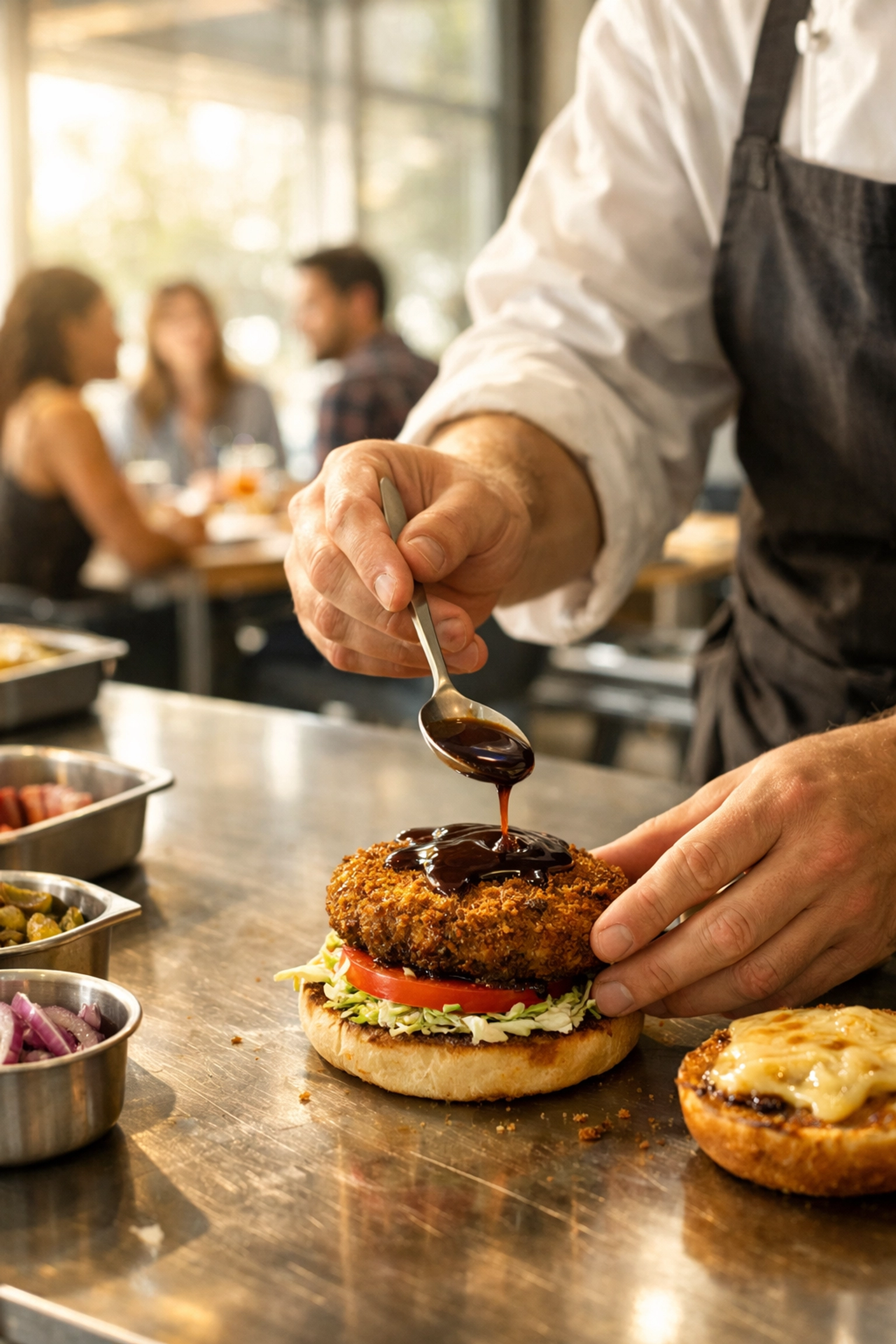
The Santa Clara food scene has long been a battleground for high-quality fast-casual, but Katsu Burger is bringing something different: a perfect execution of Japanese fusion burgers. Originally gaining a cult following in the Pacific Northwest, their expansion into the South Bay (Eater SF)[1] highlights a major 2026 trend: the "familiar but better" approach.
Katsu Burger takes the American staple: the burger: and deep-fries the patty in panko breadcrumbs. It sounds simple, but the execution requires precise temperature control and specific moisture levels in the meat to avoid the greasiness that plagues lower-tier fusion. This is "utility dining" at its best. It serves the tech-heavy lunch crowd in Santa Clara who want something portable but distinct from the standard burger chains.
2. RT Bistro (San Francisco): Fine Dining DNA, Bistro Budget
If you’ve lived in SF for more than a minute, you know Rich Table. Their new spinoff, RT Bistro, is officially San Francisco’s most talked-about opening of the year (SF Chronicle)[3]. Located in the Mission District, RT Bistro takes the high-end, Dungeness crab-focused menu of its predecessor and distills it into a more approachable, daily-driver format.
The "Bistro-ification" of fine dining is a trend we discuss often at McFadden Finch Restaurant Consulting Group. By lowering the barrier to entry (and the price point) while keeping the Michelin-pedigree flavors, RT Bistro captures a demographic that wants luxury without the three-hour commitment. Their dried porcini donuts with kaluga caviar are already a viral staple (SF Standard)[4].
3. Goldenette Breakfast (San Francisco): The New King of Brunch SF
In 2026, the brunch SF market is no longer about bottomless mimosas; it’s about high-end technique applied to the first meal of the day. Goldenette Breakfast has taken over a prime corner in Presidio Heights, focusing on "Old World" breakfast staples with a California twist.
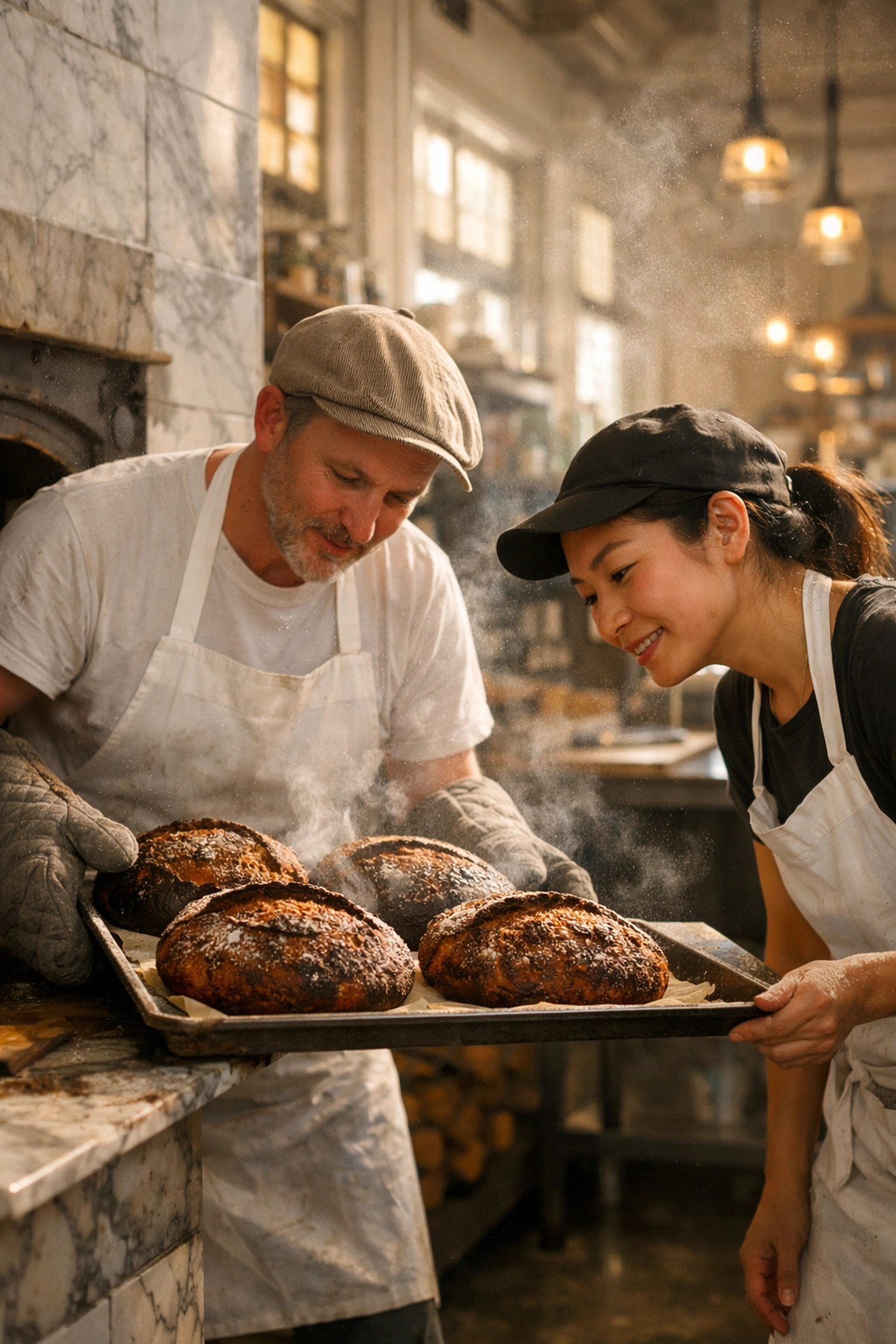
According to research from the (San Francisco Standard)[4], Goldenette’s success lies in its bakery-forward approach. They aren't just serving eggs; they are serving heritage-grain sourdough and house-cured meats. From a consulting perspective, Goldenette works because it maximizes "dayparting": the practice of owning a specific time of day (7:00 AM to 2:00 PM) to minimize labor costs during low-traffic evening hours.
4. Suavecito (San Francisco): Solving the Late Night Birria SF Gap
One of the biggest complaints about the San Francisco dining scene over the last few years has been the lack of late-night options. Suavecito in the Mission is explicitly designed to solve this. Specializing in late night birria SF, this spot stays open until 3:00 AM on weekends (KSBW)[5].
The menu is tight: Quesabirria, consomé, and street tacos. By narrowing the menu, Suavecito keeps food waste low and speed of service high: essential for a high-volume late-night crowd. This "Utility" concept is a cornerstone of what we teach in operations consulting. When you do one thing (birria) perfectly, you don't need a ten-page menu to attract a crowd.
5. Truffle Butter (Belmont): Elevated Belmont Sushi
Belmont isn't usually the first place people look for cutting-edge Japanese cuisine, but Truffle Butter is changing that narrative. This new spot is redefining Belmont sushi by leaning heavily into the "luxury fusion" category (The Mercury News)[6].
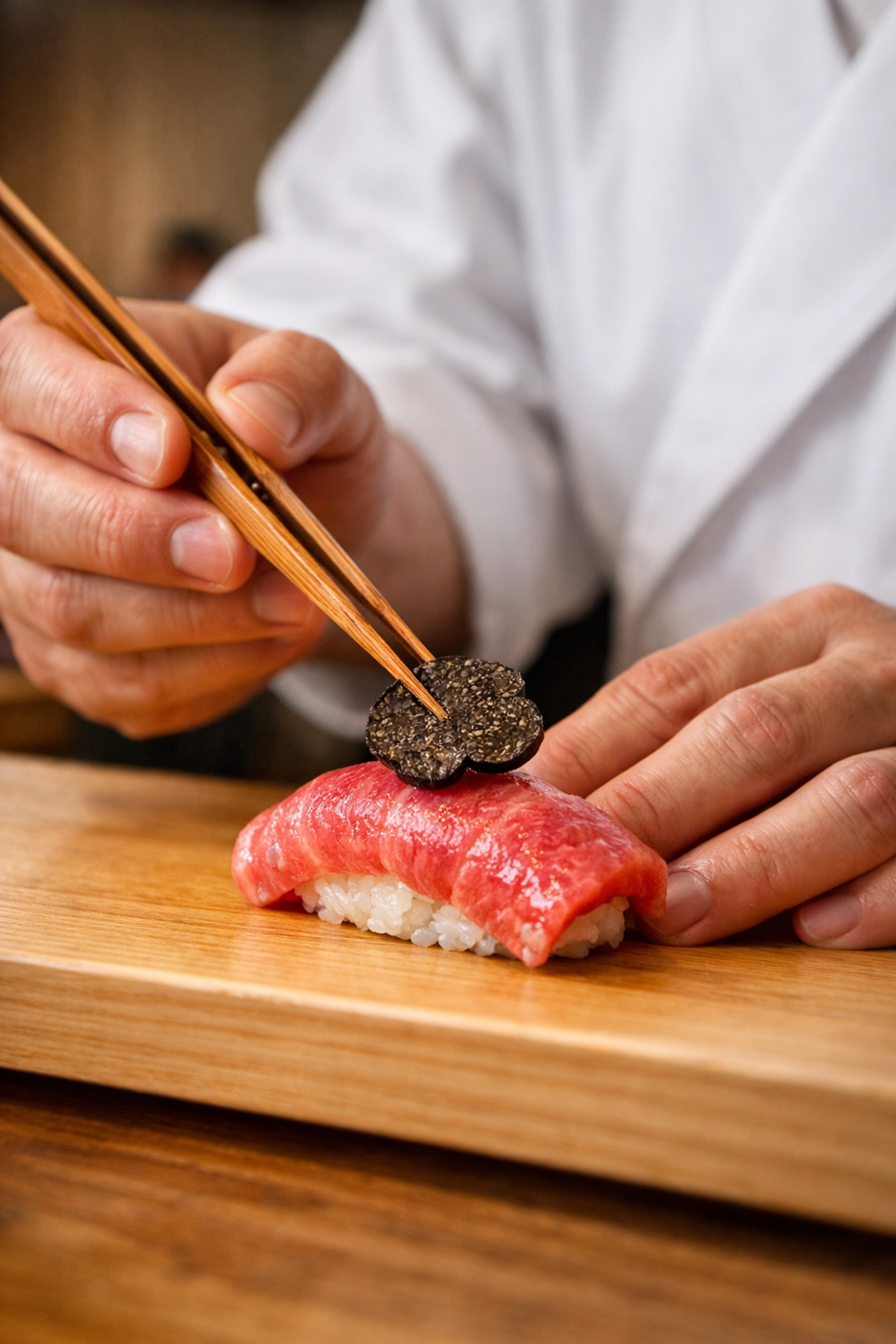
The signature here is the use of high-fat cuts of fish (Toro) paired with shaved black truffles and gold leaf. While it sounds "extra," it’s a calculated move. In the 2026 market, diners in the Peninsula are willing to pay a premium for "Instagrammable" luxury if the quality of the fish supports the price tag. Truffle Butter sources directly from Toyosu Market, ensuring the "quality assurance" that diners at this price point demand.
6. Milldang Bakery (Santa Clara): The Salt Bread Craze
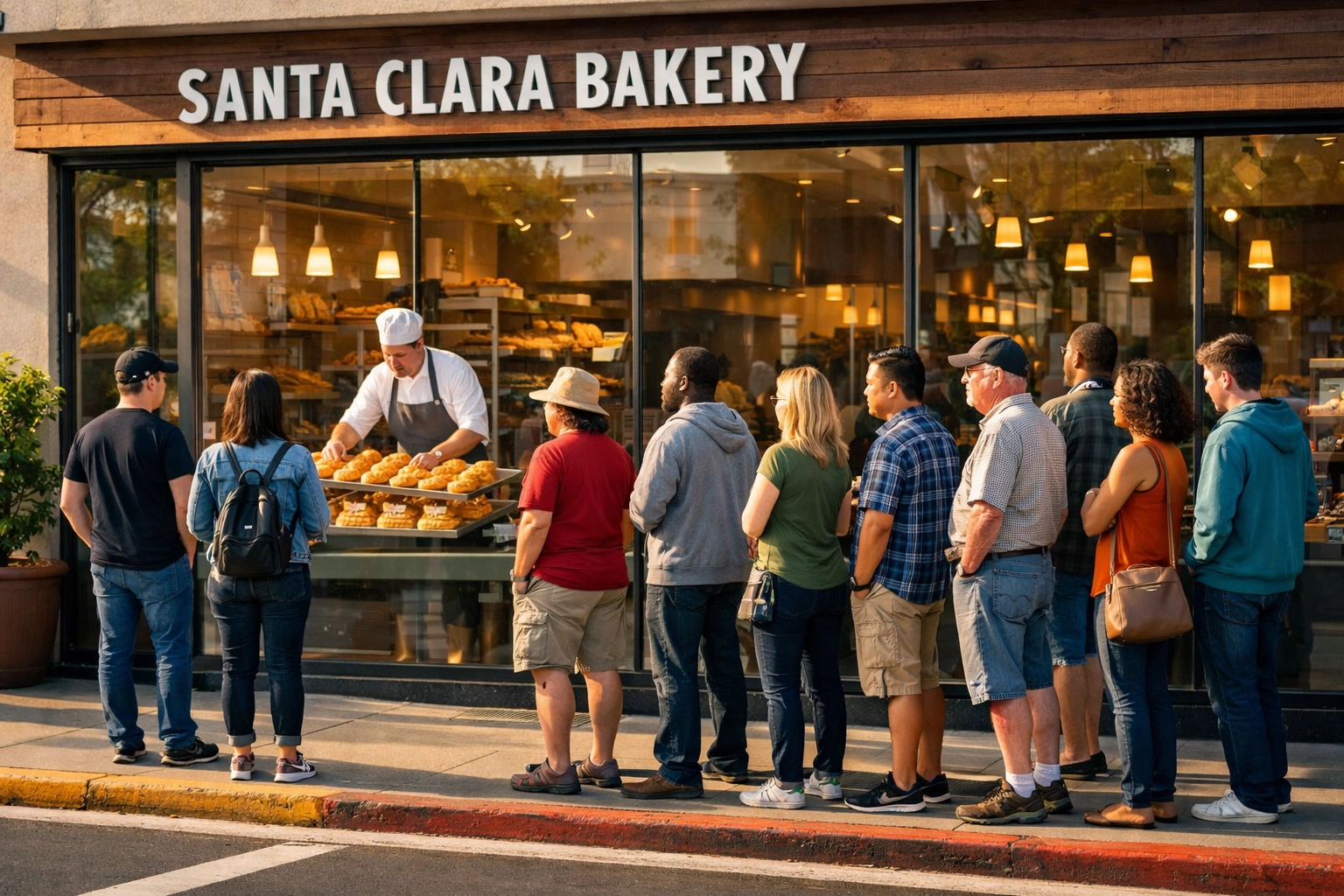
If you see a line forming at 8:00 AM in a Santa Clara parking lot, it’s likely for Milldang Bakery. This is the epicenter of the salt bread Bay Area trend. Salt bread (or Sio Pan) is a Japanese-invented, Korean-perfected pastry that is essentially a butter-loaded roll topped with sea salt.
Milldang is an artisanal bakery Santa Clara locals have embraced for its commitment to "low-volume, high-quality" batches (San Jose Spotlight)[7]. From a business standpoint, Milldang uses the "scarcity model." They bake in small rounds throughout the day. When it’s gone, it’s gone. This creates a "fear of missing out" (FOMO) that keeps the Santa Clara food scene buzzing and ensures their product is always served at peak freshness.
Why These Concepts Work: The MFRCG Analysis
At McFadden Finch Restaurant Consulting Group, we analyze food trends 2026 to help our clients build sustainable businesses. These six openings aren't just "lucky." They succeed because they follow three core tenets of modern hospitality:
- Micro-Niche Product Focus: Milldang doesn't try to be a full-service café; they own the "salt bread" category.
- Operational Timing: Suavecito recognized a gap in the market (late-night) and filled it.
- Brand Lineage: RT Bistro used the existing "brand equity" of Rich Table to launch a lower-cost model with built-in trust.
As we noted in our guide on how restaurant consultants dramatically lower prime cost, the key to 2026 profitability is reducing menu complexity. Every one of these successful new spots has a "hero product" that drives 70% of their revenue.
Table: 2026 Opening Comparison Grid
| Restaurant | Neighborhood | Primary Keyword/Trend | Signature Item | Operational Win |
|---|---|---|---|---|
| Katsu Burger | Santa Clara | Japanese fusion burgers | Panko Beef Burger | Familiarity + Novelty |
| RT Bistro | San Francisco | Best new restaurants SF | Dungeness Crab Donuts | Brand Equity Scaling |
| Goldenette | San Francisco | Brunch SF | Heritage Sourdough | Daypart Specialization |
| Suavecito | San Francisco | Late night birria SF | Quesabirria | Service Gap Utility |
| Truffle Butter | Belmont | Belmont sushi | Truffle Toro | High-Margin Luxury |
| Milldang | Santa Clara | Salt bread Bay Area | Sio Pan | Scarcity Marketing |
Case Study: The "Bistro-ification" of RT Bistro
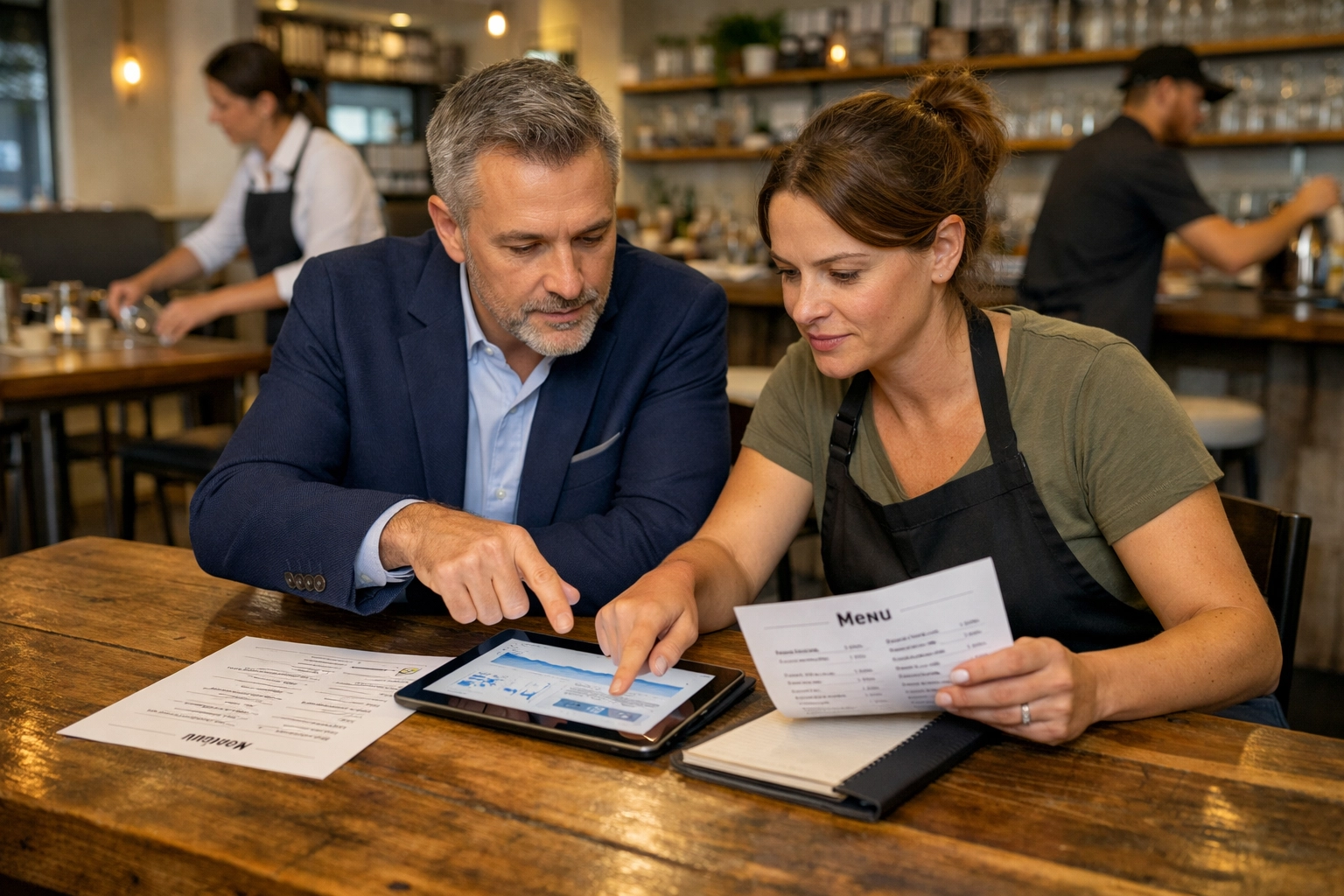
When the team behind Rich Table decided to open RT Bistro, they faced a classic dilemma: how to expand without diluting the brand. By conducting deep market research, they found that their primary demographic: young professionals in the Mission: wanted the flavors of Rich Table more frequently than they wanted the experience of a full tasting menu (SF Chronicle)[3].
The result was a stripped-back kitchen operation that focused on high-margin, high-flavor items like Dungeness crab thermidor. By reducing the number of "touches" required per plate, they lowered labor costs while maintaining a high perceived value. This is a classic restaurant turnaround strategy: refocusing the menu on what the customer actually values, rather than what the chef wants to show off.
What Smart Critics Argue
Some critics argue that the "Micro-Niche" trend is dangerous. They claim that by focusing on a single product: like "salt bread" or "birria": restaurants risk becoming "fads" that will burn out once the next TikTok trend arrives (Eater SF)[1].
Our Rebuttal: While "fad" risk is real, the data shows that specialized operations have significantly higher profit margins due to lower inventory waste. A restaurant like Milldang, which specializes in a few types of dough, has far less waste than a traditional bakery with 50+ different items. In 2026, efficiency is the only way to combat rising labor and supply chain costs in the Bay Area.
What to Do Next: Your Bay Area Food Roadmap
If you’re looking to explore these new openings: or if you're an owner looking to emulate their success: here is your 2026 roadmap:
- The "Early Bird" Strategy: Visit Milldang Bakery before 9:00 AM. Their salt bread sells out faster than you’d think.
- The "Late Night" Pivot: If you're out in the Mission after midnight, skip the chain pizza and head to Suavecito for authentic birria.
- The "Consulting" Check: If you’re an operator, look at the menu of Katsu Burger. Notice how they use the same base proteins across multiple burger types. That is efficiency.
- The "Luxury" Lunch: Truffle Butter in Belmont offers a "bento-style" lunch that is the best way to try high-end sushi without the dinner price tag.
- Review Your Own Numbers: If your restaurant isn't hitting its targets, contact the McFadden Finch Executive Team for a discovery call. We specialize in turning "good" concepts into "profitable" staples.
Key Takeaways
- Niche is King: The most successful 2026 openings focus on one specific product (e.g., salt bread, katsu burgers).
- Utility Matters: Filling a gap (like late-night dining) is often more profitable than being "the best" overall restaurant.
- Location Strategy: Suburban spots like Belmont and Santa Clara are becoming hubs for high-end dining as work-from-home remains a factor.
- Efficiency Drives Profit: Reducing menu complexity is the #1 way new Bay Area restaurants are surviving 2026 labor costs.
- Brand Scaling: Spinoffs (like RT Bistro) are a safer bet than entirely new concepts in a volatile market.
FAQ
Q: What is "Salt Bread" and why is it trending?
A: Salt bread, or Sio Pan, is a butter-rich yeast roll with a salty crust. It became a viral sensation in Korea and Japan before hitting the Santa Clara food scene in late 2025/early 2026.
Q: Are these new restaurants affordable?
A: They range from fast-casual (Katsu Burger, Suavecito) to high-end (Truffle Butter). However, the "Bistro" trend is specifically designed to make high-end flavors more accessible.
Q: Why is Santa Clara seeing so many new openings?
A: The concentration of tech workers and the density of the South Bay make it a lower-risk environment for "Utility" concepts compared to the high-rent districts of downtown San Francisco.
Q: How can I open a similar concept?
A: Success in 2026 requires a mix of specialized product focus and strict operational control. We recommend starting with a consultation to vet your concept against current market data.
Sources
[1] Eater SF, “The Most Anticipated Openings of 2026,” Eater, Jan 2026, https://sf.eater.com, Accessed Feb 28, 2026.
[2] Stanford ‘And The West’, “The Economics of Western Dining Trends,” Stanford University, 2025, https://andthewest.stanford.edu, Accessed Feb 28, 2026.
[3] SF Chronicle, “RT Bistro: A New Era for Rich Table,” San Francisco Chronicle, Feb 2026, https://www.sfchronicle.com, Accessed Feb 28, 2026.
[4] SF Standard, “The Best New Brunch Spots in San Francisco,” SF Standard, Jan 2026, https://sfstandard.com, Accessed Feb 28, 2026.
[5] KSBW Action News, “Bay Area Foodies Flock to Late Night Openings,” KSBW, Feb 2026, https://www.ksbw.com, Accessed Feb 28, 2026.
[6] The Mercury News, “Belmont’s Sushi Scene Gets a High-End Makeover,” Mercury News, Feb 2026, https://www.mercurynews.com, Accessed Feb 28, 2026.
[7] San Jose Spotlight, “Santa Clara’s Bakery Boom: Why Salt Bread is the New Sourdough,” SJ Spotlight, Feb 2026, https://sanjosespotlight.com, Accessed Feb 28, 2026.
[8] National Archives, “Historical Shifts in California Urban Development,” National Archives, https://www.archives.gov, Accessed Feb 28, 2026.
[9] California State Parks, “Allensworth State Historic Park: A Vision of Self-Governance,” CA.gov, https://www.parks.ca.gov, Accessed Feb 28, 2026.
[10] SJV Water, “The History of Water Rights in the Central Valley,” SJV Water, 2024, https://www.sjvwater.org, Accessed Feb 28, 2026.
Ready to turn your restaurant idea into the next Bay Area staple?
The 2026 dining landscape is more competitive than ever. Whether you’re struggling with high prime costs or looking to launch a "Micro-Niche" concept like the ones featured here, the Executive Team at McFadden Finch Restaurant Consulting Group is here to help. We provide data-driven strategies for restaurant turnarounds, operational efficiency, and concept development.
Stop guessing and start growing.
📞 Call us today: (510) 973-2410
🌐 Book a Discovery Call: mcfadden-finch-group.com/contact
McFadden Finch Restaurant Consulting Group
Our Mission: To empower restaurant owners with the operational excellence and creative strategy needed to thrive in California’s ever-evolving food scene.
Services: Operations Consulting, Restaurant Turnaround, Technology Integration.