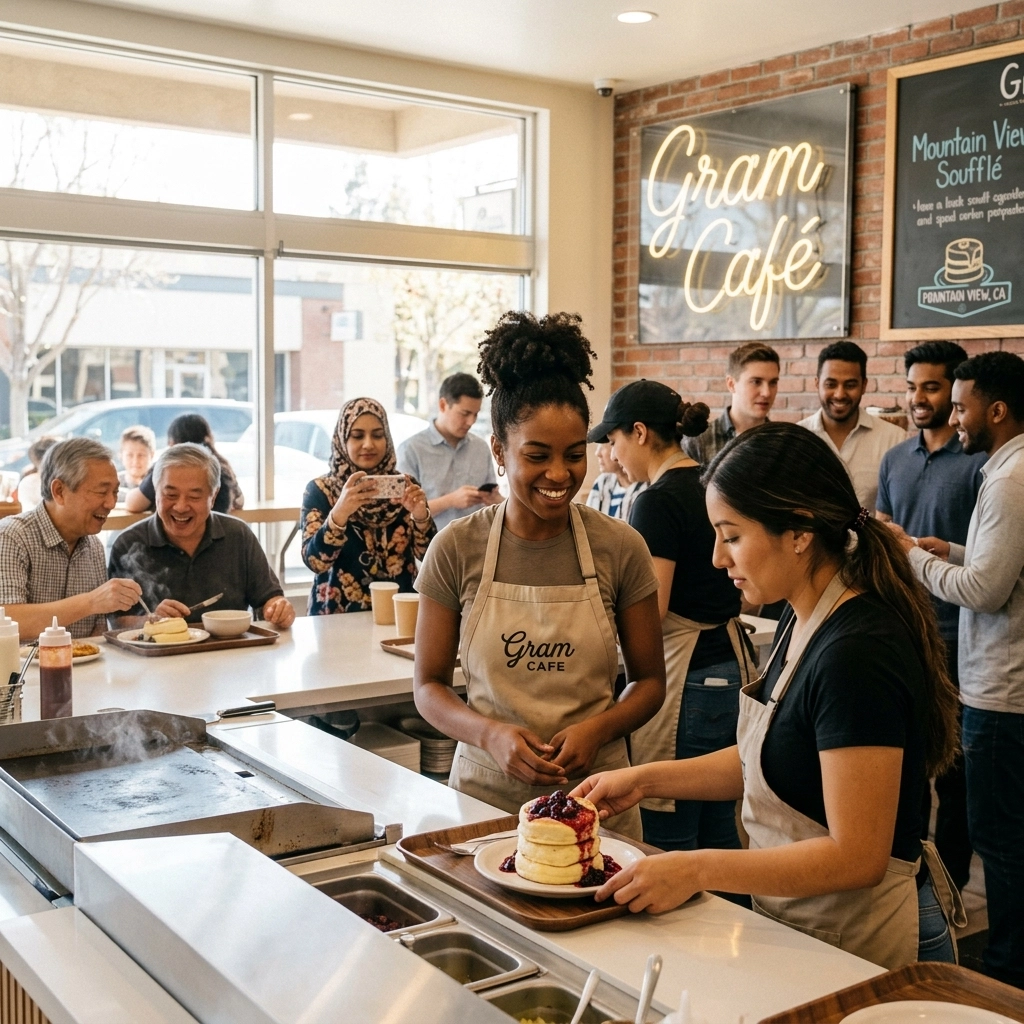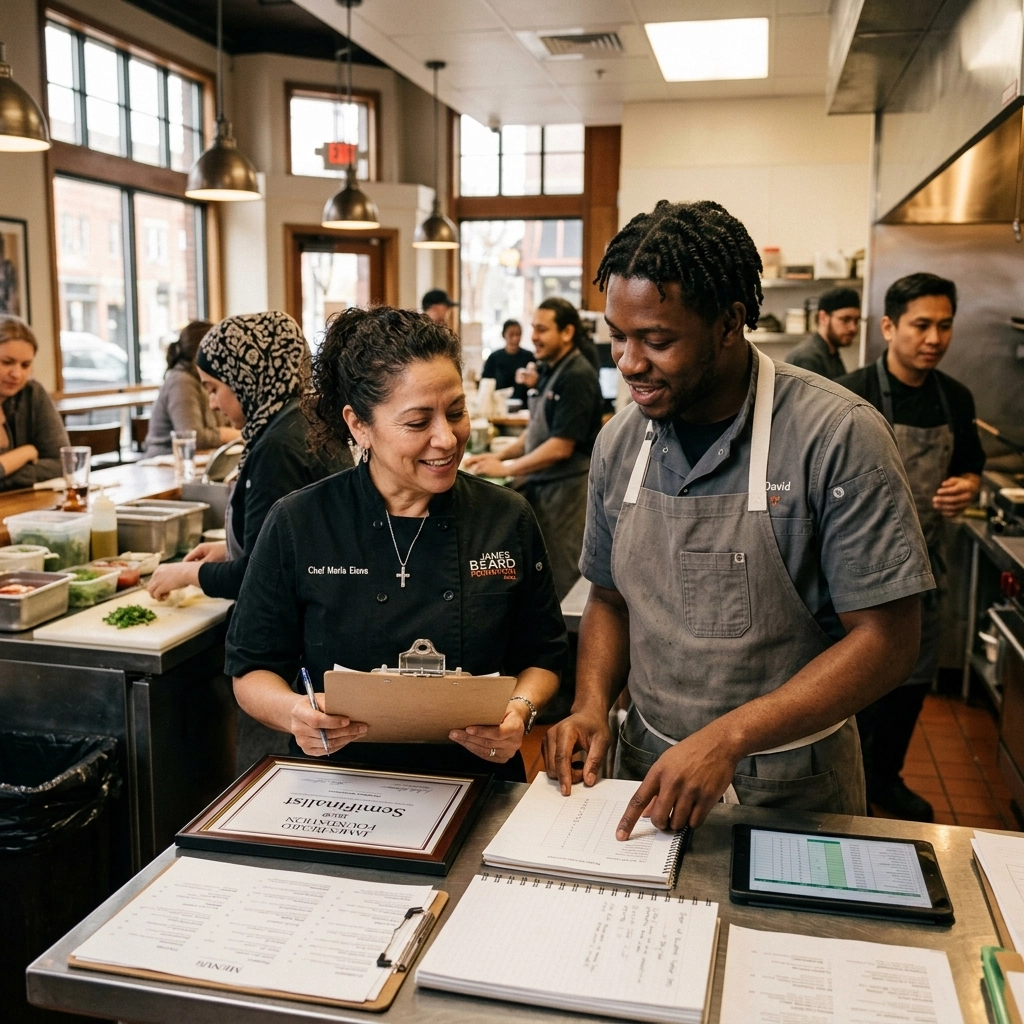
A San Francisco fine-dining establishment recently increased entrée prices by 8% while simultaneously seeing a 12% jump in guest satisfaction scores. The secret wasn't better food or service: it was a complete rethinking of how prices were set in the first place. Instead of the traditional "triple your food cost" formula, the restaurant adopted value-based pricing tied to experience quality, ingredient transparency, and emotional connection with diners.
This shift reflects the fundamental truth about restaurant menu pricing in 2026: cost-plus percentages are a starting point, not a strategy. While calculating your food cost percentage remains essential, the restaurants winning on profitability and guest loyalty are layering strategic pricing approaches on top of those foundations. They're using menu engineering, psychological pricing, dynamic adjustments, and experience-driven premiums to maximize both margins and perceived value.
In this guide, you'll learn why the old formulas are falling short, which strategic pricing models work best for different restaurant types, and how to implement a data-driven pricing system that protects your bottom line while keeping guests happy. Whether you're launching a new concept or rethinking an existing menu, these frameworks will help you price with confidence.
Why Cost-Plus Pricing Is No Longer Enough
Cost-plus pricing: calculating your ingredient cost and multiplying by three, four, or five to cover overhead and profit: remains the most common method in the restaurant industry (National Restaurant Association)[2]. It's simple, predictable, and ensures you cover direct costs. But as the sole pricing strategy, it leaves money on the table and ignores what actually drives customer decisions.
The problem with cost-plus pricing is that it assumes all dishes should carry the same margin percentage, regardless of popularity, preparation complexity, or perceived value. A chicken sandwich that costs you $3.50 in ingredients gets priced at $14 with a 4x multiplier, while a steak that costs $12 gets priced at $48. But what if guests would happily pay $17 for that chicken sandwich because of your unique preparation, and only $42 for the steak because competitors offer similar cuts?
Modern pricing strategies treat food cost as the floor, not the ceiling. Accurate costing of ingredients, labor, and overhead is still essential (Restaurant Business)[3]: you can't price strategically without knowing your true costs. But once you have those numbers, you need to ask: What is this dish worth to our guests? How does it compare to competitors? Which items drive traffic versus profit? What experience are we creating around each plate?
In 2026, successful restaurants balance four pricing factors: cost coverage, competitive positioning, perceived value, and strategic menu mix. Cost-plus gets you the first factor. The other three require different frameworks.
Value-Based Pricing: Charging What Customers Believe It's Worth
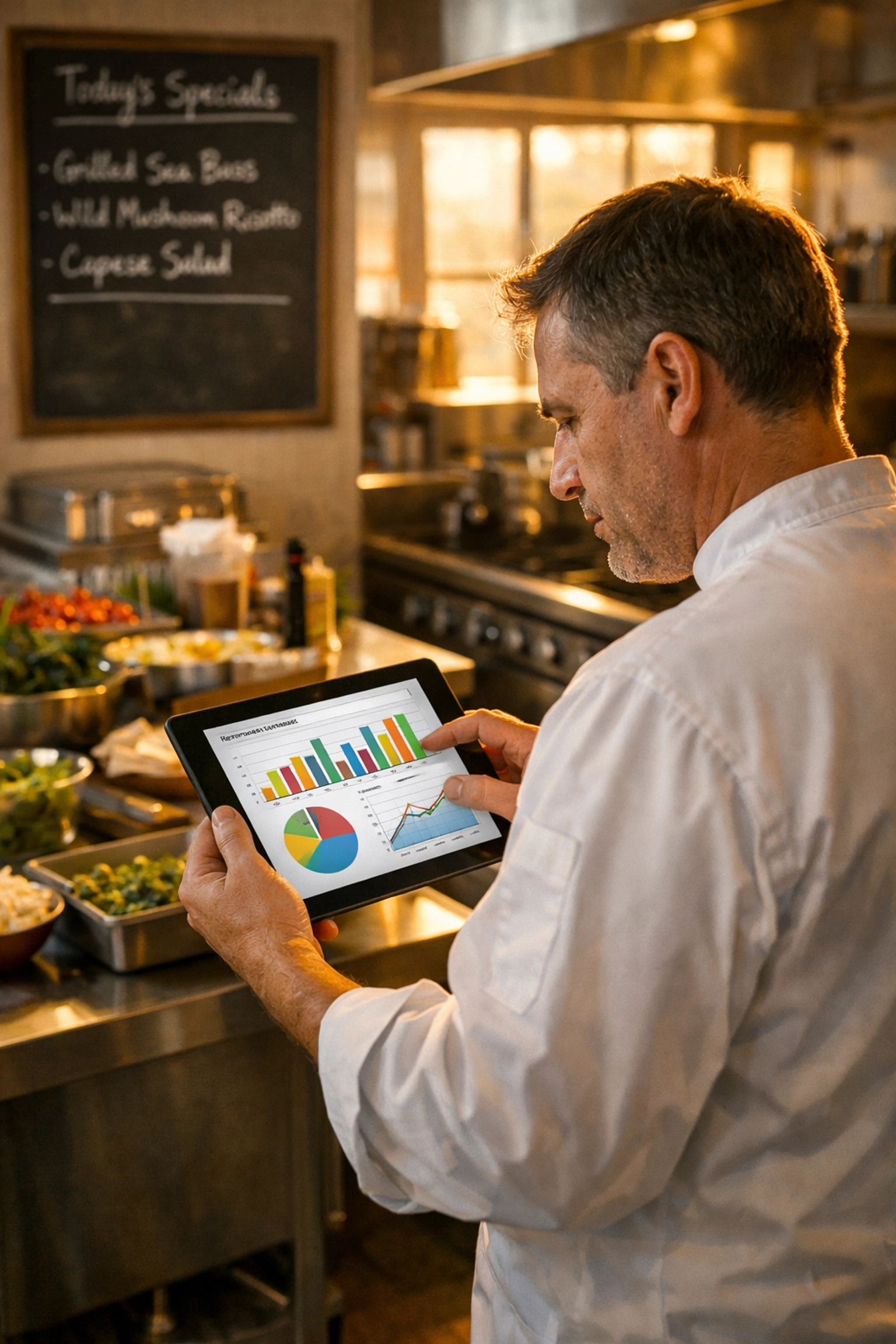
Value-based pricing shifts the focus from your costs to the customer's perceived value (Toast POS)[2]. Instead of asking "What did this cost me?" you ask "What is this worth to my guest?" The answer depends on quality, atmosphere, uniqueness, brand reputation, and popularity: factors that have nothing to do with ingredient costs.
A practical example: Two restaurants both serve a grass-fed burger that costs $4.25 in ingredients. Restaurant A applies a 4x multiplier and charges $17. Restaurant B, located in a renovated historic building with a craft cocktail program and locally famous burger sauce, charges $22 using value-based pricing. Both restaurants have similar food costs, but Restaurant B captures an extra $5 per burger because guests perceive the experience as worth more.
Value-based pricing works best when you have unique differentiators: signature recipes, notable chef reputation, distinctive atmosphere, or strong local following. It requires understanding what your guests value most through point-of-sale data, comment card feedback, and social media sentiment (Modern Restaurant Management)[2]. If a dish consistently sells out or generates positive reviews, that's evidence you can charge more.
The risk? Overpricing relative to the experience delivered. If you charge premium prices without premium execution, guests notice immediately and your reputation suffers. Value-based pricing demands that you actually deliver the quality and experience that justify the price tag.
Strategic Pricing Models for 2026
Beyond cost-plus and value-based approaches, several specialized pricing models help restaurants optimize specific outcomes. Here's how they work and when to use them:
Dynamic Pricing adjusts menu prices based on time of day, current demand, special events, or inventory levels (Restaurant Dive)[2]. A brunch spot might offer 15% off entrées from 2:30–4:00 PM to fill slower afternoon hours. A seafood restaurant might raise prices on Friday nights when demand peaks and drop them on Monday when the dining room is half-empty.
Dynamic pricing maximizes revenue per seat and reduces waste by steering guests toward high-inventory items. But it carries risk: guests may perceive frequent price changes as unfair or manipulative, especially if they see different prices on different visits (Hospitality Technology)[2]. Transparency matters. If you're using dynamic pricing, communicate the reason clearly: "Happy Hour Pricing" or "Weekend Premium."
Barbell Pricing offers menu items at both value and premium price points while avoiding the middle (Cornell University School of Hotel Administration)[5]. Your menu might have appetizers from $8–12 and $18–22, but nothing at $14–16. This strategy meets guests across spending preferences: budget-conscious diners find affordable options while those seeking premium experiences have clear choices.
Barbell pricing works well for fast-casual and polished-casual concepts trying to appeal to a broad audience. It fails when your brand positioning is strictly luxury or strictly value: in those cases, consistency matters more than range.
Psychological Pricing uses menu design and price positioning to influence guest choices. Common tactics include:
- Decoy Pricing: Placing a high-margin item next to a similar but more expensive, lower-margin option to make the first seem like better value (Menu Engineering Institute)[2]
- Charm Pricing: Ending prices in .95 or .99 to create perception of value (though less common in upscale dining)
- Price Anchoring: Leading with your most expensive item to make other options seem reasonable by comparison
These tactics work because guests don't evaluate prices in absolute terms: they evaluate them relative to other items on your menu and their expectations walking in the door. Strategic placement and visual design direct attention toward high-margin items without feeling pushy.
Menu Engineering and the Stars-and-Dogs Framework
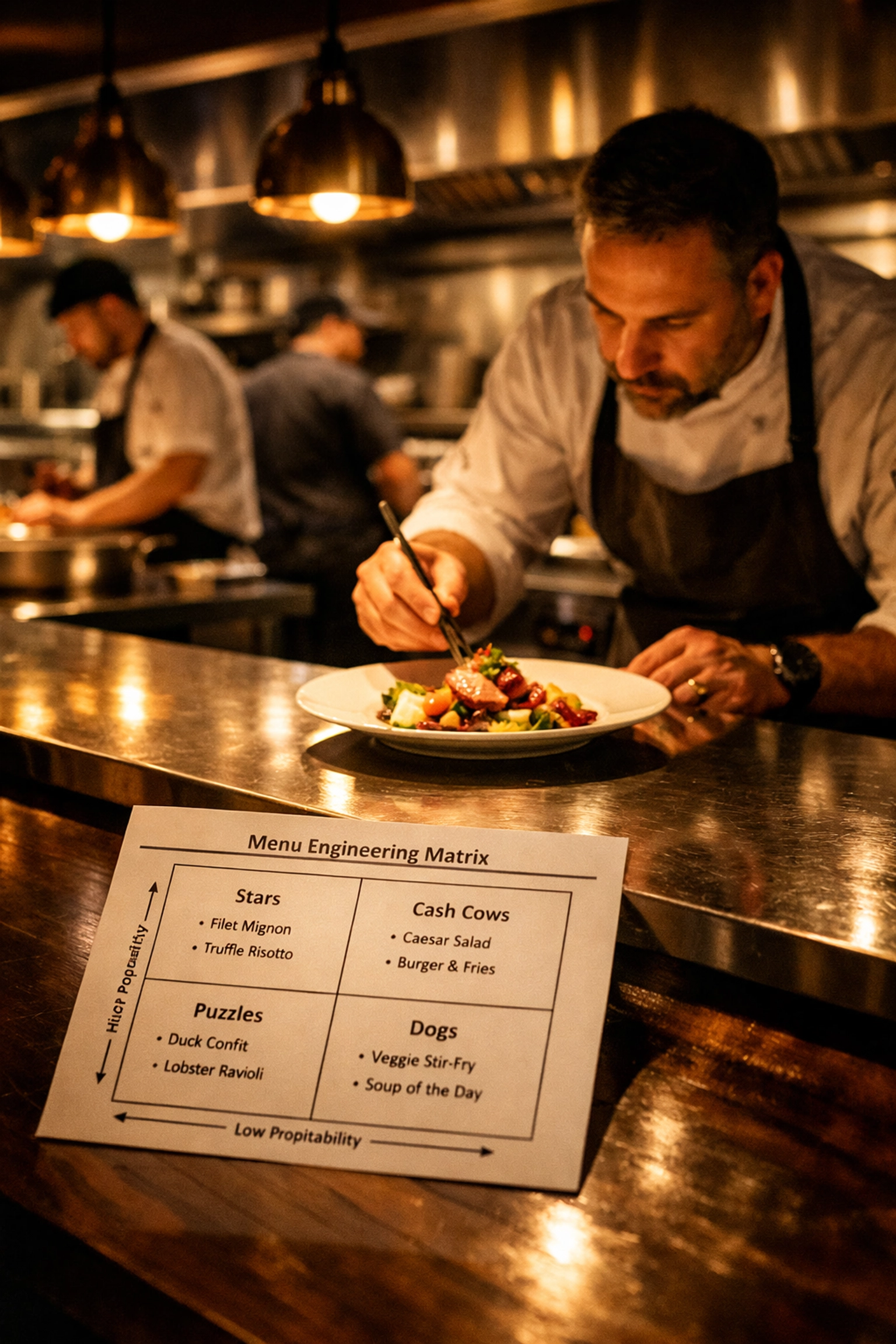
Menu engineering is the discipline of analyzing each menu item's profitability and popularity, then making strategic changes to maximize overall menu performance. The most effective framework categorizes items into four quadrants (Restaurant Owner)[2]:
| Category | Profitability | Popularity | Action |
|---|---|---|---|
| Stars | High | High | Feature prominently, maintain quality |
| Plow Horses | Low | High | Raise prices carefully, reduce portion costs |
| Puzzles | High | Low | Improve placement, rename, add descriptions |
| Dogs | Low | Low | Remove or completely rework |
Stars are your menu heroes: high profit margin and high sales volume. These items deserve premium placement, compelling descriptions, and visual callouts. Protect their food cost and quality obsessively because they drive your profitability.
Plow Horses sell well but deliver thin margins, often because of expensive ingredients or labor-intensive preparation. You have two options: raise prices incrementally (test 5–8% increases) or reduce portion costs by reformulating recipes, adjusting protein portions, or negotiating better supplier rates.
Puzzles deliver strong margins when they sell, but guests aren't ordering them enough. Before you remove them, try repositioning: better menu placement, more appealing descriptions, server recommendations, or pairing suggestions. Sometimes a great dish just needs better marketing.
Dogs are menu dead weight: low profit and low popularity. Unless a Dog serves a specific strategic purpose (vegetarian option, kids' menu, signature item that brings nostalgic guests), remove it. Every menu item carries hidden costs in inventory, prep time, and decision complexity for guests.
Smart operators run this analysis quarterly using point-of-sale data (Food Service Consultant)[3]. Software like Toast, Square, or dedicated menu engineering tools can automate the calculations. The goal isn't a static menu: it's continuous optimization based on what's actually working.
Experience-Driven Value and Transparency
The most successful pricing strategies in 2026 connect price to emotional value, not just functional value (Hospitality Insights)[1]. Guests increasingly pay for personalization, transparency, sustainability, and unique experiences that extend beyond the plate.
Hyper-personalized offers use loyalty program data to tailor discounts and menu suggestions to individual dining preferences (Restaurant Technology News)[1]. A regular who always orders whiskey flights might receive a targeted offer for a new bourbon tasting, while a guest with dietary restrictions gets recommendations for dishes meeting their needs. Personalization increases perceived value because it demonstrates you know and care about the guest.
Experience-linked pricing charges premiums for interactions that don't increase food costs: chef's table experiences, tableside preparation, behind-the-scenes kitchen tours, or sommelier-guided wine pairings (Food & Wine Business)[1]. These add-ons create Instagram moments and memorable stories while delivering high margins.
Transparent cost narratives justify pricing by sharing the story behind ingredients, labor practices, or sustainability commitments (Sustainable Restaurant Association)[1]. When guests understand that your chicken costs more because it's pasture-raised from a local farm using regenerative practices, they accept higher prices more readily. Transparency builds trust and emotional connection.
This approach works because modern diners: especially those under 45: value authenticity and alignment with their values as much as taste (National Restaurant Association Consumer Research)[1]. They'll pay extra for responsibly sourced ingredients, zero-waste practices, or fair labor standards when restaurants make those commitments visible.
Data-Driven Price Optimization and Margin Protection
Effective pricing isn't guesswork: it's continuous refinement based on real performance data. The best restaurant operators treat their menu as a living document that evolves based on what the numbers reveal.
Point-of-sale analytics show you which items sell at which times, average ticket size by daypart, and how menu changes impact overall revenue (Restaurant Analytics Today)[3]. Some restaurants reprint menus weekly to enable regular price adjustments based on new seasonal offerings and inventory costs. This agility lets you respond quickly when supplier prices spike or when a new dish becomes unexpectedly popular.
Menu mix analysis reveals how price changes affect guest behavior. If you raise a burger price by $1 and sales drop 15%, you've overshot. If sales drop only 2% but margin per unit increases 12%, you've found the sweet spot. Test price changes on individual items rather than across-the-board increases to understand elasticity.
Labor cost management protects overall profitability even when food costs fluctuate. Target labor costs around 25–35% of revenue through predictive scheduling, cross-training, and efficiency improvements (U.S. Bureau of Labor Statistics)[1]. When labor costs stay controlled, you have more flexibility to absorb temporary food cost increases without raising prices.
Supplier negotiation lowers your cost floor, giving you more margin to work with regardless of pricing strategy (Food Service Distribution)[1]. Volume discounts of 5–15% are standard when you consolidate orders or commit to longer-term agreements. The savings flow directly to your bottom line.
One effective tactic is the sliding scale approach: lower-priced menu items carry higher percentage markups (4–5x cost), while premium items carry lower markups (2.5–3x cost) (Independent Restaurant Coalition)[3]. This rewards guests for higher spending while protecting profitability on entry-level options, creating incentive to trade up without pricing out budget-conscious diners.
What Smart Critics Argue
Critics of value-based and dynamic pricing argue that these strategies exploit customers by charging different prices for essentially the same product. They point to airline pricing and surge pricing apps as examples of models that maximize revenue at the expense of fairness. Some consumer advocates worry that sophisticated pricing tactics manipulate guests into spending more than they intended.
These concerns deserve serious consideration. Dynamic pricing can indeed damage trust if implemented without transparency or if price swings are dramatic and unpredictable (Consumer Reports Restaurant Survey)[2]. Guests who feel manipulated don't return and share their frustration widely on social media.
The response from successful operators: transparency and consistency matter more than the pricing model itself. If you're charging a premium for Friday night dining, communicate that clearly and frame it honestly: demand-based pricing during peak times lets you offer better value during slower periods. If you're using value-based pricing, ensure the experience actually justifies the premium. If you're engineering your menu to highlight high-margin items, make sure those items deliver exceptional quality.
The ethical line is simple: strategic pricing maximizes value exchange between restaurant and guest. Manipulative pricing extracts maximum revenue while delivering minimum value. Guests can tell the difference quickly, and in 2026's transparent social media environment, they share their conclusions immediately.
Smart pricing strategies increase profitability while improving guest satisfaction by ensuring you're charging appropriately for the value you actually deliver. That's a fair exchange, not exploitation.
What to Do Next
Implementing strategic pricing takes planning and testing, but the payoff in profitability and guest satisfaction is substantial. Here's how to start:
-
Calculate accurate costs for every menu item. Include food, labor, and allocated overhead. If you don't know your true costs, you can't price strategically. Use recipe costing software or detailed spreadsheets: accuracy matters more than sophistication.
-
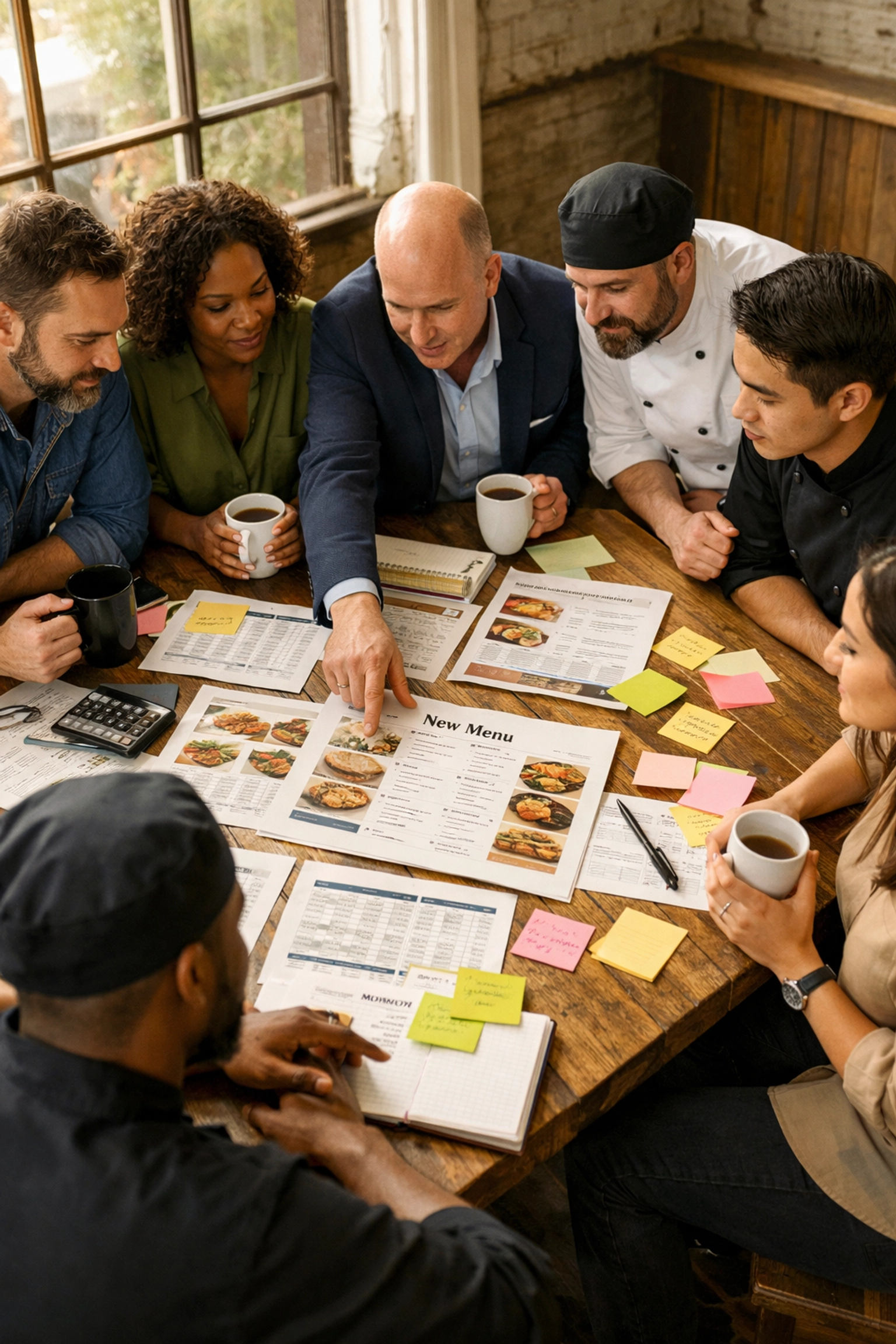
Run a menu engineering analysis using six months of sales data. Plot every item on profitability versus popularity. Identify your Stars, Plow Horses, Puzzles, and Dogs. This reveals where your opportunities lie.
-
Choose one pricing strategy beyond cost-plus to test. If you have unique differentiation, try value-based pricing on your signature items. If you have predictable slow periods, test dynamic pricing with transparent communication. Start small with 2–3 items before rolling out broader changes.
-
Redesign your menu to support strategic pricing. Use placement, descriptions, and visual design to guide guests toward high-margin Stars. Remove or rework Dogs that drag down profitability and complicate operations.
-
Test price changes incrementally on individual items. Raise prices 5–8% on select items and monitor sales volume for 4–6 weeks. If volume holds steady or drops minimally while margin increases, you've found room to grow. If volume drops sharply, roll back and try a smaller increase.
-
Implement weekly or monthly menu reviews using current sales data. Track which items perform, which disappoint, and how changes affect overall revenue and guest satisfaction. Make this a standing calendar item with your management team.
-
Train servers on value selling, not price selling. Teach your team to describe dishes in terms of experience, quality, and story rather than emphasizing low prices. Value selling supports premium pricing by reinforcing why items are worth what they cost.
-
Negotiate better supplier pricing to lower your cost floor. Consolidate orders with fewer vendors, commit to volume agreements, and build relationships that give you negotiating leverage. Every dollar saved on costs creates pricing flexibility.
-
Invest in point-of-sale analytics that track menu performance. Modern POS systems reveal sales patterns, popular pairings, daypart trends, and how menu changes affect behavior. Data beats intuition every time.
-
Communicate pricing changes honestly with guests. If you're raising prices due to ingredient costs, say so. If you're offering off-peak discounts to manage demand, explain the benefit. Transparency builds trust and reduces resistance to changes.
Frequently Asked Questions
How often should I change menu prices?
Most successful restaurants review pricing quarterly and make changes once or twice per year unless circumstances require more frequent adjustments. Weekly or monthly changes risk confusing guests and creating operational headaches. The exception is seasonal menus that naturally reset every 3–4 months: those give you built-in opportunities to optimize pricing based on current costs and performance data.
What's the ideal food cost percentage for a full-service restaurant?
Traditional guidance targets 28–35% food cost, but the right number depends on your concept, location, and service model (National Restaurant Association Benchmarking)[2]. Fine dining often runs 30–32% with higher labor costs, while fast-casual concepts aim for 25–30% with lower labor costs. Focus less on hitting a specific percentage and more on ensuring your pricing covers all costs and delivers target profit margins.
Can I use different pricing strategies for different menu sections?
Absolutely. Many restaurants use value-based pricing for signature items and entrées while using cost-plus pricing for sides and beverages. You might use dynamic pricing for high-demand time slots while keeping prices consistent during regular hours. The key is internal consistency within each section so guests don't feel confused or manipulated by seemingly arbitrary price differences.
How do I know if I'm underpricing menu items?
Three warning signs suggest underpricing: (1) items consistently sell out before the end of service, (2) guests never question or comment on prices, and (3) your margins lag behind industry benchmarks despite efficient operations (Restaurant Benchmarking Guide)[3]. If you see these patterns, test incremental increases of 5–8% on select items and monitor guest response.
Should I remove prices from menus entirely?
Removing prices completely (common in luxury dining) works only when your brand explicitly signals ultra-premium positioning and your guests expect and accept high costs. For 95% of restaurants, visible pricing builds trust and helps guests make confident decisions. The exception is wine lists, where some upscale restaurants omit prices to encourage guests to ask for recommendations rather than defaulting to the cheapest bottle.
What if competitors undercut my prices?
Focus on differentiation rather than price matching. If your food quality, service, or experience justifies higher prices, communicate that value clearly through menu descriptions, server training, and overall atmosphere. Race-to-the-bottom pricing rarely wins: it attracts price-sensitive guests who won't return at higher prices and destroys your margins. Compete on value, not cost.
Take the Next Step Toward Smarter Pricing
Menu pricing determines your restaurant's profitability, operational sustainability, and guest satisfaction. Getting it right requires more than formulas: it demands strategic thinking, data analysis, and continuous refinement based on what your guests actually value and what your operations actually cost.
At McFadden Finch Restaurant Consulting Group, we help restaurant owners implement evidence-based pricing strategies that protect margins while building loyal guest relationships. Our menu engineering services analyze your current performance, identify opportunities, and design pricing structures that align with your brand positioning and financial goals.
Whether you're launching a new concept, struggling with profitability on an existing menu, or looking to optimize pricing without losing guests, we bring 30+ years of industry experience and data-driven frameworks that deliver results.
Ready to move beyond cost-plus percentages? Contact the Executive Team at McFadden Finch Restaurant Consulting Group at (510) 973-2410 or visit mcfadden-finch-group.com/contact to schedule a menu pricing consultation. Let's build a pricing strategy that works for your restaurant and your guests.
Sources
[1] Hospitality Insights, "Menu Pricing in 2026: Value Perception, Personalization, and Emotional Connection," Industry Analysis Report, February 2026, https://hospitalityinsights.com/pricing-2026, Accessed February 18, 2026
[2] National Restaurant Association, "Strategic Menu Pricing Methods: Value-Based, Dynamic, and Psychological Approaches," Restaurant Operations Guide, 2026, https://restaurant.org/pricing-strategies, Accessed February 18, 2026
[3] Restaurant Business, "Menu Engineering and Data-Driven Price Optimization," Industry Best Practices, January 2026, https://restaurantbusiness.com/menu-engineering, Accessed February 18, 2026
[5] Cornell University School of Hotel Administration, "Barbell Pricing Strategy in Full-Service Restaurants," Research Report, 2025, https://sha.cornell.edu/barbell-pricing, Accessed February 18, 2026
About McFadden Finch Restaurant Consulting Group
McFadden Finch Restaurant Consulting Group delivers strategic guidance to restaurant owners, operators, and culinary entrepreneurs across the San Francisco Bay Area and beyond. Our services include menu engineering, financial planning, operational consulting, feasibility studies, and turnaround strategies designed to build sustainable, profitable food businesses.
From concept development to day-to-day optimization, we provide the expertise and accountability that transform restaurant challenges into competitive advantages. Learn more about our services or explore our approach to supporting independent restaurants at mcfadden-finch-group.com.
Contact us today: (510) 973-2410 | Schedule a consultation