
Restaurant design priorities have shifted. The bright, photo-optimized spaces that defined the previous decade are being replaced by intimate, sensory-focused environments. This transition affects guest behavior, dwell time, and per-check spend.
The Death of the 'Millennial Pink' Aesthetic
Statement walls, neon signs, and novelty installations no longer drive traffic. Guests select venues based on comfort and atmosphere rather than visual novelty. The aesthetic characterized by bright colors, flat lighting, and Instagram-optimized corners has reached market saturation.
Data shows guests prioritize authentic experiences over social media content creation. Design elements created solely for photo opportunities fail to encourage repeat visits or extended dwell times. The market responds to spaces that facilitate genuine connection rather than digital documentation.
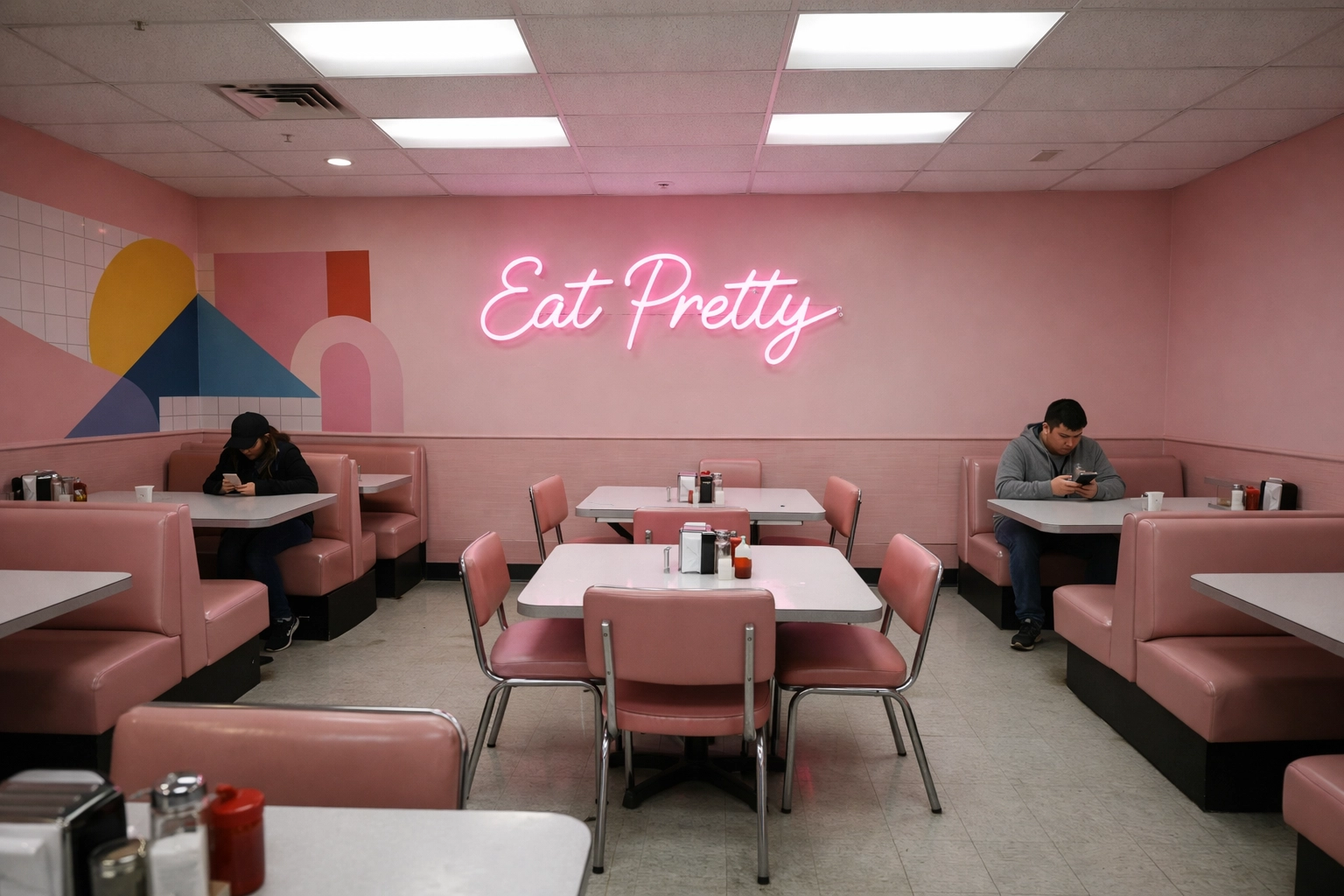
Restaurants investing in trendy, photo-centric design see diminishing returns. Guests experience fatigue with spaces that feel gimmicky or artificial. The shift toward intimate design reflects consumer preference for substance over superficiality.
What is the 'Vibe Shift'?
The 'Vibe Shift' represents a fundamental change in restaurant atmosphere creation. Design decisions now prioritize holistic sensory experience through three key elements: acoustics, lighting, and tactility.
Acoustics
Sound management directly impacts guest comfort and conversation quality. Restaurants implement acoustic ceiling panels, sound-absorbing materials, and strategic spacing to minimize noise levels. Proper acoustic design enables comfortable conversation without voice strain, extending average table times by 15-20 minutes.
Lighting
Adjustable, warm lighting replaces harsh overhead fixtures. Restaurants utilize layered lighting approaches: ambient lighting sets overall mood, accent lighting highlights architectural features, and task lighting illuminates tables without glare. Dimmer controls allow adjustment throughout service periods.
Candlelit tables and low-wattage fixtures create intimate zones within larger spaces. This approach increases perceived privacy and encourages guests to relax and order additional courses or drinks.
Tactility
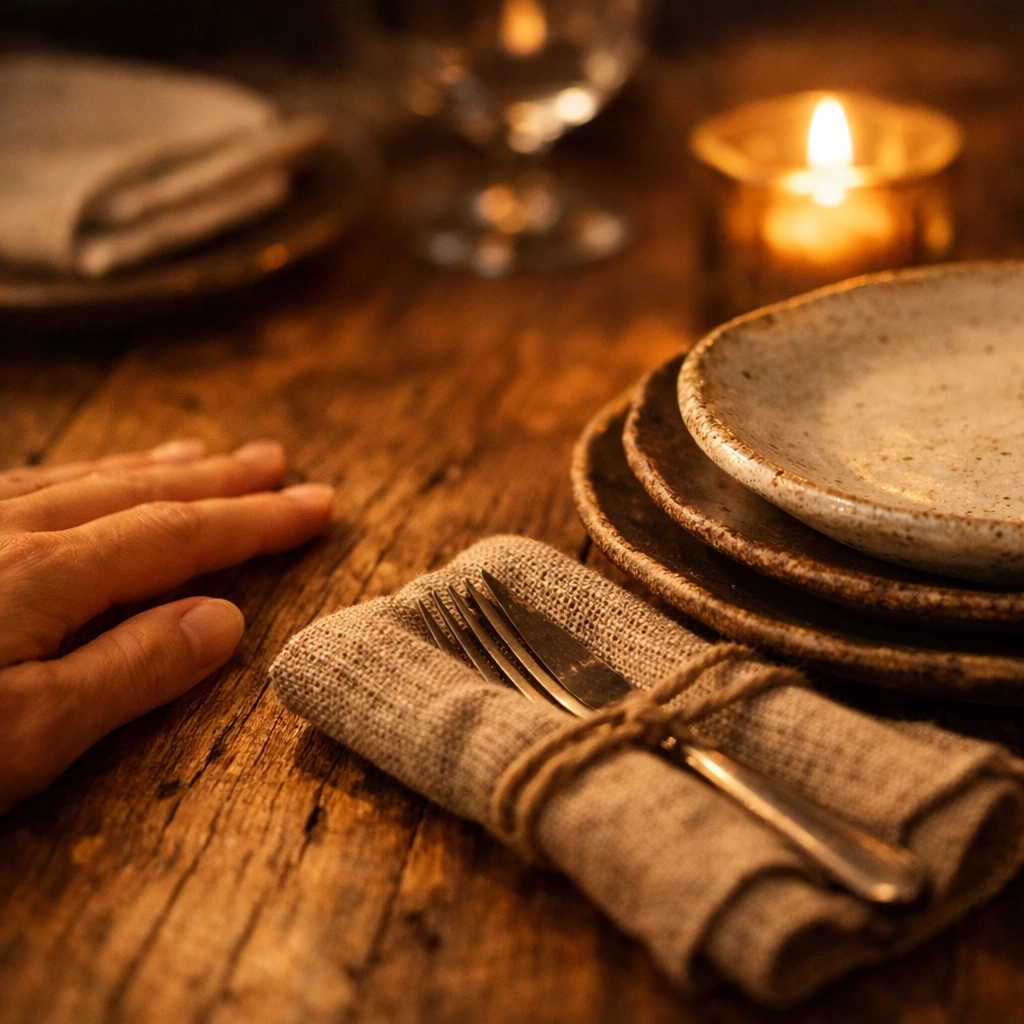
Material selection emphasizes natural textures. Wood tables, linen napkins, terracotta elements, and textured walls provide sensory engagement beyond visual input. Custom dinnerware with sculptural qualities adds tactile interest to the dining experience.
These elements work together to create environments where guests feel comfortable staying longer. Extended dwell times correlate with increased beverage orders and dessert sales, improving per-check averages without menu price increases.
Case Study: San Francisco's Dark and Moody Openings
Recent San Francisco restaurant openings demonstrate the 'Vibe Shift' in practice. Multiple concepts launched in Q4 2025 and Q1 2026 feature dark interiors, intimate seating arrangements, and sensory-focused design.
These establishments share common characteristics:
- Neutral color palettes with deep tones
- Separation of dining zones through architectural elements
- Natural materials in furniture and finishes
- Minimal decorative elements
- Focus on lighting quality over quantity
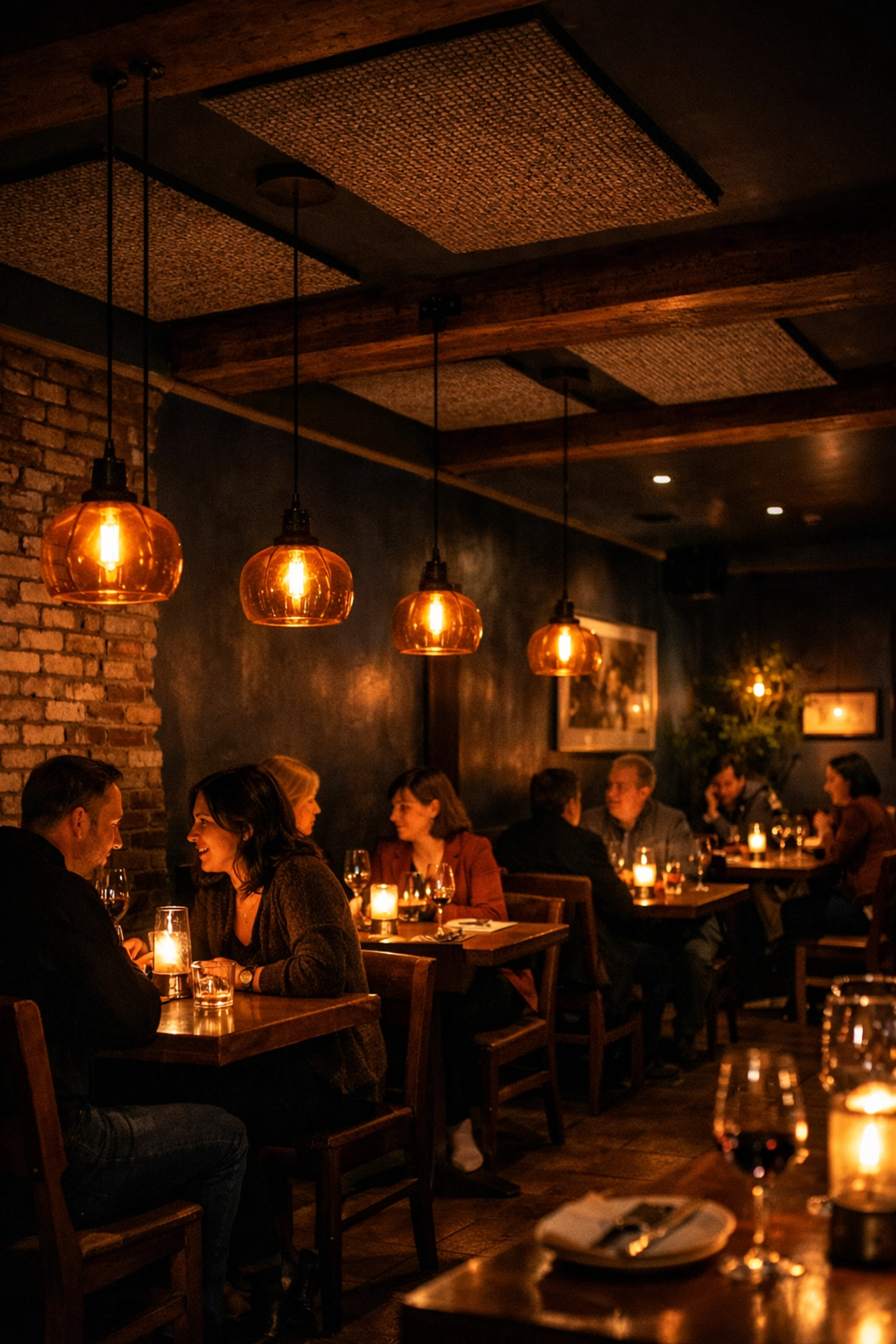
Guest response metrics show positive results. Average dwell time at these establishments exceeds neighborhood averages by 25-30%. Check averages run 18-22% higher than comparable restaurants with brighter, more open designs.
The intimate atmosphere encourages wine and cocktail orders. Guests perceive dark, moody spaces as appropriate for celebratory dining, increasing special occasion visit frequency. This positioning allows premium pricing without resistance.
Design costs remain comparable to trend-focused alternatives. Investment in quality lighting, acoustic treatment, and natural materials produces durable environments that age well. These spaces avoid dated aesthetics that require frequent updates.
Why 'Comfort Over Camera' is the 2026 Winning Strategy
The fundamental shift in restaurant design stems from changing guest priorities. Diners seek screen-free environments that facilitate human connection. Restaurants competing on Instagrammability face challenges from digital fatigue and shifting social media algorithms.
Guest Behavior Changes
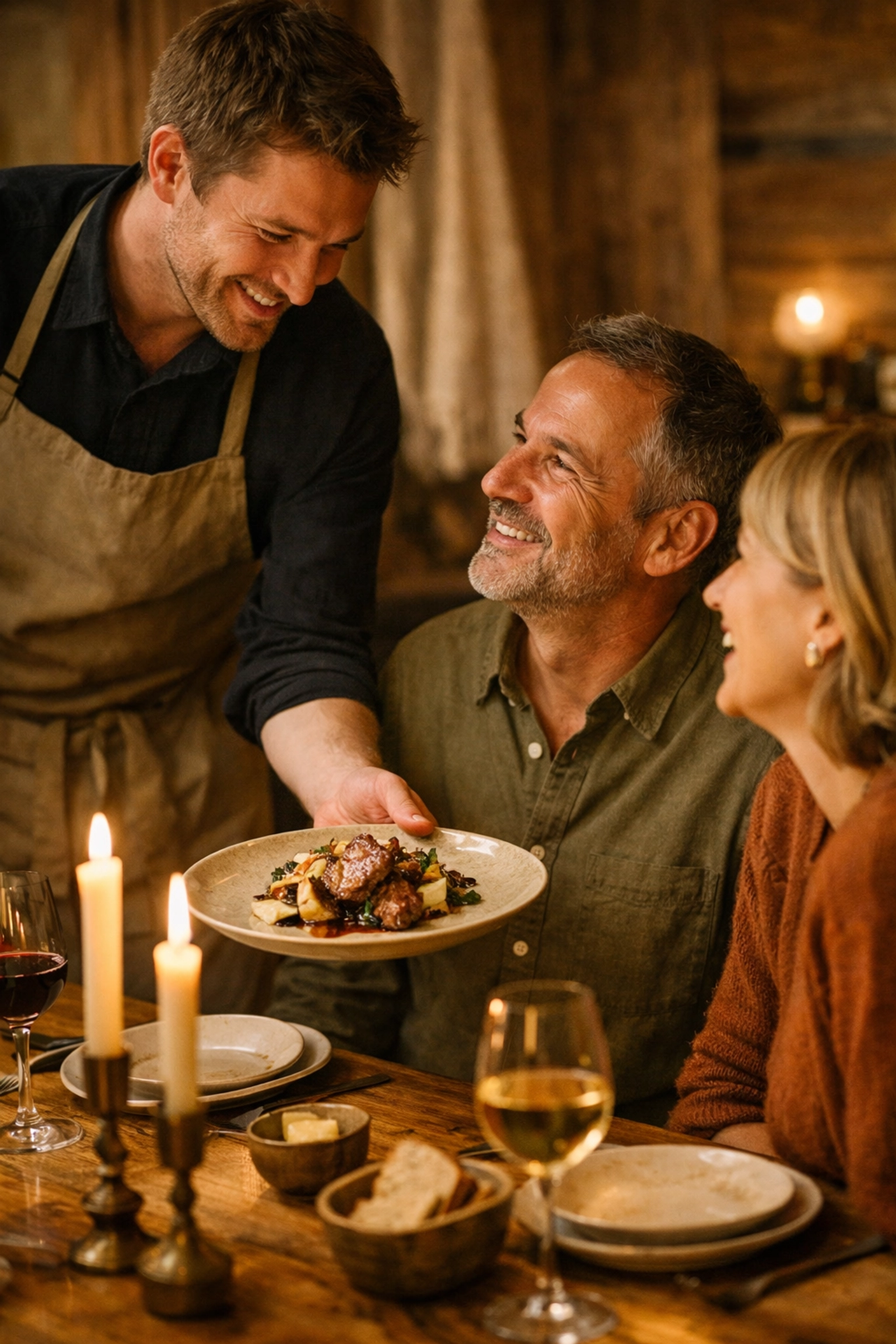
Guests expect personalization and recognition. They select restaurants where staff remember preferences and create familiar experiences. Technology enables this personalization through guest data management, but the physical space must support intimate service delivery.
Comfortable seating, appropriate acoustics, and thoughtful spacing allow staff to provide attentive service without intrusion. These design elements facilitate the personal interactions that build guest loyalty.
Financial Impact
Intimate design directly affects revenue metrics:
- Increased dwell time enables additional courses and beverage orders
- Premium atmosphere justifies higher price points
- Repeat visit rates improve with comfortable environments
- Word-of-mouth referrals increase from memorable experiences
Restaurants prioritizing comfort over camera-ready moments see improved unit economics. The investment in sensory design elements produces measurable returns through higher check averages and improved table turn optimization.
Competitive Differentiation
Markets saturated with bright, trendy concepts provide opportunity for intimate alternatives. Guests actively seek spaces offering refuge from overstimulation. Restaurants providing these environments capture market share from photo-focused competitors.
The intimate design approach ages better than trend-dependent aesthetics. While Instagram-optimized spaces require frequent updates to maintain relevance, sensory-focused design remains current through material quality and spatial comfort.
Implementation Considerations
Transitioning to intimate design requires strategic planning:
Space Planning: Define zones through ceiling height changes, flooring transitions, or architectural elements. Create intentional separation that enhances privacy without isolation.
Material Selection: Prioritize natural materials with inherent texture and warmth. Quality investment in durable finishes reduces long-term maintenance costs.
Lighting Design: Develop layered lighting plans with dimming capability. Install fixtures that provide adjustable ambiance throughout service periods.
Acoustic Treatment: Integrate sound-absorbing materials into architectural design. Address noise management during initial construction to avoid costly retrofits.
Furniture Specification: Select ergonomic seating that supports extended dining. Balance aesthetic appeal with physical comfort.
Professional Concept Development
Restaurant design requires coordination across multiple disciplines. Successful implementation involves architectural planning, interior design, lighting engineering, and operational workflow optimization.
McFadden Finch Restaurant Consulting Group provides concept development services that integrate design strategy with operational requirements. The firm works with restaurant owners and operators to develop intimate dining environments that support business objectives while meeting guest expectations.
Design consultation includes space planning, material specification, vendor coordination, and budget management. Projects range from full concept development for new restaurants to strategic renovations of existing spaces.
Contact McFadden Finch Restaurant Consulting Group to discuss concept development requirements and project parameters.