The restaurant industry has officially split in two. And if you're stuck in the middle? You're in trouble.
The 2026 McKinsey report confirms what many restaurant consulting firms have been warning about for months: consumers are fleeing "mid-scale" dining. They're either going cheap or going premium. There's almost nothing in between.
This is the "value barbell." And understanding it might be the difference between a successful restaurant turnaround and closing your doors for good.
What Is the Value Barbell?
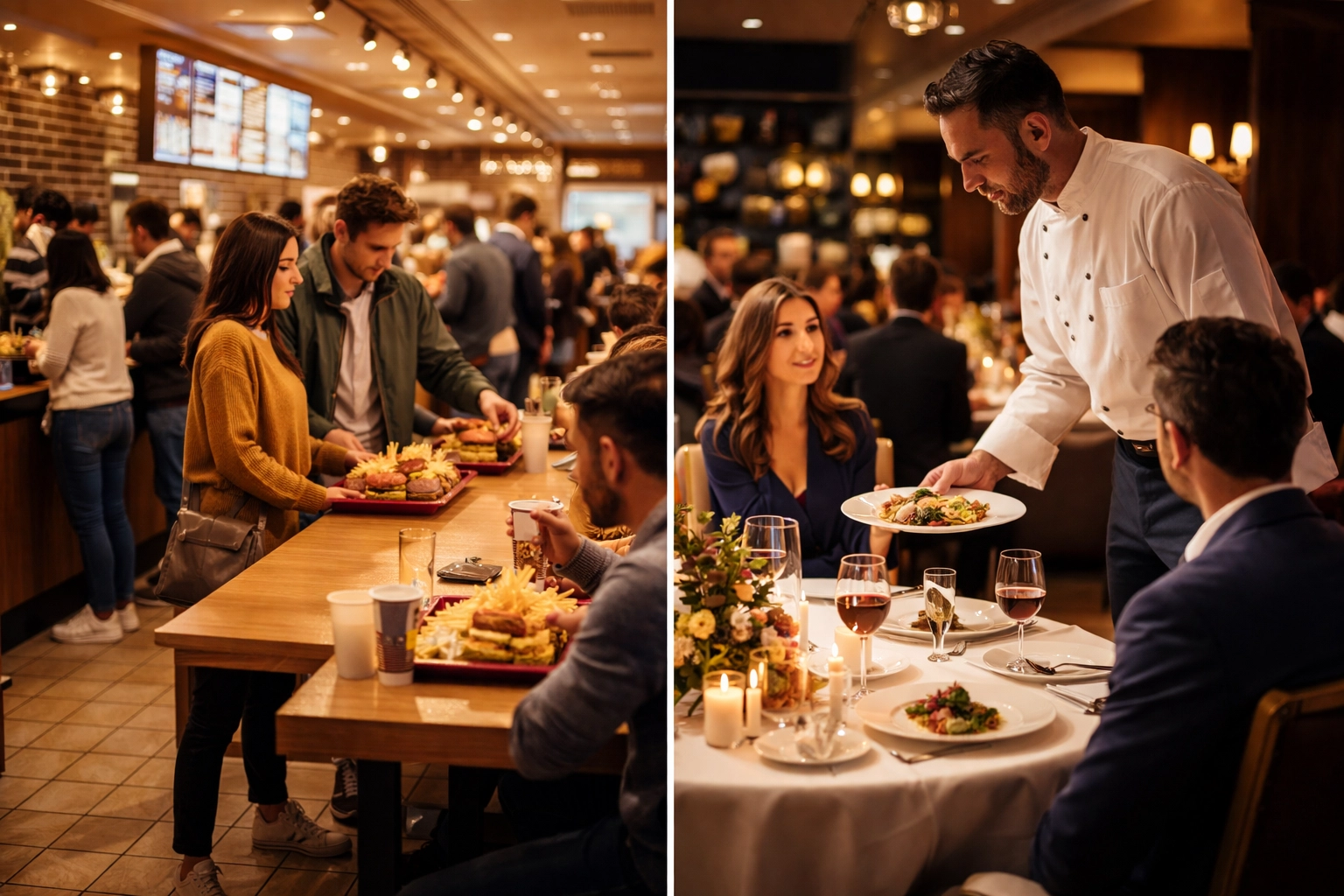
Picture an actual barbell. Heavy weights on each end. Almost nothing in the middle.
That's your customer base now.
On one end: guests hunting for extreme value. Fast, cheap, reliable. They want quality food without the price tag.
On the other end: guests willing to pay premium prices for experiences they can't replicate at home. High-end ingredients. Impeccable service. Something memorable.
The profitable middle ground? It's disappearing fast.
Why the Middle Is Dying
Here's the reality. Persistent inflation and economic uncertainty have completely changed how people think about eating out.
A recent study found that 82% of consumers noticed restaurant prices in their area increased "noticeably" over the past year. That's not a small shift. That's a fundamental change in perception.
When everything feels expensive, people get strategic. They stop choosing "pretty good" restaurants at "okay" prices. Instead, they pick a lane:
- Budget lane: "If I'm spending money, I want maximum value for minimum cost."
- Premium lane: "If I'm spending money, it better be worth it. Make it special."
Mid-scale restaurants: the ones trying to be "affordable but nice": get squeezed from both sides. They're too expensive to be the value choice. Not special enough to be the premium choice.
That's the mushy middle. And it's a death trap.
The Two Ends of the Barbell
Let's break down what success looks like on each side.
The Value End
Brands like Chili's and Texas Roadhouse are crushing it right now. Not because they're the cheapest. Because they've committed to being the best value.
They pair value-led promotions with smart upsell opportunities. Entry-level items attract price-sensitive diners. Add-ons and upgrades boost ticket averages. It works because the core promise is clear: you'll get a lot for your money.
Key characteristics:
- Consistent quality at accessible prices
- Efficient operations that keep costs low
- Clear "good, better, best" menu architecture
- Strong volume to offset thinner margins
The Premium End
On the other side, premium operators win by delivering experiences guests can't get anywhere else. This isn't just about expensive ingredients. It's about story, service, and substance.
Think restaurants where every dish has a narrative. Where the sourcing matters. Where the ambiance justifies the price tag.
Key characteristics:
- High perceived value through quality and authenticity
- Transparent sourcing and portioning
- Memorable guest experiences
- Higher margins on lower volume
The Trust Factor
Here's something the McKinsey data makes crystal clear: the chains that win in 2026 won't be the least expensive. They'll be the most trusted.
This applies to both ends of the barbell.
Value diners need to trust that they're getting real quality for their dollars. Premium diners need to trust that the experience justifies the splurge.
Trust comes from:
- Transparency about ingredients and sourcing
- Consistency in quality and service
- Clear communication about what you offer (and what you don't)
Restaurants that try to be everything to everyone lose trust fast. They seem confused. Uncommitted. Forgettable.
How to Pick Your Side
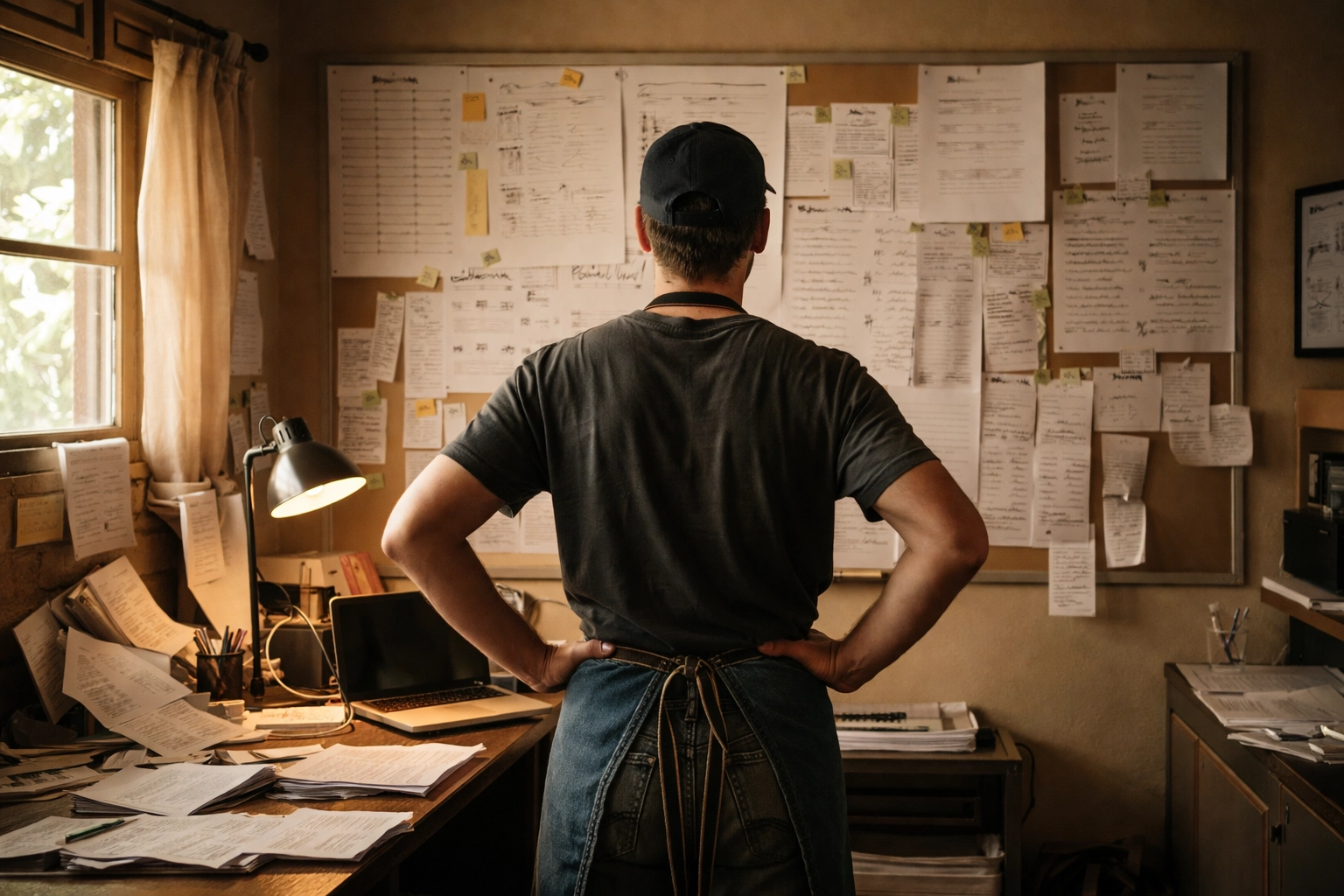
If you're running a mid-scale restaurant right now, this is where the real work begins. You need to make a choice. Here's how to think through it.
Assess Your Current Position
Start with an honest audit of your business. Look at:
- Your customer base: Who actually comes in? Price-sensitive families? Expense-account diners? Date-night couples?
- Your margins: Where do you make money? High-volume items or premium add-ons?
- Your location: Does your area support premium dining? Or is value king?
- Your strengths: What do you do better than anyone else nearby?
This is where working with restaurant consulting firms can help. An outside perspective cuts through the blind spots. A proper business plan audit forces you to answer hard questions you might be avoiding.
Commit to a Lane
Once you've assessed, commit. Half-measures won't work here.
If you choose value:
- Streamline your menu. Cut anything that doesn't deliver clear value.
- Invest in operational efficiency. Every dollar saved is a dollar you can pass to customers.
- Build clear upsell paths. Entry items hook them. Add-ons build the ticket.
- Focus on speed and consistency.
If you choose premium:
- Invest in story. Where do your ingredients come from? Why should anyone care?
- Train your staff to deliver experiences, not just meals.
- Curate your menu. Less is more. Every item should justify its place.
- Create moments guests remember and share.

What This Means for Restaurant Turnaround
If your restaurant is struggling, the value barbell might explain why.
Many failing restaurants are stuck in the middle without realizing it. They raised prices to cover costs but didn't add enough value to justify them. Or they cut corners to stay affordable but lost the quality that made them special.
A real restaurant turnaround in 2026 often starts with this question: which end of the barbell should we be on?
The answer determines everything else:
- Menu redesign
- Pricing strategy
- Marketing focus
- Operational changes
- Staff training
Trying to fix a struggling restaurant without answering this question is like rearranging deck chairs on the Titanic. You might feel busy. But you're not solving the real problem.
The Bottom Line
The mushy middle is no longer a viable strategy. Consumer behavior has fundamentally shifted. Economic pressures aren't going away.
You have two options:
-
Become the best value option in your market. Commit to efficiency, consistency, and clear pricing. Win on volume.
-
Become the premium choice. Commit to quality, story, and experience. Win on margins.
Trying to be both means being neither. And that's how restaurants close.
Ready to figure out where your restaurant belongs on the value barbell? Our team helps operators assess their current position and build a strategy that actually works.
👉 Schedule a Business Plan Audit
Want to explore how we work with restaurants? Check out our full services.
#RestaurantConsulting #RestaurantTurnaround #ValueBarbell #RestaurantStrategy #FoodServiceTrends