Executive Summary
Food trucks reach profitability faster with lower startup costs. Restaurants generate higher long-term revenue but require more capital investment. The optimal choice depends on available capital, timeline requirements, and growth objectives.
Startup Cost Analysis
Food truck operations require $100,000-$250,000 initial investment. Restaurant establishments need $175,000-$750,000 startup capital. Food trucks eliminate rental deposits, extensive buildouts, and permanent fixture installations.
Equipment costs differ significantly. Food trucks purchase mobile kitchen units and obtain permits for specific locations. Restaurants invest in complete kitchen installations, dining room furniture, and permanent utility connections.
Time to Profitability
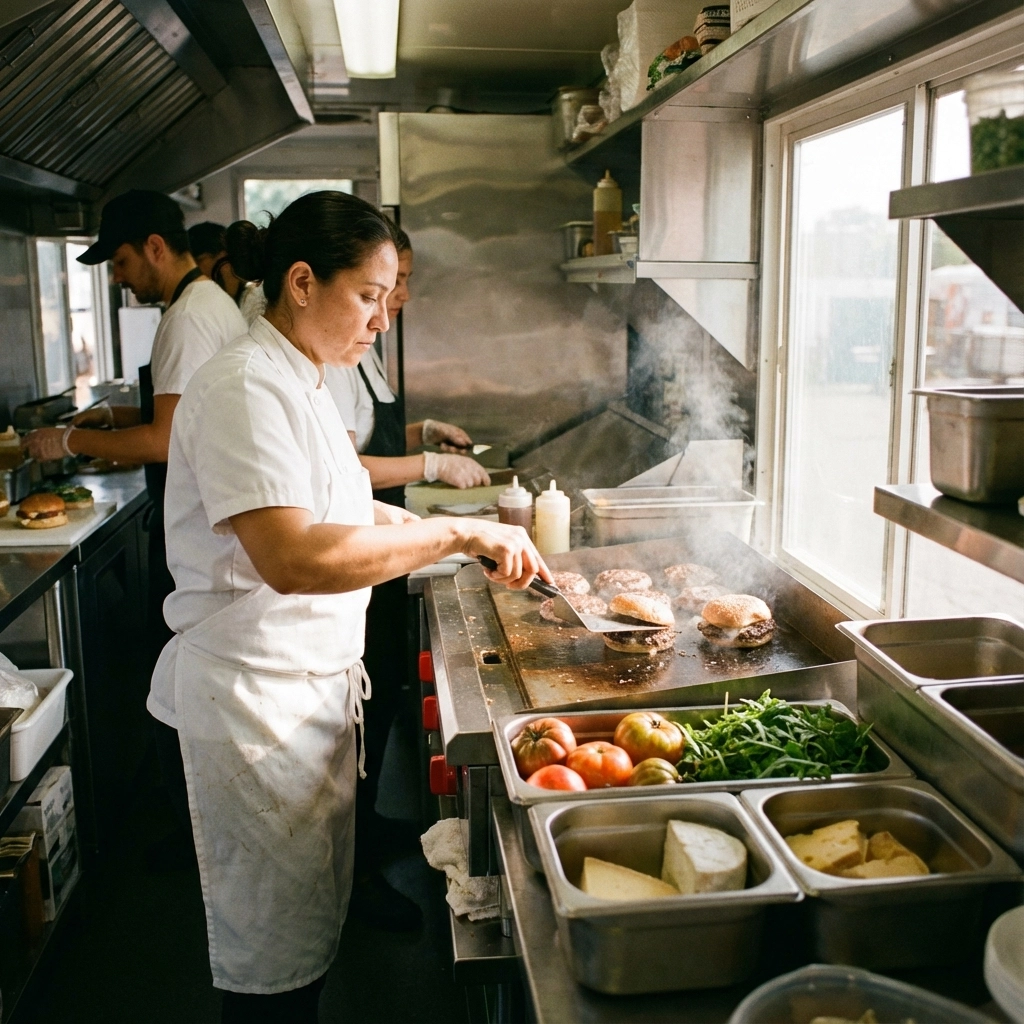
Food trucks achieve positive cash flow within 6-12 months. Restaurants typically require 12-24 months to reach profitability. This timeline difference stems from operational complexity and fixed cost structures.
Food truck operations begin generating revenue immediately upon permit approval. Restaurant operations require extended preparation periods including construction, hiring, and marketing campaigns before opening.
Revenue Potential
Food truck annual revenue averages $346,000 in 2025. Restaurant annual revenue ranges from $500,000-$2,000,000 depending on location and capacity. Food truck operators earn $24,000-$153,000 annually. Restaurant owners generate $50,000-$500,000+ annual profits.
Daily revenue patterns vary between models. Food trucks generate $300-$2,000 per operating day. Restaurants produce $3,000-$15,000 daily revenue once established.
Operating Margins
Food truck profit margins range 6-15% of gross revenue. Restaurant profit margins average 3-5% of gross revenue. Higher margins result from reduced overhead expenses and operational simplicity.
Food truck operational costs include fuel, permits, and equipment maintenance. Restaurant operational costs encompass rent, utilities, insurance, and extensive staff requirements.

Market Flexibility
Food truck locations change based on demand patterns and seasonal events. Restaurants operate from fixed locations with established customer bases. Mobile operations adapt to market conditions and special events.
Food trucks test menu concepts and market demand with minimal commitment. Restaurants require long-term location commitments and extensive concept development.
Scaling Opportunities
Food truck expansion involves purchasing additional units for $75,000-$150,000 each. Restaurant expansion requires $200,000-$500,000+ per additional location. Food truck scaling maintains lower per-unit investment requirements.
Multi-unit food truck operations generate cumulative revenue with distributed risk. Multi-location restaurants create brand presence but increase operational complexity.
Operational Requirements
Food truck operations require 1-3 staff members per unit. Restaurant operations need 8-25 staff members depending on size and service model. Staffing complexity affects management requirements and labor costs.
Food truck permits vary by city and require renewal processes. Restaurant licensing involves health departments, liquor boards, and zoning compliance.
Technology Integration
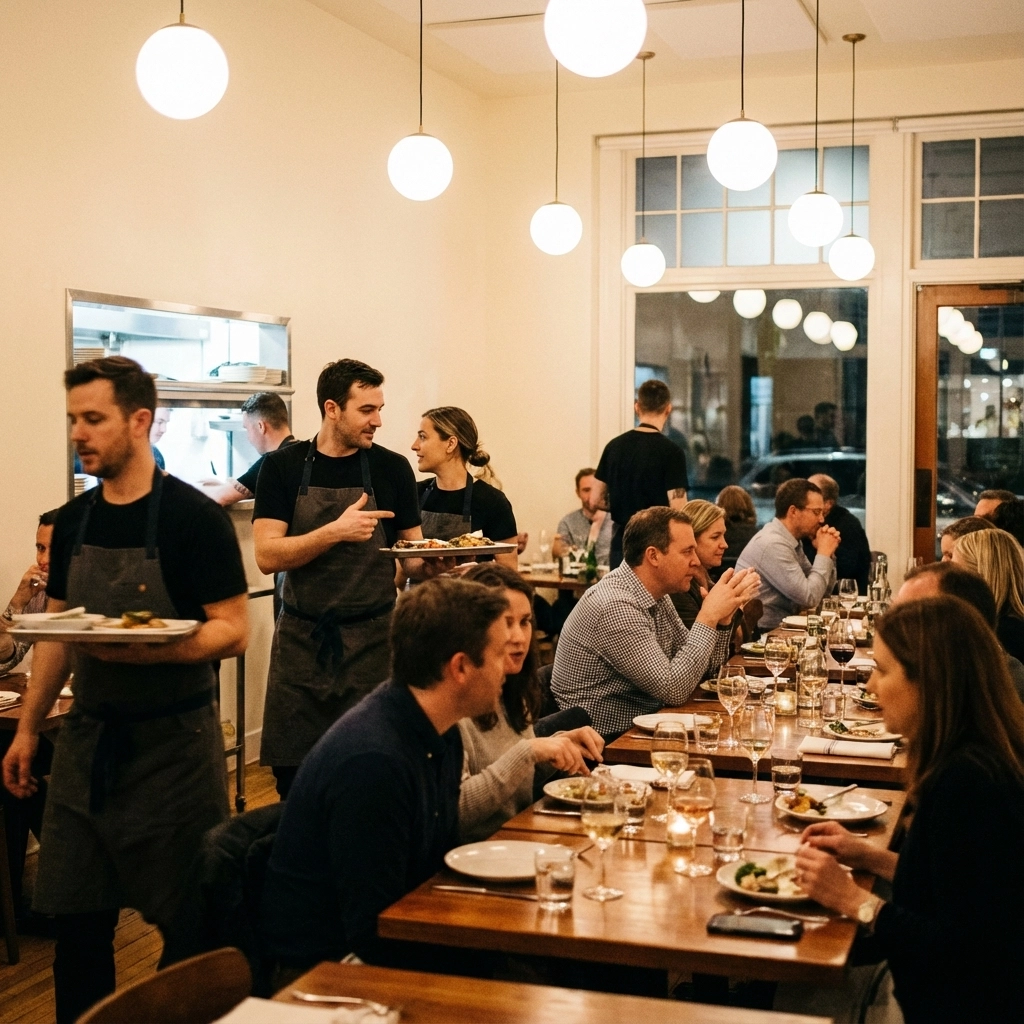
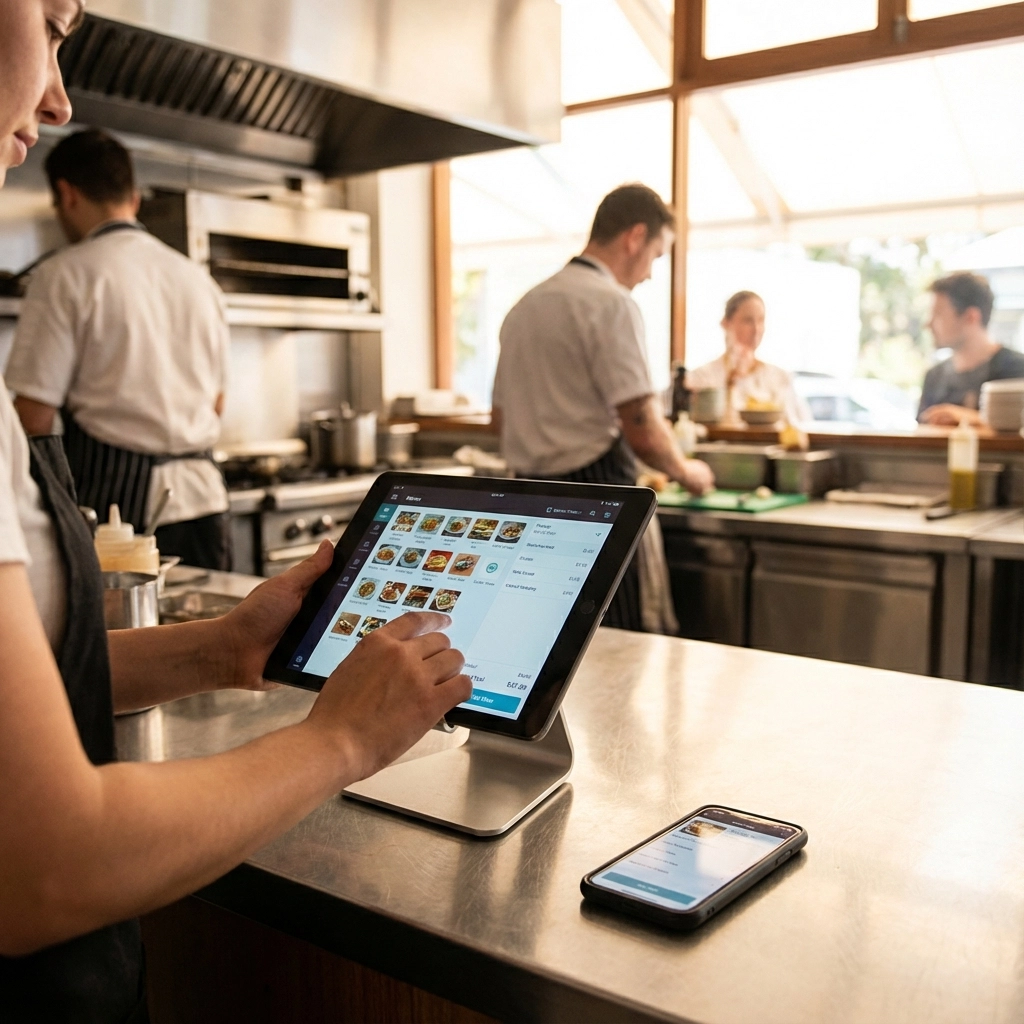
Food truck POS systems integrate with mobile payment processing and GPS tracking. Restaurant technology includes reservation systems, inventory management, and customer loyalty programs.
2025 technology trends favor mobile ordering and contactless payments. Both models benefit from digital marketing and social media engagement strategies.
Capital Requirements Breakdown
Food Truck Initial Investment:
- Vehicle and equipment: $60,000-$120,000
- Permits and licenses: $5,000-$15,000
- Initial inventory: $3,000-$8,000
- Insurance and deposits: $5,000-$12,000
- Marketing and branding: $2,000-$8,000
Restaurant Initial Investment:
- Lease deposits and buildout: $75,000-$300,000
- Kitchen equipment: $40,000-$150,000
- Furniture and fixtures: $25,000-$100,000
- Initial inventory: $8,000-$20,000
- Permits and licenses: $10,000-$25,000
Market Considerations for 2025
Urban markets show 50% higher food truck revenue compared to suburban areas. Restaurant performance varies significantly based on demographic analysis and competition density.
Food truck regulations continue evolving in major metropolitan areas. Restaurant zoning requirements remain stable but increasingly competitive.
Consumer preferences favor convenience and unique dining experiences. Both models address different aspects of current market demands.
Decision Framework
Choose Food Truck Operations When:
- Available capital is limited ($250,000 or less)
- Quick profitability is priority (6-12 months)
- Concept testing is required before major investment
- Operational flexibility is important
- Single-operator business model is preferred
Choose Restaurant Operations When:
- Substantial capital is available ($300,000+)
- Long-term brand building is the objective
- Higher revenue potential justifies extended timeline
- Fixed location benefits outweigh mobility advantages
- Multi-location expansion is planned
Risk Assessment
Food truck operations face weather dependency and location restrictions. Revenue variability requires careful cash flow management. Equipment mobility creates maintenance challenges.
Restaurant operations involve lease obligations and fixed cost structures. Market competition affects customer acquisition costs. Staffing complexity increases operational risk.
Professional Consultation Benefits
McFadden Finch Restaurant Consulting Group provides analysis for both food truck and restaurant ventures. Market research identifies optimal business models for specific circumstances.
Feasibility studies evaluate financial projections and market conditions. Professional guidance reduces startup risks and accelerates time to profitability.
Conclusion
Food truck operations offer faster returns with lower risk exposure. Restaurant operations provide higher revenue potential with increased investment requirements. Success factors include market analysis, adequate capitalization, and operational expertise.
The optimal choice aligns business objectives with available resources and market conditions. Professional consultation ensures informed decision-making and reduces common startup errors.
Hashtags: #FoodTruckConsulting #RestaurantLaunch #BusinessConsulting #RestaurantStartup #FoodServiceBusiness