Source: Alex Barreira, San Francisco Business Times, January 30, 2026
Overview
Monami will open fall 2026 at 2001 Fillmore Street in Pacific Heights. The restaurant represents an expansion for Junsoo and Hyunyoung Bae, owners of Michelin-starred SSAL. The modern Korean steakhouse will occupy the former Noosh location and serve as part of the Upper Fillmore Revitalization Project.
The 3,500-square-foot restaurant will seat 80 guests with two additional private dining rooms accommodating 10 guests each. AvroKO designed the space using veined stone, stainless steel, and concrete with minimal decorative elements.
The SSAL Connection
SSAL earned Michelin recognition for its Korean tasting menu format. Monami shifts to a different operational model: modern Korean steakhouse with tabletop grilling. This represents a strategic diversification of concept types while maintaining quality standards.
Junsoo Bae trained at Meadowood. Hyunyoung Bae trained at French Laundry. Both chefs bring fine dining credentials to a casual dining format. This combination creates a middle-market positioning between traditional Korean BBQ and high-end tasting menus.
Service Model
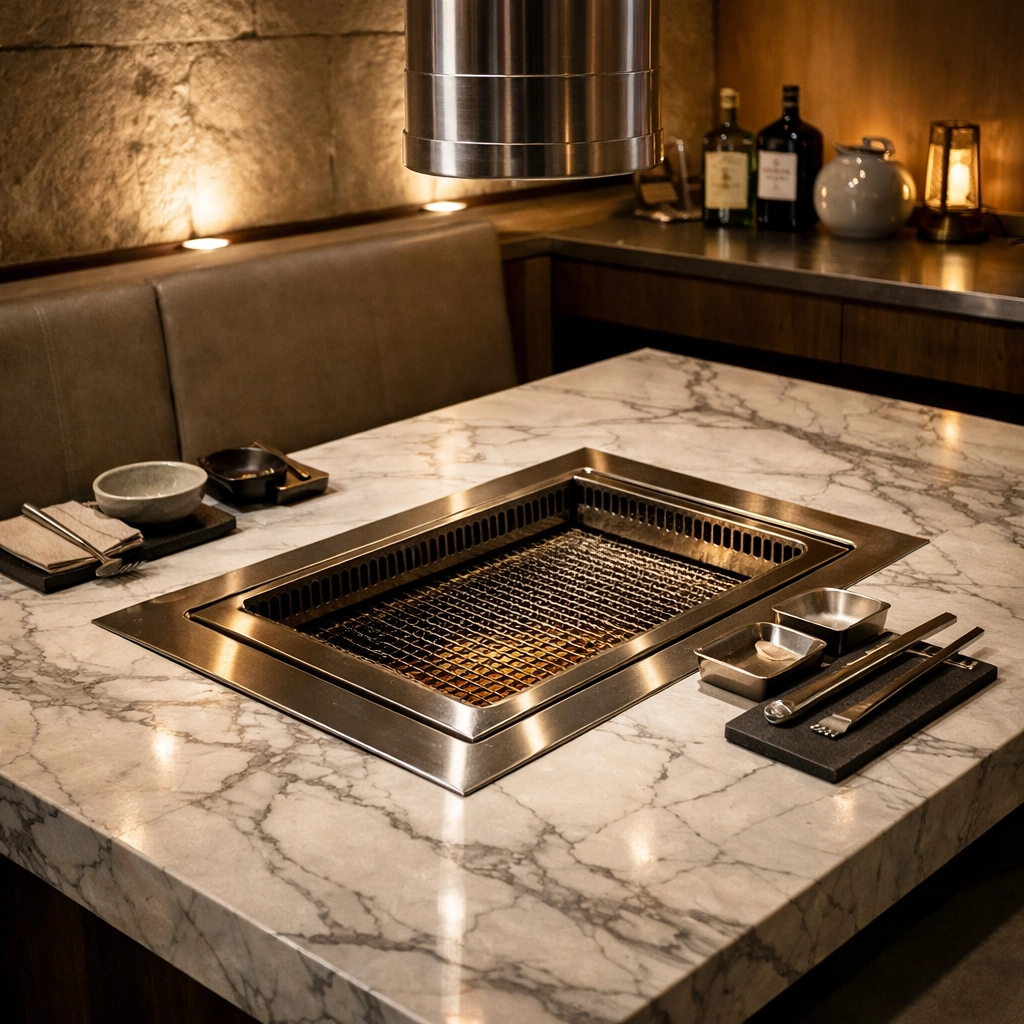
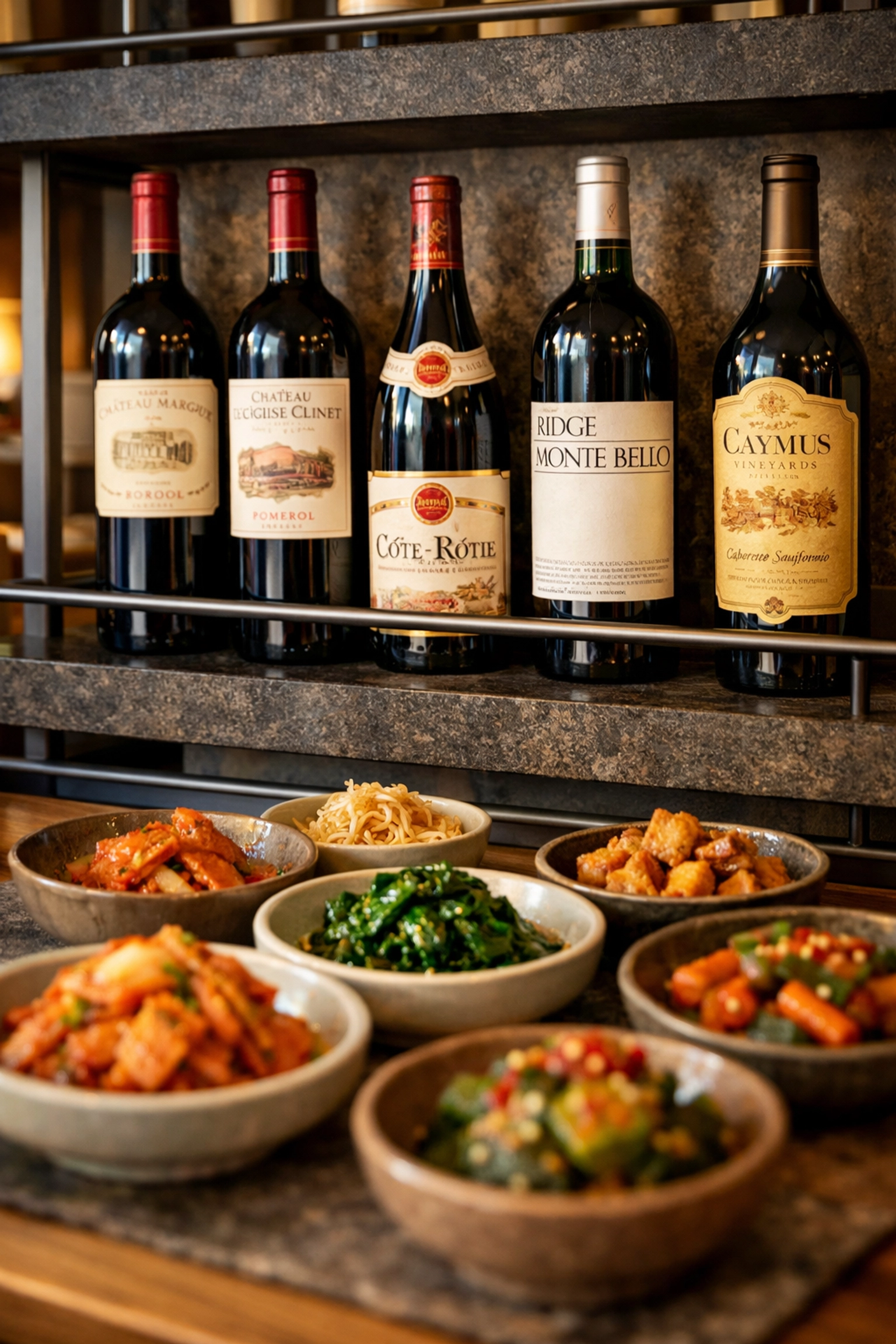
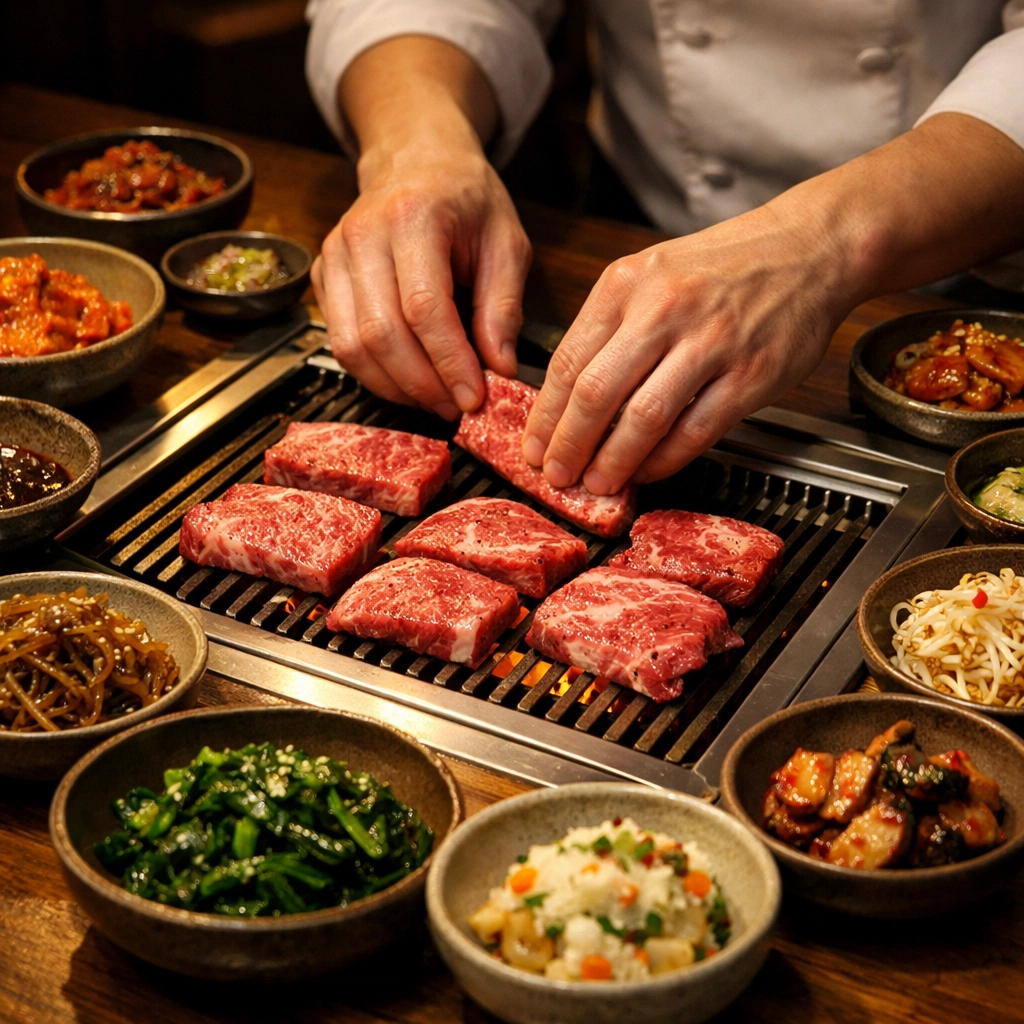
Monami will offer two service options: tasting menu and a la carte. Diners cook prime cuts on tabletop grills. The menu includes traditional banchan side dishes and seasonal seafood selections. This dual-service model allows for both neighborhood regular traffic and special occasion dining.
The operational structure mirrors successful Korean steakhouse formats in major metropolitan markets while incorporating wine-forward beverage programming uncommon in the category.
Wine Program Direction
Giacomo Latona serves as General Manager and Wine Director. The wine program focuses on three categories: Bordeaux, Rhone, and California wines. This selection targets pairings complementary to Korean barbecue flavors.
Wine-forward Korean dining remains underdeveloped in most markets. The beverage program at Monami could establish a template for similar concepts seeking to elevate drink pairings beyond traditional soju and beer service.
For operators considering wine programs in non-traditional formats, this represents a case study in category expansion. The appointment of a dedicated Wine Director signals investment in beverage revenue streams often overlooked in Korean dining concepts.
Upper Fillmore Revitalization Context
The Upper Fillmore Revitalization Project (UFRP) acquired the building at 2001 Fillmore Street as part of a $100 million investment across multiple properties. Neil Mehta initiated the project in 2024, purchasing more than six storefronts along the corridor.
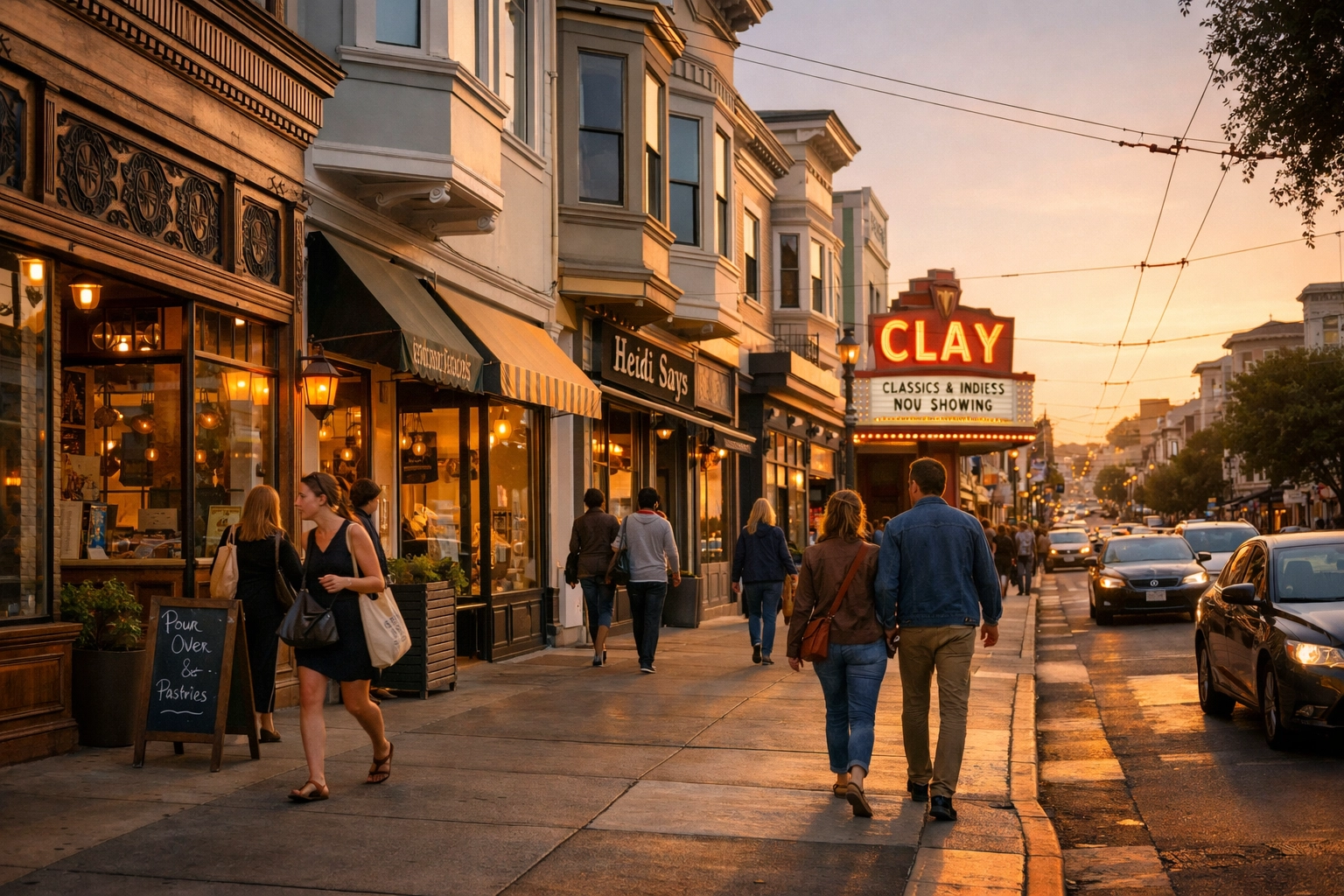
UFRP's stated objective includes reshaping the neighborhood food and beverage tenant mix. The project also includes Clay Theatre restoration with 4K digital projections and upgraded acoustics under director Ted Gerike.
The revitalization effort resulted in tenant changes. La Mediterranee secured a lease extension at 2210 Fillmore Street after initial uncertainty. Ten-Ichi, Starbucks, and Alice + Olivia closed when their leases expired. This turnover pattern indicates selective curation of tenant profiles.
For restaurant operators, the UFRP model demonstrates private investment in commercial corridor transformation. The project prioritizes specific food and beverage operators over conventional retail mix. This creates both opportunity and competitive pressure for prospective tenants.
Design and Spatial Configuration
AvroKO designed the interior using minimalist principles. Materials include veined stone, stainless steel, and concrete. Water features and ceramics provide accent elements. The firm previously designed China Live and the Jay Hotel redesign.
The 3,500-square-foot footprint allocates space for 80 seats in the main dining room. Two private dining rooms serve 10 guests each. This configuration supports both high-volume service and private events revenue.
Tabletop grills require specific ventilation infrastructure and spatial planning. The design must accommodate cooking equipment at each table while maintaining traffic flow and service efficiency. Material selections of stone and stainless steel address durability requirements for high-heat cooking environments.
Operational Implications for Operators
Several operational elements merit analysis:
Concept Positioning: Monami occupies space between traditional Korean BBQ and fine dining Korean cuisine. This positioning addresses gaps in existing market categories.
Neighborhood Integration: The Baes live in Pacific Heights and stated intent to create "a place the neighborhood can truly call its own." This local ownership model differs from expansion-focused restaurant groups entering new territories.
Licensing Structure: An entity affiliated with UFRP executive director Cody Allen applied for full-service liquor licensing through Alphabet of Trees LLC in early 2025. This arrangement suggests collaborative development structure between UFRP and restaurant operators.
Service Format Flexibility: Dual service models (tasting menu and a la carte) allow revenue optimization across different dayparts and customer segments. This operational flexibility supports both lunch and dinner service mentioned in the announcement.
For consulting work related to concept development or design planning, the Monami model provides reference points for similar projects.
Market Timing Considerations
Fall 2026 opening timeline allows for construction, permitting, and staff recruitment. The 18-month development window from announcement to opening represents standard timeline for ground-up restaurant projects in San Francisco.
Pacific Heights maintains stable demographics with higher average household income relative to citywide metrics. This supports pricing models typical of premium steakhouse formats. The neighborhood density provides walk-in traffic potential beyond destination dining visits.
Korean steakhouse concepts have shown growth in major metropolitan markets over the past 36 months. Monami enters this trend with established chef credentials and capital investment backing.
Beverage Revenue Optimization
Wine programs generate higher margins than beer-only service models common in traditional Korean BBQ. The selection of Bordeaux and Rhone varieties suggests premium pricing tiers. California wine inclusion addresses local preferences and supply chain considerations.
Giacomo Latona's dual role as General Manager and Wine Director centralizes operational authority. This structure can improve beverage-food coordination and staff training on pairing recommendations.
For operators evaluating beverage program investment, wine director appointments require assessment of market demographics, average check targets, and staff capability. The Monami model indicates this investment makes sense in upscale neighborhood contexts with sophisticated dining populations.
Infrastructure Requirements
Tabletop grilling requires:
- Individual ventilation at each table
- Gas line infrastructure or alternative fuel systems
- Heat-resistant table materials
- Upgraded fire suppression systems
- Staff training on cooking guidance and safety protocols
These infrastructure elements increase upfront capital costs but enable the interactive dining experience central to the concept. Operators considering similar formats must account for these requirements in feasibility planning.
Neighborhood Competitive Dynamics
The closure of Noosh in 2019 left the 2001 Fillmore location vacant for seven years. This extended vacancy period indicates either challenging lease terms or site-specific operational difficulties. UFRP acquisition and subsequent leasing to an established operator with capitalization suggests modified terms or property improvements.
For operators evaluating locations with extended vacancy periods, partnership with active revitalization initiatives can mitigate historical site challenges through property improvements and coordinated marketing.
The Pacific Heights corridor will include both Monami and the restored Clay Theatre. This combination supports evening traffic generation through entertainment-dining sequences. Operators should consider proximity to complementary uses when evaluating sites.
Conclusion
Monami demonstrates several operational principles: chef-driven concepts in casual formats, wine program investment in non-traditional categories, neighborhood-focused positioning with destination appeal potential, and collaborative development with property revitalization initiatives.
The fall 2026 opening will provide performance data on modern Korean steakhouse formats in San Francisco's premium neighborhood markets. This case study has applications for operators considering similar concept development, site selection in revitalization zones, or wine program expansion in ethnic dining categories.
For operators requiring support with restaurant planning or operational optimization, contact McFadden Finch Restaurant Consulting Group.