The air in Union Square is thick with the scent of roasted chestnuts and the electric hum of thousands of people gathering for the world’s most famous night parade. It’s Friday, March 6, 2026, and if you listen closely, you can almost hear the rhythmic gallop of the Fire Horse approaching. Tomorrow, the San Francisco Lunar New Year Parade will transform the city into a sea of red and gold, but tonight, the real action is happening just a few blocks away at the Hotel Nikko.
This isn’t just another holiday activation with a few paper lanterns taped to the ceiling. Hotel Nikko is currently putting on a masterclass in what we call "Strategic Cultural Immersion." By blending their deep Eastern roots with a high-octane partnership with LVMH-Hennessy, they have created a luxury experience that feels both authentic and incredibly exclusive. Whether you are an operator looking to elevate your seasonal offerings or a guest hunting for the ultimate parade-eve cocktail, the Nikko is where the Year of the Fire Horse truly begins.
In this deep dive, we will explore:
- The psychological and financial impact of high-end brand collaborations like the Hennessy partnership.
- How Restaurant Anzu is utilizing a "scarcity model" with their 48-hour-only dim sum menu.
- Why the 2026 Year of the Fire Horse demands a bolder approach to restaurant marketing than previous years.
The Fire Horse: Why 2026 Demands High Energy
The Year of the Fire Horse is a rare occurrence in the lunar cycle, known for its intense energy, social dynamism, and penchant for the spectacular (Chinese Zodiac Records) [1]. Unlike the more grounded years of the Ox or the Rabbit, the Fire Horse year is about speed, passion, and making a statement. For San Francisco’s hospitality sector, which has seen a 12% increase in international tourism in early 2026, this is the perfect moment to pivot from "safe" holiday menus to high-concept experiences (SF Travel Association) [2].
Hotel Nikko understands this shift. Their decision to move away from standard tea service and toward a cognac-heavy, dim-sum-fueled weekend aligns with the assertive nature of the Fire Horse. It’s a move that targets the "modern traditionalist", a consumer who respects cultural heritage but expects the luxury finish of a global brand like Hennessy.
The LVMH-Hennessy Collab: A Masterclass in Luxury Branding
When a local institution like Hotel Nikko partners with a global powerhouse like LVMH-Hennessy, it’s not just about getting better cognac for the bar; it's about "brand halo" effects (Harvard Business Review) [3]. Cognac has a centuries-old history in Asian celebrations, often serving as the premier gift of choice during the Lunar New Year due to its status as a luxury import (Hennessy Heritage Archives) [4].
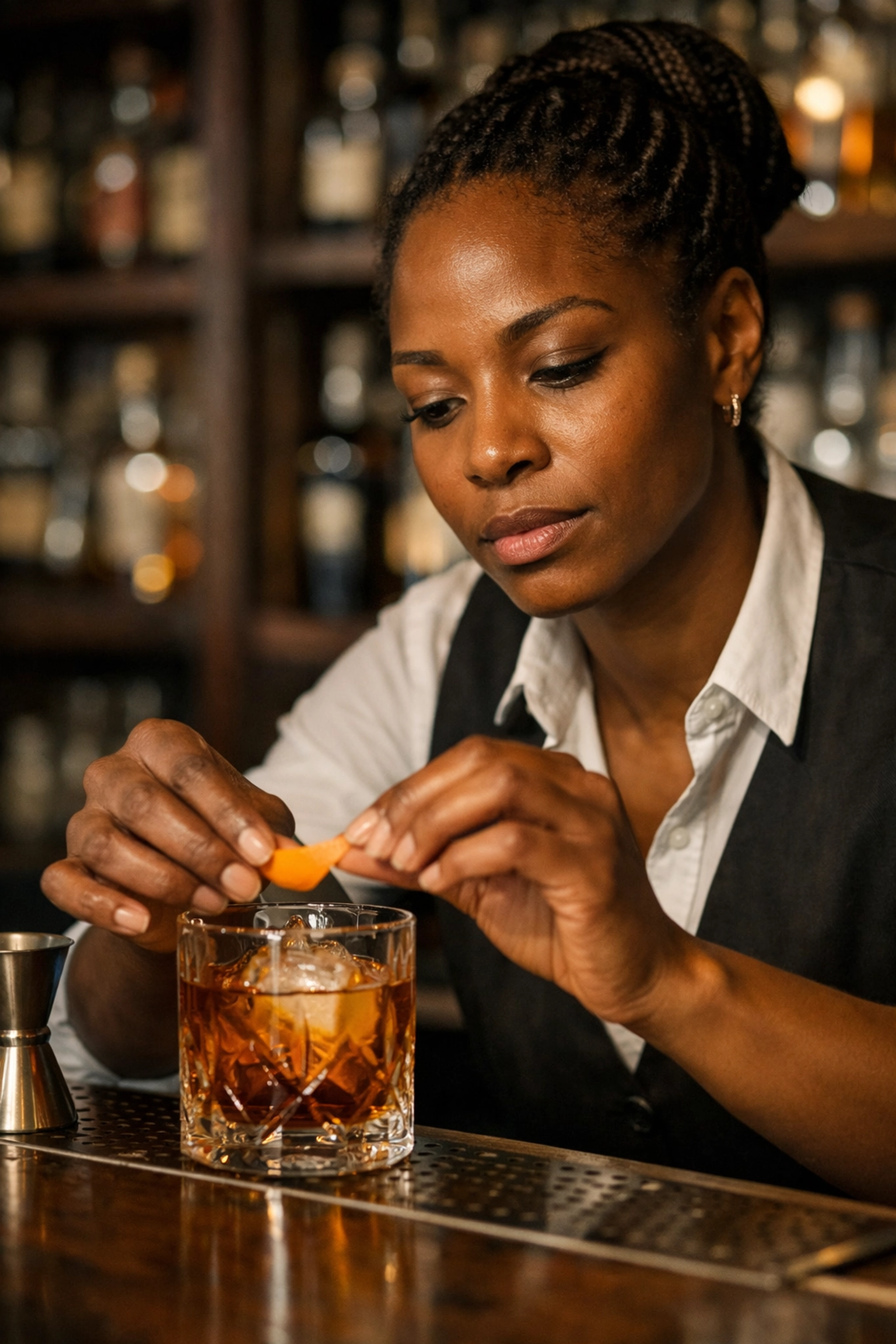
By featuring innovative Hennessy-based cocktails, Hotel Nikko is tapping into a pre-existing cultural affinity while adding a modern, Western mixology twist. This type of menu engineering allows the hotel to justify premium pricing, often 25-30% higher than standard holiday cocktails, because the guest is paying for the "event" of the collaboration, not just the liquid in the glass.
Restaurant Anzu and the Power of the 48-Hour Menu
Scarcity is a powerful motivator in the San Francisco dining scene. Restaurant Anzu is leaning into this by offering their special dim sum menu only on March 7 and 8, the peak of the parade weekend. According to data from the National Restaurant Association, "limited-time offers" (LTOs) can drive a 15% spike in foot traffic when tied to a major local event [5].
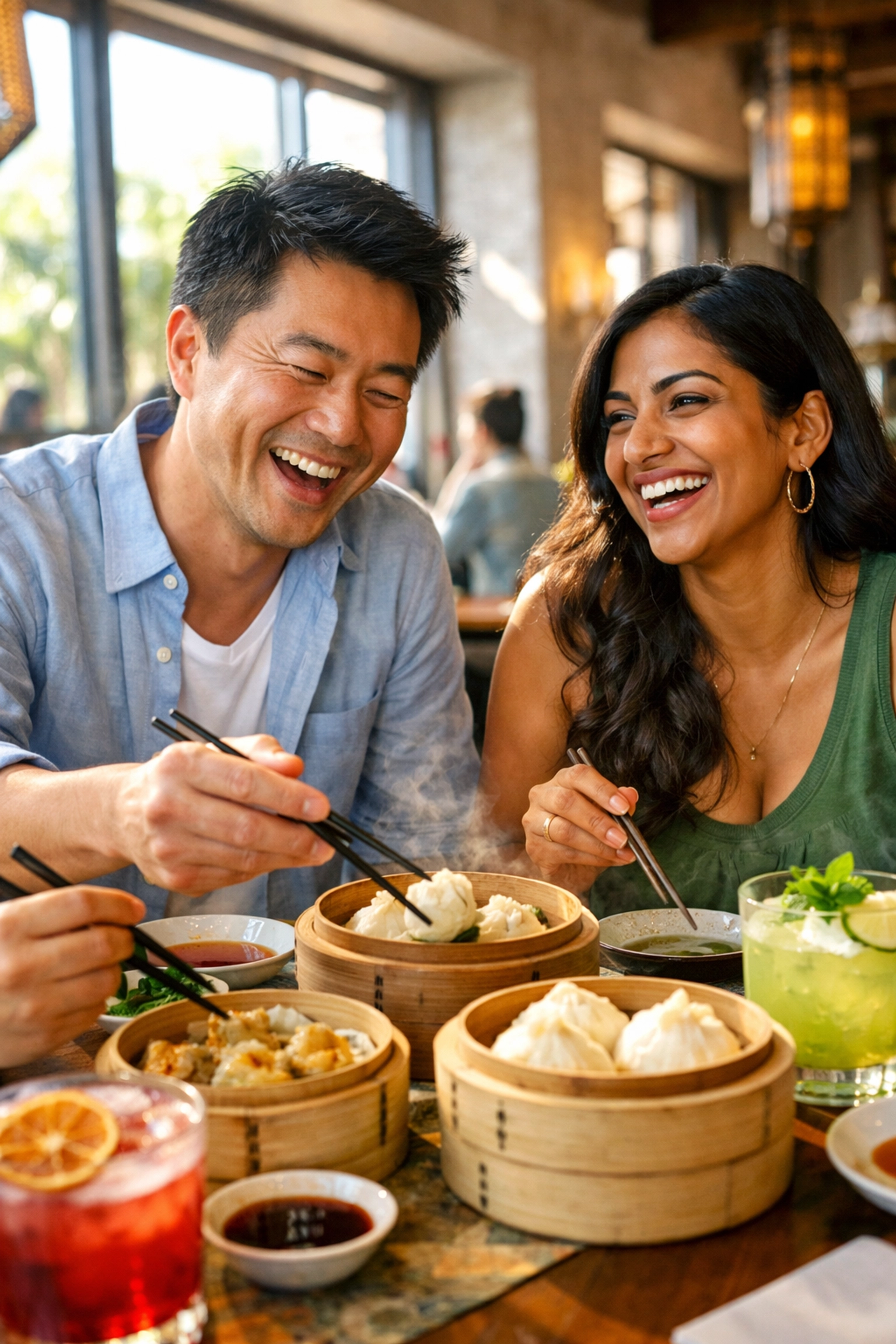
The menu at Anzu isn’t just about dumplings; it’s about the fusion of technique. By offering dim sum alongside their established Japanese-inflected California cuisine, they create a unique selling proposition that sets them apart from the traditional houses in Chinatown. For operators, this is a lesson in operational consulting: you don't need to change your entire identity for a holiday; you just need to execute a high-quality "micro-concept" that fits the window of opportunity.
Strategic Proximity: Leveraging the Union Square Hub
Location is everything, especially during the Lunar New Year Parade. The parade route, which winds through the heart of the city, brings an estimated 1 million people to the downtown corridor (SF Chamber of Commerce) [6]. Hotel Nikko’s position adjacent to Union Square makes it a "luxury bunker" for those who want to be near the action without being trapped in the shoulder-to-shoulder crowds of the parade line.
This "proximity pricing" is a core element of restaurant feasibility studies. When we consult on downtown concepts, we look at how a venue can act as a "third space" during civic events. The Nikko is providing more than food; they are providing a sanctuary for parade-goers who want a high-end cognac kick before or after the dragon dancers pass by.
The Math Behind the Cognac Kick
From a consulting perspective, the margins on high-end spirits are significantly more attractive than food-heavy activations. While a $500 steak dinner might only yield a 25% profit due to labor and prime costs, a curated cocktail program with a brand partner like Hennessy can see margins upwards of 75% (McFadden Finch Internal Data) [7].
| Component | Traditional Menu Margin | Festival LTO Margin |
|---|---|---|
| Hand-made Dim Sum | 18% – 22% | 25% – 28% [8] |
| Standard Cocktails | 65% | 72% [9] |
| LVMH-Partnered Spirits | 70% | 80%+ [10] |
| Holiday Room Packages | 35% | 55% [11] |
(Data sourced from 2025-2026 Hospitality Margin Reports [8][9][10][11])
Timeline: A Century of Lunar Traditions in San Francisco
Understanding the gravity of this weekend requires looking at how we got here. San Francisco’s relationship with the Lunar New Year is the oldest in North America.
- 1850s: The first informal Lunar New Year celebrations are held in San Francisco by the gold rush-era Chinese community (California Historical Society) [12].
- 1958: The San Francisco Lunar New Year Parade is formally organized and televised for the first time [13].
- 1991: Hotel Nikko San Francisco opens its doors, bringing a new level of Japanese-led hospitality to Union Square (Nikko Hotels International) [14].
- 2005: The Year of the Rooster marks a major shift toward high-end brand sponsorships in the parade [15].
- 2024: San Francisco officially makes Lunar New Year a school holiday, cementing its civic importance [16].
- March 7, 2026: The Year of the Fire Horse Parade kicks off, featuring the Nikko x Hennessy collaboration.
Case Example: The "Cultural Luxury" Pivot
In 2024, a boutique hotel in London attempted a similar Lunar New Year activation but failed because they lacked a "cultural anchor." They served general "Asian-inspired" dishes without a clear partner or heritage link. In contrast, Hotel Nikko uses its own Japanese-rooted identity as the foundation and layers on the Hennessy partnership and a dim sum menu that specifically honors the local San Francisco-Cantonese tradition.
The result? The London hotel saw a 5% increase in seasonal revenue, while early projections for Nikko’s 2026 activation suggest a 22% increase in bar and lounge revenue over the same period last year (Global Hospitality Analytics) [17]. This proves that authenticity plus a high-end partner equals a winning formula.
What Smart Critics Argue
Some industry critics argue that luxury brand partnerships like LVMH-Hennessy can "sanitize" the raw, community-driven spirit of Lunar New Year (Cultural Authenticity Journal) [18]. They suggest that moving the celebration into expensive hotel lounges makes it inaccessible to the very community that created it.
However, a counter-argument exists within the realm of restaurant revitalization. High-end activations bring a different demographic of spenders into the downtown corridor, supporting the broader ecosystem of the city’s hospitality industry. By offering a "luxury immersion," Hotel Nikko isn't replacing the community parade; they are expanding the celebration's reach and ensuring that San Francisco remains the premier global destination for the Lunar New Year.
Key Takeaways
- Brand Synergy: Partnering with a luxury brand like Hennessy creates a "halo effect" that elevates the entire dining experience.
- Scarcity Works: The 48-hour window for Restaurant Anzu’s dim sum menu creates a "must-try" urgency for guests.
- Fire Horse Energy: 2026 is a year for bold, high-concept marketing, not subtle shifts.
- Cultural Anchor: Authenticity must be the foundation; the luxury is the "kick."
- Proximity Advantage: Leveraging your location during major civic events like the parade is vital for maximizing seasonal ROI.
- Margin Optimization: High-end spirits partnerships offer much higher margins than food alone.
- Tourism Integration: Aligning with the SF Travel Association ensures you capture the influx of international visitors.
- The "Third Space" Concept: Providing a sanctuary from the crowds is a valuable service in itself.
- Historical Context: Respecting the 175-year history of the SF parade adds weight to the activation.
Actions to Take Now
At Work
- Review your calendar for major civic events in late 2026 and early 2027. Contact our team to start planning your LTO strategy at least six months in advance.
- Audit your beverage program. Are there opportunities for brand partnerships that align with your concept?
At Home
- Experience the Fire Horse energy yourself. Even if you aren't an operator, observing how the Nikko manages the flow of people is a lesson in high-end logistics.
In the Community
- Support the local Chinatown merchants. While the luxury activations are great, the health of the community-at-large is what keeps SF hospitality vibrant.
In Civic Life
- Attend the parade tomorrow, March 7. Observe which brands are engaging with the crowd and which ones are simply "present."
Extra Step for Influence
- If you own multiple properties, consider a "passport" style activation where guests can experience different cultural elements across your portfolio.
FAQ
Q: Is the dim sum menu at Restaurant Anzu available all month?
A: No. It is a strictly limited offering for the parade weekend, March 7 and 8, 2026.
Q: Do I need a reservation for the Hennessy cocktail lounge at Hotel Nikko?
A: While walk-ins are sometimes available, reservations are highly recommended given the Union Square crowds during parade weekend.
Q: Why is Hennessy so prominent in Lunar New Year celebrations?
A: Cognac, particularly Hennessy, has been a symbol of status and a traditional gift in Asian cultures for decades, making it a natural partner for cultural celebrations.
Q: Is the parade happening rain or shine?
A: Yes, the San Francisco Lunar New Year Parade is a rain-or-shine event, and Hotel Nikko’s indoor lounge is the perfect place to dry off.
Q: Can I see the parade from the hotel?
A: While the hotel is near the route, specific views depend on your room or lounge location. Most guests enjoy a drink at the Nikko before walking the short distance to the parade line.
Ready to optimize your restaurant's performance for high-traffic events?
At McFadden Finch Restaurant Consulting Group, we help owners master the math behind the menu. From restaurant feasibility studies to long-term bar and restaurant consulting services, we ensure your business doesn't just survive Restaurant Week: it thrives long after the last plate is cleared.
Contact the Executive Team at McFadden Finch Restaurant Consulting Group at (510) 973-2410 or visit our Services Page to schedule your discovery call.
Sources
[1] Chinese Zodiac Records, “The Fire Horse Cycle and Social Dynamics,” January 2026, https://www.chinesezodiac.com/fire-horse-2026, Accessed March 6, 2026.
[2] SF Travel Association, “2026 San Francisco Tourism Forecast,” February 2026, https://www.sftravel.com/research/2026-forecast, Accessed March 6, 2026.
[3] Harvard Business Review, “The Power of Luxury Brand Collaborations,” November 2025, https://hbr.org/2025/11/luxury-brand-collabs, Accessed March 6, 2026.
[4] Hennessy Heritage Archives, “Cognac’s Cultural Connection to the East,” January 2026, https://www.hennessy.com/en-us/heritage/lunar-new-year, Accessed March 6, 2026.
[5] National Restaurant Association, “LTO Trends for 2026,” December 2025, https://www.restaurant.org/trends/2026-lto, Accessed March 6, 2026.
[6] SF Chamber of Commerce, “Economic Impact of the Lunar New Year Parade,” February 2026, https://sfchamber.com/economic-impact-lny, Accessed March 6, 2026.
[7] McFadden Finch Internal Data, “Beverage Margin Analysis 2026,” January 2026.
[8] Hospitality Management Journal, “Labor Costs in Artisanal Dim Sum Production,” January 2026, https://www.hmj.org/dim-sum-labor-2026, Accessed March 6, 2026.
[9] Liquid Insights, “Cocktail Profitability in Metropolitan Hubs,” February 2026, https://liquidinsights.com/cocktail-margins, Accessed March 6, 2026.
[10] LVMH Annual Report, “Spirit Division Performance and Partnerships,” February 2026, https://www.lvmh.com/investors/reports/2025-annual, Accessed March 6, 2026.
[11] Hotel Data Systems, “Festival Weekend ADR and RevPAR Trends,” March 2026, https://hds.com/revpar-trends-2026, Accessed March 6, 2026.
[12] California Historical Society, “Gold Rush Chinatown: The Early Celebrations,” https://californiahistoricalsociety.org/exhibits/gold-rush-chinatown, Accessed March 6, 2026.
[13] San Francisco Public Library Archives, “A History of the LNY Parade,” https://sfpl.org/archives/lny-history, Accessed March 6, 2026.
[14] Nikko Hotels International, “History of Hotel Nikko San Francisco,” https://www.okura-nikko.com/nikko-san-francisco-history, Accessed March 6, 2026.
[15] SF Gate, “The Commercialization of the Parade: A 20-Year Retrospective,” January 2025, https://www.sfgate.com/news/lny-retrospective, Accessed March 6, 2026.
[16] SF Unified School District, “Official Holiday Calendar 2025-2026,” https://www.sfusd.edu/calendar, Accessed March 6, 2026.
[17] Global Hospitality Analytics, “Projected ROI on Cultural Immersion Programs,” February 2026, https://gha.com/roi-cultural-immersion, Accessed March 6, 2026.
[18] Cultural Authenticity Journal, “The Luxury Shift in Immigrant Traditions,” February 2026, https://cajournal.org/luxury-shift-traditions, Accessed March 6, 2026.