
San Francisco's restaurant scene has seen its share of openings, but few arrive with the kind of intentionality and personal narrative that Maria Isabel brings to Presidio Heights this year. Set to open at 500 Presidio Avenue, this 56-seat restaurant from the team behind Dalida represents something more significant than another new concept: it's a case study in heritage-driven hospitality done right.
When Personal History Meets Market Strategy
Maria Isabel isn't a pivot. It's an expansion rooted in authenticity. The Dalida team has built their reputation on Mediterranean cuisine in the Presidio, and this new venture channels that same commitment to craft while exploring different culinary traditions entirely. The concept draws directly from chef Laura Ozyilmaz's early life in Guerrero, Mexico, and her father's Sinaloa roots: childhood memories translated into a contemporary fine dining framework.
This approach matters in 2026's restaurant landscape. Operators face increasing pressure to differentiate in oversaturated markets, and Maria Isabel demonstrates how personal narrative can serve as both creative foundation and strategic advantage. Rather than chasing trends or attempting to be everything to everyone, the restaurant celebrates specific regional Mexican traditions: aguachile, chilorio, machaca: reimagined with seasonal California ingredients.
The Neighborhood-First Growth Model
What makes this opening particularly relevant for industry observers is the strategic geography. Instead of expanding into high-traffic tourist corridors or established restaurant clusters, the Dalida team chose Presidio Heights: a residential neighborhood with strong community ties and less competition for fine dining concepts.
This neighborhood-first approach reflects a broader shift in San Francisco's restaurant ecosystem. While legacy operators in high-rent districts face mounting pressure, concepts that embed themselves in residential communities often build more sustainable customer bases. Regular neighborhood diners provide consistent revenue that tourist-dependent restaurants can't replicate.
For operators considering expansion or new concepts, Maria Isabel offers a template: establish credibility with your first location, then grow strategically into underserved neighborhoods where you can build loyalty rather than compete for foot traffic.
Traditional Techniques Meet Local Sourcing
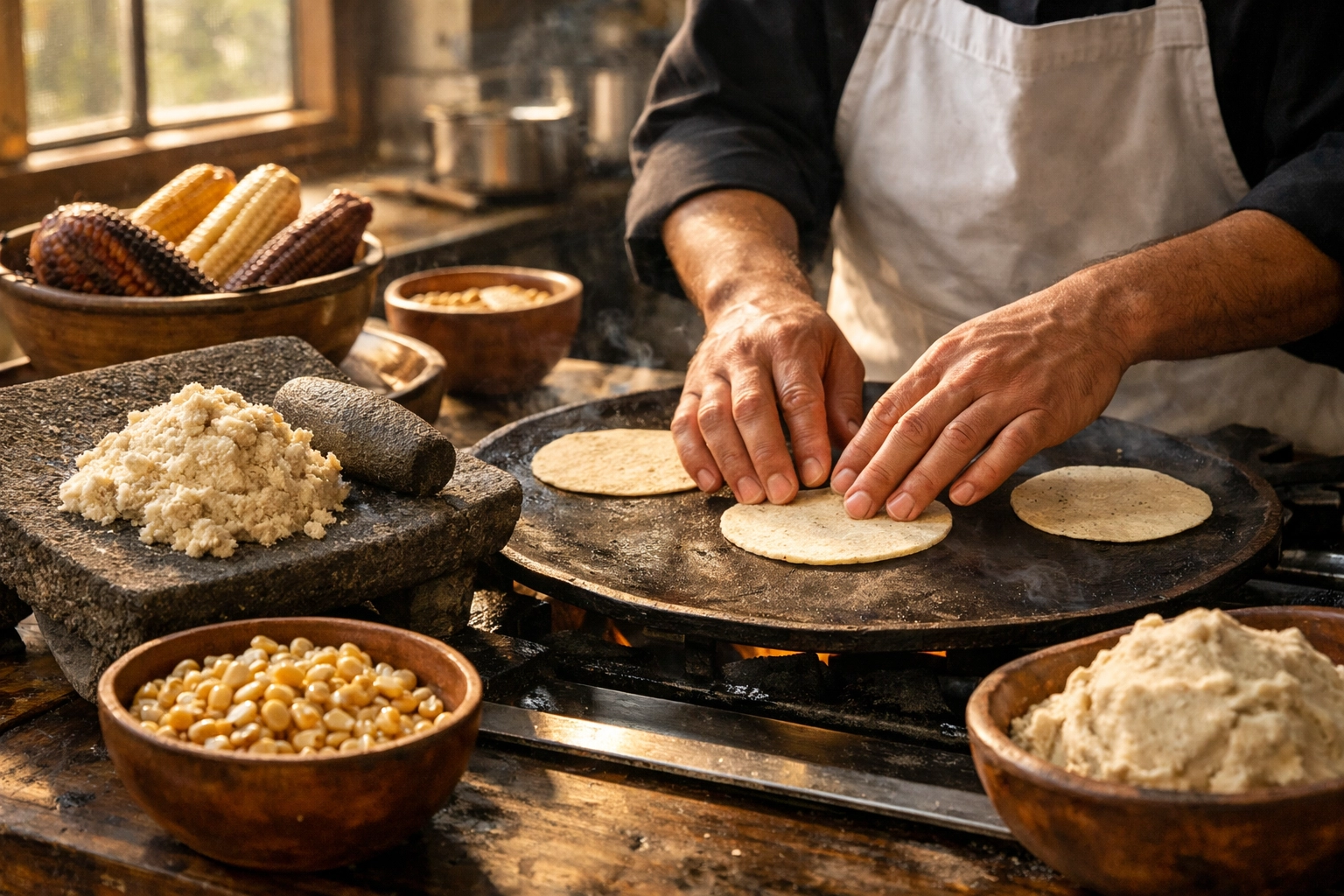
The menu at Maria Isabel demonstrates a commitment to authenticity that extends beyond recipes. The kitchen will nixtamalize local corn in-house for fresh tortillas: a labor-intensive traditional process that most restaurants outsource or skip entirely. This isn't performative; it's fundamental to the product quality.
Ingredient sourcing further grounds the concept in California's agricultural ecosystem. Partnerships with purveyors like Toscano Farms, Zerate Farms, and Iacopi Farms mean the menu will shift with seasons while maintaining its regional Mexican identity. This dual commitment: to traditional preparation methods and local ingredient integrity: creates a distinct value proposition that justifies fine dining pricing in a market increasingly skeptical of empty concepts.
Design as Narrative Extension
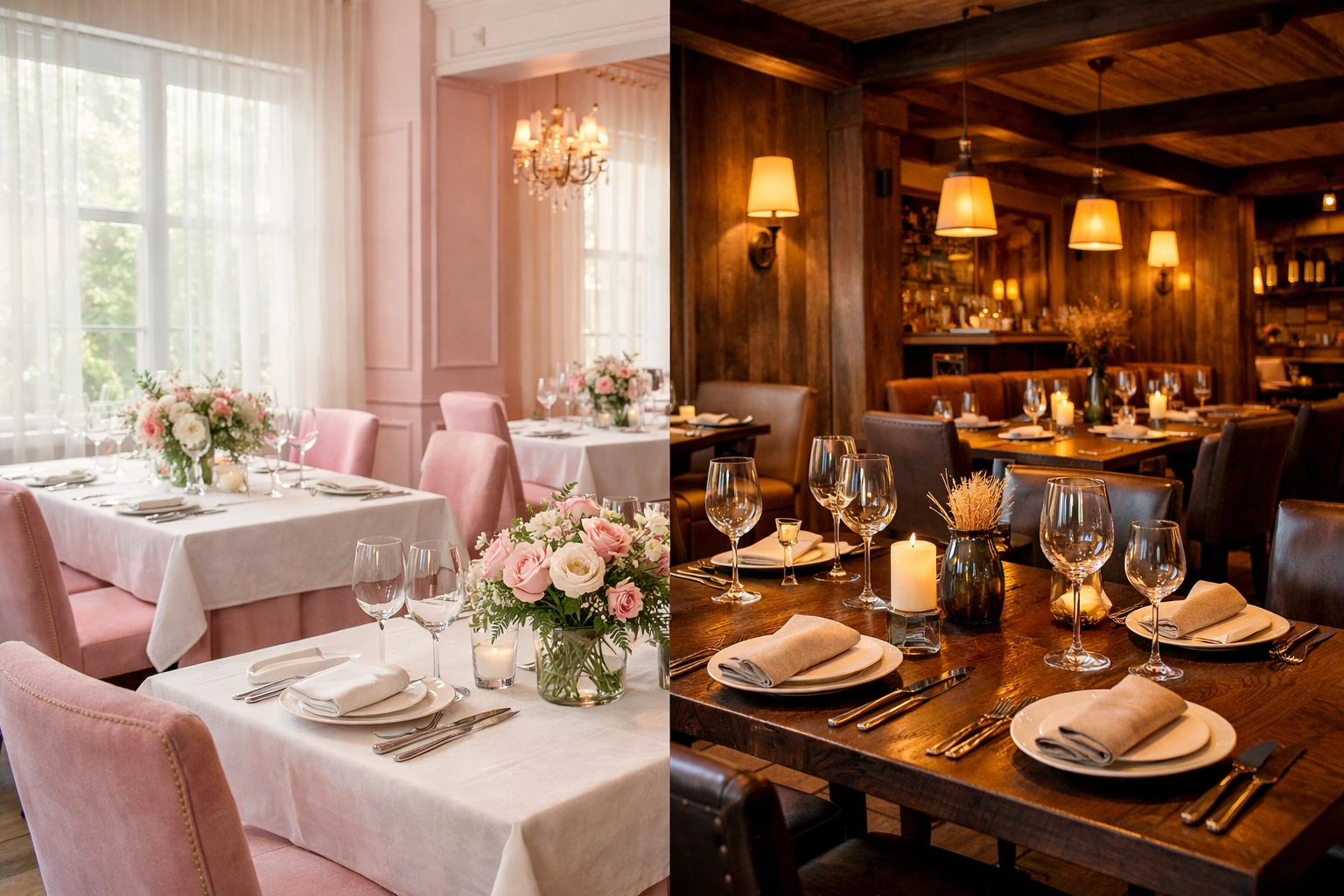
The physical space reinforces the restaurant's personal foundation. Designer Jenne Wicht of JAK W created two distinct dining sections: one bright and pink, the other grounded in earthy tones and wood accents. These aren't arbitrary aesthetic choices: each section represents a family member, extending the restaurant's narrative into the built environment.
This level of intentional design matters more than many operators realize. In competitive markets, the complete experience: not just the food: determines whether a concept becomes a neighborhood institution or another closure statistic. When design, menu, and service all communicate the same cohesive story, customers feel that coherence even if they can't articulate why.
Beverage Programs That Push Beyond Expected Categories
Wine Director Jerry McGie's program showcases California winemakers alongside underrepresented regions like Baja California and Querétaro: choices that complement the menu's regional focus while introducing diners to producers they likely haven't encountered elsewhere.
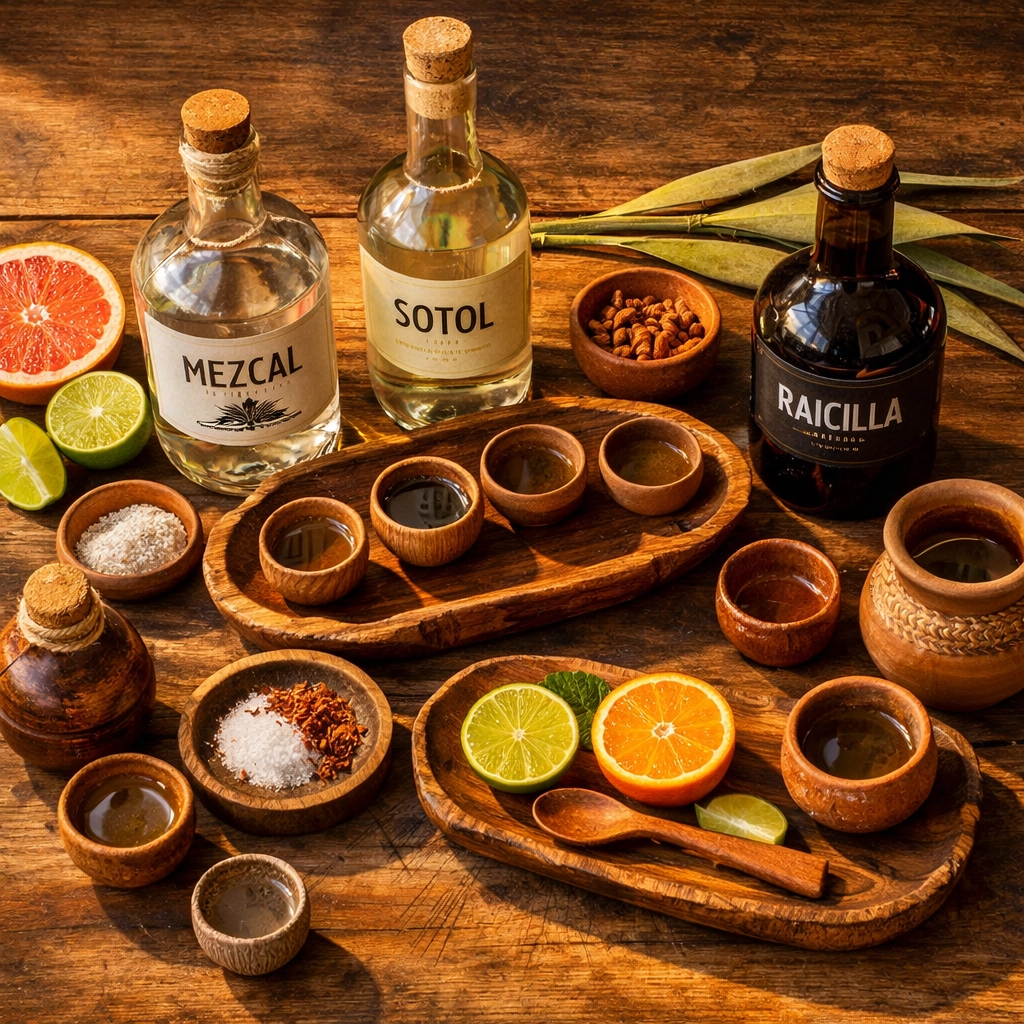
The bar program, developed by Consulting Bar Director Evan Williams, moves deliberately beyond tequila to feature mezcal, sotol, bacanora, raicilla, and traditional drinks like chilate. This approach demonstrates sophisticated category knowledge and creates opportunity for staff education and customer engagement: both critical for building repeat business in fine dining.
For operators, the beverage strategy here is worth studying. Rather than defaulting to the expected (tequila and margaritas for a Mexican concept), Maria Isabel uses spirits as another layer of regional storytelling. This creates both differentiation and higher check averages through intentional curation.
Why This Model Works in 2026
Maria Isabel arrives at a moment when San Francisco's restaurant industry faces simultaneous challenges: rising costs, persistent labor shortages, and changing consumer expectations about value. Yet this concept demonstrates several strategic advantages that position it for success:
Clear Differentiation: In a city with countless Mexican restaurants, Maria Isabel's regional specificity and fine dining execution create distinct positioning.
Operational Credibility: The Dalida team brings proven execution and an established reputation, reducing the risk profile that sinks many new concepts.
Strategic Location: Presidio Heights offers lower rent than high-traffic corridors while providing access to affluent diners seeking neighborhood destinations.
Authentic Narrative: The personal heritage foundation creates marketing differentiation and staff buy-in that manufactured concepts can't replicate.
Category Innovation: Fine dining Mexican cuisine remains underrepresented in San Francisco, creating white space in a crowded market.
What Operators Can Learn
Maria Isabel's approach offers several takeaways for anyone evaluating new concepts or expansions:
Heritage Creates Competitive Advantage: Authentic personal connection to cuisine type provides both creative direction and marketing authenticity that focus groups can't manufacture.
Neighborhood Strategy Reduces Risk: Residential areas with underserved fine dining markets offer more sustainable economics than tourist-dependent locations.
Technique Matters: Investment in traditional preparation methods (like nixtamalization) creates product differentiation that justifies premium pricing.
Complete Experience Design: When menu, design, beverage programs, and service all reinforce the same narrative, the concept feels cohesive and intentional.
Category Expansion Over Replication: Rather than opening a second Dalida, the team explored different cuisine while maintaining their standards for execution and hospitality.
Tracking High-Potential Concepts
The Executive Team at McFadden Finch Restaurant Consulting Group monitors openings like Maria Isabel because they signal broader market shifts and demonstrate strategic approaches worth studying. Whether you're evaluating a new concept, planning an expansion, or analyzing competitive positioning, understanding why certain restaurants generate anticipation helps inform better decisions.
If you're developing a new restaurant concept or evaluating the feasibility of expansion into new neighborhoods, the strategic principles behind Maria Isabel's approach: heritage-driven differentiation, neighborhood-first location strategy, and commitment to traditional techniques: offer a framework worth considering.
The Executive Team provides comprehensive feasibility analysis, concept development, and market positioning strategy for restaurant operators throughout the Bay Area. Contact our team to discuss how strategic planning can position your concept for sustainable success in competitive markets.
Keywords: #MariaIsabelSanFrancisco #DalidaRestaurantSF #PacificHeightsRestaurants #RestaurantFeasibilitySF #SFRestaurantConsulting