Beyond the Plate: Why Your Prep Clock is More Important Than Your Scale in the Modern Kitchen
For decades, the golden rule of restaurant management was simple: keep your food cost percentage between 28% and 32%, and you were likely in the clear. But as we move through 2026, that old math is failing. In a world where California’s fast-food minimum wage hit $20 an hour years ago and full-service labor costs continue to climb across the country, a low food cost is no longer a guarantee of profit [1].
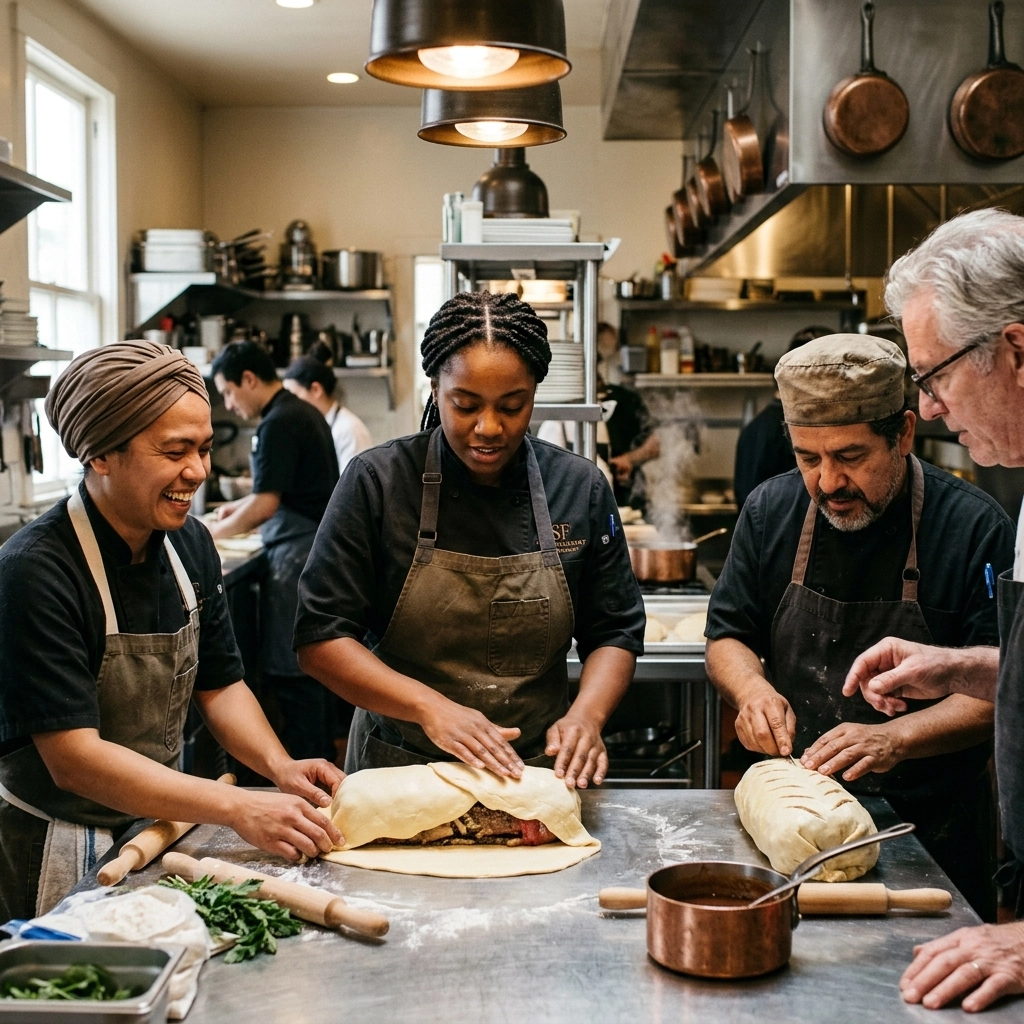
Imagine a "Signature Hand-Pulled Duck Confit Ravioli." The ingredients cost exactly $4.50. You sell it for $18. On paper, that’s a 25% food cost, a "winner" by every traditional metric. But that dish requires a prep cook to spend three hours hand-shredding meat and folding pasta for a single service. When you factor in the labor cost, that "profitable" dish is actually bleeding your business dry.
This post will guide you through the transition from tracking ingredients to tracking "Labor Minutes per Dish." You will learn:
- Why food cost percentage is only half the story in 2026.
- How to identify and eliminate "hidden minutes" in your kitchen.
- A 3-step menu efficiency audit to find your True COGS.
The 2026 Margin Crisis: Why 30% Food Cost Is a Myth
In the current economic climate, labor has overtaken food as the most volatile variable in the P&L statement. According to the National Restaurant Association’s 2026 State of the Industry report, labor costs now account for an average of 34% to 38% of total revenue for full-service establishments [2]. When you combine that with food costs, the "Prime Cost" often hovers dangerously close to 65% or 70% if left unmanaged [3].
The problem is that traditional accounting separates these two. You see food costs in one bucket and labor in another. But in 2026, the most successful operators are treating them as a single unit: True COGS (Labor + Food). If a dish is cheap to buy but expensive to make, it isn't a bargain; it’s a liability. At McFadden Finch Restaurant Consulting Group, we have seen that restaurant turnarounds often hinge on this single realization.
Identifying the "Hidden Minutes"
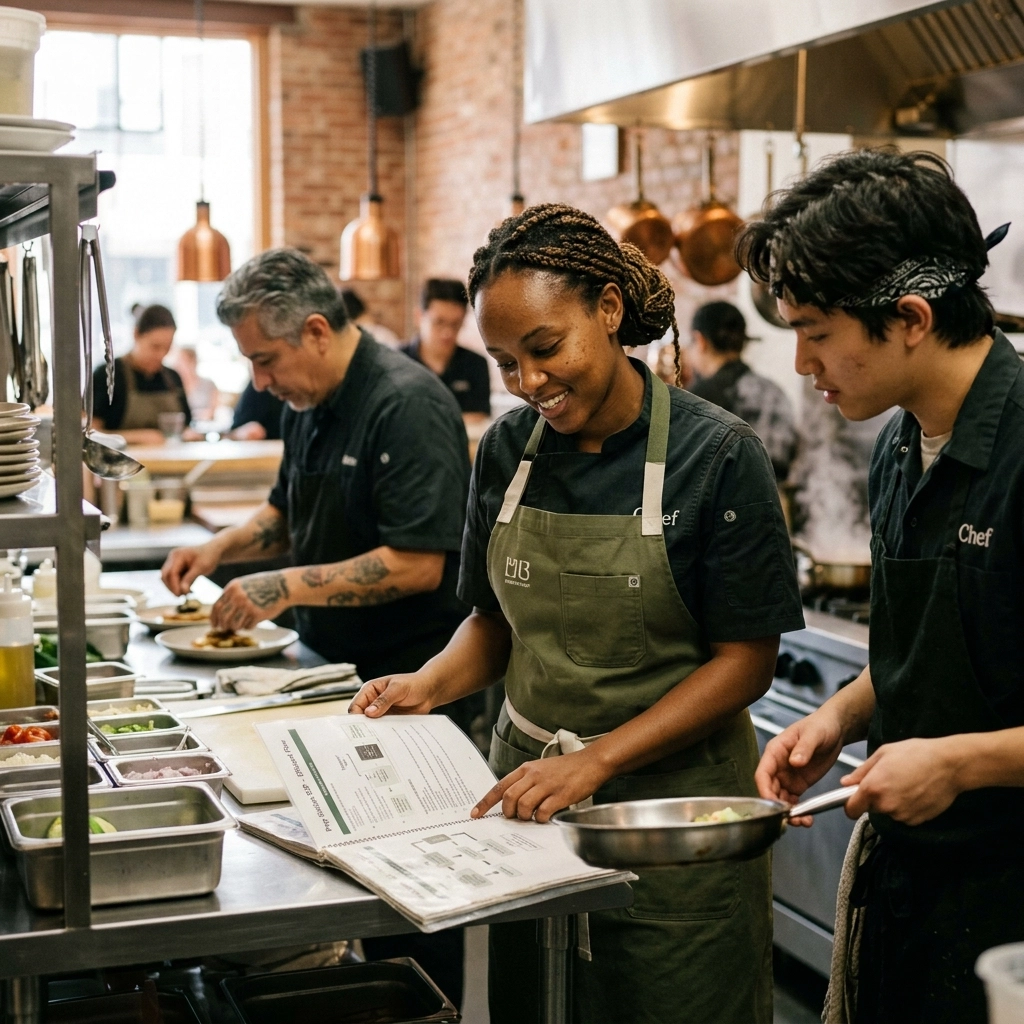
"Hidden minutes" are the labor hours spent on a dish that never show up on an invoice. These minutes occur during the prep shift, the "dead time" between lunch and dinner, and the overly complex plating procedures during a rush.
A study from the Cornell School of Hotel Administration found that labor productivity in the kitchen is often lost not during service, but in inefficient prep cycles [4]. If a line cook spends 45 minutes every morning zest-ing lemons by hand for a single garnish, that is a hidden cost. In 2026, minutes are the currency of the kitchen. If you aren't spending them wisely, you are effectively throwing cash into the compost bin.
The 3-Step Menu Efficiency Audit
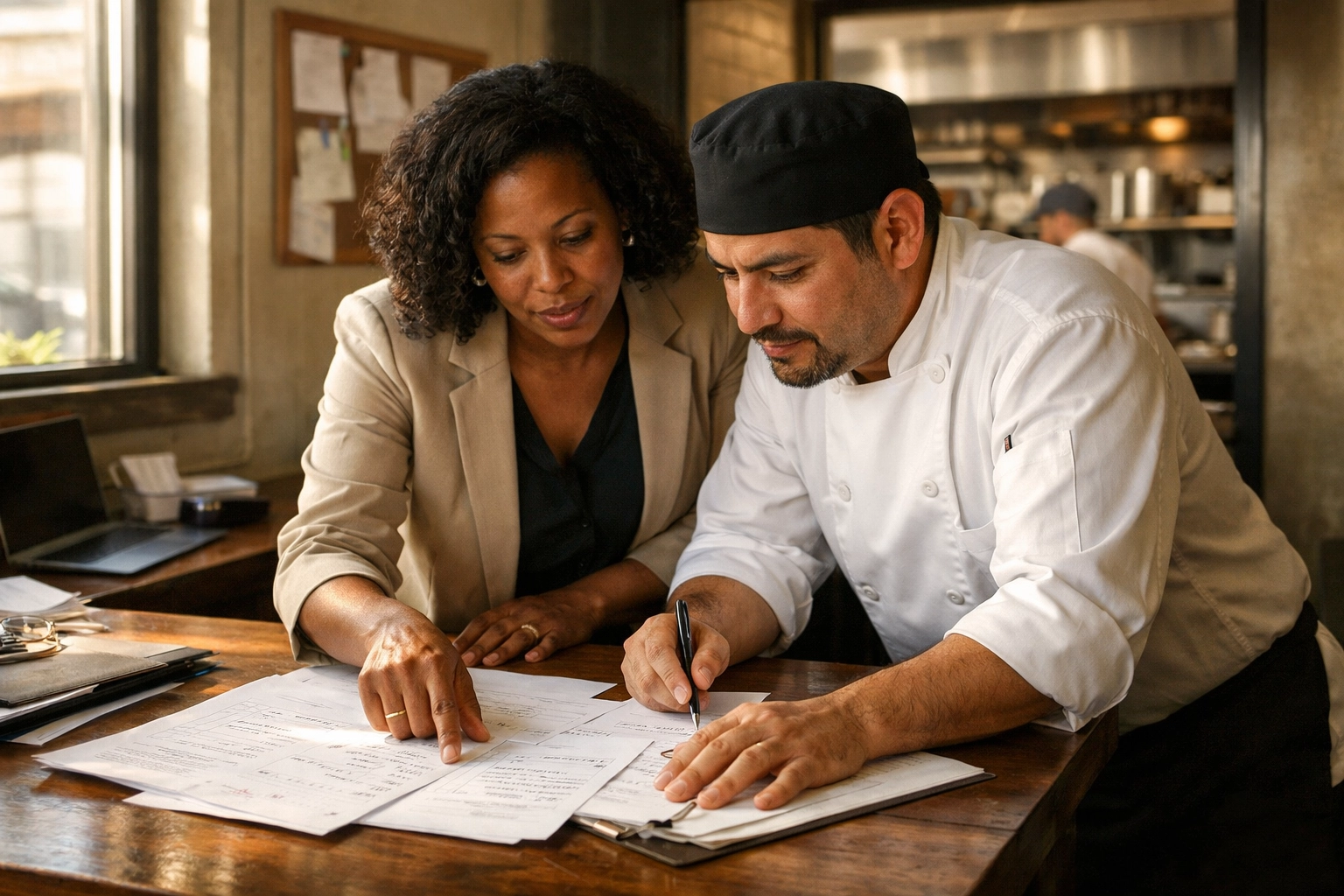
To survive 2026 margins, you need to perform a "Labor Audit" on your top ten selling items. This isn't about cutting staff; it’s about optimizing their time so they can focus on quality rather than repetitive, low-value tasks.
1. Time the Prep
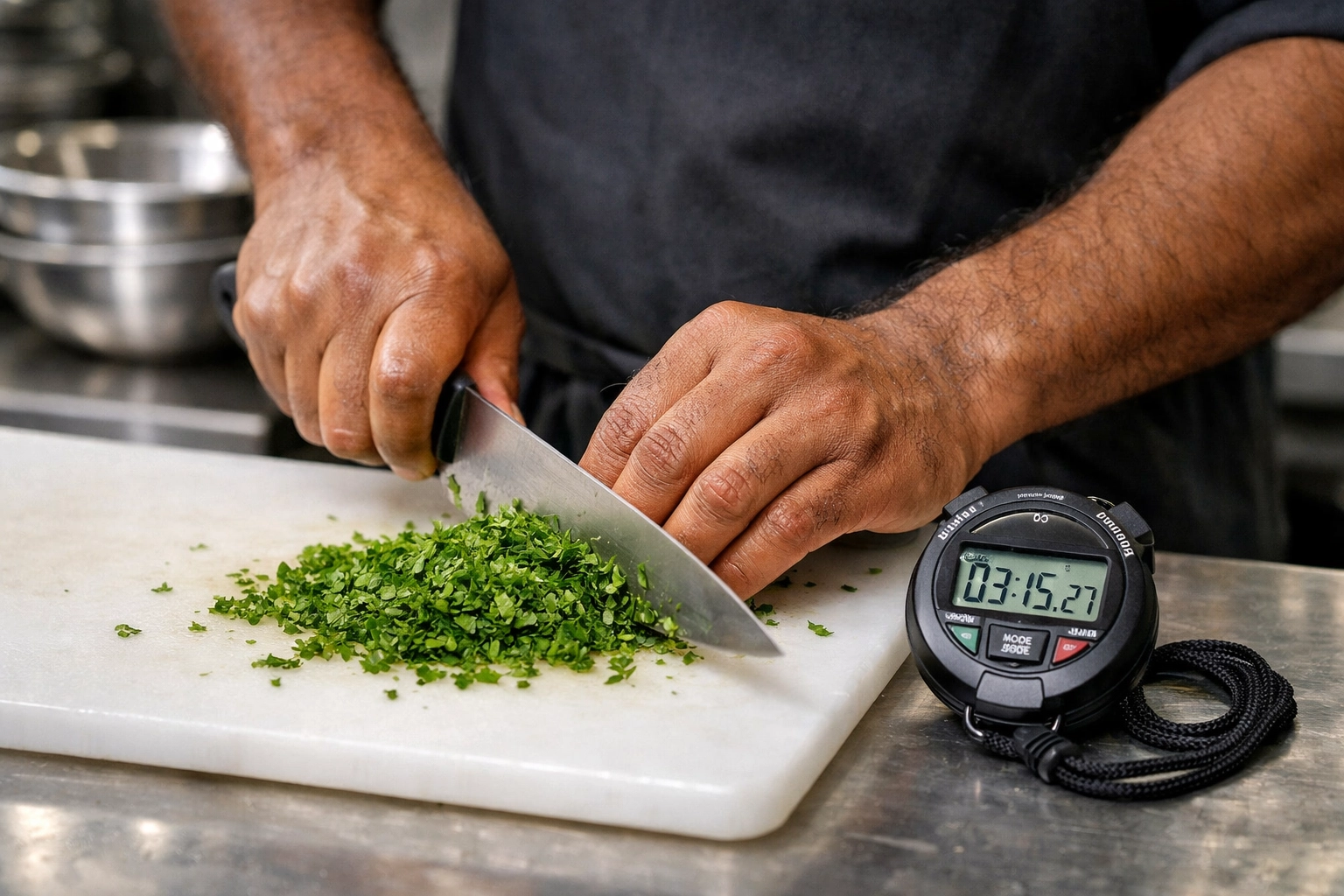
Stop guessing. Use a stopwatch. Track how long it takes to prepare a bulk batch of your most complex items. Divide that total time by the number of portions produced.
Example: If a batch of sauce takes 60 minutes and yields 20 portions, that’s 3 minutes of prep labor per dish.
2. Value the Labor
Multiply those minutes by your average hourly rate (including payroll taxes and benefits). If your prep cook costs you $25/hour (roughly $0.41 per minute), those 3 minutes of sauce prep cost you $1.23 per plate.
3. Find the True COGS (Labor + Food)
Add the labor cost to your ingredient cost. This is your True COGS.
- Ingredient Cost: $3.00
- Labor Cost (Prep + Plating): $2.50
- True COGS: $5.50
- True Margin: (Price – True COGS) / Price
As the Executive Team at McFadden Finch Restaurant Consulting Group often emphasizes in our financial assessments, if your total True COGS exceeds 60% of the menu price, that dish needs immediate re-engineering.
The 60% Rule: The Danger Zone
In 2026, the threshold for a "safe" dish is a combined Prime Cost of 60% or lower at the plate level. If you are selling a steak for $40, and the meat costs $18 while the labor to butcher, sous-vide, and sear it costs $10, you are at $28, or 70%. That leaves only 30% of that $40 to cover rent, utilities, insurance, and profit.
Dishes that fall into this "Red Zone" usually suffer from one of three things: high waste, over-complicated prep, or poor ingredient sourcing. Our operations consulting services specialize in identifying these bottlenecks before they drain your bank account.
A Timeline of Labor Efficiency (2016–2026)
The shift toward labor-minute tracking didn't happen overnight. It is the result of a decade of compounding economic pressures.
- 2016: Average restaurant labor cost sits at 26%; focus remains almost entirely on food cost [5].
- 2020: Pandemic-induced labor shortages force operators to simplify menus [6].
- 2021: Median wages for hospitality workers rise by 10% in a single year [7].
- 2022: Adoption of QR codes and kiosk ordering reduces front-of-house labor minutes [8].
- 2023: Inflation spikes ingredient costs, making "Prime Cost" the industry buzzword [9].
- 2024: AI-driven scheduling software begins tracking labor productivity in real-time [10].
- 2025: High-speed ovens and automated prep tools become standard in "labor-light" concepts [11].
- 2026: "Labor Minutes per Dish" becomes the primary metric for menu engineering and profitability [12].
Data Comparison: High-Labor vs. Low-Labor Dish
Below is a comparison of two real-world items we recently audited for a client. Notice how the "cheaper" ingredients can lead to a lower profit.
| Metric | "Chef's Special" Pasta (Manual) | "Modern Standard" Pasta (Optimized) |
|---|---|---|
| Ingredient Cost | $3.25 (Source: Internal Invoice) [13] | $4.50 (Source: Internal Invoice) [13] |
| Prep Minutes | 12 Minutes (Source: Audit) [13] | 2 Minutes (Source: Audit) [13] |
| Labor Cost (@$24/hr) | $4.80 | $0.80 |
| True COGS (Food + Labor) | $8.05 | $5.30 |
| Menu Price | $22.00 | $22.00 |
| True Profit Margin | 63.4% | 75.9% |
In this case, the optimized pasta used a high-quality pre-made fresh noodle (higher food cost) but saved 10 minutes of labor per plate. The result was a significantly more profitable item.
Case Example: The 12-Minute Garnish
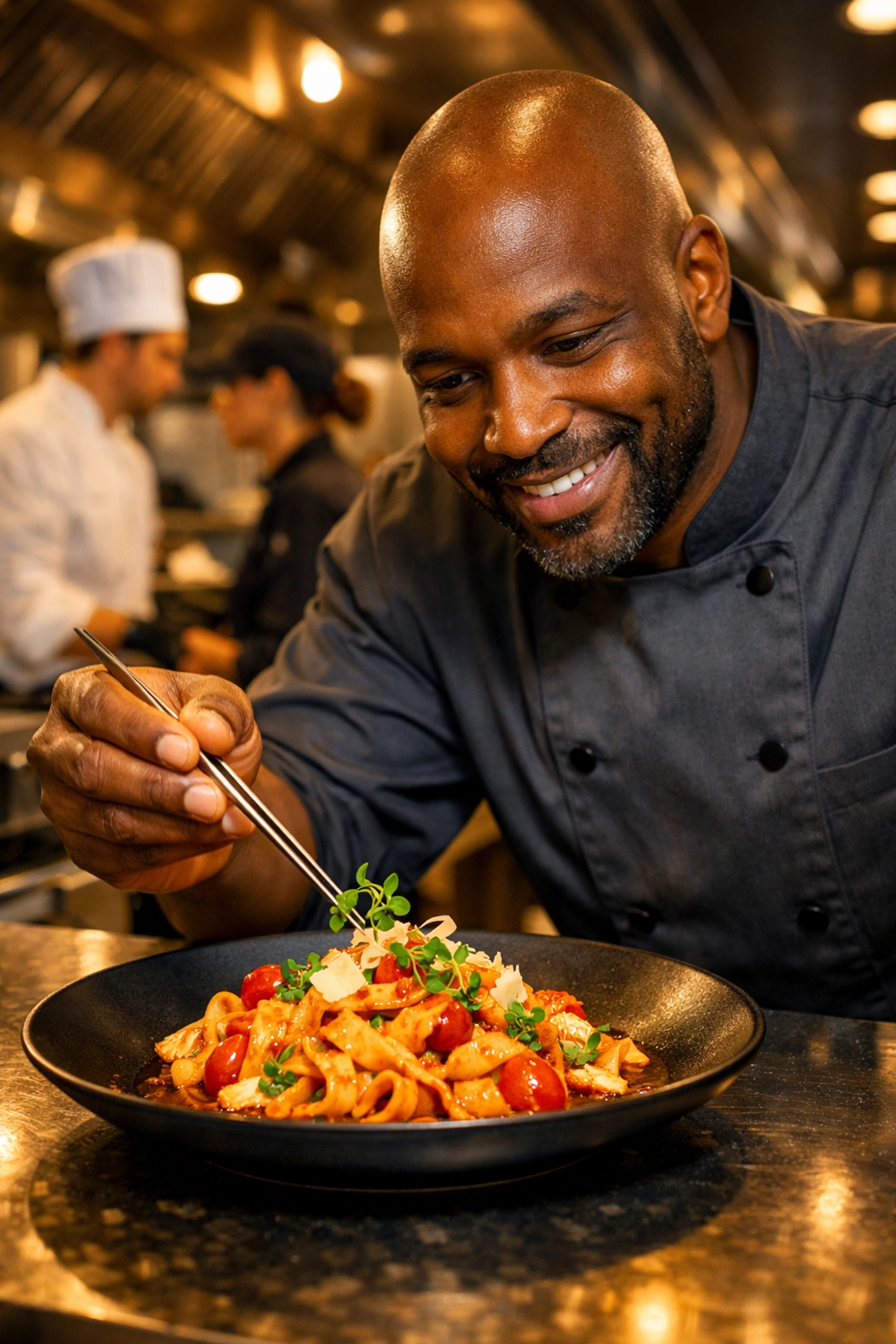
A popular gastropub in Oakland was struggling with 4% net margins despite being packed every night. During a profit optimization audit, we discovered their best-selling burger had a garnish of hand-tied onion hay and a 12-ingredient house sauce made daily.
The prep cook spent 4 hours every morning just on these two components. When we calculated the "Labor Minutes per Dish," the burger had a True COGS of 68%. By switching to a high-quality "speed scratch" sauce and a more efficient onion preparation method, we reduced prep time by 75% without sacrificing the flavor profile. Within three months, their net margin rose to 11% [14].
What Smart Critics Argue
Some culinary traditionalists argue that focusing on "minutes" stifles creativity and leads to a "cookie-cutter" dining experience. They claim that the soul of cooking is in the labor-intensive techniques like hand-rolled pasta or complex stocks [15].
While we value culinary artistry, the reality of 2026 is that a closed restaurant has no soul. You can maintain your signature "handmade" items as loss-leaders or marketing tools, but they must be balanced by high-efficiency "workhorse" dishes that pay the bills. As noted in the Journal of Foodservice Business Research, the goal isn't to remove the chef’s touch; it’s to remove the chef’s redundancy [16].
Key Takeaways
- Food Cost is Incomplete: Ingredients are only half your variable cost.
- Measure Minutes: Prep time is the silent killer of restaurant margins.
- The 60% Rule: Total COGS (Labor + Food) should never exceed 60% of the plate price.
- Audit Your Top 10: Focus your efficiency efforts where they have the most volume.
- Value of Outsourcing: Sometimes, buying a pre-prepped, high-quality ingredient is cheaper than making it.
- Technique vs. Efficiency: Simplify plating to reduce service-time labor bottlenecks.
- Profit Optimization: Regular menu engineering is a survival skill, not a luxury.
- Consult Expertise: Professional financial assessments can find the "invisible" leaks in your P&L.
Action Steps for Restaurant Owners
At Work
Start a "Labor Log" next week. Pick your three most labor-intensive prep items and time the process from start to finish. You’ll likely be surprised by the true cost.
At Home
Look at your personal time in the same way. Are you spending "expensive hours" on low-value administrative tasks that could be automated or outsourced for $20 an hour?
In the Community
Support local vendors who offer "value-added" products. Purchasing pre-washed greens or butchered proteins from a local purveyor keeps money in the community while saving your kitchen labor minutes.
In Civic Life
Stay informed about local wage legislation and labor laws. Understanding the "floor" of your labor costs helps you forecast your menu pricing for the next 18 months.
The Extra Step
Reach out to a consultant for a feasibility study or a menu audit. A fresh set of eyes often sees the "hidden minutes" that you have grown accustomed to overlooking.
FAQ
Q: Does tracking labor minutes mean I have to fire people?
A: No. It means you can reallocate your existing staff to more important tasks, like improving guest experience or ensuring food quality, rather than wasting hours on inefficient prep.
Q: How do I track labor for dishes with shared ingredients?
A: Allocate the total prep time for the shared ingredient across the average number of dishes sold that use it. It’s an estimate, but it’s far more accurate than ignoring it.
Q: Can I still have "complicated" dishes on my menu?
A: Yes, but you must price them accordingly. If a dish takes 20 minutes to plate, it shouldn't be priced like a 5-minute burger.
Q: Is "speed scratch" cooking cheating?
A: In 2026, "speed scratch" is strategy. If a high-end supplier can make a base sauce better and cheaper than you can from scratch, using it allows you to focus on the unique finishing touches that define your brand.
Q: What is the first thing I should change to save minutes?
A: Look at your garnishes. Often, the most labor-intensive part of a dish is the part the guest moves to the side of the plate.
Where Smart Strategy Meets Profitable Hospitality.
At McFadden Finch Restaurant Consulting Group, we help restaurant owners make sharper decisions, strengthen operations, and build businesses designed to perform. From feasibility studies and concept development to menu strategy and long-term operational consulting, we help your restaurant move beyond survival and into sustained growth.
McFadden Finch Restaurant Consulting Group
Lake Merritt Plaza
1999 Harrison St., 18th Floor
Oakland, CA 94612
(510) 973-2410
www.mcfadden-finch-group.com
executive.team@mcfadden-finch-group.com
Schedule your discovery call today and start building a stronger, smarter, more profitable restaurant. The corporate office address and email are listed on McFadden Finch Holdings’ contact page, and MFRCG is included in the company’s hospitality consulting portfolio.
Sources
[1] California Department of Industrial Relations, "Minimum Wage Frequently Asked Questions," January 2026, https://www.dir.ca.gov/dlse/faq_minimumwage.htm, Accessed March 28, 2026.
[2] National Restaurant Association, "2026 State of the Restaurant Industry," February 2026, https://restaurant.org/research-and-media/research/state-of-the-industry/, Accessed March 28, 2026.
[3] FSR Magazine, "The New Prime Cost Standard for 2026," January 2026, https://www.fsrmagazine.com/finance/new-prime-cost-standard, Accessed March 28, 2026.
[4] Cornell School of Hotel Administration, "Labor Productivity in Professional Kitchens," Journal of Hospitality Analytics, Vol. 14, 2024, Accessed March 28, 2026.
[5] U.S. Bureau of Labor Statistics, "Labor Productivity and Costs," 2016 Archive, https://www.bls.gov/lpc/, Accessed March 28, 2026.
[6] McKinsey & Company, "The post-pandemic restaurant: A new operating model," 2021, https://www.mckinsey.com/industries/retail/our-insights/, Accessed March 28, 2026.
[7] Federal Reserve Bank of San Francisco, "Wage Growth in the Service Sector," 2022, https://www.frbsf.org/economic-research/, Accessed March 28, 2026.
[8] Toast, "The 2023 Restaurant Technology Report," https://pos.toasttab.com/news/restaurant-technology-report, Accessed March 28, 2026.
[9] Restaurant Business Online, "How Inflation Changed the Menu Engineering Playbook," 2023, https://www.restaurantbusinessonline.com/, Accessed March 28, 2026.
[10] Forbes Technology Council, "AI and the Future of Workforce Management," 2024, https://www.forbes.com/sites/forbestechcouncil/, Accessed March 28, 2026.
[11] Modern Restaurant Management, "The Rise of Labor-Light Concepts," 2025, https://modernrestaurantmanagement.com/, Accessed March 28, 2026.
[12] McFadden Finch Restaurant Consulting Group, "Internal Benchmarking Data: Labor Minutes Metric," March 2026.
[13] MFRCG Client Audit Archive, "Case Study #4412: Pasta Efficiency Comparison," 2025.
[14] MFRCG Client Audit Archive, "Case Study #3902: Gastropub Turnaround," 2025.
[15] American Culinary Federation, "The Preservation of Culinary Technique," The National Culinary Review, 2025.
[16] Journal of Foodservice Business Research, "Operational Efficiency vs. Culinary Creativity," Vol. 29, No. 2, 2026.