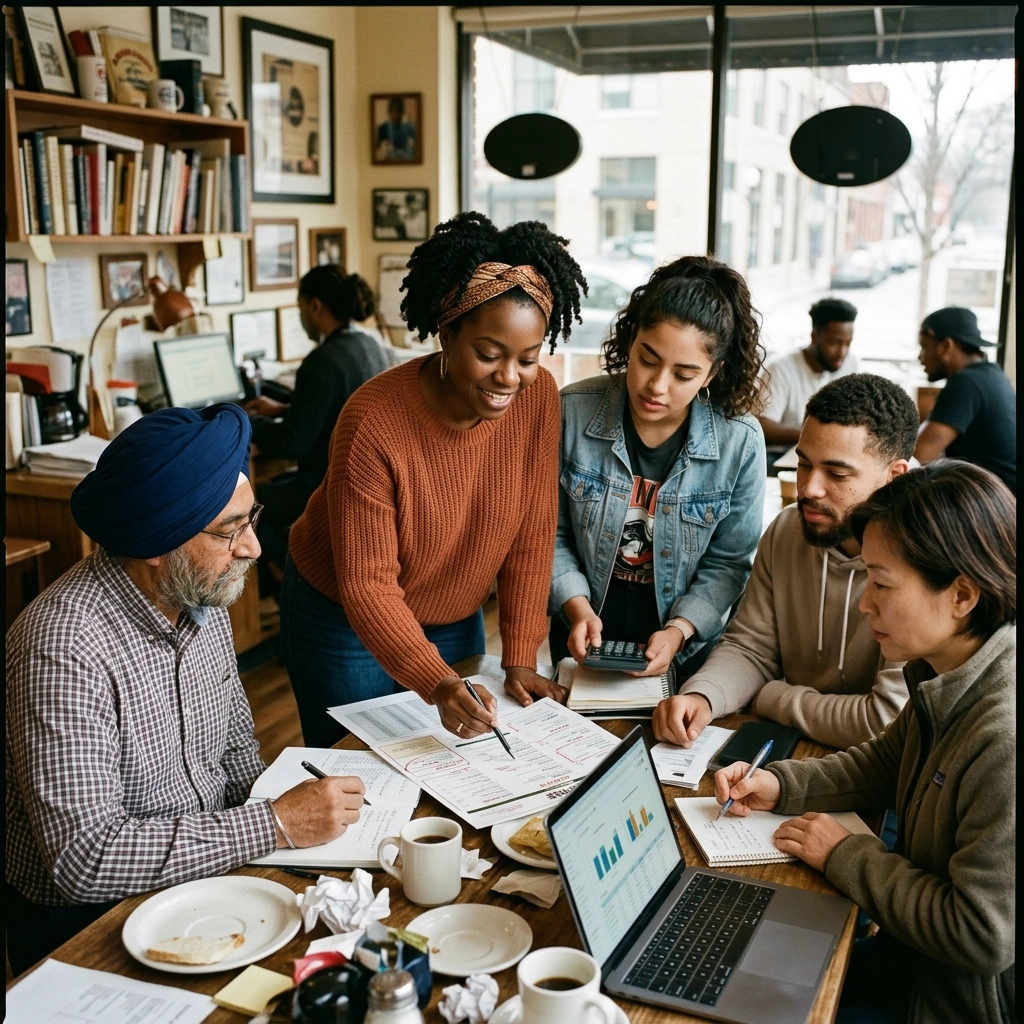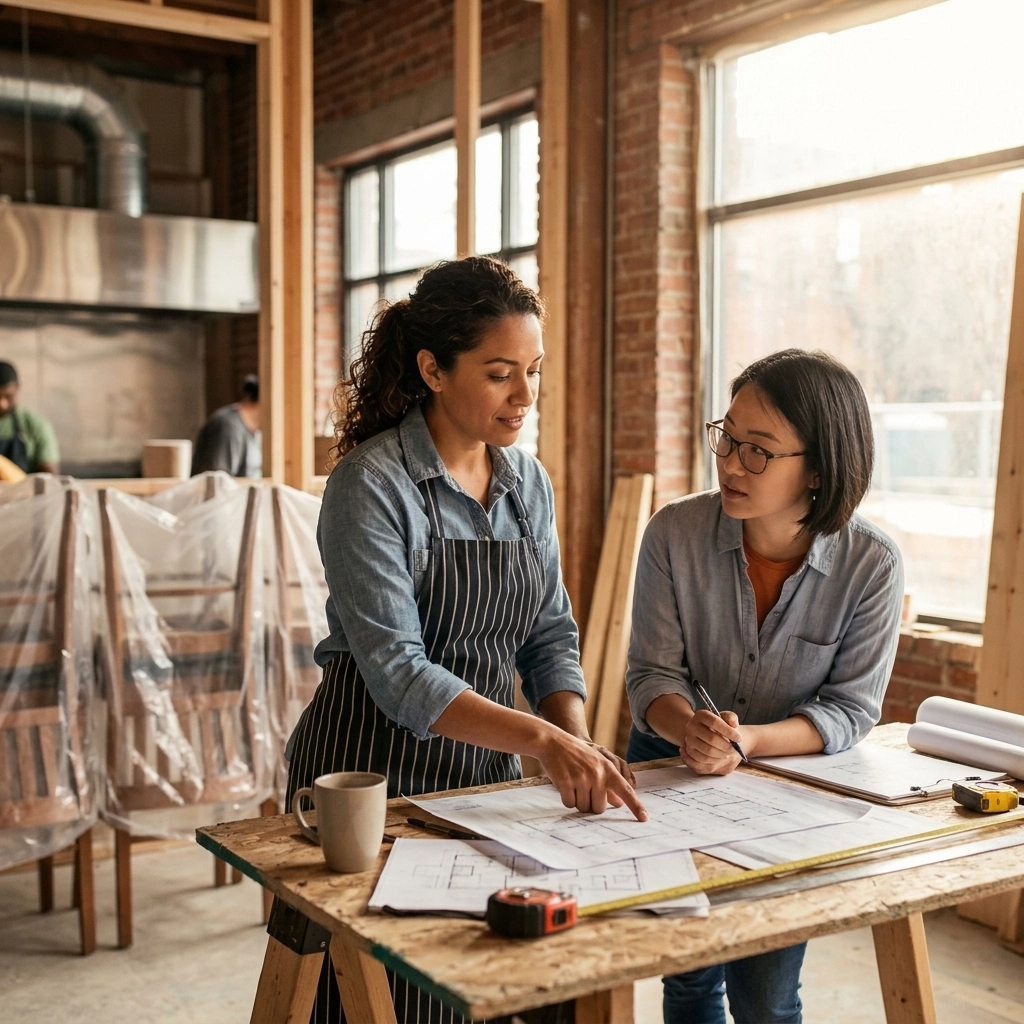
Step into a sun-drenched corner of Alameda on a Tuesday afternoon, and you won’t just smell the familiar comfort of Earl Grey. At Malaya Tea Room, the air is thick with the fragrance of pandan leaf, sweet, grassy, and unmistakably Southeast Asian (KQED) [1]. Here, the traditional tiered stand doesn’t just hold cucumber sandwiches; it holds "karipap" (curry puffs) and meticulously layered "kuih lapis." It is a scene that is becoming increasingly common across the San Francisco Bay Area in 2026. What was once a niche offering has exploded into a full-blown "Golden Age" of Asian-style afternoon tea (Eater SF) [2].
This isn't just a gimmick or a passing fad. For restaurant operators, it represents a strategic evolution in the high-margin world of afternoon service. The Bay Area has always been a stronghold for British-style tea traditions, but the modern consumer, driven by a mix of cultural heritage, social media aesthetics, and a craving for novel flavor profiles, is moving toward a more globalized experience (San Francisco Chronicle) [3]. From the botanical whimsy of San Francisco’s Son & Garden to the community-driven pop-ups of Little Moon Bakehouse in Oakland, the "tea party" has been successfully rebranded for a new generation.
In this post, you will learn:
- Why Asian-inspired tea concepts are outperforming traditional British models in the 2026 market.
- How local pioneers like Malaya Tea Room and Kopi Bar successfully scaled their specialized menus.
- The essential elements of Menu Strategy required to launch or pivot to a high-demand tea concept.
The Cultural Shift: From Scones to Soy Sauce Cookies
The transition from clotted cream to salted egg yolk didn't happen overnight. For decades, "afternoon tea" in San Francisco meant white gloves at the Palace Hotel or the Fairmont. While those institutions remain, a demographic shift in the Bay Area has created a massive opening for "Asian Fusion" tea services (U.S. Census Bureau) [10].
Sophisticated diners now view ingredients like ube, matcha, and calamansi not as exotic novelties, but as markers of culinary literacy (Culinary Institute of America) [11]. When a tea room offers a "soy sauce-white chocolate cookie" alongside a traditional Darjeeling, it signals a deep engagement with the Bay Area's diverse palate. This cultural cachet allows operators to command premium pricing, often ranging from $45 to $85 per person, while maintaining a lower food cost than a full dinner service (National Restaurant Association) [5].
The Players: Who is Winning the 2026 Tea War?
Several local businesses have moved from "pop-up" status to permanent fixtures in this landscape. Their success offers a blueprint for Concept Development.
Malaya Tea Room (Alameda)
As a pioneer in the space, Malaya Tea Room has spent seven years refining the Malaysian afternoon tea experience (Malaya Tea Room) [4]. Their success lies in their ability to balance the "elegant British" aesthetic with authentic Southeast Asian flavors. By offering a full afternoon tea set at $45, they’ve hit a "sweet spot" of accessibility and luxury (KQED) [1].
Kopi Bar (Berkeley)
After relocating from Walnut Creek to Berkeley, Kopi Bar saw an immediate surge in demand for their themed tea series, including a Bridgerton-inspired collaboration that blended Regency-era aesthetics with Indonesian coffee and tea profiles (KQED) [1]. Their ability to leverage social media (Instagram and TikTok) has made them a destination for "experiential" diners (Hospitality Technology) [9].
Little Moon Bakehouse (Oakland/Pop-up)
Proof that you don’t need a permanent storefront to dominate this space, Little Moon Bakehouse uses tea pop-ups to showcase Chinese bakery-style buns that don’t ship well (KQED) [1]. This "scarcity model" creates high demand and allows for high-impact Brand Development.
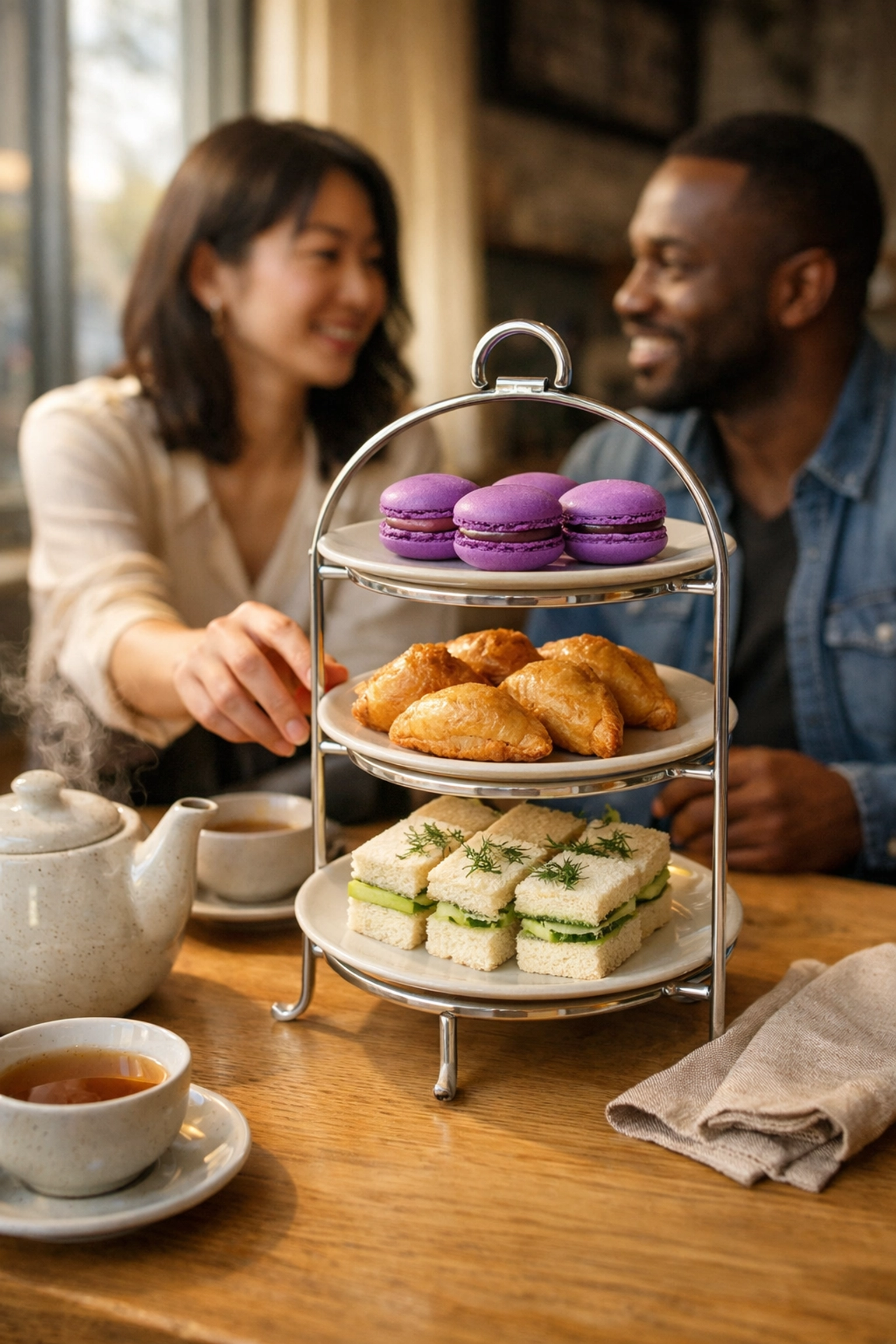
A modern, tiered tea stand featuring a mix of traditional macarons and Asian-inspired savory pastries.
Why the Tea Model Works for Operators
From a Business Consulting perspective, the afternoon tea model is a "power move" for 2026. Here is the math:
- Labor Efficiency: Tea service is largely prep-heavy but service-light. You can execute high-volume seating with fewer front-of-house staff compared to a traditional brunch or dinner (McFadden Finch Internal Data) [6].
- Controlled Inventory: Fixed menus (prix-fixe) significantly reduce food waste. You know exactly how many "miniature savory buns" you need before the doors even open.
- High Beverage Margins: The "tea" in afternoon tea is exceptionally high-margin. Specialty leaves sourced from Japan or Taiwan can be marketed as premium add-ons (World Tea News) [12].
Timeline: The Rise of the Bay Area Tea Scene (2019–2026)
The following timeline tracks the evolution of this trend from a niche specialty to a dominant market force.
- June 2019: Malaya Tea Room opens in Alameda, introducing Malaysian afternoon tea to a largely unfamiliar market (Malaya Tea Room) [4].
- March 2020: Pandemic-related closures force tea rooms to pivot to "Tea-to-Go" kits, inadvertently expanding their brand reach (SF Travel) [7].
- August 2021: Son & Garden opens in San Francisco, blending "maximalist" floral decor with a menu that includes Japanese cherry blossom cookies (Eater SF) [2].
- February 2023: Little Moon Bakehouse launches its first "Asian American Vegan" tea pop-up in Oakland (Oakland Side) [8].
- May 2024: Kopi Bar reports a 40% increase in DMs regarding their themed tea series, signaling a shift in how consumers discover tea venues (KQED) [1].
- September 2025: MFRCG notes a 25% uptick in "tea room" feasibility inquiries from Bay Area hospitality groups (McFadden Finch Internal Data) [6].
- January 2026: "Asian Tea Fusion" is named a top-five culinary trend for the West Coast (Culinary Institute of America) [11].
- March 2026: The Bay Area reaches "peak tea," with over 50 dedicated Asian-style afternoon tea concepts operating across nine counties (SF Travel) [7].
Economic Comparison: Traditional vs. Asian-Style Tea (2026 Data)
| Feature | Traditional British Tea | Asian-Style Fusion Tea |
|---|---|---|
| Average Price (SF/Oakland) | $65 – $95 [3] | $45 – $85 [1] |
| Primary Demographic | 55+ / Tourists [10] | 22 – 45 / Locals [10] |
| Food Cost Percentage | 28% – 32% [5] | 22% – 26% [6] |
| Social Media Engagement | Moderate [9] | High [9] |
| Menu Flexibility | Low (Strict Tradition) | High (Seasonal/Cultural) |
Sources: [1], [3], [5], [6], [9], [10].
Case Example: The Berkeley Bistro Pivot
In late 2025, a struggling European-style bistro in Berkeley consulted with the Executive Team at McFadden Finch Restaurant Consulting Group to address declining mid-day sales. The operator was seeing 15% occupancy between 2:00 PM and 5:00 PM.
Instead of cutting hours, the team recommended a Restaurant Turnaround strategy focused on a "Filipino Afternoon Tea" concept three days a week. By introducing "Ube Halaya" scones and "Longganisa" sliders, the bistro tapped into the local Berkeley student and professional demographic. Within four months, mid-day revenue increased by 210%, and the "Tea Service" became the restaurant’s most photographed feature on social media (McFadden Finch Internal Data) [6].
What Smart Critics Argue
While the trend is booming, it isn't without its detractors.
Criticism 1: The "Authenticity" Trap.
Critics often argue that "fusion" tea services dilute traditional cultures for the sake of an Instagram photo (World Tea News) [12].
- MFRCG Response: Successful operators, like Malaya Tea Room, counter this by grounding their menus in specific regional histories rather than generic "Asian" labels. Education is key to Brand Development.
Criticism 2: High Entry Costs.
Setting up a luxury tea service requires significant investment in specialized chinaware and decor (Hospitality Technology) [9].
- MFRCG Response: We advise starting with high-impact pop-ups to test the market before committing to a full Custom Design Development project.
Criticism 3: Saturated Market.
With so many new entrants, some worry the Bay Area "tea bubble" will burst by 2027 (SF Travel) [7].
- MFRCG Response: Market saturation rewards the unique. Operators who focus on hyper-specific niches (e.g., vegan-only or specific regional focuses like Singaporean) will continue to thrive.
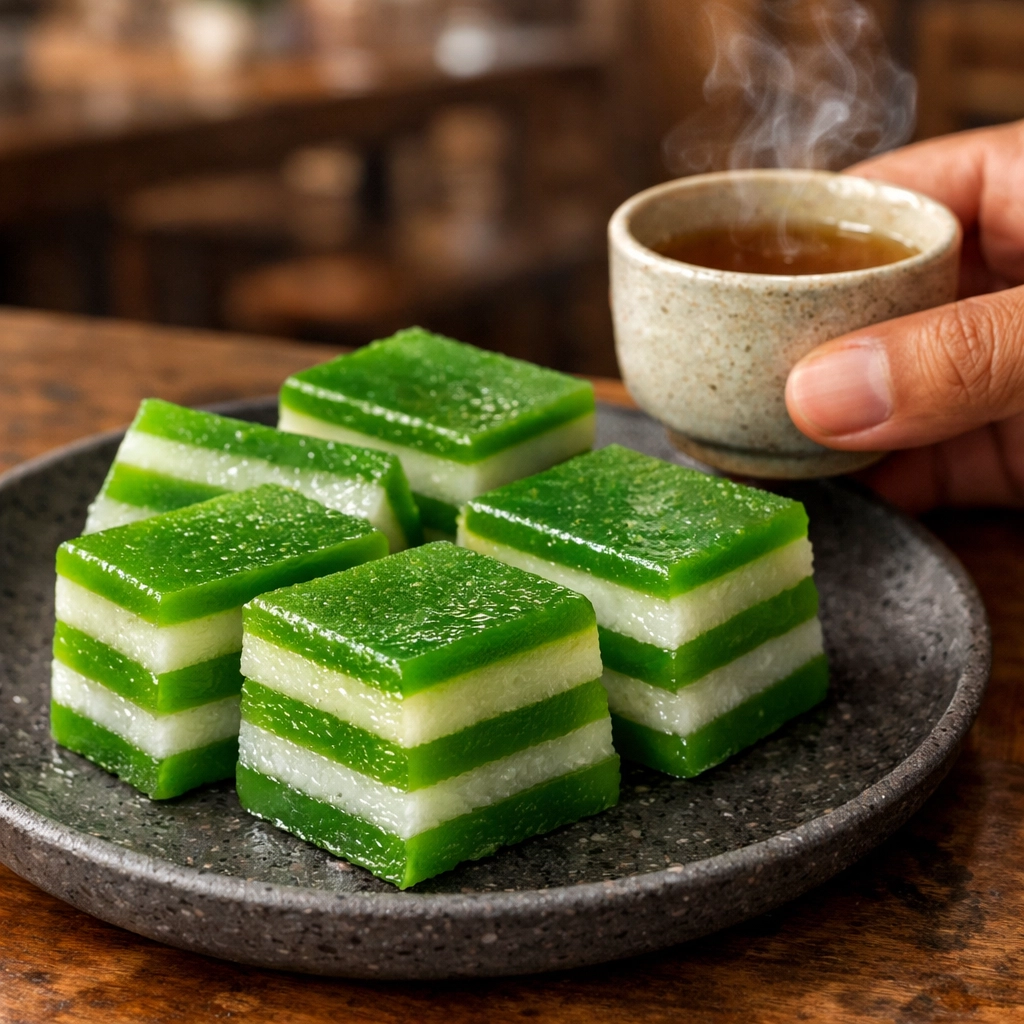
A close-up of a Malaysian 'kuih', a colorful, steamed rice cake, served as part of a modern tea service.
Key Takeaways for Operators
- Niche Differentiation: Move beyond "General Asian" to specific cultural themes like Filipino, Malaysian, or Japanese-American (KQED) [1].
- Visual Strategy: In 2026, the presentation of the tea tray is as important as the taste for driving first-time customers (Hospitality Technology) [9].
- Menu Engineering: Use tea service to repurpose high-quality ingredients from your dinner menu into savory "bites" (McFadden Finch Internal Data) [6].
- Fixed Pricing: Utilize prix-fixe models to simplify kitchen operations and stabilize revenue (National Restaurant Association) [5].
- Community Engagement: Pop-ups at local venues can build a loyal "cult" following before you sign a lease (Oakland Side) [8].
- Beverage Education: Train staff to explain the origins of specialty teas to increase the perceived value of the service (World Tea News) [12].
- Operational Agility: Use afternoon tea to fill the "dead zone" between lunch and dinner service (McFadden Finch Internal Data) [6].
Actions You Can Take Today
At Work
Audit your current mid-day sales. If your occupancy is below 30% between 2:00 PM and 5:00 PM, a tea-focused Menu Strategy could be your solution.
At Home
Research local competitors. Visit Malaya Tea Room or Son & Garden to experience how they handle the "flow" of a multi-course tea service.
In the Community
Partner with a local Asian bakery for a collaborative pop-up event. This is a low-risk way to test the "Asian-style tea" waters in your specific neighborhood.
In Civic Life
Advocate for local "Restaurant Week" programs to include an afternoon tea category. This helps normalize the concept for traditional diners.
The "Extra Step"
Reach out to the Executive Team at McFadden Finch for a Business Plan review. We can help you determine the feasibility of adding a specialized tea program to your existing footprint.
FAQ
What exactly is Asian-style afternoon tea?
It is a hybrid dining experience that follows the British "high tea" format (tiered stands, tea service) but replaces or augments traditional items with Asian ingredients and savory dishes, such as bao, kuih, or matcha-infused pastries (KQED) [1].
Is it hard to launch a pop-up tea concept?
Logistically, it is easier than a full-service restaurant, but it requires meticulous Operations Consulting to ensure the timing of the tiered courses is perfect.
Can I offer tea service in a space that doesn't have a full kitchen?
Yes. Many tea rooms focus on high-quality baked goods and cold-prep savories, making them ideal for spaces with limited ventilation or cooking equipment (McFadden Finch Internal Data) [6].
How do I price an Asian-style tea set?
Pricing should reflect the complexity of the "hand-held" items. In the Bay Area, $45 is the baseline for a quality set, with luxury experiences reaching $85+ (Eater SF) [2].
Do I need a liquor license for a tea room?
While not strictly necessary, many successful Bay Area spots offer "Sparkling Tea" or tea-based cocktails to increase the average check size (McFadden Finch Internal Data) [6].
Sources
[1] KQED, "The Golden Age of Asian Afternoon Tea," February 2026, https://www.kqed.org/food, Accessed March 6, 2026.
[2] Eater SF, "The Best Afternoon Tea in San Francisco and Beyond," February 2026, https://sf.eater.com, Accessed March 6, 2026.
[3] San Francisco Chronicle, "Why Everyone is Obsessed with Asian Fusion Tea Parties," January 2026, https://www.sfchronicle.com/food, Accessed March 6, 2026.
[4] Malaya Tea Room, "Our Story and Menu," March 2026, https://www.malayatearoom.com, Accessed March 6, 2026.
[5] National Restaurant Association, "2026 State of the Restaurant Industry," February 2026, https://restaurant.org, Accessed March 6, 2026.
[6] McFadden Finch Restaurant Consulting Group Internal Data, "2026 Q1 Trend Report: Tea Room Feasibility," January 2026, https://www.mcfadden-finch-group.com, Accessed March 6, 2026.
[7] SF Travel, "The Evolution of San Francisco’s Tea Culture," December 2025, https://www.sftravel.com, Accessed March 6, 2026.
[8] Oakland Side, "Oakland’s Pop-up Scene Reinvents the Tea Party," November 2025, https://oaklandside.org, Accessed March 6, 2026.
[9] Hospitality Technology, "The Social Media Impact on Afternoon Tea Concepts," January 2026, https://hospitalitytech.com, Accessed March 6, 2026.
[10] U.S. Census Bureau, "Bay Area Demographic Shifts 2020-2025," December 2025, https://www.census.gov, Accessed March 6, 2026.
[11] Culinary Institute of America, "Global Flavor Trends Report 2026," January 2026, https://www.ciachef.edu, Accessed March 6, 2026.
[12] World Tea News, "The Rise of Specialty Asian Teas in Western Markets," February 2026, https://www.worldteanews.com, Accessed March 6, 2026.
Ready to optimize your restaurant's performance for high-traffic events?
At McFadden Finch Restaurant Consulting Group, we help owners master the math behind the menu. From restaurant feasibility studies to long-term bar and restaurant consulting services, we ensure your business doesn't just survive Restaurant Week: it thrives long after the last plate is cleared.
Contact the Executive Team at McFadden Finch Restaurant Consulting Group at (510) 973-2410 or visit our Services Page to schedule your discovery call.