Your restaurant is struggling. Sales are flat. Bills are piling up. You're wondering what to fix first.
Here's the answer: cash flow. Always cash flow.
Before you redesign your menu, rebrand, or launch a marketing blitz, you need to stop the bleeding. A restaurant turnaround starts with stabilizing the money coming in and going out.
This guide breaks down exactly how to do that.
Why Cash Flow Comes First in Any Restaurant Turnaround
Many owners focus on the wrong things when their restaurant underperforms. They think they need more customers. Or a new concept. Or better reviews.
But none of that matters if you can't make payroll next week.
Cash flow is the foundation. Without it, you can't pay vendors. You can't keep the lights on. You can't survive long enough to implement any other fix.
The math is simple:
- Money coming in must exceed money going out
- Timing matters as much as totals
- Small leaks sink ships
Once you stabilize cash flow, everything else becomes possible. That's why every restaurant turnaround consultant starts here.

Step 1: Get Your Numbers Right
You can't fix what you don't measure.
Start by tracking your actual cash position weekly. Not monthly. Weekly.
Set up these basics:
- Connect your POS system to accounting software (QuickBooks, Xero, or similar)
- Run weekly cash flow reports every Monday morning
- Track cash in vs. cash out separately from profit/loss
Most struggling restaurants don't have bad ideas. They have bad data. Or no data at all.
Spend one week just watching the numbers before you change anything.
Step 2: Control Your Cost of Goods Sold (COGS)
Food cost is typically your largest expense. It's also where the biggest leaks happen.
Target COGS: 28-32% of revenue for most concepts.
Here's how to get there:
- Implement just-in-time ordering : Place smaller, more frequent orders instead of overstocking
- Use inventory tracking software : Tools like MarketMan or SimpleOrder catch waste in real time
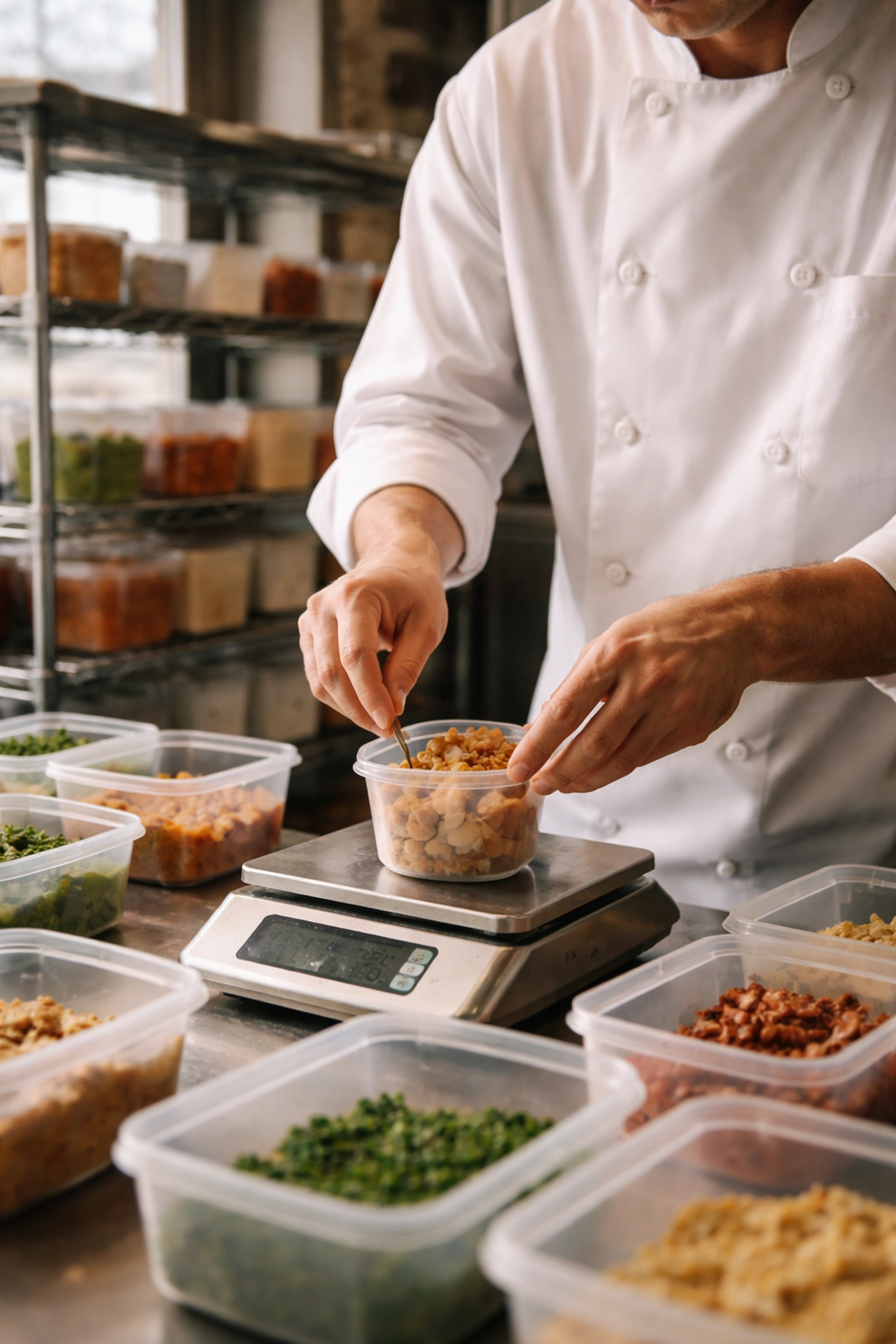
- Standardize every recipe : Portion control eliminates guesswork and overuse
- Audit your walk-in weekly : Know exactly what's expiring and adjust orders accordingly
- Negotiate with vendors : Ask for Net 45 or Net 60 terms instead of Net 30
Even a 2% reduction in food cost goes straight to your bottom line. On $1 million in annual revenue, that's $20,000 saved.
Step 3: Right-Size Your Labor Costs
Labor is your second-largest expense. And it's often bloated during a downturn.
Target labor cost: 25-30% of revenue.
Steps to optimize:
- Use POS data to schedule : Match staffing levels to actual hourly sales patterns
- Cross-train your team : Flexible employees let you run leaner during slow periods
- Eliminate shift overlap : Review clock-in/clock-out times for hidden overtime
- Consider day-part staffing : You don't need the same crew at 2pm that you need at 7pm
- Align payroll timing : Schedule paychecks after your busiest deposit days
Cutting labor isn't about firing good people. It's about scheduling smarter so you're not paying three servers to stand around on a Tuesday afternoon.
Step 4: Engineer Your Menu for Profit
Your menu is a financial document. Treat it like one.
The 80/20 rule applies: roughly 20% of your dishes generate 80% of your profit. Find those items and push them hard.
Menu engineering basics:
- Categorize every item : Stars (high profit, high popularity), Plowhorses (low profit, high popularity), Puzzles (high profit, low popularity), Dogs (low profit, low popularity)
- Highlight your Stars : Use boxes, bold text, and server suggestions
- Fix or remove Dogs : If it doesn't sell and doesn't profit, why is it there?
- Raise prices strategically : Food costs fluctuate constantly; your prices should too
- Simplify the menu : Fewer items means less waste, faster prep, and easier training
Don't guess which items are profitable. Run the actual food cost calculations. You'll be surprised what you find.

Step 5: Accelerate Cash Coming In
Slowing the outflow is half the battle. Speeding up the inflow is the other half.
Quick wins:
- Enforce faster payment terms : For catering and events, require Net 7 or deposits upfront
- Offer early payment discounts : 2% off for payment within 5 days works
- Push gift card sales : Immediate cash for future service
- Use digital payments : They settle faster than checks
- Launch a simple loyalty program : Drives repeat visits during slow periods
Many restaurants leave money on the table by being too flexible with receivables. Tighten up.
Step 6: Plan for Seasonal Swings
Restaurant sales fluctuate. That's normal. But cash strain during slow seasons kills businesses.
How to stabilize:
- Create separate budgets for peak and off-peak months
- Adjust staffing and inventory before the slow season hits
- Consider seasonal menu items using affordable, local ingredients
- Stagger large equipment purchases to align with high-revenue periods
- Explore a short-term business line of credit as a safety net
The restaurants that survive long-term aren't the ones that never have slow months. They're the ones that plan for them.
The Restaurant Turnaround Timeline
Here's what a realistic cash flow stabilization looks like:
| Week | Focus Area | Expected Outcome |
|---|---|---|
| 1 | Set up tracking systems | Clear picture of current position |
| 2-3 | COGS reduction | 2-5% food cost improvement |
| 4-5 | Labor optimization | 3-5% labor cost improvement |
| 6-8 | Menu engineering | Higher average ticket, less waste |
| Ongoing | Receivables and seasonality | Predictable cash position |
This isn't a quick fix. But within 60 days, most restaurants can stabilize enough to start thinking about growth again.
Frequently Asked Questions
How long does a restaurant turnaround take?
Cash flow stabilization typically takes 60-90 days. A full operational turnaround can take 6-12 months depending on the severity of issues.
What's the first thing I should do if my restaurant is losing money?
Run a weekly cash flow report. Know exactly where money is coming from and where it's going before making any changes.
Should I cut staff immediately?
Not necessarily. Start by optimizing schedules based on actual sales data. Often you can reduce labor costs without layoffs by eliminating overlap and improving efficiency.
How do I know if my menu prices are too low?
Calculate the actual food cost percentage for each item. If your overall food cost exceeds 32%, prices are likely too low or portions too large.
When should I hire a restaurant turnaround consultant?
If you've tried the basics and still can't stabilize within 90 days, outside expertise can identify blind spots. Learn more about what consultants actually do.
Can I turn around my restaurant without outside investment?
Often yes. Most turnarounds focus on reducing expenses and optimizing existing revenue rather than raising capital. New money doesn't fix operational problems.
Ready to Stabilize Your Restaurant?
Cash flow problems don't fix themselves. The longer you wait, the fewer options you have.
McFadden Finch Restaurant Consulting Group helps underperforming restaurants identify leaks, optimize operations, and build sustainable cash flow.
Request a consultation to discuss your situation.
Get weekly restaurant operations insights delivered to your inbox. Subscribe to our newsletter for actionable tips on profitability, turnarounds, and growth.
Related Reading: