Story originally reported by Sonya Sorich, Managing Editor, Sacramento Business Journal (January 6, 2026)
After 15 years of serving burgers with their signature grilled cheese skirt in Roseville, Squeeze Burger faces a familiar challenge many restaurant owners know too well: lease renewal rejection. But instead of closing permanently, they're making a strategic pivot that other operators should study closely.
The restaurant at 106 N. Sunrise Ave. will serve its final customers on January 24, 2026, then immediately transition to full-time food truck operations while searching for a new permanent location to lease or buy.
The Reality Behind Lease Rejections
Restaurant lease negotiations fail more often than most operators realize. Squeeze Burger's situation in the Roseville Crossing retail center represents a common scenario where established businesses face displacement despite years of successful operation.
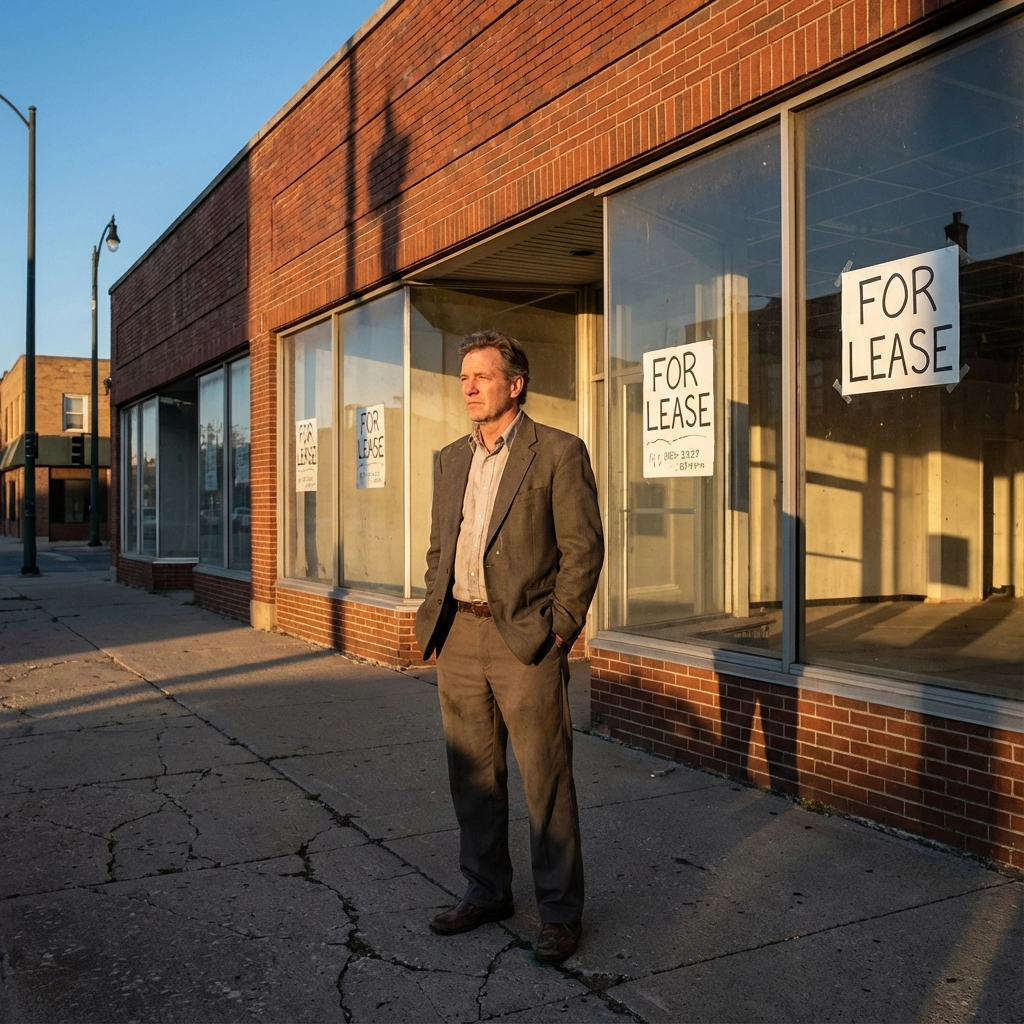
When landlords reject lease renewal proposals, restaurants typically have three options: accept unfavorable terms, close permanently, or find alternative operating models. Squeeze Burger chose the third path, demonstrating how food truck operations can serve as both crisis response and strategic business pivot.
The decision to maintain operations through a food truck shows sophisticated business thinking. Rather than losing brand equity and customer relationships built over 15 years, they're preserving both while repositioning for future growth.
Food Truck Pivot as Crisis Solution
Converting from brick-and-mortar to food truck operations addresses several critical business challenges simultaneously:
Immediate Cost Reduction: Food truck operations eliminate rent, utilities, and property maintenance costs that can consume 25-35% of restaurant revenue. This reduction provides breathing room for operators facing financial pressure.
Operational Flexibility: Food trucks can test new markets, follow high-traffic events, and adjust locations based on demand patterns. This flexibility is impossible with fixed restaurant locations.
Reduced Financial Risk: Lower overhead means operators can maintain cash flow while evaluating permanent location options without the pressure of high monthly rent commitments.
Brand Preservation: Continuing operations prevents loss of customer relationships and brand recognition that would occur with complete closure.
Lessons for Restaurant Operators
Squeeze Burger's transition offers specific insights for other restaurant owners facing similar challenges:
1. Develop Contingency Operating Models
Smart operators prepare alternative business models before lease negotiations fail. Food truck operations, catering services, and delivery-only concepts can serve as backup plans when primary locations become unavailable.
2. Maintain Equipment Portability
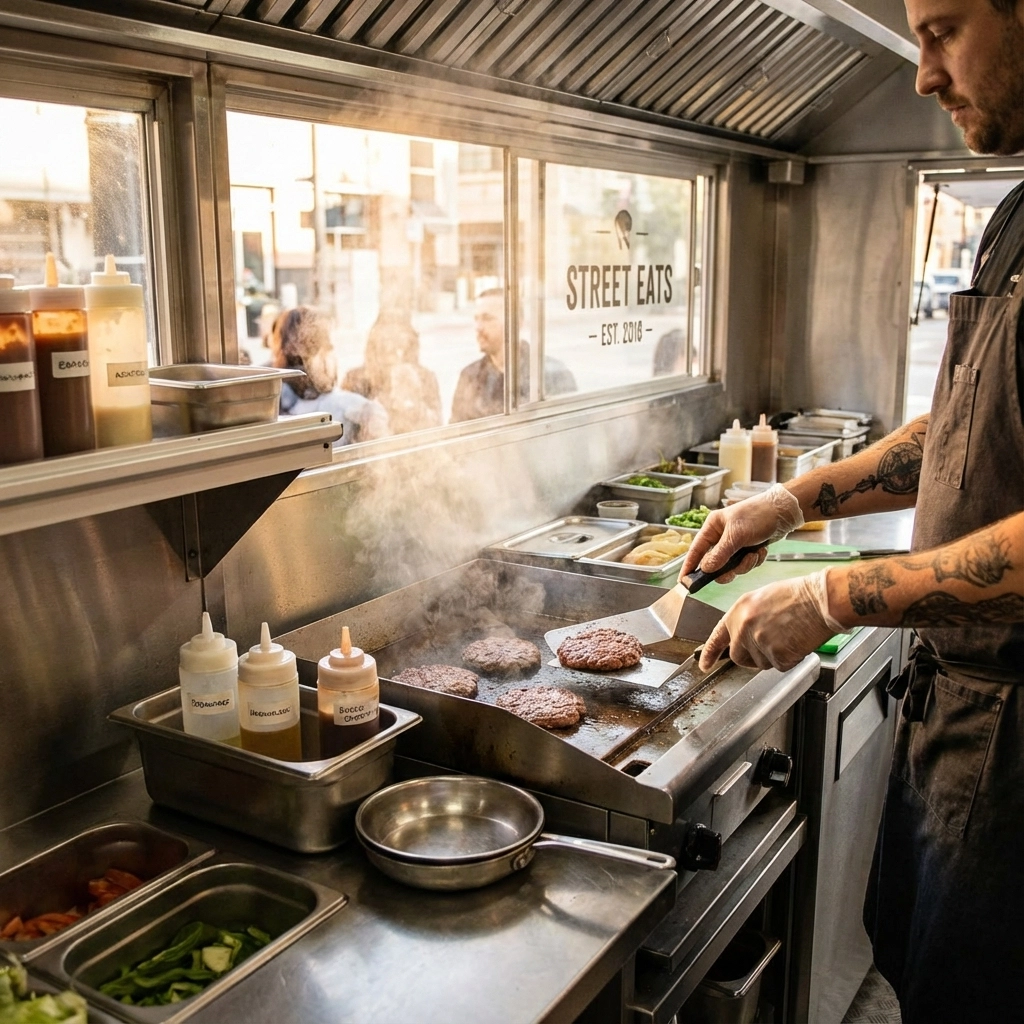
Restaurants planning potential transitions should consider equipment choices that support mobile operations. Squeeze Burger's ability to quickly shift to food truck service suggests their core preparation processes were adaptable to mobile formats.
3. Build Location-Independent Brand Value
Restaurants dependent on specific locations face greater risk during lease disputes. Squeeze Burger's brand recognition, built around their signature cheese-skirted burgers, transfers effectively to mobile operations.
4. Negotiate Lease Terms Proactively
Waiting until lease expiration to begin negotiations creates unnecessary pressure. Starting renewal discussions 12-18 months early provides time to explore alternatives if initial terms prove unacceptable.
The Food Truck Advantage in 2026
Food truck operations have evolved significantly beyond their traditional limitations. Modern food trucks can deliver restaurant-quality experiences while maintaining operational advantages:
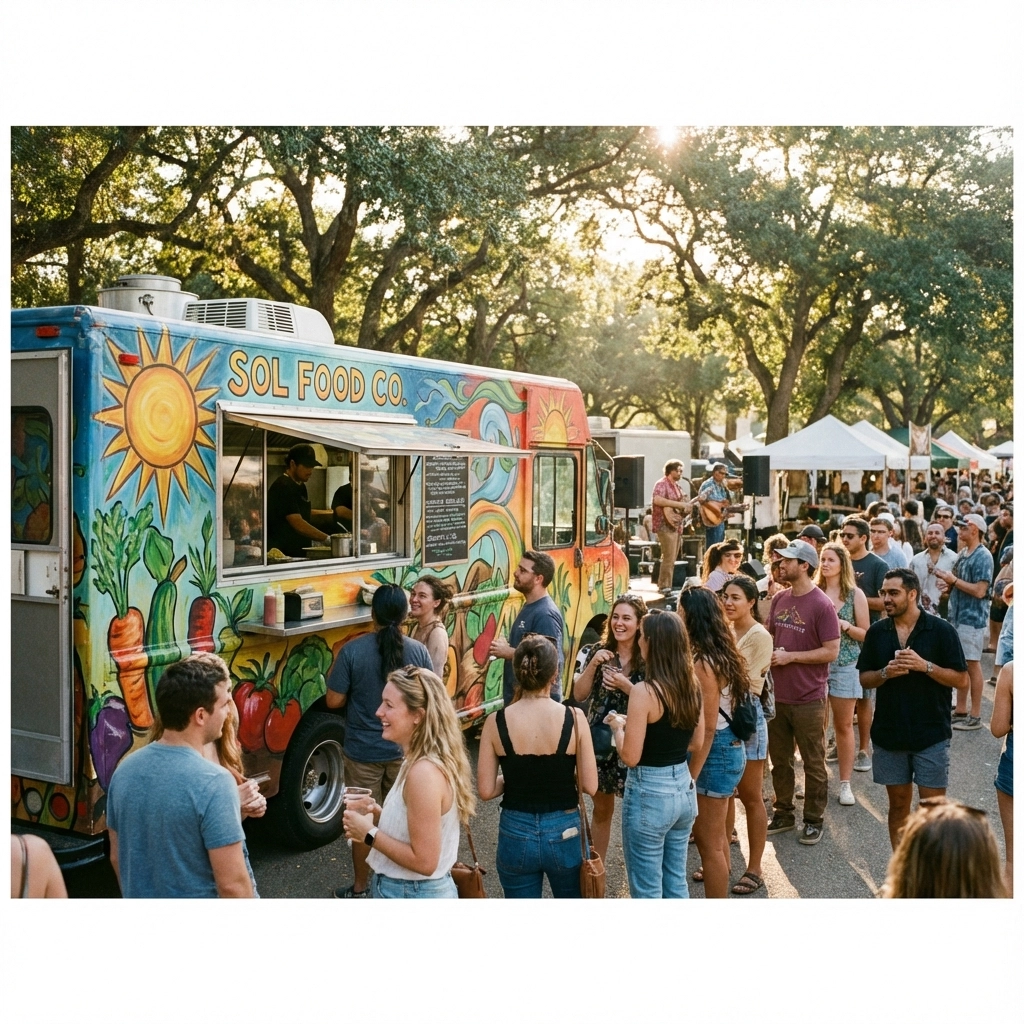
Event Revenue Opportunities: Food trucks access revenue streams unavailable to traditional restaurants, including festivals, private events, corporate catering, and special occasions.
Market Testing Capability: Operators can test new locations and menu items with minimal commitment before making permanent location decisions.
Seasonal Flexibility: Food trucks can follow seasonal demand patterns, moving between business districts, residential areas, and event locations as traffic patterns change.
Strategic Considerations for Food Truck Transitions
Restaurant operators considering food truck pivots should evaluate several key factors:
Regulatory Compliance
Food truck operations require different permits, health department approvals, and insurance coverage than traditional restaurants. Understanding these requirements early prevents operational delays.
Menu Adaptation
Not all restaurant menus translate effectively to food truck operations. Squeeze Burger's burger-focused concept adapts well to mobile preparation, but complex multi-course menus may require significant modification.

Customer Communication
Clear communication about the transition helps maintain customer loyalty. Squeeze Burger's social media announcement explained the change while expressing commitment to continued service.
Financial Planning
Food truck operations require different cash flow management than traditional restaurants. While overhead costs decrease, revenue patterns may become less predictable, requiring adjusted financial planning.
Market Positioning Opportunities
The food truck transition creates positioning opportunities that established restaurants cannot access:
Community Engagement: Mobile operations can participate in community events, farmers markets, and festivals, building stronger local connections.
Social Media Content: Food truck operations generate natural content for social media marketing, with location announcements and event participation creating regular engagement opportunities.
Catering Services: Mobile equipment supports catering operations that can generate higher per-customer revenue than traditional restaurant service.
Long-Term Strategic Benefits
While Squeeze Burger plans to return to brick-and-mortar operations, their food truck experience will provide long-term strategic benefits:
Market Intelligence: Operating in multiple locations provides data about customer preferences and demand patterns across different areas.
Operational Efficiency: Food truck constraints force operational streamlining that can improve efficiency in future permanent locations.
Financial Flexibility: Proven ability to operate profitably with mobile operations provides security for future lease negotiations.
Professional Support for Restaurant Transitions
Restaurant transitions require specialized expertise in lease negotiation, operational restructuring, and financial planning. Professional consulting services can help operators evaluate options and execute transitions effectively.
At McFadden Finch Restaurant Consulting Group, we specialize in helping restaurant operators navigate challenging transitions while maintaining operational continuity. Our restaurant turnaround services address the specific challenges operators face during location changes and business model pivots.
Whether evaluating food truck operations, negotiating lease renewals, or planning strategic transitions, professional guidance helps restaurant operators make informed decisions that protect their business interests while positioning for future growth.
Implementation Steps for Restaurant Operators
Operators considering similar transitions should follow systematic approaches:
- Assess Financial Position: Evaluate current cash flow and determine sustainable operating costs for transition period
- Research Regulatory Requirements: Understand permits, licenses, and compliance requirements for food truck operations
- Evaluate Menu Compatibility: Determine which menu items translate effectively to mobile operations
- Develop Transition Timeline: Create detailed schedules for equipment modification, permit acquisition, and operational changes
- Plan Customer Communication: Prepare messaging strategies to maintain customer relationships during transitions
Squeeze Burger's strategic response to lease rejection demonstrates how restaurant operators can transform challenges into opportunities. Their commitment to maintaining operations while searching for optimal permanent locations shows sophisticated business planning that other operators should study and adapt to their specific situations.
The restaurant industry's complexity requires operators to develop multiple contingency plans for unexpected challenges. Food truck operations represent one viable option for maintaining business continuity while preserving the option for future permanent location establishment.