A Dollar Doesn't Go Far in San Francisco: Except on Wednesdays
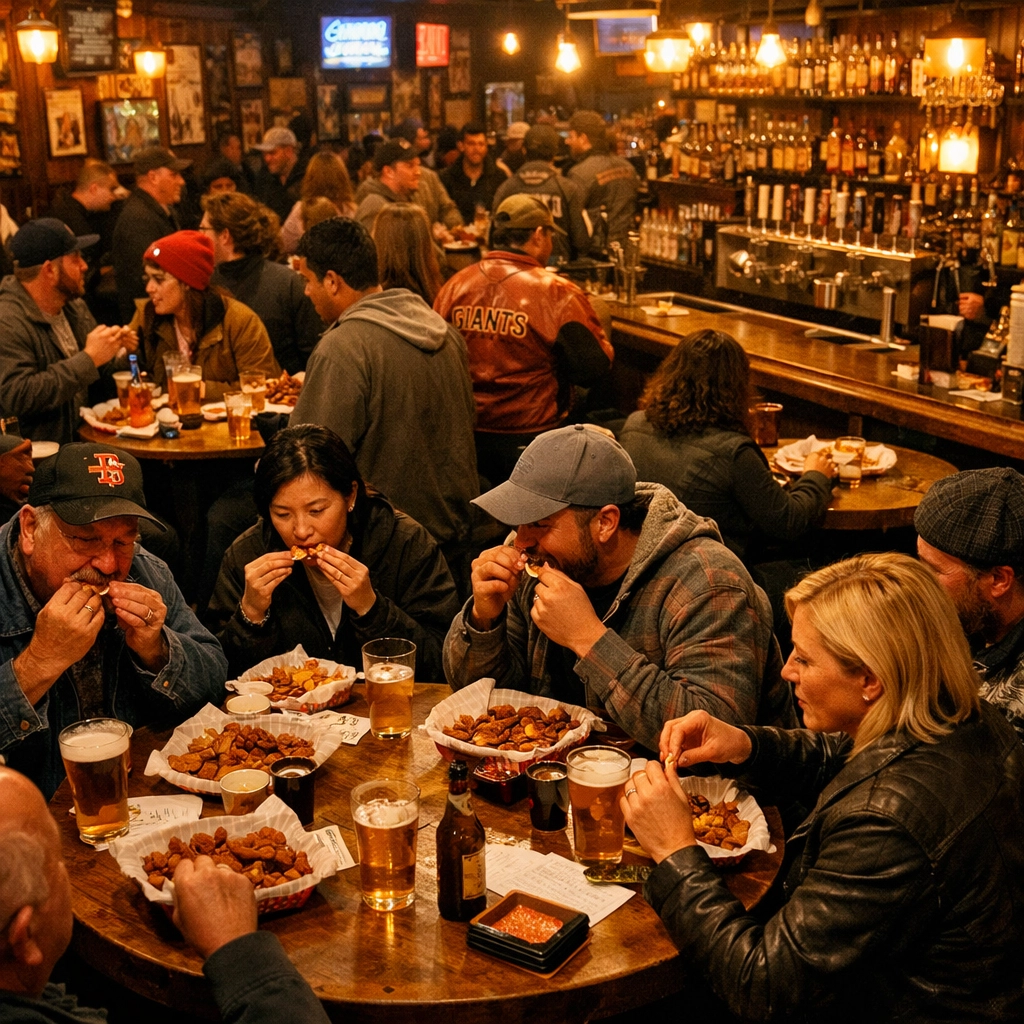
In a city where parking costs more than dinner and a cocktail runs $18, there's still one place where a dollar means something: Hotel Utah Saloon's Wing Wednesday. While every other establishment raises prices to match San Francisco's escalating costs, this 116-year-old dive bar refuses to budge on its signature promotion.
The move seems counterintuitive. Wing prices have increased across the board. Rent in SoMa continues climbing. Labor costs hit new highs every year. Yet Hotel Utah keeps serving $1 wings every Wednesday, packed with commuters, regulars, and first-timers who heard about the deal from a friend.
This isn't stubbornness. It's strategy.
Built for Workers, Survived for a Century
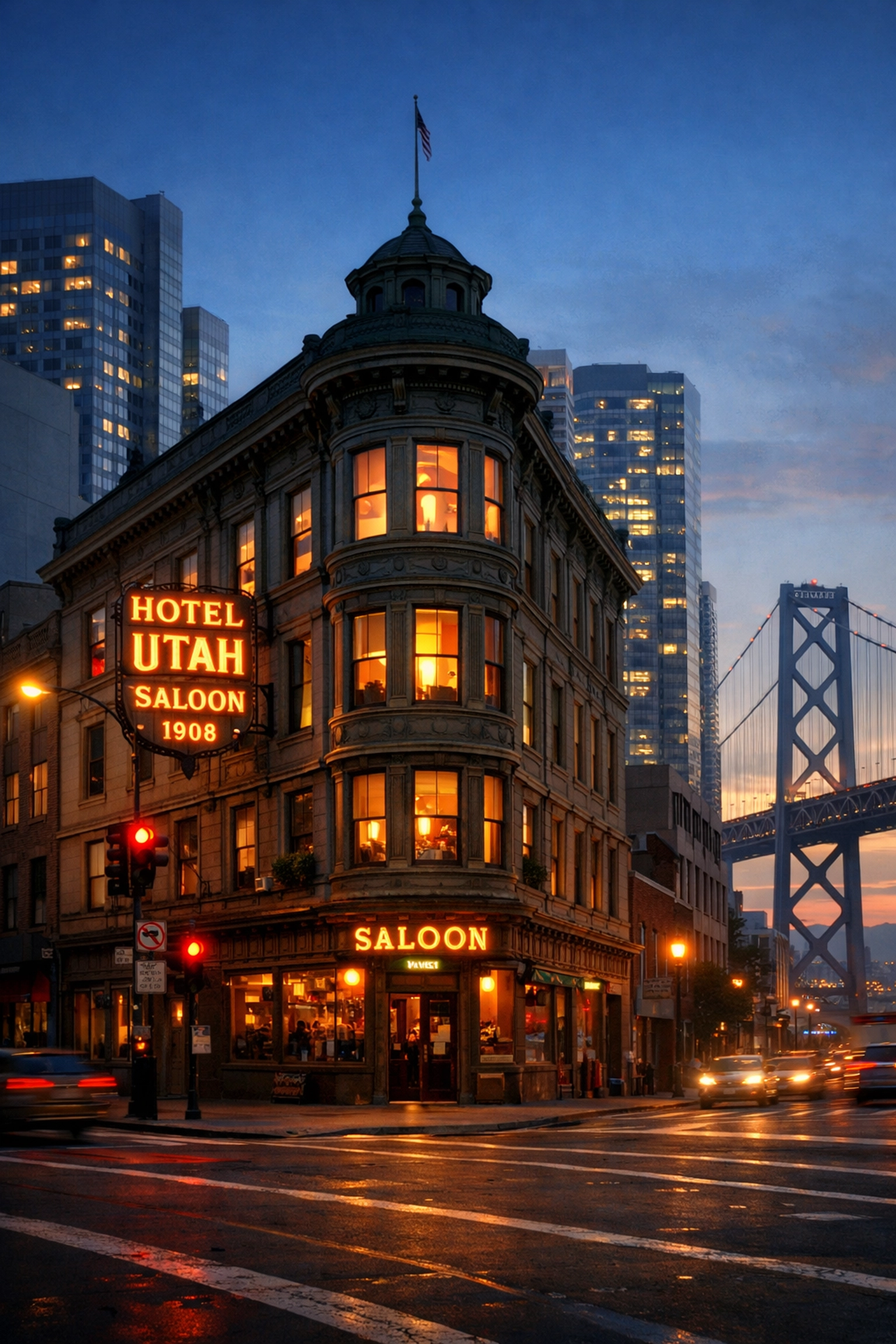
Hotel Utah opened in 1908 as a residential hotel and saloon serving seasonal workers near the Bay Bridge. The location made sense: dockworkers, construction crews, and laborers needed affordable lodging and cheap drinks after long shifts. The neighborhood was industrial, working-class, and transient.
Then came the waves of redevelopment. During the 1940s and 1950s, South of Market transformed dramatically. Nearly every residential hotel in the area was demolished to make way for modern development. Hotel Utah remained standing: a relic from another era, surrounded by new construction and changing demographics.
The building could have disappeared like its neighbors. Instead, it adapted.
The 1977 Pivot That Changed Everything
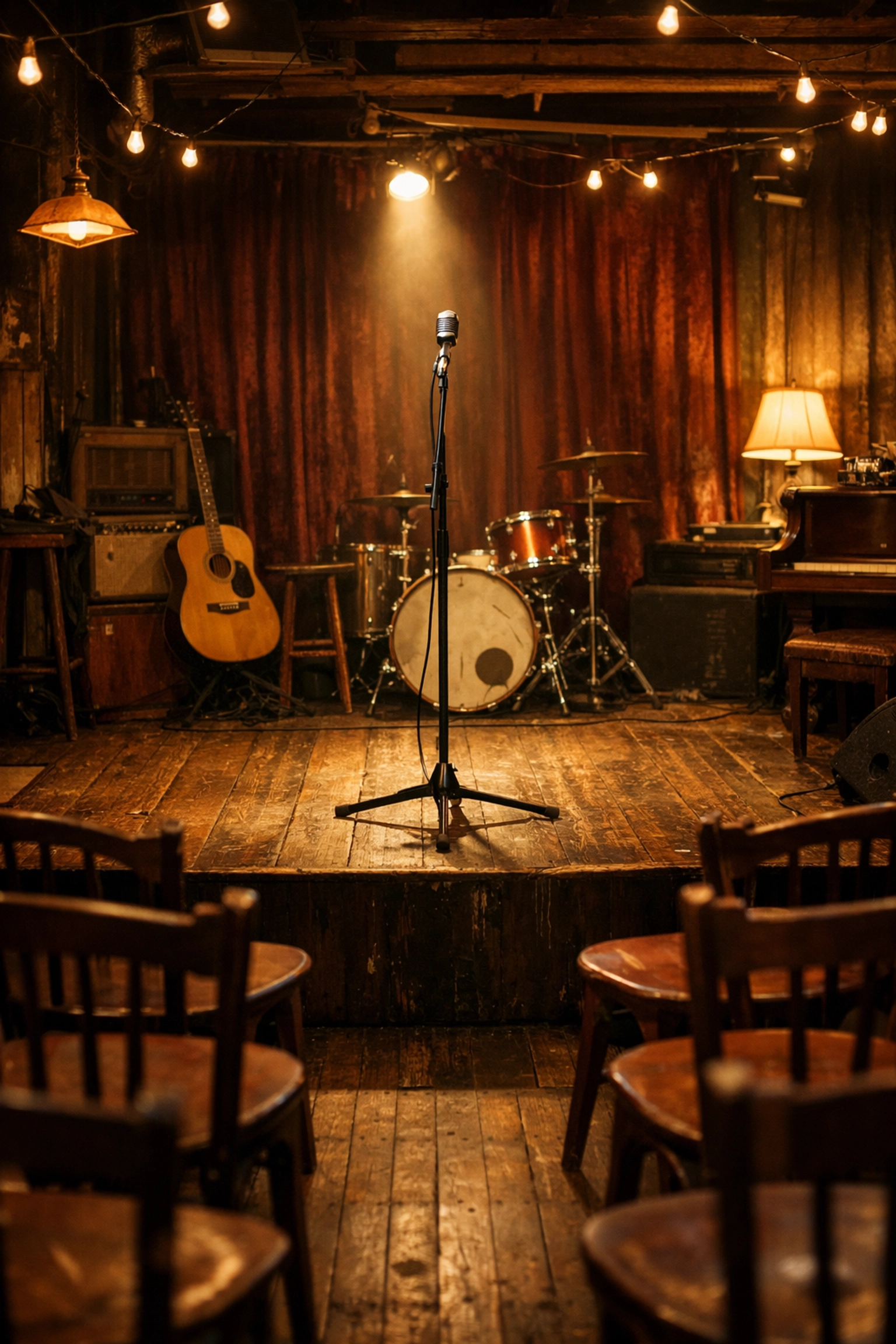
In 1977, Paul Gaer purchased the bar and recognized an opportunity. Rather than competing as just another neighborhood saloon in a city filled with upscale cocktail bars and themed establishments, he built a stage and transformed Hotel Utah into a cultural venue.
The strategy worked. Early performers included Whoopi Goldberg, Robin Williams, and the Pickle Family Circus. The venue became known for experimental art, comedy, theater, and local music. Hotel Utah wasn't selling drinks in a dive bar anymore: it was selling access to San Francisco's creative culture at ground level.
This positioning created lasting value. The venue earned landmark status in 2018 as San Francisco's 282nd designated landmark. That cultural prestige provides both recognition and protection against development pressures that have claimed countless other legacy businesses.
The Loss Leader Strategy: Why $1 Wings Make Financial Sense
Every restaurant consulting project in SF involves the same conversation: rising costs, shrinking margins, and the need to increase prices. Operators struggle with the math. If food costs increase 20%, shouldn't menu prices follow?
Not always.
Hotel Utah's $1 Wing Wednesday demonstrates the power of a strategic loss leader. The promotion likely operates at or below cost when factoring in food, labor, and overhead. But the deal accomplishes several critical objectives:
Consistent Traffic on Slow Nights
Wednesday historically ranks among the weakest days for bar traffic. The wing promotion transforms a slow night into a packed house, generating volume that offsets the low margin on wings through increased beverage sales.
Customer Acquisition and Retention
The promotion attracts new customers who might not otherwise visit a dive bar near the Bay Bridge. Once inside, they discover the music venue, the atmosphere, and the regular programming. Many return on full-price nights.
Brand Differentiation in a Competitive Market
San Francisco has hundreds of bars. Hotel Utah stands out because it offers something genuinely unique: not just affordable wings, but an experience tied to the city's working-class history and creative culture.
Media and Word-of-Mouth Amplification
The $1 wing deal generates ongoing conversation. It's memorable, shareable, and reinforces the venue's identity as a holdout against gentrification and rising costs.
Bar and restaurant consultants often advise against promotions that don't cover costs. But that advice misses the larger strategic picture. Hotel Utah isn't selling wings on Wednesday: it's selling the brand, building loyalty, and ensuring foot traffic that supports the entire operation.
The Commuter Refuge Factor
Hotel Utah's location near the Bay Bridge positions it perfectly as a commuter refuge. Workers leaving downtown or heading across the bridge stop in for a quick drink and affordable food. The venue isn't trying to compete with high-end establishments in the Financial District or Mission: it serves a different audience with different needs.
This positioning matters for legacy business survival. Rather than chasing trends or attempting to match the aesthetic of newer competitors, Hotel Utah leans into its identity: unpretentious, affordable, and rooted in working-class history.
The strategy works because it's authentic. The venue doesn't pretend to be something it's not. The dive bar atmosphere, the scratched wooden bar, the worn floors: these aren't design choices from a concept deck. They're genuine markers of time and use.
What Modern Operators Can Learn
Restaurant turnaround projects often focus on updating aesthetics, refreshing menus, and repositioning concepts to attract higher-spending customers. Sometimes that's necessary. But Hotel Utah's survival demonstrates an alternative approach: double down on what makes you distinct.
Identify Your Core Value Proposition
Hotel Utah isn't the best cocktail bar or the trendiest venue. It's an affordable, authentic space with cultural significance. That clarity drives every decision.
Use Strategic Promotions to Build Traffic
Loss leaders work when they support broader business objectives. The $1 wing deal brings customers in the door, creates predictable traffic patterns, and generates word-of-mouth marketing that money can't buy.
Leverage Cultural Capital
Landmark status, historical significance, and community connection provide competitive advantages that can't be replicated by new competitors. These assets deserve investment and protection.
Serve Your Actual Audience
Chasing demographics that don't naturally fit your location or concept rarely works. Hotel Utah serves commuters, locals, and music fans: not tourists seeking Instagram-worthy cocktails. That focus creates a sustainable customer base.
The Cultural Value of Enduring SF Deals
San Francisco has lost countless legacy businesses to rising costs and changing neighborhoods. Every closure eliminates not just a business but a piece of the city's cultural fabric. The places that survive: like Hotel Utah: become increasingly valuable as reminders of what the city used to be.
The $1 Wing Wednesday deal represents something larger than affordable food. It's a statement about values, priorities, and resistance to market forces that push everything toward premium pricing and exclusivity. In a city where accessibility increasingly means "accessible only to the wealthy," Hotel Utah's commitment to affordability matters.
Which other longtime SF deals should never disappear? The answer depends on what we value about the city. If San Francisco is only for high-earners who can afford $20 cocktails and $45 entrées, then let market forces eliminate all the affordable holdouts. But if the city benefits from economic diversity, creative culture, and spaces where regular people can gather without breaking their budget, then places like Hotel Utah deserve support and protection.
Beyond Wings: Strategic Thinking for Legacy Operators
Restaurant consulting in SF often focuses on maximizing revenue per square foot and increasing average check size. Those metrics matter. But they're not the only measures of success.
Hotel Utah's longevity demonstrates alternative success metrics: community impact, cultural significance, consistent profitability over decades, and the ability to adapt without abandoning core identity.
For legacy operators struggling with whether to maintain long-standing promotions and pricing in the face of rising costs, the Utah offers a framework:
- Calculate the true value of the promotion beyond immediate margin
- Consider customer lifetime value, not just transaction value
- Evaluate whether the promotion reinforces or undermines brand identity
- Assess whether eliminating the deal would damage customer relationships
- Determine if the promotion drives traffic during otherwise slow periods
Sometimes the math supports maintaining seemingly unprofitable promotions. Sometimes it doesn't. The key is making the decision strategically rather than reactively.
Visit the Utah, Support SF Legacy Businesses
If you haven't experienced $1 Wing Wednesday at Hotel Utah Saloon, add it to your list. The wings are solid, the atmosphere is authentic, and you'll be supporting a business that has chosen to prioritize community over maximum profit extraction.
For operators managing their own legacy businesses or working to revitalize concepts with deep community roots, the Executive Team at McFadden Finch Restaurant Consulting Group specializes in restaurant turnaround strategies that honor what makes a concept valuable while addressing operational challenges.
The goal isn't to turn every venue into Hotel Utah. The goal is to identify what makes each business distinct and build strategy around those core strengths. Sometimes that means maintaining promotions that don't make sense on a spreadsheet but create enormous value in customer loyalty and brand differentiation.
The $1 wing might lose money on paper. But it's kept Hotel Utah alive, relevant, and packed for decades. That's not bad math: that's exceptional strategy.
Contact the Executive Team to discuss how strategic promotion planning and legacy business positioning can strengthen your operation in San Francisco's challenging market.