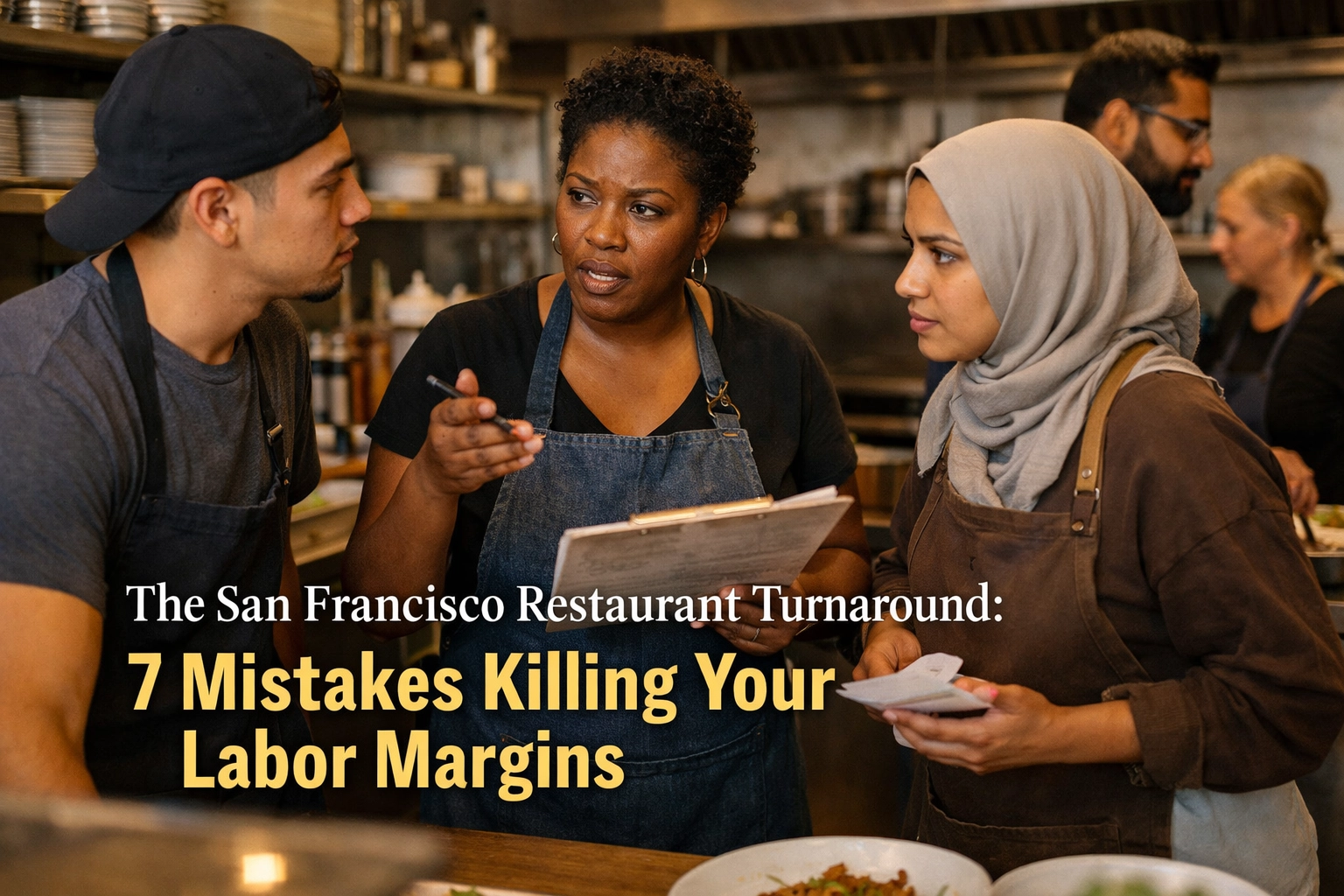
San Francisco's minimum wage is projected to hit $19.18 per hour in 2026. For restaurant operators already working with thin margins, this isn't just a headline: it's a direct hit to your P&L. The solution isn't simply raising menu prices across the board. That's a race to the bottom. The real answer lies in prime cost management: the combination of your labor costs and food costs. Get this number under control, and you can weather the wage increase without losing customers or your sanity.
Here's how to do it.
Understanding the Prime Cost Problem
Prime cost is the single most important number on your profit and loss statement. It's calculated by adding your total labor costs (wages, benefits, payroll taxes) to your total cost of goods sold (food and beverage). For a healthy restaurant, prime cost should fall between 55% and 65% of total revenue.
When labor costs jump: as they will with San Francisco's 2026 wage hike: your prime cost percentage climbs with it. If you don't adjust, your margins shrink. According to recent industry data, 89% of restaurant operators reported rising labor costs in 2024, with half responding by raising menu prices.
But price increases alone aren't enough. Research shows that lower-rated restaurants close faster when wages rise compared to high-end establishments with pricing power. If you're not a fine-dining destination, you need a smarter approach.
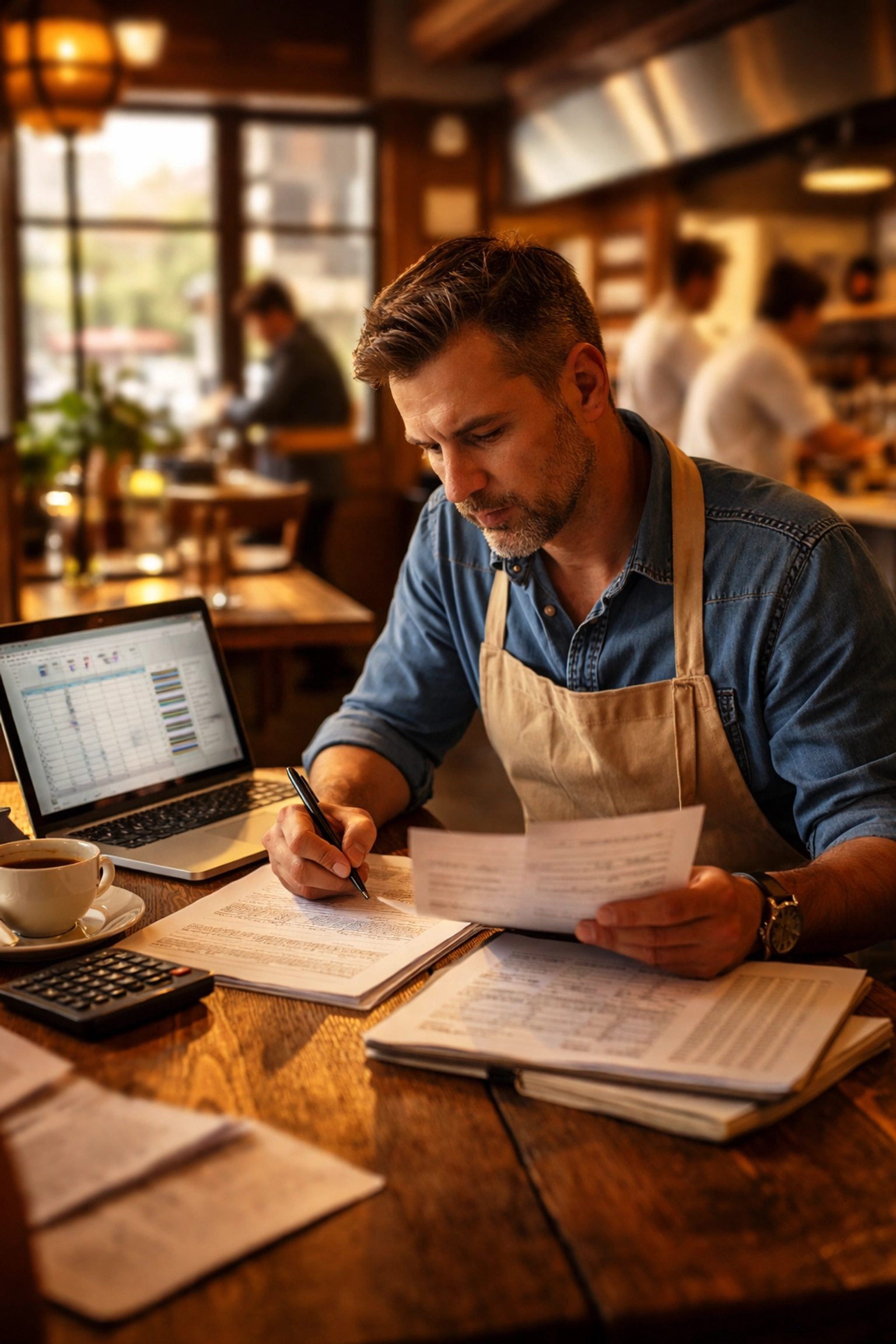
Strategy 1: Menu Engineering for Higher Margins
Menu engineering is the practice of analyzing your menu items based on profitability and popularity, then making strategic decisions about what to keep, promote, modify, or remove.
How It Works
Every item on your menu falls into one of four categories:
- Stars: High profit, high popularity. Promote these heavily.
- Plowhorses: Low profit, high popularity. Adjust recipes or portion sizes to improve margins.
- Puzzles: High profit, low popularity. Better positioning or staff training can increase sales.
- Dogs: Low profit, low popularity. Remove these from the menu.
Labor-Intensity Matters
When wages rise, labor-intensive dishes become more expensive to produce. A dish that requires 15 minutes of prep time costs more in 2026 than it did in 2024: even if ingredient costs stay flat.
Focus on high-margin, low-labor-intensity dishes. Restaurants across the Bay Area are already shifting toward items like ramen, pasta, and rice-based dishes that absorb labor cost increases more effectively.
This isn't about cutting corners. It's about designing a menu that works with your cost structure, not against it.
Strategy 2: Labor Efficiency Through SOPs
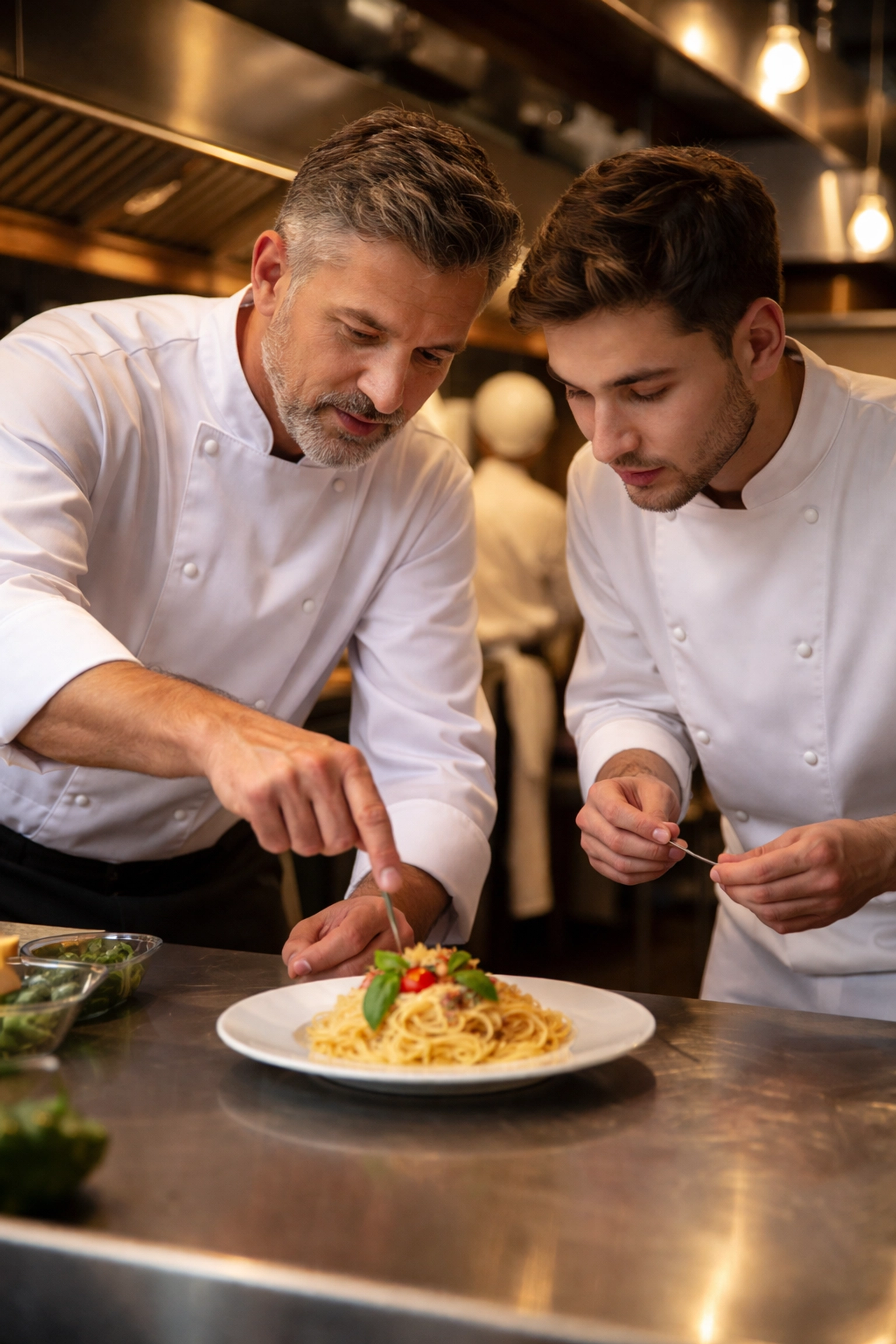
Standard Operating Procedures (SOPs) are documented processes that define exactly how tasks should be completed in your restaurant. They're the foundation of consistent service and efficient labor usage.
Why SOPs Matter for Labor Costs
Without clear SOPs, staff members work inefficiently. They take longer to complete tasks, make more mistakes, and require more supervision. All of this costs money.
With well-designed SOPs, your team knows exactly what to do and when to do it. Training time decreases. Errors decrease. Productivity increases.
Key Areas for SOP Development
- Opening and closing procedures: Eliminate wasted time at the start and end of each shift.
- Station setup: Ensure each position is ready for service without scrambling.
- Order flow: Define clear handoffs between front-of-house and back-of-house.
- Side work: Assign specific tasks to specific roles to prevent duplication or neglect.
The goal is to help your staff do more with less stress. When employees know what's expected, they perform better. When they perform better, you need fewer labor hours to achieve the same results.
For operators looking to implement this at scale, restaurant consulting services can help develop SOPs tailored to your specific concept and workflow.
Strategy 3: Precision Scheduling
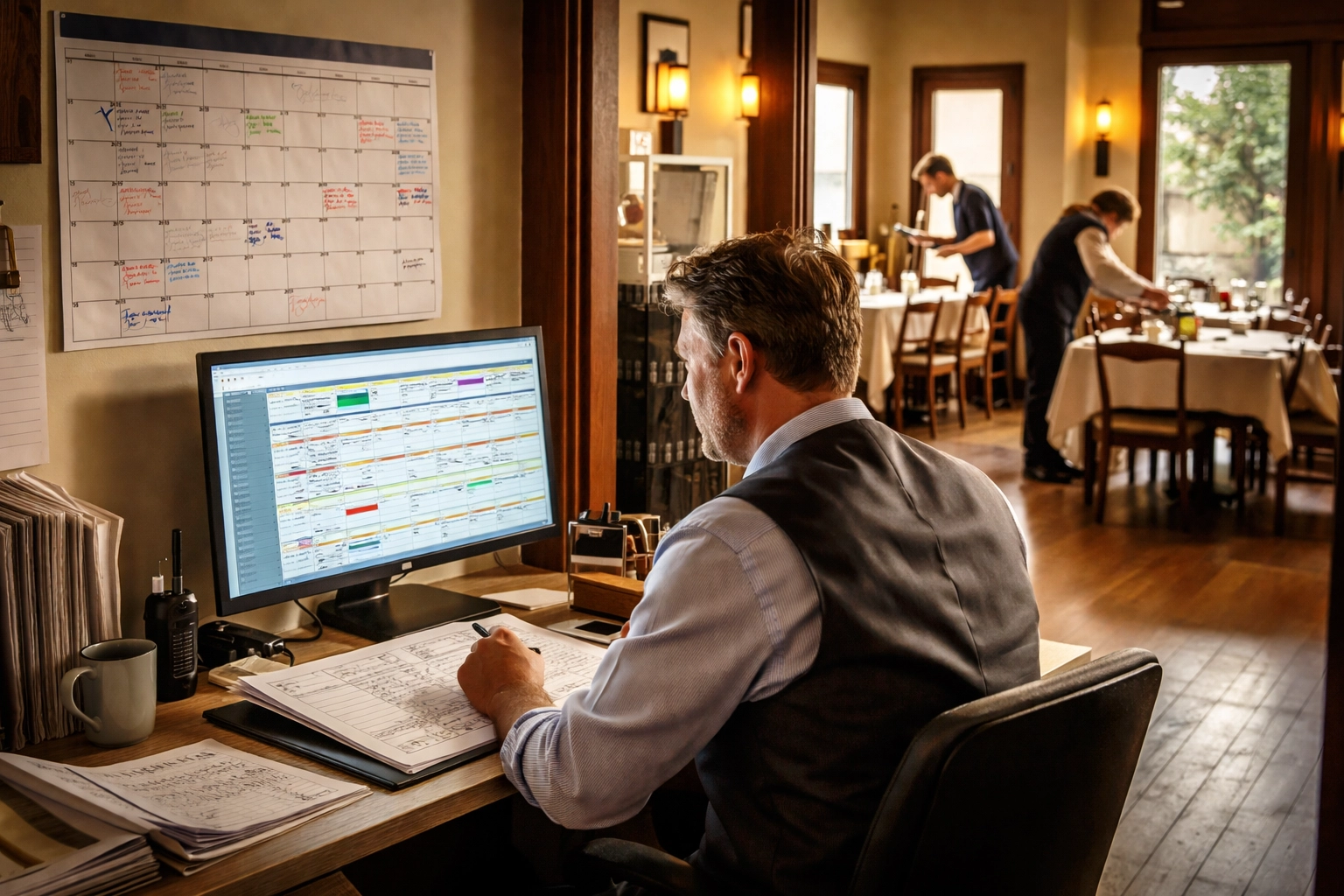
Most restaurants schedule based on habit or gut feeling. That's expensive. Precision scheduling uses actual sales data to match labor to customer demand.
The Cost of Over-Scheduling
Every hour of labor you schedule beyond what's needed is money out of your pocket. At $19.18 per hour, a single extra employee working a four-hour shift costs you nearly $77 in wages alone: before payroll taxes and benefits.
Multiply that by several shifts per week, and you're looking at thousands of dollars in unnecessary labor costs each month.
The Cost of Under-Scheduling
Under-scheduling creates its own problems. Service suffers. Customers wait longer. Reviews drop. Staff burns out and quits, driving up turnover and training costs.
The solution is matching your schedule to your actual sales volume.
How to Implement Precision Scheduling
- Track sales by hour and day: Use your POS system to identify patterns.
- Calculate labor cost per revenue dollar: Know what percentage of each dollar goes to labor during different dayparts.
- Build schedules from data: Staff heavier during proven busy periods, lighter during slow ones.
- Review and adjust weekly: Sales patterns change. Your schedule should too.
Tools like 7shifts and other workforce management platforms can automate much of this process, but the strategy works even with a simple spreadsheet if you're consistent.
The Price Increase Question
Should you raise prices? Probably: but strategically.
Across-the-board price increases push customers toward competitors. Selective price increases protect your margins without driving traffic away.
Where to Raise Prices
- Alcohol and beverages: These typically carry higher margins and customers are less price-sensitive.
- Appetizers and sides: Smaller ticket items where a $1-2 increase goes unnoticed.
- Specialty items: Unique dishes that customers can't get elsewhere.
Where to Hold Prices
- Bestselling entrees: These drive traffic. Keep them accessible.
- Value-oriented items: If you serve a price-conscious crowd, protect your entry-level options.
This approach lets you recover some margin without fundamentally changing your value proposition.
When to Call for Help
Some operators can implement these strategies internally. Others need outside support: especially when the P&L is already stressed.
A restaurant turnaround engagement typically starts with a prime cost audit. This identifies exactly where your money is going and where the opportunities for improvement exist.
From there, the work focuses on the strategies outlined above: menu engineering, SOP development, and labor optimization. The goal is a sustainable business model that works at $19.18 per hour: and whatever comes after.
Operations consulting can also address systemic issues in workflow, training, and management that contribute to inflated labor costs.
The Bottom Line
San Francisco's 2026 minimum wage increase is coming. You can't stop it. But you can prepare for it.
The restaurants that survive: and thrive: will be the ones that treat this as a prime cost challenge, not just a price increase opportunity. They'll engineer their menus for margin. They'll train their teams with clear SOPs. They'll schedule with precision.
This isn't about cutting quality or service. It's about running a tighter operation that delivers the same experience at a sustainable cost.
The $19.18 challenge is real. But it's manageable: if you start now.
Need help protecting your margins? McFadden Finch Restaurant Consulting Group specializes in restaurant turnaround and prime cost management for Bay Area operators. Contact us to schedule a consultation.
Sources: 7shifts, local labor cost projections, 2024 restaurant industry labor reports.
#RestaurantConsulting #SanFranciscoRestaurants #LaborCosts #MenuEngineering #RestaurantTurnaround