Source: Asia Martin, Silicon Valley Business Journal, January 15, 2026
Nob Hill Foods will close its Mountain View location at the end of May 2026. The 58,000-square-foot grocery store operated at 1250 Grant Road for nearly 20 years. Parent company Raley's cited lease renewal timing, store performance, and economic factors in the decision.
This closure affects 50 employees and leaves an anchor spot vacant in Grant Park Plaza. For restaurant operators in the Bay Area, the situation presents three critical lessons about lease strategy, foot traffic dependencies, and rezoning trends.
The Facts
Raley's confirmed the closure in a statement to the Silicon Valley Business Journal: "With the lease up for renewal, and after careful review of the store's performance and economic factors, we have chosen not to extend the lease."
This marks the third Nob Hill Foods closure in the Bay Area since 2022. Previous closures in Walnut Creek and San Ramon were attributed to rising rents. The Mountain View location sits in an area the city has targeted for multifamily housing rezoning.
Employees will have the option to transfer to other Nob Hill Foods locations in the South Bay.
Lesson 1: The Lease Renewal Reality Check
Raley's walked away from a 20-year location. The key phrase in their statement: "careful review."
Many restaurant owners renew leases automatically. The location feels familiar. The staff knows the space. Moving seems disruptive. But Raley's decision demonstrates performance-based thinking over emotional attachment.

What a Lease Review Should Include
| Factor | Questions to Ask |
|---|---|
| Sales Performance | Are revenues trending up, flat, or declining? |
| Rent-to-Revenue Ratio | Does rent stay below 8-10% of gross sales? |
| Market Conditions | Are comparable spaces available at better rates? |
| Landlord Intentions | Is the property being sold or redeveloped? |
| Area Demographics | Has the customer base shifted? |
Restaurant operators should begin this review 18-24 months before lease expiration. Waiting until the final months limits negotiating leverage and exit options.
For a detailed breakdown of location analysis, see our feasibility study guide.
Lesson 2: The Anchor Tenant Effect
Nob Hill Foods occupied 58,000 square feet in Grant Park Plaza. That space generated foot traffic for every neighboring business. When it closes in May 2026, surrounding restaurants and retailers will feel the impact.
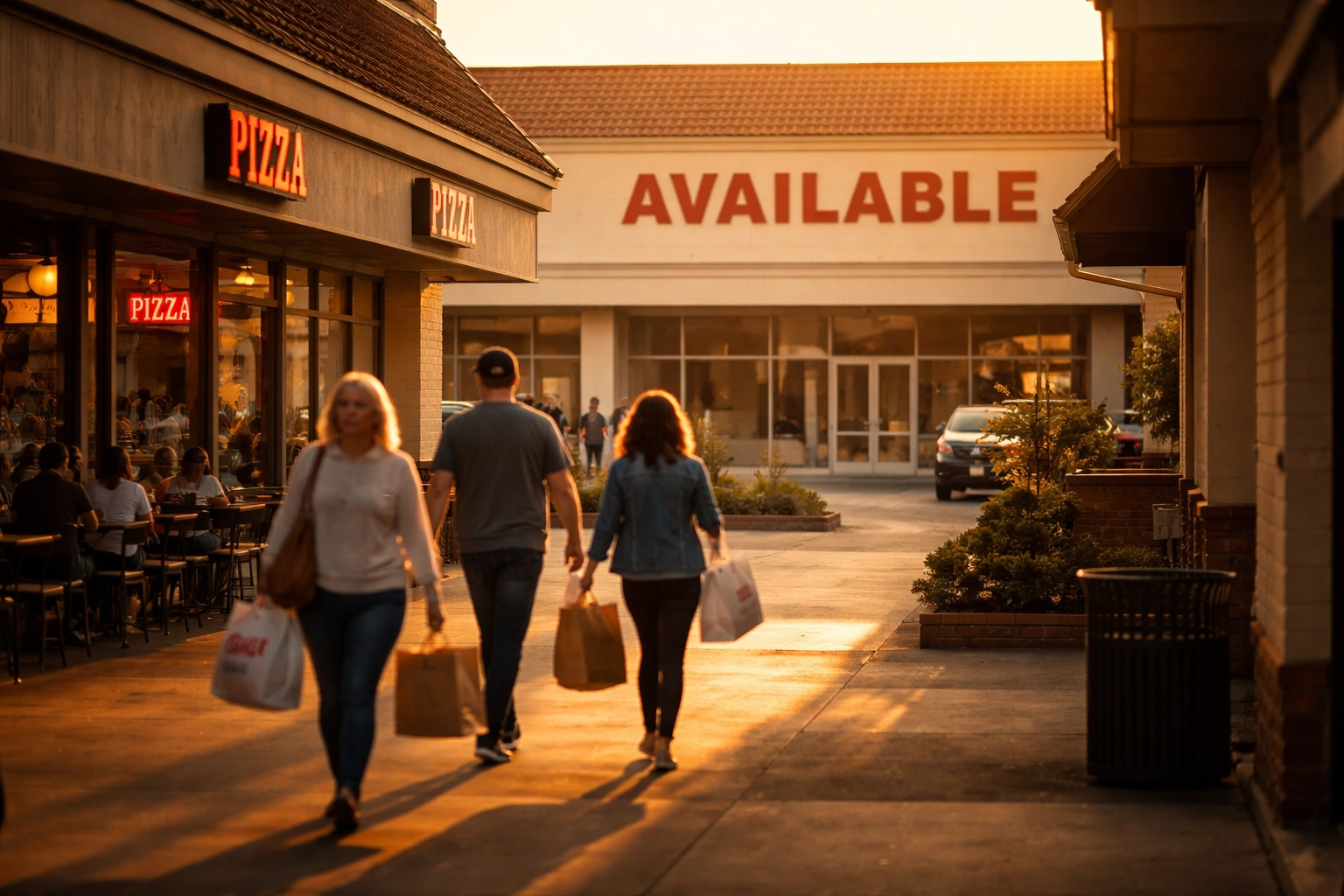
How Anchor Tenants Drive Traffic
Anchor tenants pull customers into a shopping center. Those customers then visit secondary tenants: restaurants, cafes, dry cleaners, salons. When the anchor leaves:
- Daily foot traffic drops 20-40% depending on the anchor type
- Lunch and dinner rushes shrink as fewer shoppers are nearby
- Parking lot visibility decreases which affects drive-by awareness
Restaurants in Grant Park Plaza should prepare now. Options include:
- Renegotiate lease terms based on projected traffic loss
- Increase marketing spend to offset reduced walk-in traffic
- Evaluate relocation if the shopping center's trajectory looks negative
The 99 Ranch Market remains in the same center, which may preserve some traffic. But the loss of 58,000 square feet of retail activity changes the dynamics.
For operators analyzing similar situations, our piece on San Jose restaurant closures of 2025 covers comparable Bay Area market shifts.
Lesson 3: Rezoning Signals
The Nob Hill Foods site sits in an area Mountain View has targeted for multifamily housing. This means townhomes or apartments could replace retail space.
Restaurant owners should monitor city planning documents. Rezoning from commercial to residential changes everything:
- Customer density shifts from daytime shoppers to evening residents
- Parking requirements change which can help or hurt accessibility
- Competition profiles shift as new residents attract different concepts
What Rezoning Means for Restaurant Feasibility
| Zoning Type | Typical Customer Profile | Peak Hours |
|---|---|---|
| Commercial/Retail | Shoppers, office workers | Lunch, weekends |
| Multifamily Residential | Residents, families | Dinner, weekends |
| Mixed-Use | Both profiles | All day |
A restaurant that thrived serving lunch to shoppers may struggle when the area converts to residential. Conversely, a dinner-focused concept might benefit from having 200+ new households within walking distance.
Track city council agendas. Attend planning meetings. Review general plan updates. These documents signal changes 2-5 years before they happen.
Simple Advice for Bay Area Restaurant Operators
Based on the Nob Hill Foods closure and current Bay Area restaurant trends:
1. Audit your lease economics annually. Don't wait for renewal. Know your rent-to-revenue ratio, CAM charges, and escalation clauses at all times.
2. Map your traffic sources. Identify what drives customers to your location. If 30% of your traffic comes from a neighboring anchor, that's a vulnerability.
3. Watch municipal planning. Subscribe to city planning newsletters. Rezoning announcements affect property values, foot traffic, and customer profiles.
4. Build renewal optionality. Negotiate shorter initial terms with renewal options rather than long fixed leases. This preserves flexibility.
5. Document everything. Keep records of traffic patterns, sales by daypart, and neighborhood changes. This data strengthens lease negotiations.
For comprehensive support on lease strategy and restaurant feasibility, contact McFadden Finch Restaurant Consulting Group.
FAQ: Restaurant Lease Renewals
When should I start preparing for lease renewal?
Begin 18-24 months before expiration. This allows time for performance review, market research, and negotiation.
What is a healthy rent-to-revenue ratio for restaurants?
Most restaurant consulting experts recommend keeping occupancy costs (rent + CAM + insurance) below 8-10% of gross revenue.
Can I renegotiate my lease if an anchor tenant leaves?
Yes. Anchor departures often trigger co-tenancy clauses or provide grounds for rent reduction discussions. Review your lease for specific provisions.
How do I find out about rezoning plans?
Check your city's planning department website. Attend city council meetings. Review the general plan and any specific area plans for your location.
Should I relocate if my shopping center loses its anchor?
It depends on your lease terms, relocation costs, and alternative site availability. Conduct a full feasibility analysis before deciding.
Next Steps
The Nob Hill Foods closure offers a case study in strategic decision-making. Raley's chose economics over sentimentality. Restaurant operators facing similar lease decisions should adopt the same approach.
Get a Lease Performance Audit
McFadden Finch Restaurant Consulting Group provides lease analysis and restaurant feasibility services for Bay Area operators. Request an audit.
Subscribe for Bay Area Market Updates
Stay informed on restaurant lease negotiation trends, closures, and openings across the Bay Area. Visit our site to subscribe.
#restaurantconsulting #BayArearestauranttrends #restaurantleasenegotiation #restaurantfeasibility #MountainViewbusiness