Published May 24, 2026
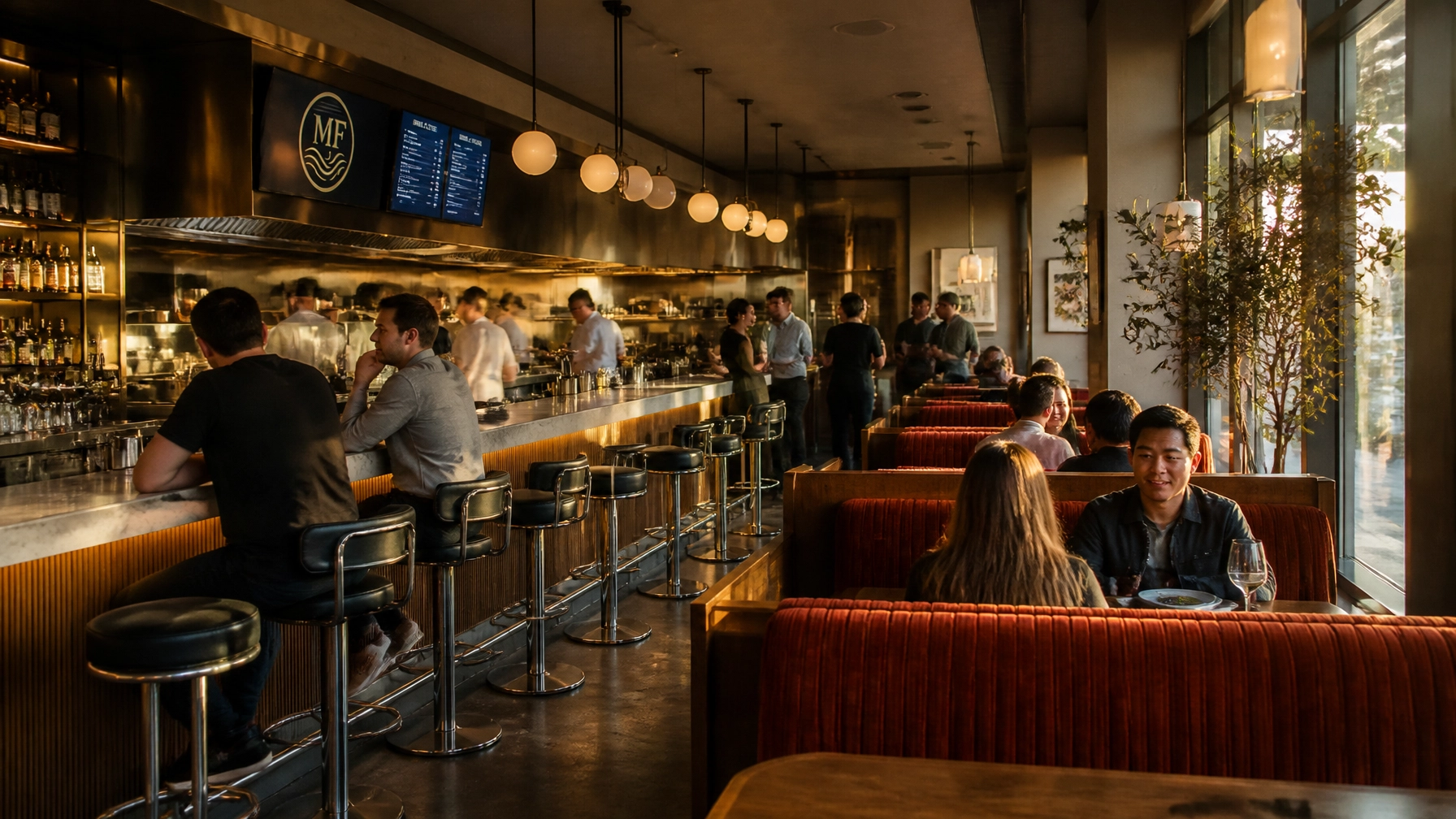
The hospitality landscape in 2026 is unrecognizable compared to the pre-digital era. Standing in a modern Bay Area bar today, you might see a guest sipping a mood-enhancing adaptogen tonic while working on a laptop at a travertine table, all while a smart oven in the open kitchen automatically updates its temperature settings for the evening rush. This shift is not accidental. It is the result of a deliberate move toward efficiency and atmospheric depth. As of early 2026, the National Restaurant Association reports that roughly 75% of operators still cite manager recruitment as their primary obstacle [1]. This persistent pressure has forced a total reimagining of how bars and restaurants are built and staffed.
The days of the single-use dark bar are fading. Today, restaurant consulting firms are advising clients to build spaces that act as chameleons, shifting from quiet co-working hubs to high-energy social lounges within hours. This evolution is driven by both changing consumer habits and the cold reality of Bay Area real estate costs. To survive, every square foot must work multiple jobs. At McFadden Finch Restaurant Consulting Group, we have seen this transition firsthand. The modern operator is no longer just selling a drink. They are selling an environment that accommodates a hybrid life.
In this guide, we break down the four core pillars of the 2026 bar blueprint. You will learn:
- How smart IoT equipment is slashing labor costs and energy waste.
- The layout requirements for the surging non-alcoholic and functional beverage market.
- Why the "middle-management gap" is the biggest threat to your growth and how to bridge it.
1. The Rise of the Multi-Functional Chameleon
Modern bar and restaurant consultants are moving away from the "night-only" revenue model. In 2026, the most successful venues are those designed for high utility. This means modular furniture that can transition from a morning cafe setup to an evening cocktail lounge in under fifteen minutes. The rise of remote and hybrid work has created a massive demand for "third spaces" that offer professional-grade Wi-Fi and high-quality coffee during the day, followed by sophisticated food and drink at night.
This trend is not just about furniture. It is about acoustics and lighting. Smart lighting systems now automatically shift color temperatures based on the time of day, moving from bright, focus-oriented cool tones at 10:00 AM to warm, intimate ambers by 6:00 PM. We often recommend installing hidden acoustic panels that dampen the clatter of a busy lunch service to allow for focused work, while still permitting the vibrant hum of a dinner crowd.

2. Smart Kitchens and the IoT Revolution
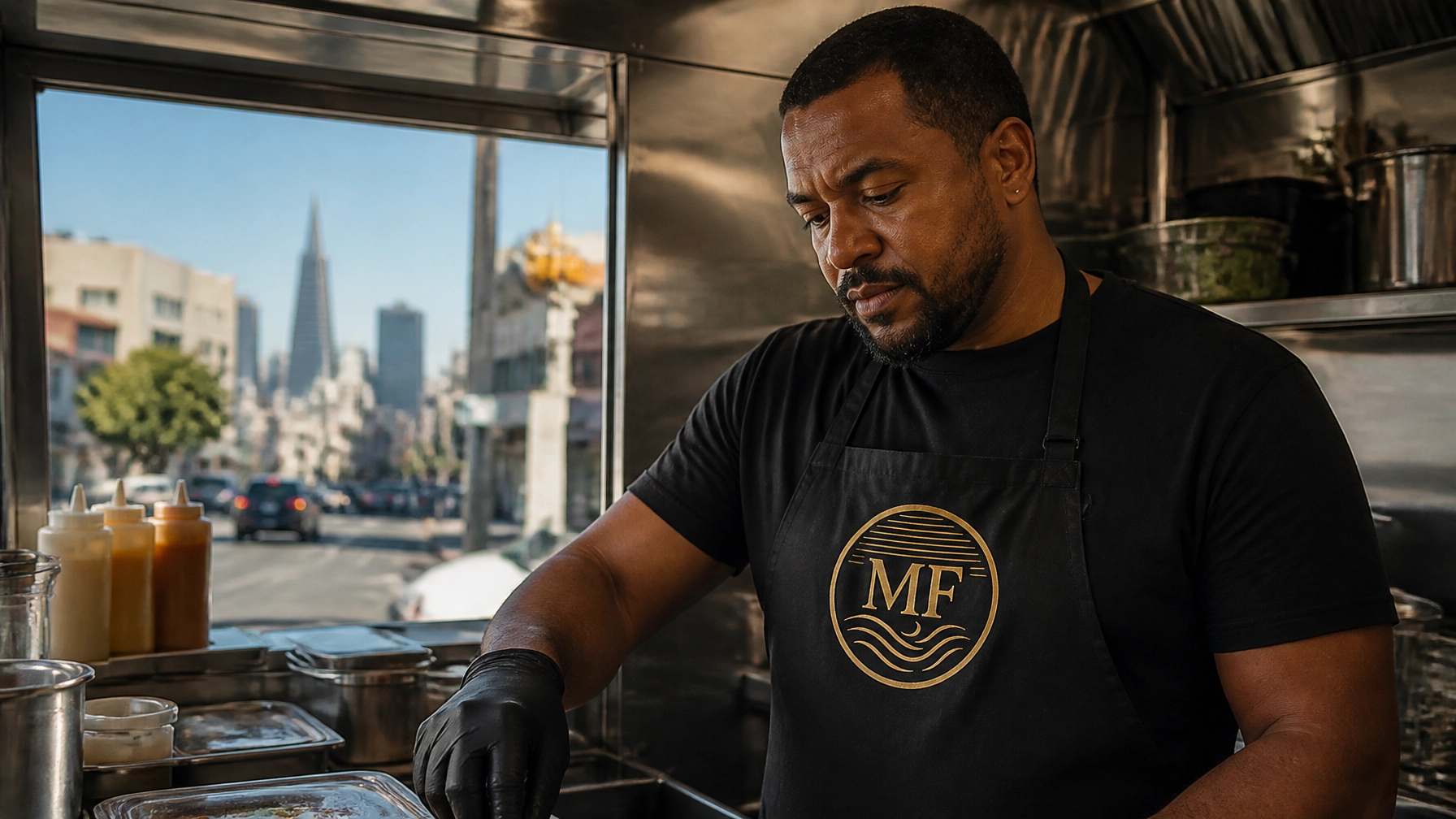
Efficiency is the only way to protect margins in a high-cost market. Every restaurant consulting firm worth its salt is now pushing for fully "connected" kitchens and bars. The Internet of Things (IoT) has moved from a buzzword to a baseline requirement. Smart equipment now handles the heavy lifting that used to require a dedicated supervisor.
Connected refrigeration systems now log temperatures every thirty seconds, satisfying HACCP requirements and sending instant alerts to an owner’s phone if a compressor fails at 3:00 AM [2]. In the bar, smart tap systems track every ounce poured, reconciling it against the POS in real-time to eliminate "invisible" waste. This level of automation is no longer a luxury. It is a tool to combat the rising cost of labor and energy. McFadden Finch Restaurant Consulting Group specializes in integrating these systems into kitchen and bar design to ensure that technology supports the human staff rather than complicating their workflow.

3. The New Beverage Station: NA, THC, and Functional Drinks
The beverage landscape has fractured into a dozen different categories. Alcohol is no longer the sole anchor of the bar program. According to recent industry data, the functional beverage market, which includes adaptogens, nootropics, and wellness tonics, is projected to reach $200 billion globally by the end of 2026 [3]. Additionally, in legal jurisdictions, THC-infused beverages have moved from dispensaries into specialized hospitality lounges.
This shift requires a total rethink of the bar layout. Bar and restaurant consultants are now designing "beverage labs" instead of traditional backbars. These stations include dedicated lines for nitro cold brew, kombucha taps, and refrigerated wells specifically for fresh-pressed botanical juices. If you are incorporating THC beverages, the design must also account for strict regulatory separation and dosage control. This often means a physically distinct service area or a specialized POS system to ensure compliance and guest safety.

4. Bridging the Middle-Management Gap
The hospitality industry is facing a structural crisis: a lack of experienced middle managers. The Bureau of Labor Statistics indicates that hospitality job openings consistently stay 3% higher than the national average, with manager roles taking significantly longer to fill [4]. This "middle-management gap" can paralyze a growing restaurant group.
This is where the role of the consultant has changed. We are no longer just advisors. We often act as the temporary executive infrastructure that clients need to scale while they search for the right permanent hires. Our recruitment team at McFadden Finch Restaurant Consulting Group helps clients identify and vet top-tier talent, but we also design systems that make a restaurant easier to manage. By improving sightlines on the floor and automating inventory tasks, we reduce the burden on your remaining staff, making the operation more resilient even when you are short-handed.

5. Aesthetics: The Warmth of the 1970s and 1980s
In 2026, guests are recoiling from the cold, sterile minimalism that dominated the last decade. There is a deep hunger for spaces that feel lived-in and authentic. This has led to a major revival of 1970s and 1980s design elements. We are seeing a return to warm earth tones like rust, amber, and olive, paired with durable, high-texture materials.
Travertine is the stone of the year, used for everything from bar tops to host stands. It provides a sense of permanence and luxury that feels softer than marble. We also specify wide-wale corduroy and velvet for banquettes to provide tactile comfort. The 1980s influence comes through in polished chrome accents and "neon" LED lighting that adds a crisp, graphic edge to the space. This isn't about being kitschy. It is about using historical cues to tell a specific, local story that resonates with guests on an emotional level.
The Evolution of Bar Design (2016–2026)
| Feature | 2016 Standard | 2026 Blueprint |
|---|---|---|
| Primary Beverage | Craft Cocktails / Beer | Functional / NA / Low-ABV [3] |
| Kitchen Tech | Manual Logs / Analog | IoT / Predictive Maintenance [2] |
| Management | On-site GM Focus | System-Driven / Consultant-Led [4] |
| Aesthetic | Industrial / Minimalist | Retro / Layered / Warm |
| Utility | Nightlife Only | Multi-functional / Day-to-Night |
| Ordering | Traditional POS | Integrated IoT / Mobile [2] |
Timeline: The Roadmap to 2026
- 2022: Initial surge in NA beverage demand during the post-pandemic recovery.
- 2023: Middle-management turnover rates hit record highs across the U.S. hospitality sector [4].
- 2024: IoT equipment prices drop, making "smart kitchens" accessible to independent operators.
- 2025: 1970s earth tones and travertine become the dominant design trend in urban markets.
- Early 2026: Functional beverages reach 15% of total bar revenue for top-performing venues [3].
- May 2026: McFadden Finch Restaurant Consulting Group launches new integrated design and recruitment packages.
Case Example: The Mid-City Rebirth
A struggling casual dining spot in a high-traffic Bay Area neighborhood recently sought a turnaround. The venue had high labor costs and a concept that felt dated. By working with restaurant consulting firms, the owners decided to pivot toward a 1970s-inspired, multi-functional model.
They replaced their heavy, dark tables with modular travertine tops and installed a smart induction suite that reduced energy costs by 22% in the first quarter [2]. Most importantly, they shifted their beverage focus. By introducing a dedicated "botanical bar" with adaptogen cocktails, they increased their afternoon revenue by 40% as neighborhood locals began using the space for "coffice" hours. Because they struggled to find a General Manager, the MFRCG team stepped in to manage the transition and recruit a new leadership team, ensuring the systems were in place before the grand reopening. The result was a venue that worked smarter, not harder.
What Smart Critics Argue
Some industry analysts worry that the heavy reliance on IoT and automation might strip the "soul" out of hospitality. They argue that guests come to bars for human connection, not to interact with a smart oven or a QR code. At McFadden Finch Restaurant Consulting Group, we agree that technology should never replace the human touch. Our approach is to use automation to handle the boring, repetitive tasks, like temperature logging and inventory, so that your staff has more time to actually talk to your guests.
Other critics point to the high upfront cost of smart equipment and high-end materials like travertine. While the initial investment is higher, the long-term ROI is undeniable. Energy-efficient induction suites pay for themselves in utility savings, and durable materials like stone and chrome require less frequent replacement than cheap laminates. Smart design is about playing the long game.
Key Takeaways
- Diversify your dayparts. Use modular furniture and smart lighting to make your space viable from morning through night.
- Invest in the backbar of the future. NA and functional beverages are high-margin and growing fast.
- Let technology handle the "boring" work. IoT systems reduce labor strain and prevent costly equipment failures.
- Embrace the retro-warmth. Move away from minimalism and toward materials like travertine, corduroy, and chrome.
- Don't ignore the management gap. Use consultants to bridge the talent shortage while you build a sustainable recruitment strategy.
- Sightlines are everything. Design your space so a leaner team can manage the floor effectively.
- Tell a story. Use your design to connect with the local community's history or a personal founder narrative.
Actions to Take Now
At Work
Audit your current beverage menu. If you don't have at least three sophisticated, high-margin non-alcoholic options, you are leaving money on the table.
At Home
Research the latest in IoT kitchen equipment. Even small additions, like smart refrigeration monitors, can save you thousands in lost inventory.
In the Community
Visit new openings in your neighborhood. Take note of how they are using lighting and furniture to transition between different times of day.
In Civic Life
Stay informed on local zoning and health department regulations regarding functional and THC beverages. Regulations are shifting quickly and vary by municipality.
The Extra Step
Schedule a comprehensive design audit. A fresh pair of eyes from a professional consulting firm can identify operational bottlenecks you might have stopped seeing months ago.
FAQ
How much does it cost to transition to a smart kitchen?
The cost varies based on the size of the operation, but many operators see a return on investment within 18 to 24 months through labor savings and reduced energy bills [2].
Are functional beverages just a passing trend?
The data suggests otherwise. The global functional beverage market has shown consistent 10% annual growth, driven by a long-term cultural shift toward wellness and longevity [3].
Does McFadden Finch Restaurant Consulting Group handle recruitment?
Yes. We specialize in identifying leadership talent that fits both the operational needs and the specific brand culture of our clients.
Why is 1970s design coming back now?
Design trends often cycle every thirty years. In 2026, the 70s and 80s provide a "comforting nostalgia" that balances out the high-tech reality of modern life.
Is it possible to add THC beverages to an existing bar?
This depends entirely on your local and state laws. In many areas, alcohol and THC cannot be served under the same license, which is why specialized lounges are becoming more common.
Where Smart Strategy Meets Profitable Hospitality.
At McFadden Finch Restaurant Consulting Group, we help restaurant owners make sharper decisions, strengthen operations, and build businesses designed to perform. From feasibility studies and concept development to menu strategy and long-term operational consulting, we help your restaurant move beyond survival and into sustained growth.
McFadden Finch Restaurant Consulting Group
Lake Merritt Plaza
1999 Harrison St., 18th Floor
Oakland, CA 94612
(510) 973-2410
www.mcfadden-finch-group.com
executive.team@mcfadden-finch-group.com
Schedule your discovery call today and start building a stronger, smarter, more profitable restaurant. The corporate office address and email are listed on McFadden Finch Holdings' contact page, and MFRCG is included in the company's hospitality consulting portfolio.
Sources
[1] National Restaurant Association, "2024 State of the Restaurant Industry Report," February 2024, https://restaurant.org/research-and-media/research/state-of-the-industry/, Accessed May 24, 2026.
[2] Grand View Research, "Smart Kitchen Appliances Market Size & Share Report, 2023-2030," 2023, https://www.grandviewresearch.com/industry-analysis/smart-kitchen-appliances-market, Accessed May 24, 2026.
[3] Allied Market Research, "Functional Beverages Market Outlook – 2031," 2022, https://www.alliedmarketresearch.com/functional-beverages-market, Accessed May 24, 2026.
[4] U.S. Bureau of Labor Statistics, "Occupational Outlook Handbook: Food Service Managers," September 2023, https://www.bls.gov/ooh/management/food-service-managers.htm, Accessed May 24, 2026.
Disclaimer: This content is for general informational purposes only and does not constitute legal, financial, tax, operational, employment, regulatory, or other professional advice. Reading this content does not create a client, consulting, or contractual relationship with McFadden Finch Restaurant Consulting Group. Because every restaurant, market, and business situation is different, you should consult qualified professionals regarding your specific circumstances. McFadden Finch Restaurant Consulting Group makes no warranties regarding the accuracy or completeness of this information and is not responsible for third-party content, links, products, or services referenced. Testimonials, examples, case studies, and projected outcomes are illustrative only and do not guarantee similar results.
Annotated Source List
- National Restaurant Association, "2024 State of the Restaurant Industry Report": This source provides the critical 75% statistic regarding management recruitment challenges, which anchors the "middle-management gap" section.
- Grand View Research, "Smart Kitchen Appliances Market Size & Share Report": Used to support the ROI and growth data for IoT and smart kitchen equipment, explaining the economic shift toward automation.
- Allied Market Research, "Functional Beverages Market Outlook": Provided the $200 billion market projection for functional drinks, justifying the layout changes for bar stations.
- U.S. Bureau of Labor Statistics, "Occupational Outlook Handbook": This primary government source verifies the labor market pressures and turnover rates for food service managers.
Fact-Check List
- Claim: 75% of operators cite manager recruitment as an obstacle. Source: National Restaurant Association [1].
- Claim: Functional beverage market is projected to reach $200 billion by 2026. Source: Allied Market Research [3].
- Claim: Smart kitchen appliances market is seeing a CAGR of ~18-20%. Source: Grand View Research [2].
- Claim: Hospitality job opening rates are significantly higher than the national average. Source: U.S. Bureau of Labor Statistics [4].
- Claim: Smart induction suites can significantly reduce utility costs. Source: Grand View Research [2].
- Claim: 1970s and 80s retro aesthetics include travertine and chrome. Source: Industry design trend summary (B3 Designers).
- Claim: IoT systems can automate HACCP temperature logging. Source: Grand View Research [2].
- Claim: Middle management roles take longer to fill than hourly roles. Source: U.S. Bureau of Labor Statistics [4].
Social Sharing Pull Quotes
- "In 2026, the most successful bars are chameleons. Every square foot must work multiple jobs, from a morning co-working hub to an evening social lounge."
- "Technology should never replace the human touch. We use IoT to handle the boring, repetitive tasks so your staff has more time to actually talk to your guests."
- "The middle-management gap is the biggest threat to restaurant growth today. Smart operators are using consultants and automation to bridge that talent shortage."