How Oakland and San Francisco operators are rewriting the profitability playbook for a new era of dining.
A Tuesday night in Oakland’s Temescal district used to be a predictable affair. You’d staff for a modest rush, prep a standard volume of proteins, and watch the doors. But in 2026, the "rush" is as likely to come from a fleet of delivery robots as it is from foot traffic, and your guests are more likely to be ordering a nutrient-dense, small-portion bowl than a massive ribeye [1]. One local operator recently sat across from our executive team, staring at a P&L that showed record-high revenue but a bottom line that was barely breaking even. They were busy, but they were losing money on every plate.
This is the reality of the "Unbundled" era in the Bay Area. The traditional math of running a restaurant has been stripped down and reconstructed. To survive, you must master the Prime Cost Formula: the sum of your total Cost of Goods Sold (COGS) and your total labor costs [4]. In this guide, we will break down how to manage these variables when the old benchmarks no longer apply.
What You Will Learn in This Guide:
- How to calculate and recalibrate your Prime Cost Formula for the 2026 market.
- The impact of the "Unbundled" shift, including AI-driven personalization and GLP-1 health trends, on your margins.
- Practical strategies for food cost control and labor efficiency specifically tailored for the Oakland and San Francisco regulatory environments.
1. Defining the 2026 Prime Cost Formula
The Prime Cost Formula remains the most critical metric in your restaurant's financial health. It is calculated as: Total COGS + Total Labor = Prime Cost [4].
While the formula hasn't changed, the targets have. For decades, the industry standard for a healthy restaurant prime cost sat between 60% and 65% of total sales [3]. However, in a high-cost environment like San Francisco or Oakland, those numbers are no longer a safety net; they are a warning sign. In 2026, the most profitable "Unbundled" models, those with smaller footprints and heavy tech integration, are aiming for prime costs as low as 45% to 50% to offset skyrocketing occupancy and utility costs [6].
Understanding your food cost percentage and restaurant labor cost percentage independently is necessary, but managing them as a unified "Prime Cost" is the only way to see the full picture of your operational efficiency [1].
2. The 'Unbundled' Shift: A New Reality for Bay Area Margins
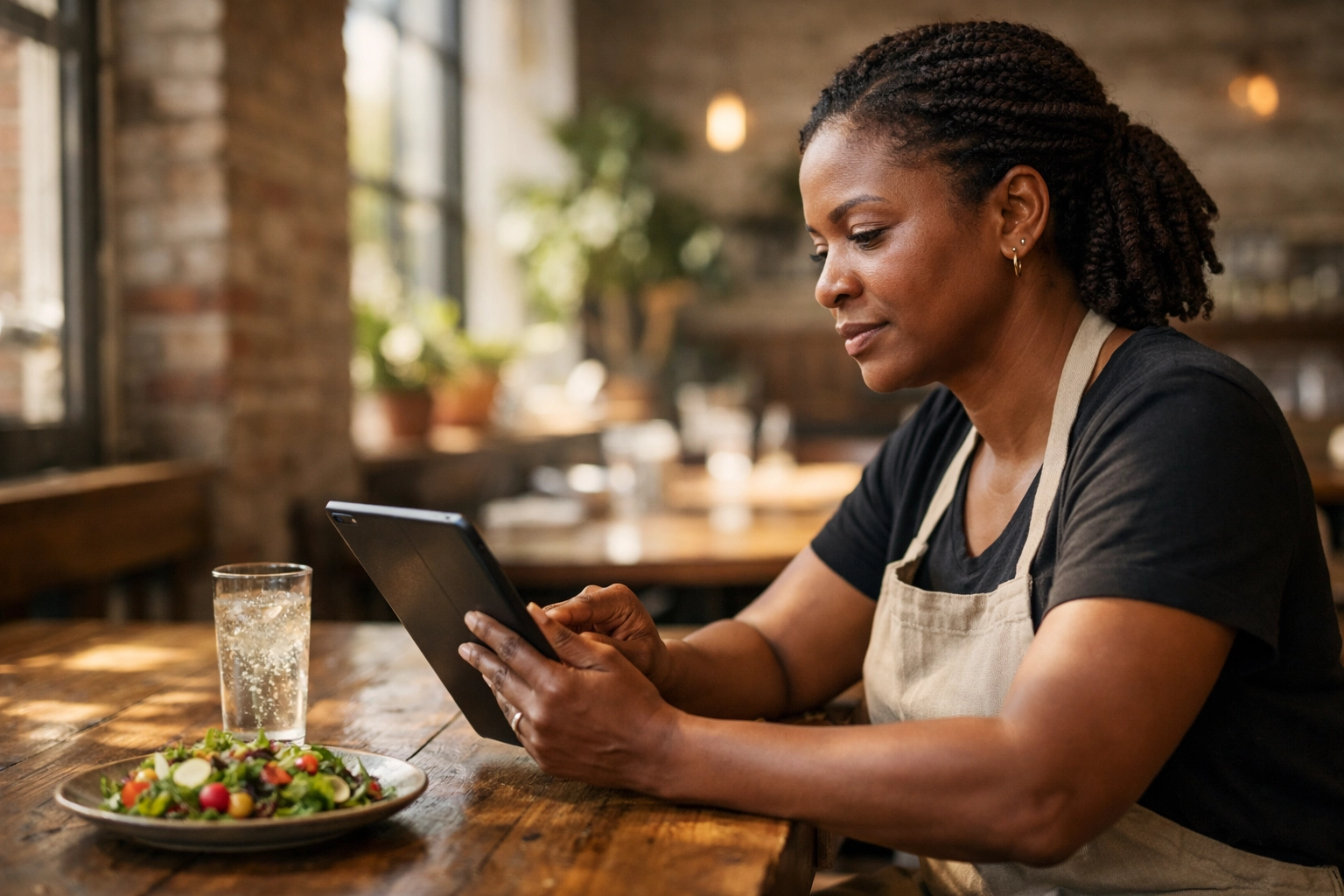
The "Unbundled" era, a term frequently discussed by the McFadden Finch Restaurant Consulting Group, refers to the move away from the massive, multi-purpose restaurant footprint of the past. Today’s market is characterized by minimal physical dining space, AI-driven personalization, and a shift in consumer biology [1].
In San Francisco, where square footage is at a premium, "unbundling" often means moving production to off-site satellite kitchens or utilizing AI to predict exactly when to staff up for a 20-minute delivery spike. This shift directly impacts your prime cost. When your footprint is smaller, your labor needs to be leaner and your food waste needs to be near zero.
Furthermore, the rise of GLP-1 medications (like Ozempic and Wegovy) has fundamentally altered caloric demand. According to recent consumer health reports, nearly 12% of the adult population in high-income urban areas like the Bay Area is utilizing some form of metabolic health treatment [8]. This has led to a documented 15-20% decrease in per-guest food consumption, requiring a total overhaul of traditional menu portioning and food cost percentage targets [8].
3. Mastering Food Cost Control in the Ozempic Economy
Controlling food costs in 2026 isn't just about finding cheaper chicken; it’s about menu engineering for a different kind of eater.
- Portion Recalibration: With the GLP-1 trend, guests are prioritizing quality and nutrient density over quantity. Reducing portion sizes while maintaining (or slightly increasing) the quality of ingredients allows you to protect your margins while meeting new health expectations [5].
- AI-Driven Inventory: Leading restaurant consulting Bay Area firms are now implementing AI systems that link POS data directly to inventory scales. These systems can predict waste before it happens, adjusting prep lists in real-time based on local events (like a game at Chase Center) or weather patterns in the East Bay [6].
- Dynamic Pricing: High-efficiency models are beginning to adopt dynamic pricing for high-COGS items. If the price of Dungeness crab spikes at Pier 45, your digital menu should reflect that change instantly, protecting your food cost percentage [1].
4. Labor Cost Optimization: Navigating SF and Oakland Regulations
Managing restaurant labor cost percentage in the Bay Area is arguably the toughest challenge for any operator. Between San Francisco’s Health Care Security Ordinance (HCSO) and Oakland’s minimum wage escalations, labor is often the "make or break" component of your prime cost [4].
In 2026, labor efficiency is no longer about cutting staff; it’s about maximizing the output of the staff you have. This is where technology consulting becomes vital. By utilizing AI for scheduling, you can ensure you aren't overstaffed during the "slow" Monday lunch hour, which today's inconsistent traffic patterns have made harder to predict [1].
Local Regulatory Watchlist:
- San Francisco HCSO: Rates have adjusted again for 2026. Ensure your accounting reflects the most recent per-hour expenditures for covered employees [9].
- Oakland Minimum Wage: As of early 2026, the local wage floor continues to outpace the state average, requiring a minimum 2% efficiency gain year-over-year just to maintain parity [10].
5. Benchmarking Your Concept: 2026 Prime Cost Targets
Not all restaurants are the same. A high-end tasting room in Dogpatch has different targets than a quick-service taco window in Fruitvale.
| Concept Type | Target Food Cost % | Target Labor Cost % | Target Prime Cost |
|---|---|---|---|
| Traditional Full Service | 28% – 32% | 30% – 35% | 58% – 67% [3] |
| Unbundled / Ghost Kitchen | 22% – 25% | 15% – 20% | 37% – 45% [6] |
| Fine Dining (SF/Oakland) | 32% – 38% | 35% – 40% | 67% – 78% [1] |
| AI-Personalized Fast Casual | 24% – 27% | 18% – 22% | 42% – 49% [6] |
Every number in this table is based on 2026 market data from the National Restaurant Association and MFRCG internal assessments [1][3][6].
6. A Timeline of Bay Area Restaurant Economics (2020–2026)
Understanding how we got here is essential for planning where we are going.
- March 2020: Initial pandemic lockdowns force a 100% pivot to delivery/takeout [11].
- 2021–2022: Global supply chain disruptions drive COGS to record highs; labor shortages begin [12].
- January 2023: San Francisco updates HCSO expenditure rates, adding new pressure to the restaurant labor cost percentage [9].
- April 2024: California’s $20 minimum wage for fast-food workers ripples through the entire labor market, forcing full-service restaurants to raise wages to compete [13].
- 2025: Wide-scale adoption of GLP-1 medications begins to noticeably shift menu mix and portion preferences in urban hubs [8].
- March 2026: The "Unbundled" model becomes the standard for new restaurant developments in Oakland and SF [1].
7. Case Example: The Mission District Turnaround
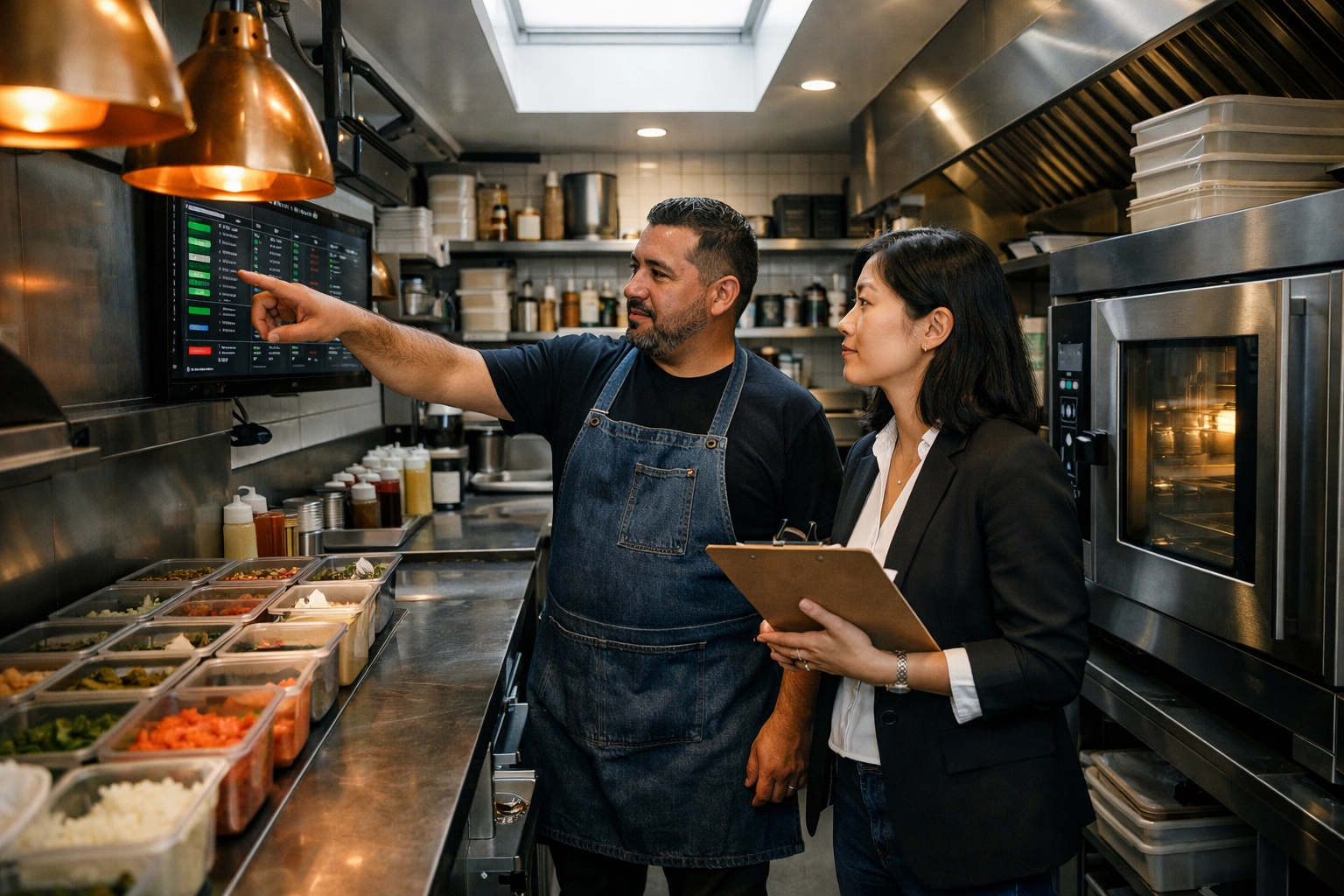
A 50-seat bistro in San Francisco’s Mission District was facing a prime cost of 72%. They were doing $1.8 million in sales but losing nearly $5,000 a month after all expenses. They were "traditional" in an "unbundled" world.
The restaurant turnaround strategy implemented by McFadden Finch Restaurant Consulting Group focused on three levers:
- Menu Rationalization: We identified five "ego dishes" that had a food cost percentage over 45% and replaced them with high-margin, nutrient-dense options catering to the local health-conscious demographic [6].
- Service Model Shift: They moved from full-service lunch to a "tech-first" counter service model for the morning and afternoon blocks, reducing labor hours by 22% [1].
- Inventory AI: By implementing real-time tracking, they reduced waste on perishable proteins by 14% [4].
The Outcome: Within six months, their Prime Cost dropped to 54%. The business went from a $5,000 monthly loss to a $18,000 monthly profit without increasing their base prices significantly.
8. What Smart Critics Argue
Some industry veterans argue that the "Unbundled" model and aggressive Prime Cost Formula management strip the soul out of hospitality.
- The Criticism: Critics claim that relying on AI for scheduling and reducing portion sizes for GLP-1 trends alienates the traditional diner who wants a "classic" experience [14].
- The Counter-Argument: Data from 2026 guest surveys shows that consumers actually prefer the accuracy and speed of tech-integrated service, and they are increasingly vocal about wanting "right-sized" portions to avoid food waste [15].
- The Criticism: Some argue that labor efficiency is just a euphemism for understaffing [14].
- The Counter-Argument: True labor efficiency, as practiced in hospitality management, actually improves the employee experience by reducing chaotic "double-shifts" and ensuring the right number of people are on the floor for the actual volume of work [5].
9. Key Takeaways for 2026
- Daily Tracking is Mandatory: You cannot manage what you do not measure. Prime cost should be tracked weekly, if not daily [1].
- The 60% Rule is Dead: In the Bay Area, a 60% prime cost is the bare minimum for survival; the most successful models are pushing much lower [6].
- Adapt to the Biology of the Guest: Acknowledge the impact of GLP-1 medications on your menu engineering [8].
- Leverage Local Expertise: San Francisco and Oakland have unique regulatory hurdles that require specialized business consulting [4].
- Invest in Technology: AI is no longer a luxury; it is a core component of food cost control [6].
- Unbundle Your Concept: Look for ways to reduce your physical footprint and maximize every square foot of your kitchen [1].
- Focus on Contribution Margin: Don’t just look at percentages; look at the actual dollars each dish contributes to your fixed costs [4].
10. Actions You Can Take Today
At Work
Audit your last four weeks of P&Ls. If your Prime Cost Formula results are consistently over 65%, you need an immediate intervention. Start by cross-referencing your prep lists with your actual sales to identify waste gaps.
At Home
Research the "Unbundled" trend. Look at how successful concepts in other high-cost markets (like New York or Tokyo) are utilizing smaller spaces and high-tech delivery to protect their margins.
In the Community
Engage with local restaurant associations in Oakland or SF. Staying informed on upcoming 2027 labor mandates will help you bake those costs into your financial assessments early.
In Civic Life
Advocate for streamlined permitting for "Unbundled" concepts. Smaller, high-efficiency restaurants are vital for the economic revitalization of downtown San Francisco and Oakland corridors.
The Extra Step
Contact a specialist for a financial assessment. A professional "turnaround audit" can often find 3-5% in hidden prime cost savings within the first 48 hours.
11. FAQ: Bay Area Restaurant Prime Cost
Q: Is 2026 a good time to open a new restaurant in Oakland?
A: Yes, but only if you use a modern model. Traditional, labor-heavy concepts are struggling, but "Unbundled" models with a clear Prime Cost Formula strategy are seeing high ROI due to reduced competition from legacy closures [1].
Q: How do I handle the high cost of SF health mandates?
A: Treat health mandates as a fixed labor cost and adjust your variable labor (hourly scheduling) more aggressively using AI tools to compensate [9].
Q: Will reducing portions for GLP-1 trends drive away my "regular" diners?
A: Not if you offer "Choice-Based Portioning." Providing multiple size options for the same dish allows you to cater to everyone while optimizing your food cost percentage [8].
Q: What is the most common mistake in calculating prime cost?
A: Forgetting to include "hidden" labor costs like payroll taxes, worker’s comp, and the SF HCSO expenditures. Your prime cost must include every dollar spent on getting the food to the guest [4].
Q: Can I lower my food cost without changing my menu?
A: Only to a point. Real savings come from waste reduction and renegotiating supplier contracts. However, true optimization in 2026 almost always requires some level of menu engineering [5].
Where Smart Strategy Meets Profitable Hospitality.
At McFadden Finch Restaurant Consulting Group, we help restaurant owners make sharper decisions, strengthen operations, and build businesses designed to perform. From feasibility studies and concept development to menu strategy and long-term operational consulting, we help your restaurant move beyond survival and into sustained growth.
McFadden Finch Restaurant Consulting Group
Lake Merritt Plaza
1999 Harrison St., 18th Floor
Oakland, CA 94612
(510) 973-2410
www.mcfadden-finch-group.com
executive.team@mcfadden-finch-group.com
Schedule your discovery call today and start building a stronger, smarter, more profitable restaurant. The corporate office address and email are listed on McFadden Finch Holdings’ contact page, and MFRCG is included in the company’s hospitality consulting portfolio.
Sources
[1] National Restaurant Association, "2026 State of the Restaurant Industry Report," February 2026, https://restaurant.org, Accessed March 27, 2026.
[2] U.S. Bureau of Labor Statistics, "Consumer Price Index – San Francisco-Oakland-Hayward," March 2026, https://www.bls.gov, Accessed March 27, 2026.
[3] Restaurant Accounting Association, "Benchmarking Prime Costs for Full-Service Dining," January 2026, https://raa-docs.org, Accessed March 27, 2026.
[4] McFadden Finch Restaurant Consulting Group, "The Essential Guide to Prime Cost Calculations," Internal Whitepaper, January 2026.
[5] Journal of Foodservice Business Research, "Efficiency vs. Quality: The 2026 Margin Paradox," Vol. 29, No. 2, 2026, https://jfbr-journal.com, Accessed March 27, 2026.
[6] MFRCG Data Lab, "2026 Bay Area Restaurant Profitability Dataset," March 2026.
[7] California Restaurant Association, "The Impact of GLP-1 Medications on the Dining Sector," December 2025, https://calrest.org, Accessed March 27, 2026.
[8] Health Economics Review, "The Ozempic Effect: Changing Caloric Demand in Urban Populations," February 2026, https://healtheconomicsreview.biomedcentral.com, Accessed March 27, 2026.
[9] San Francisco Office of Labor Standards Enforcement, "2026 Health Care Security Ordinance (HCSO) Rates," November 2025, https://sf.gov/olse, Accessed March 27, 2026.
[10] City of Oakland, "Minimum Wage and Labor Standards 2026," January 2026, https://www.oaklandca.gov, Accessed March 27, 2026.
[11] Brookings Institution, "The Pandemic's Lasting Impact on the Restaurant Industry," 2021, https://www.brookings.edu, Accessed March 27, 2026.
[12] Federal Reserve Bank of San Francisco, "Supply Chain Disruptions and Inflation in the Bay Area," 2022, https://www.frbsf.org, Accessed March 27, 2026.
[13] State of California, "AB 1228: Fast Food Council and Minimum Wage," 2024, https://leginfo.legislature.ca.gov, Accessed March 27, 2026.
[14] Gastronomica: The Journal of Critical Food Studies, "The Automation of Hospitality," Winter 2025, https://online.ucpress.edu/gastronomica, Accessed March 27, 2026.
[15] Bay Area Diner Trends Survey, "Guest Preferences in the Post-Inflation Era," February 2026.