March 2026 Marks Historic Reopening
The Big 4 restaurant at the Huntington Hotel reopens in March 2026 following comprehensive redesign by Ken Fulk. The reopening represents the first major legacy brand relaunch in San Francisco's post-pandemic recovery cycle. The Big 4 closure in 2022 marked a significant moment in San Francisco dining infrastructure. The 2026 reopening signals capital reinvestment in established restaurant properties.

The Legacy Rebound Model
Legacy restaurant properties in San Francisco are entering a reinvestment phase. Three distinct patterns define the 2026 reopening cycle:
Historic Property Restoration: Big 4, The Cliff House (late 2026)
High-Profile Relocation: Sons & Daughters moving to Mission District with expanded capacity
New Launches from Established Teams: Maria Isabel from Dalida operators, RT Bistro from Rich Table founders
The pattern indicates operator confidence in long-term San Francisco market fundamentals. Restaurant consulting firms report increased inquiries for legacy space repositioning compared to 2023-2024 baseline.
Why These Models Work in Current Economy
The 2026 reopening wave reflects specific economic positioning strategies:
Reduced Lease Rates: Commercial real estate repositioning created more favorable lease terms for high-profile legacy spaces
Established Brand Equity: Big 4 name recognition reduces marketing acquisition costs
Refined Operating Models: Post-pandemic operational efficiency standards lower break-even thresholds
Capital Availability: Restaurant investment funds report increased allocation to proven concepts with historical performance data
Bar and restaurant consultants working on 2026 launches cite operational efficiency as primary success factor. Legacy brands with existing customer databases and supplier relationships demonstrate faster ramp-up timelines.

Maria Isabel: The High-Profile Mexican Concept
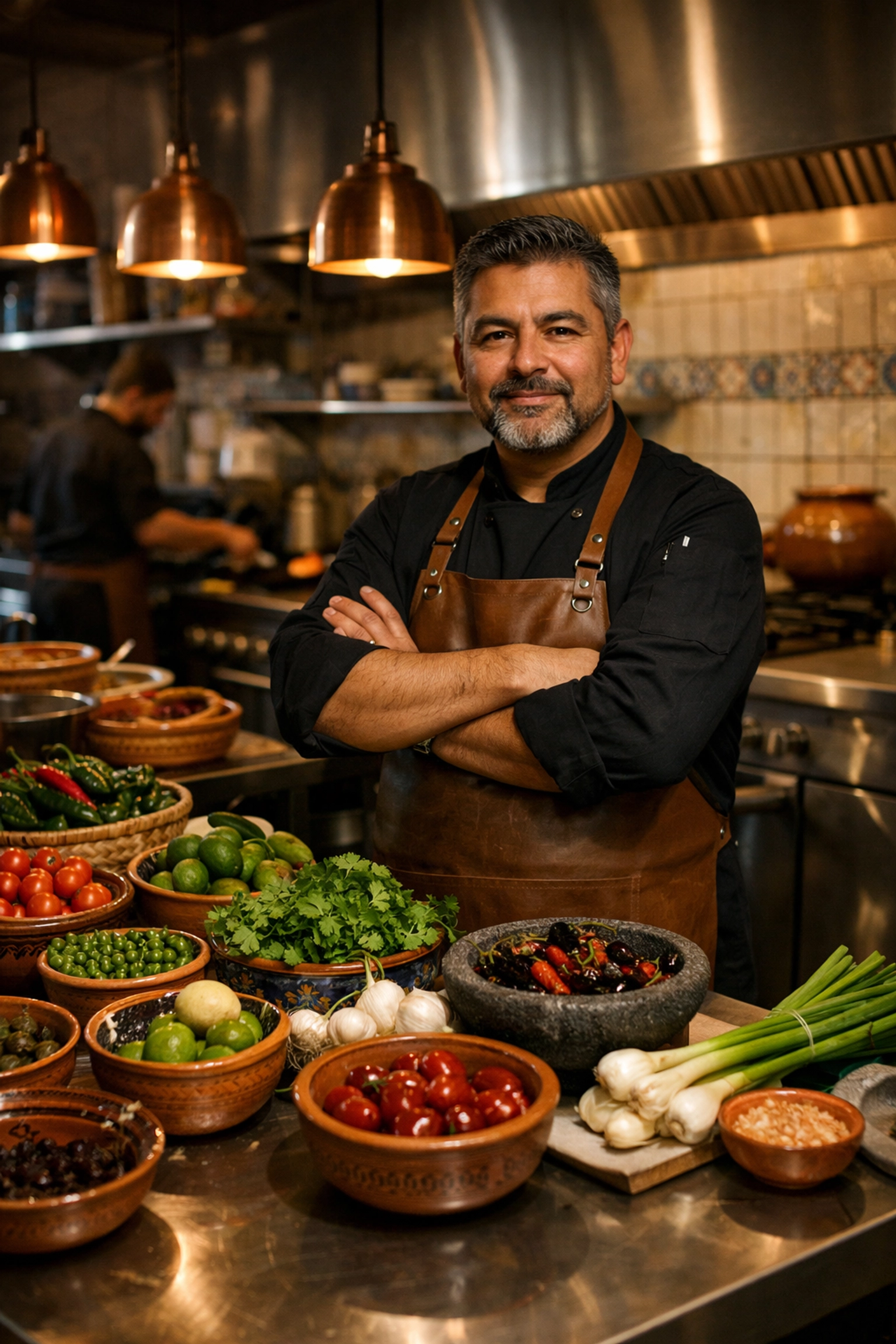
Maria Isabel launches from the team behind Dalida. The contemporary Mexican concept targets upper-tier dining segment with refined cocktail program and curated mezcal selection. Location selection and design investment indicate confidence in sustained demand for elevated dining experiences.
The concept fills gap in San Francisco Mexican fine dining landscape. Operator track record with Dalida provides template for service standards and kitchen operations. Menu positioning balances accessibility with premium ingredients and technique.
RT Bistro: The Accessible Play
RT Bistro represents strategic expansion from Rich Table founders. The bistro model offers lower price points with reduced operational complexity compared to flagship location. Multi-unit expansion from established operators indicates market maturity.
The accessible dining tier (entrees $18-$28) shows strongest recovery metrics across San Francisco neighborhoods. RT Bistro positioning captures demand from operators with proven systems and refined supply chain relationships.
Big 4 Redesign Strategy
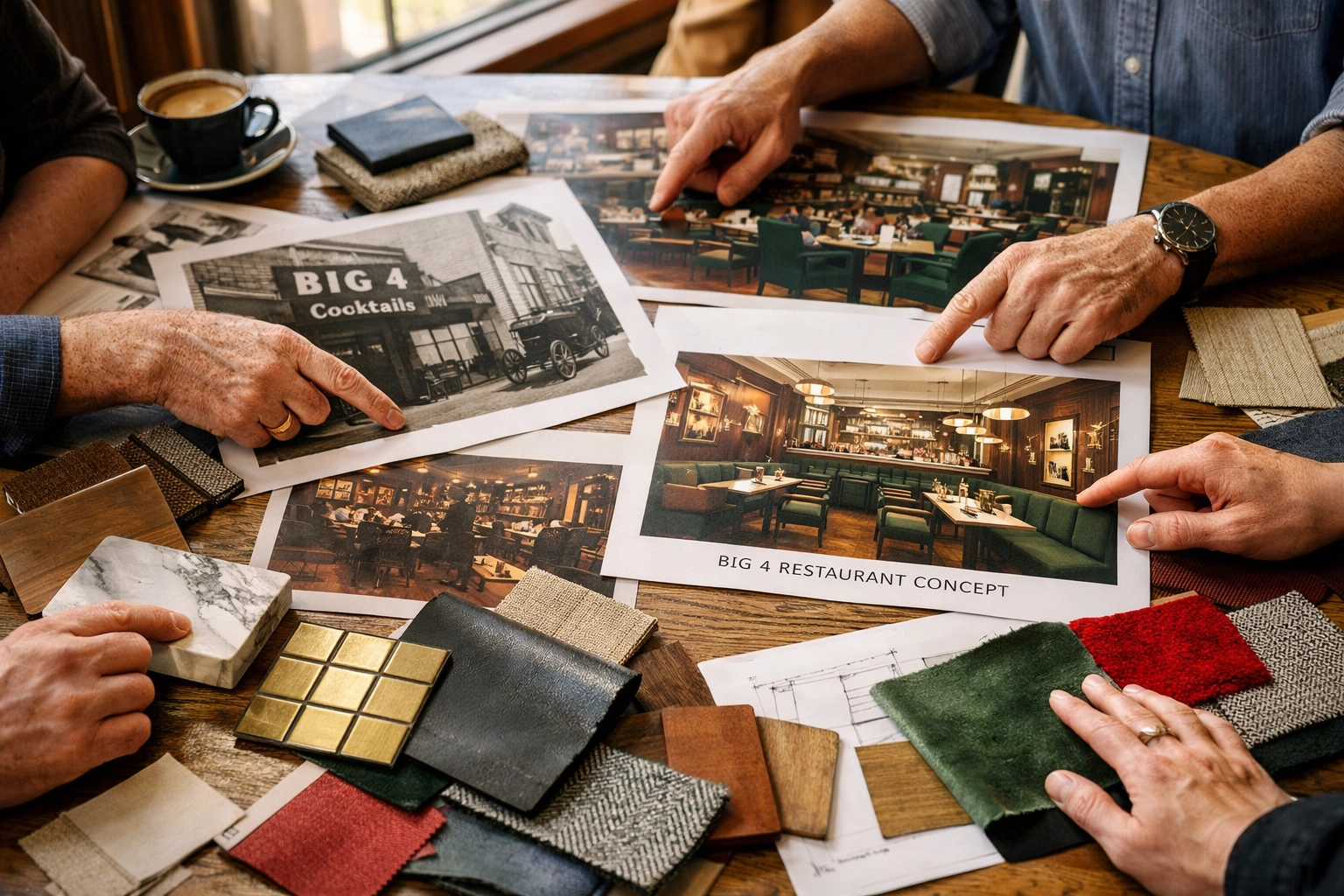
Ken Fulk redesign balances historic preservation with contemporary service standards. Physical plant upgrades include kitchen infrastructure modernization and improved front-of-house flow patterns. The investment level signals long-term operational commitment.
Design elements preserve Big 4 brand identity while incorporating current hospitality standards. Bar program receives expanded focus reflecting cocktail revenue importance in 2026 operating models. Private dining capacity increases to capture corporate and event business.
The New SF Dining Map
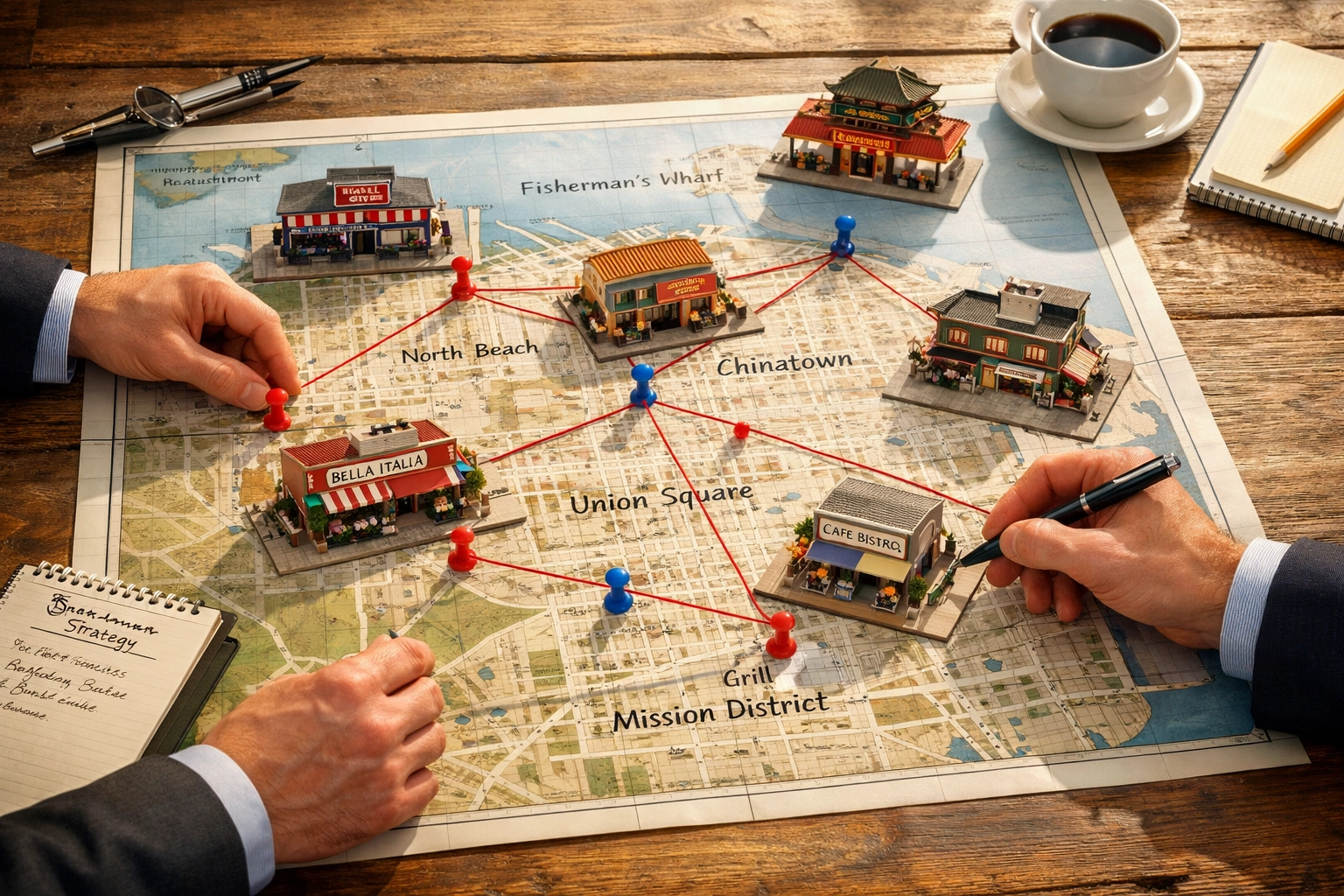
The 2026 reopening cycle concentrates in three geographic clusters:
Nob Hill/Downtown: Big 4, JouJou
Mission District: Sons & Daughters relocation, RT Bistro
Outer Districts: The Cliff House (late 2026)
Geographic distribution indicates neighborhood-level confidence rather than single-district concentration. Restaurant turnaround specialists note that successful relaunches require neighborhood traffic patterns and demographics alignment.
Investment Patterns Across Reopenings
Capital structures for 2026 launches show distinct patterns:
Legacy Revivals (Big 4, Cliff House): Institutional capital with long-term hold periods
Operator Expansions (RT Bistro, Maria Isabel): Operator-backed with private investor participation
Relocations (Sons & Daughters): Mix of retained earnings and investor capital
The capital mix indicates risk tolerance levels across different reopening models. Bar and restaurant consultants report increased sophistication in financial modeling for legacy property repositioning.
Operational Efficiency Requirements
All 2026 launches incorporate post-pandemic operational standards:
Labor productivity targets 20-25% higher than pre-2020 benchmarks
Technology integration for reservation management and inventory control
Streamlined menu formats reducing kitchen complexity
Cross-trained staff models lowering scheduling rigidity
These operational requirements reflect permanent shifts in restaurant economics. Properties attempting legacy reopenings without operational model updates face higher failure risk.
Market Indicators Support Rebound
Several metrics support the Legacy Rebound thesis:
Tourism Recovery: San Francisco visitor numbers approach 2019 levels
Corporate Return: Increased downtown occupancy drives weekday dining demand
Residential Stability: High-income resident retention in key neighborhoods
Investment Activity: Restaurant property transaction volume increases 40% year-over-year
The combination of demand-side recovery and supply-side rationalization creates favorable conditions for selective legacy reopenings.
What This Means for Restaurant Operators
The 2026 reopening cycle provides clear indicators for market positioning:
Legacy brand value increases when paired with operational efficiency
Proven operator track records command premium investor attention
Geographic diversification across neighborhoods reduces concentration risk
Capital availability exists for concepts with defined market position
Restaurant consulting firms working with operators on launch strategies emphasize financial modeling accuracy and operational plan specificity. The difference between successful and failed reopenings often comes down to execution fundamentals rather than concept appeal.
Long-Term Implications
The Legacy Rebound represents a market maturation phase. San Francisco moves from crisis response (2020-2023) to strategic positioning (2024-2026) to sustainable operations model (2026 forward).
Properties combining historic brand equity with contemporary operations standards demonstrate viability. The Big 4 reopening, Maria Isabel launch, and RT Bistro expansion collectively signal operator confidence in long-term market fundamentals.
For restaurant operators evaluating market entry or expansion timing, the 2026 reopening wave provides validation. Legacy properties with proven concepts and refined operations models show path to sustainable profitability.
#SanFranciscoDining #RestaurantConsulting #LegacyRestaurants #HospitalityTrends #RestaurantReopening