A new Mexican drive-through has quietly taken over a familiar fast-food corner in San Ramon. El Forastero opened its first Bay Area outpost on December 15 at 2222 San Ramon Valley Blvd.: the spot that previously housed Wendy's for nearly a decade.
The chain brings one feature that instantly sets it apart from most of the Tri-Valley food scene: it operates 24 hours a day.
This expansion offers several lessons for restaurant operators and entrepreneurs evaluating market entry strategy and restaurant feasibility in competitive suburban markets.
Based on reporting from The Bay Area Telegraph.
Identifying White Space in a Crowded Market
The Tri-Valley region has no shortage of restaurants. Fast casual concepts, quick-service chains, and independent operators compete for customers across Pleasanton, Dublin, Livermore, and San Ramon.
Yet late-night dining options remain remarkably scarce.
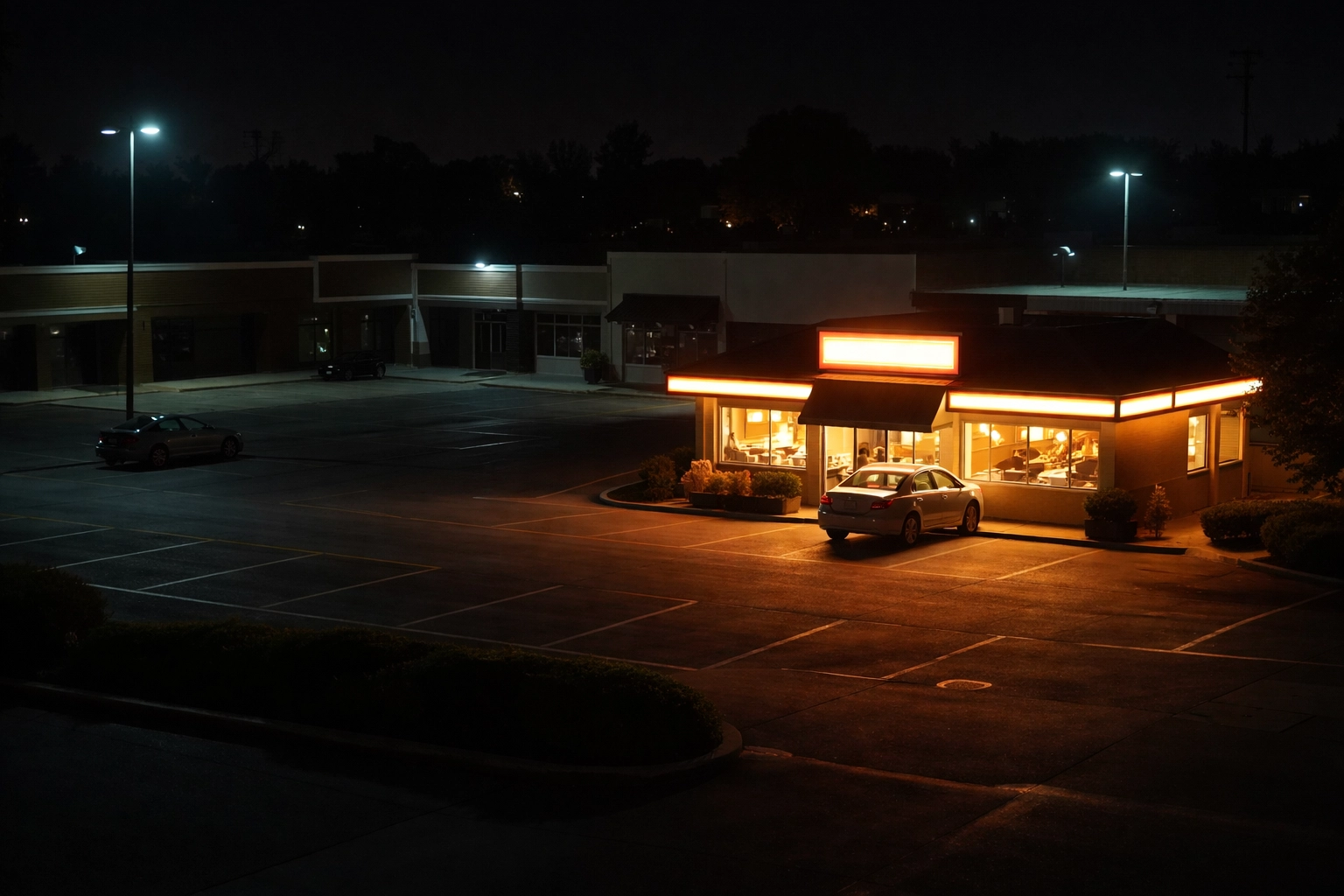
El Forastero's 24/7 model addresses a specific gap: customers who want food after traditional restaurant hours. Rather than competing directly with existing Mexican restaurants during peak lunch and dinner periods, the chain captures demand during underserved time slots.
This approach reflects a fundamental principle in restaurant feasibility studies: successful market entry often depends on identifying what competitors are not doing rather than trying to outperform them at what they already do well.
The 3am taco craving exists. El Forastero built a business model around serving it.
The Adaptive Reuse Advantage
El Forastero's selection of the former Wendy's location demonstrates strategic thinking about startup costs and infrastructure.
Drive-through operations require specific site configurations:
- Dedicated drive lanes with adequate stacking space
- Kitchen layouts optimized for speed and volume
- Signage and lighting designed for vehicle traffic
- Established traffic patterns customers already understand
Building this infrastructure from scratch requires significant capital investment. Taking over an existing drive-through location eliminates much of that expense.
The Wendy's at 2222 San Ramon Valley Blvd. operated for nearly a decade before closing. The site already had:
- Proven drive-through traffic flow
- Existing kitchen infrastructure
- Established customer awareness of the location
- Parking and access patterns that work
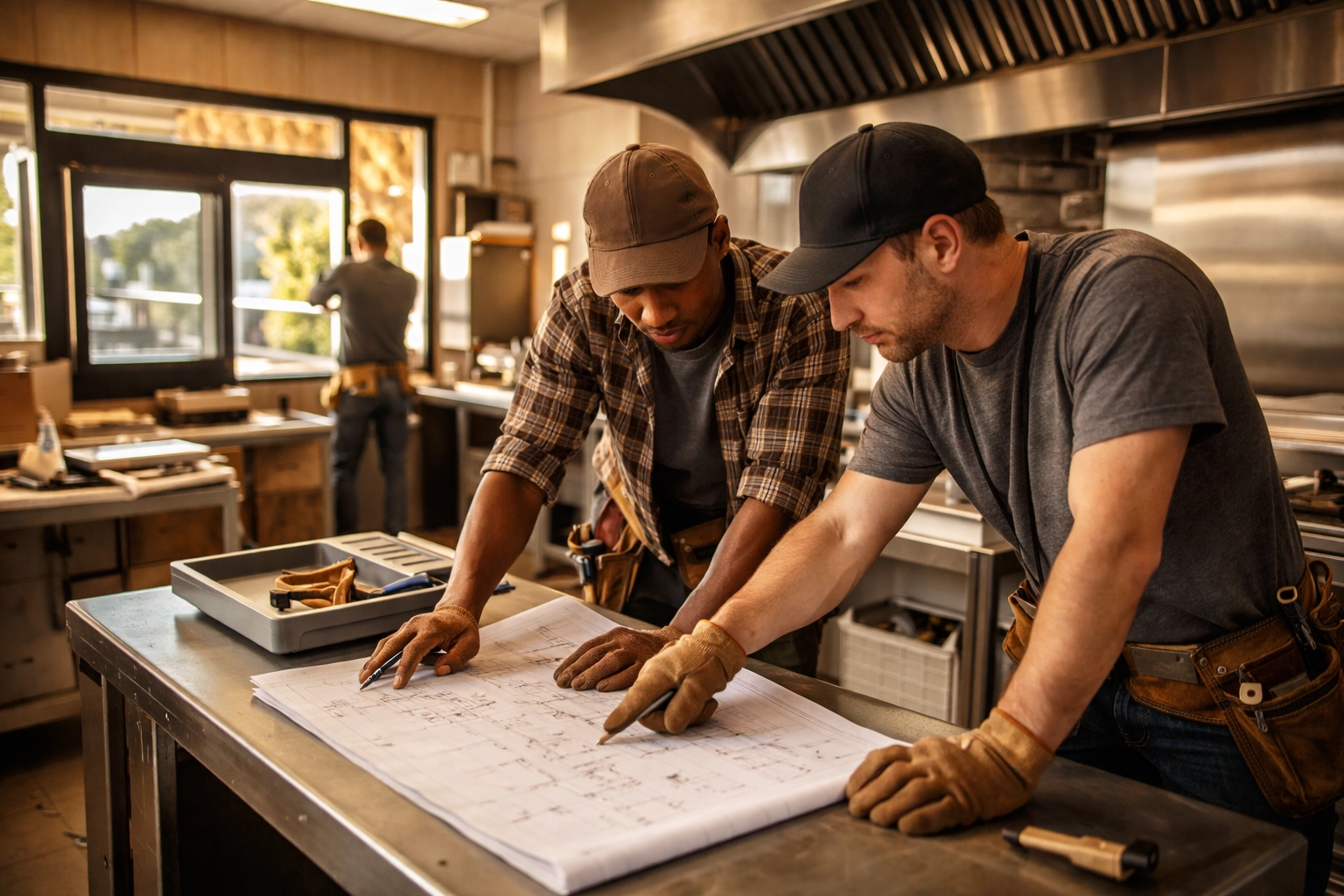
This adaptive reuse model allows El Forastero to focus capital on menu development, staffing, and marketing rather than construction and permitting delays.
For operators evaluating expansion opportunities, second-generation restaurant spaces often provide faster paths to opening and lower upfront costs than ground-up development. The trade-off involves inheriting the previous tenant's layout constraints and any negative associations customers may have with the prior concept.
Operational Complexity of Around-the-Clock Service
Running a 24/7 restaurant introduces operational challenges that daypart-limited concepts avoid entirely.
El Forastero offers its full menu: breakfast alongside lunch and dinner options: available at any hour. This creates specific demands:
Staffing requirements: Three full shifts require adequate labor pools in a market where restaurant staffing remains challenging. Each shift needs competent management coverage and sufficient line staff.
Inventory management: Breakfast proteins, lunch rush items, and late-night staples all require different inventory turns and prep schedules. Waste management becomes more complex when every menu item must remain available around the clock.
Maintenance windows: Equipment cleaning, deep cleaning, and maintenance tasks that most restaurants handle during closed hours must occur while the business operates.
Security considerations: Late-night and overnight shifts introduce safety concerns for staff and customers that daytime operations rarely face.
El Forastero addresses some of this complexity through menu simplification. The chain emphasizes quick items: tacos, burritos, loaded fries: that can be efficiently prepared regardless of hour. This streamlined approach reduces the operational burden of 24/7 service while still meeting customer expectations.
For operators considering extended hours, the decision involves weighing incremental revenue against incremental costs. Late-night demand may exist, but capturing it profitably requires careful analysis of labor costs, ticket averages, and volume projections for non-traditional dayparts.
Our operations consulting work frequently addresses these questions for clients evaluating expanded service hours.
Regional Expansion Strategy
El Forastero operates nearly 20 locations concentrated in the greater Sacramento area and San Joaquin Valley, with additional locations in Nevada. The San Ramon opening represents the chain's first Bay Area outpost.
This geographic expansion pattern suggests deliberate market selection criteria:
Suburban focus: The chain targets suburban markets with car-dependent populations rather than urban cores with different transportation patterns and competition profiles.
Demographic alignment: Sacramento, San Joaquin Valley, and Tri-Valley markets share demographic characteristics: growing suburban populations, family-oriented communities, and limited late-night dining competition.
Operational testing: Building density in Sacramento and Central Valley markets allowed El Forastero to refine operations, supply chain, and staffing models before entering the more expensive and competitive Bay Area market.

The San Ramon location serves as a test case for broader Bay Area expansion. Success here likely accelerates additional openings in similar Tri-Valley and East Bay markets. Challenges may prompt operational adjustments before further expansion.
This staged approach to market entry reduces risk compared to aggressive multi-unit openings in new territories. Each location generates data about local customer preferences, staffing availability, and competitive dynamics that informs subsequent decisions.
Menu Positioning in the Fast Casual Segment
El Forastero positions itself in the fast casual Mexican segment with emphasis on comfort food staples. The menu prioritizes:
- Speed of service
- Familiar flavor profiles
- Price accessibility
- Portability for drive-through consumption
This positioning differs from fast casual competitors emphasizing customization (Chipotle model) or premium ingredients (higher-end concepts). El Forastero competes on convenience and availability rather than menu innovation or ingredient sourcing narratives.
The 24/7 availability becomes the primary differentiator. When competitors close at 9pm or 10pm, El Forastero remains open. This captures not only late-night demand but also positions the brand as the reliable option: the restaurant that's always available regardless of when hunger strikes.
Lessons for Restaurant Operators
El Forastero's San Ramon expansion illustrates several principles relevant to operators evaluating new concepts or locations:
Gap identification matters: The chain succeeded by finding underserved demand (late-night dining) rather than trying to out-execute established competitors during peak periods.
Infrastructure reuse reduces risk: Second-generation restaurant spaces, particularly drive-through locations, can accelerate openings and reduce capital requirements.
Operational complexity requires planning: Extended hours create staffing, inventory, and maintenance challenges that must be addressed during concept development, not after opening.
Staged expansion tests assumptions: Regional density before geographic expansion allows operators to refine operations with lower risk.
Differentiation can be operational: Menu innovation isn't the only path to competitive advantage. Availability, convenience, and reliability represent viable differentiation strategies.
How MFRCG Supports Market Entry Decisions
At McFadden Finch Restaurant Consulting Group, we help operators identify market gaps and evaluate expansion opportunities through comprehensive feasibility analysis.
Our services include:
- Market analysis identifying underserved demand in target geographies
- Site selection evaluation for second-generation spaces
- Operational planning for non-traditional service hours
- Financial modeling for expanded daypart coverage
- Business plan development for new concept launches
Whether you're evaluating a 24/7 concept, considering extended hours for an existing operation, or planning market entry in a new territory, data-driven analysis reduces risk and improves decision quality.
The El Forastero expansion demonstrates that opportunities exist for operators who systematically identify what customers want but cannot currently access. Finding those gaps requires rigorous analysis rather than assumptions.
For more insights on restaurant market analysis and operational strategy, explore our feasibility studies resources or contact our team to discuss your specific project.
Author: Maury McFadden, Alumni
#RestaurantFeasibility #MarketEntryStrategy #FastCasual #OperationsConsulting #TriValleyRestaurants