On January 25, 2026, Squat & Gobble's West Portal location served its last crepe. After 32 years in business, the owners posted a simple message citing economic challenges and announcing it was "time to say goodbye." The closure marks the end of a San Francisco institution that survived a devastating fire, a pandemic, and multiple economic downturns.
For restaurant operators, this closure represents more than another casualty of rising costs. It demonstrates a pattern that plays out across the industry: legacy brands that wait too long to address lifecycle transitions.
The Contraction Pattern Nobody Talks About
Squat & Gobble's final years followed a textbook contraction model. At its peak, the brand operated five locations across San Francisco. Then the closures started:
- Fillmore Street (original location): 2015
- Castro: 2019
- Marina: Early 2020s
- West Portal: January 2026
Each closure reduced operational complexity. Each gave the remaining locations more focus. But the pattern also signals something critical: the brand was managing decline rather than planning transition.

This contraction phase is common in multi-unit operations. Revenue concentrates in fewer locations. Fixed costs become harder to justify. The business enters survival mode instead of strategic mode.
The problem: most operators wait until they're already in this phase before seeking guidance on exit strategy or succession planning.
Recognizing Your Restaurant's Lifecycle Stage
Restaurant businesses move through predictable stages:
Launch Phase (Years 0-3): High risk, high energy, establishing market fit.
Growth Phase (Years 3-10): Expansion, brand building, possible multi-unit development.
Maturity Phase (Years 10-25): Stable operations, consistent customer base, refinement of systems.
Decision Phase (Years 25+): Critical fork in the road: reinvention, sale, succession, or managed exit.
Squat & Gobble entered its Decision Phase around 2018. The brand had survived 25 years and proven its resilience. But instead of proactive lifecycle planning, the business managed contraction reactively.

The Decision Phase requires different thinking than earlier stages. Operators must ask:
- Do we have successors interested in taking over?
- Is the brand positioned for sale or transfer?
- Are we building equity or just maintaining operations?
- What's our three-year exit timeline?
These questions feel uncomfortable. They contradict the "never give up" mentality that builds successful restaurants. But addressing them early creates options. Waiting until exhaustion sets in eliminates choices.
The Hidden Cost of "One More Year"
Restaurant operators often extend operations beyond optimal exit windows. The reasons make sense:
- Loyalty to long-term employees
- Emotional attachment to the brand
- Hope that conditions will improve
- Lack of clear succession plan
- Fear of what comes next
But extending operations without a strategic endgame creates problems:
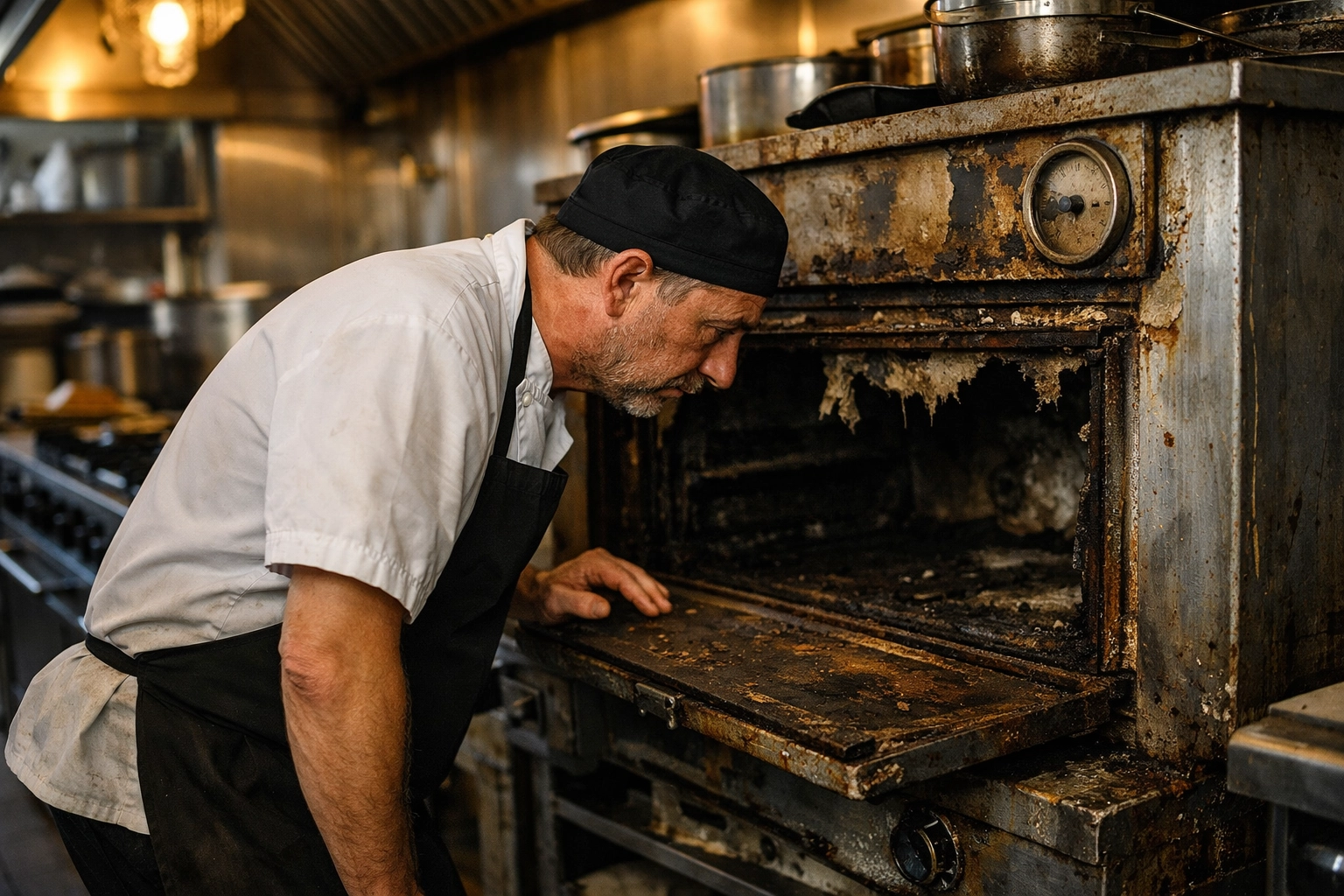
Deferred Maintenance Accumulates: Equipment ages. Facilities deteriorate. The capital required to maintain standards increases while revenue remains flat or declines.
Brand Value Erodes: A restaurant struggling to stay open loses market position. Potential buyers or successors see distress rather than opportunity.
Owner Burnout Intensifies: The physical and mental demands of restaurant operations don't decrease with time. Fatigue affects decision quality and operational execution.
Exit Options Narrow: A thriving business attracts buyers and successors. A struggling operation generates sympathy but limited interest.
The Executive Team at McFadden Finch Restaurant Consulting Group works with operators facing these dynamics. The consistent pattern: owners who engage lifecycle planning early preserve more value and create better outcomes than those who wait until crisis forces action.
Building an Exit Strategy Before You Need One
Exit strategy planning shouldn't begin when you're ready to close. It should start when your business enters maturity phase: typically around year ten.
Document Systems and Processes: A business that depends entirely on owner knowledge has limited transferability. Documented operations create value for successors or buyers.
Develop Financial Transparency: Clean books, clear profit centers, and transparent cost structures make businesses more attractive for transition. They also reveal whether your operation builds transferable equity.
Identify Potential Successors Early: Whether family members, key employees, or external buyers, succession candidates need years to prepare. Last-minute transitions rarely succeed.
Maintain Facility Standards: Deferred maintenance reduces value faster than any other factor. Regular investment in facilities protects exit options.
Build Brand Independence: Restaurants that rely entirely on founder presence have limited succession potential. Systems that work without the owner create transferable value.
These practices don't mean you're giving up. They mean you're building a business with options instead of a job that ends when you do.
The Succession Planning Gap
Squat & Gobble's closure announcement mentioned "economic challenges" but didn't reference succession planning. This gap is common in the restaurant industry.
Family businesses often assume the next generation will take over. But interest in continuing a restaurant operation requires more than family connection. It requires passion for the work and willingness to accept the lifestyle demands.
Multi-unit operators sometimes assume key employees will buy in. But employees who excel at operations don't always have capital or risk tolerance for ownership.
Single-unit operators frequently lack any succession plan at all. The business exists as long as the founder can operate it, then closes.
Professional succession planning addresses these gaps:
Skills Assessment: Does the potential successor have operational capabilities? Financial acumen? Leadership experience?
Financial Structuring: How will ownership transfer occur? What timeline makes sense? What support does the successor need?
Transition Planning: How long should the founder remain involved? What knowledge transfer needs to occur? What systems need documentation?
Market Positioning: Is the business positioned for successful transition? What improvements would increase transfer value?
These questions require time to answer. Starting the conversation five years before desired transition creates options. Starting six months before creates pressure.
When Turnaround Makes Sense vs. When Exit Does
Not every struggling restaurant should close. Not every mature restaurant should continue operating. Understanding which path makes sense requires honest assessment.
Turnaround makes sense when:
- Core business model remains viable
- Market demand exists for the concept
- Capital is available for necessary investment
- Leadership has energy for reinvention
- Brand equity can be preserved and leveraged
Managed exit makes sense when:
- Owner burnout cannot be resolved through operational changes
- Market conditions have permanently shifted away from the concept
- Required capital investment exceeds potential return
- No viable succession plan exists
- Brand equity has already eroded significantly
The restaurant turnaround service at McFadden Finch focuses on the first scenario. But part of that service includes honest assessment of whether turnaround represents the best path or whether managed exit preserves more value.

Squat & Gobble survived a fire and a pandemic. The business demonstrated resilience. But resilience doesn't always mean indefinite continuation makes sense. Sometimes the best business decision is a well-planned exit that preserves dignity and value.
Getting Ahead of the Wall
The "33-year wall" (actually 32 for Squat & Gobble) isn't a specific timeline. It's a metaphor for the decision point every long-term restaurant operation reaches.
Some businesses hit this wall at year 15. Others at year 40. The timeline matters less than recognizing when you're approaching it.
Operators who get ahead of this wall share common practices:
- They think about exit strategy while business is still strong
- They document systems before they're forced to
- They identify successors years in advance
- They maintain facility standards consistently
- They seek outside perspective before crisis hits
The Executive Team at McFadden Finch Restaurant Consulting Group specializes in helping operators navigate this transition period. Whether the goal is succession planning, strategic sale, concept reinvention, or managed exit, early engagement creates better outcomes.
Taking Action
If your restaurant is entering its mature phase, start asking lifecycle questions now:
- What's your three-year vision for the business?
- Who could potentially succeed you?
- What systems need documentation?
- What facility investments are required?
- What would make your business transferable?
These questions don't mean you're giving up on your restaurant. They mean you're building a business with options instead of painting yourself into a corner.
Squat & Gobble's closure represents the end of a San Francisco institution. But it also represents a missed opportunity for strategic lifecycle management. The business contracted over ten years before final closure. That timeline offered multiple intervention points where different planning could have created different outcomes.
Your restaurant's lifecycle will eventually reach its own decision point. The question isn't whether that point arrives. The question is whether you'll see it coming and plan accordingly.
Ready to discuss lifecycle planning for your restaurant? The Executive Team at McFadden Finch Restaurant Consulting Group provides confidential assessments and strategic guidance for operators navigating transition decisions. Contact our team to explore your options before options narrow.
#RestaurantExitStrategy #SuccessionPlanning #LegacyRestaurantBrand #RestaurantTurnaround #RestaurantLifecycleManagement