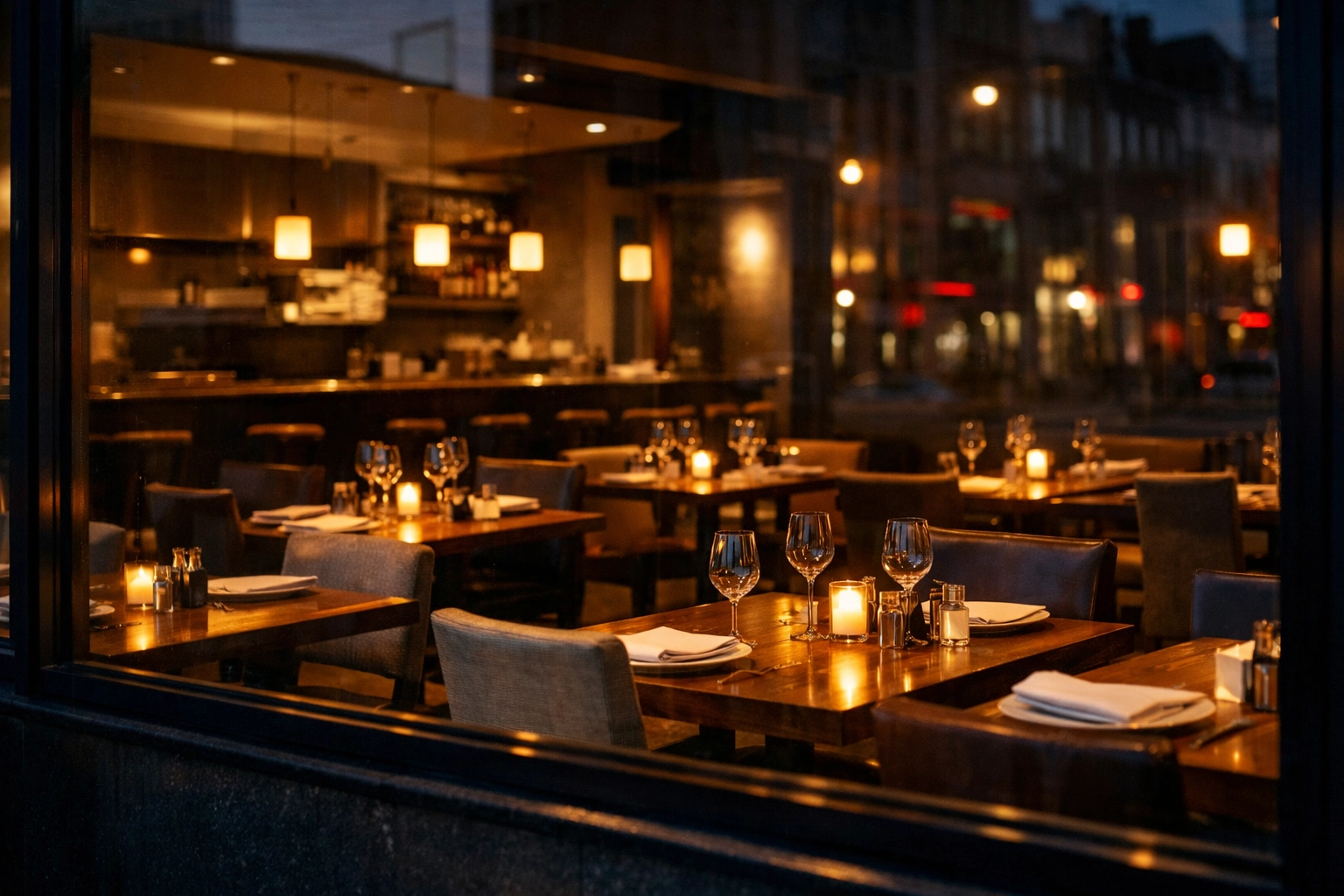
Celebrity chef Tyler Florence recently closed Miller & Luxe Provisions in San Francisco's Union Square. The closure occurred despite significant financial support: a $440,000 city grant and multiple months of free rent. First-year losses approached $300,000.
This outcome demonstrates a fundamental principle in restaurant operations. Capital and brand recognition do not substitute for operational feasibility.
The Numbers Tell the Story
The financial structure appeared favorable:
- $440,000 municipal grant for revitalization
- Extended rent-free occupancy period
- Established chef brand recognition
- High-traffic location in Union Square
Result: Nearly $300,000 in losses during year one. Business closure within months of opening.
Where the Model Failed
External funding addresses capital requirements. It does not resolve operational inefficiencies or market misalignment.
Declining Foot Traffic
Union Square has experienced consistent decreases in pedestrian volume. A feasibility study accounts for actual traffic patterns, not historical data or projected recovery timelines.
Utility Cost Structure
San Francisco commercial utilities rank among the highest in the nation. Free rent does not offset operational expenses. A complete financial model includes all fixed and variable costs.
Concept-Market Fit
The celebrity chef model targets destination dining. Union Square currently functions as a pass-through zone with reduced office worker density. Market analysis identifies the gap between concept positioning and customer availability.
The Neighborhood Favorite Model

Local establishment b. patisserie is relocating to the former Miller & Luxe space. Owner Belinda Leong operates multiple successful locations throughout the city.
Key differentiators:
- Established local customer base
- Proven operational systems
- Menu pricing aligned with neighborhood economics
- Experience with San Francisco cost structure
This represents standard market dynamics. Local operators with refined systems outperform untested concepts regardless of initial capital.
What a Feasibility Study Identifies
A restaurant feasibility study provides data-driven projections before capital deployment.
Traffic Analysis
Actual pedestrian counts by hour and day. Conversion rate estimates based on comparable locations. Seasonal variation patterns.
Cost Modeling
Complete fixed cost structure including utilities, insurance, and licensing. Variable cost projections based on menu design and supplier relationships. Break-even analysis with sensitivity testing.
Market Positioning
Competitor analysis within service radius. Price point validation against customer demographics. Concept differentiation assessment.
The Executive Team at McFadden Finch Restaurant Consulting Group conducts feasibility studies that identify operational constraints before they become financial losses.
Business Planning Beyond Subsidies

Grant funding creates opportunity. It does not guarantee success.
Revenue Projections
Subsidies are temporary. Revenue models must function without external support. Conservative projections account for market realities, not optimistic recovery scenarios.
Operational Systems
Celebrity attachment does not transfer to operational excellence. Kitchen efficiency, labor management, and inventory control require systematic development.
Contingency Planning
Financial models include multiple scenarios. Optimistic projections receive equal weight with conservative estimates. Capital reserves account for extended ramp-up periods.
The Turnaround Reality
Some concepts require operational restructuring before additional capital provides value.
Menu Engineering
High-cost items with low volume create margin compression. Menu optimization balances brand positioning with financial performance.
Labor Efficiency
Overstaffing depletes capital rapidly. Labor models align with actual volume patterns, not projected capacity.
Cost Control Systems
Real-time financial tracking identifies problems during correction windows. Monthly reviews occur too late for meaningful intervention.
The restaurant turnaround services provided by the Executive Team focus on operational metrics that drive financial performance.
Lessons for Restaurant Operators
The Miller & Luxe closure provides instructional value for the industry.
Lesson 1: Test Assumptions
Brand recognition does not equal market demand. Customer availability determines revenue, not concept appeal.
Lesson 2: Model Complete Costs
Free rent represents a fraction of operational expenses. Financial projections must include all cost categories at market rates.
Lesson 3: Validate Locally
Celebrity concepts succeed in destination markets with high tourist density. Neighborhood locations require different operational models.
Lesson 4: Plan for Reality
Post-pandemic recovery timelines remain uncertain. Financial models based on pre-2020 patterns create risk exposure.
Capital Deployment Strategy
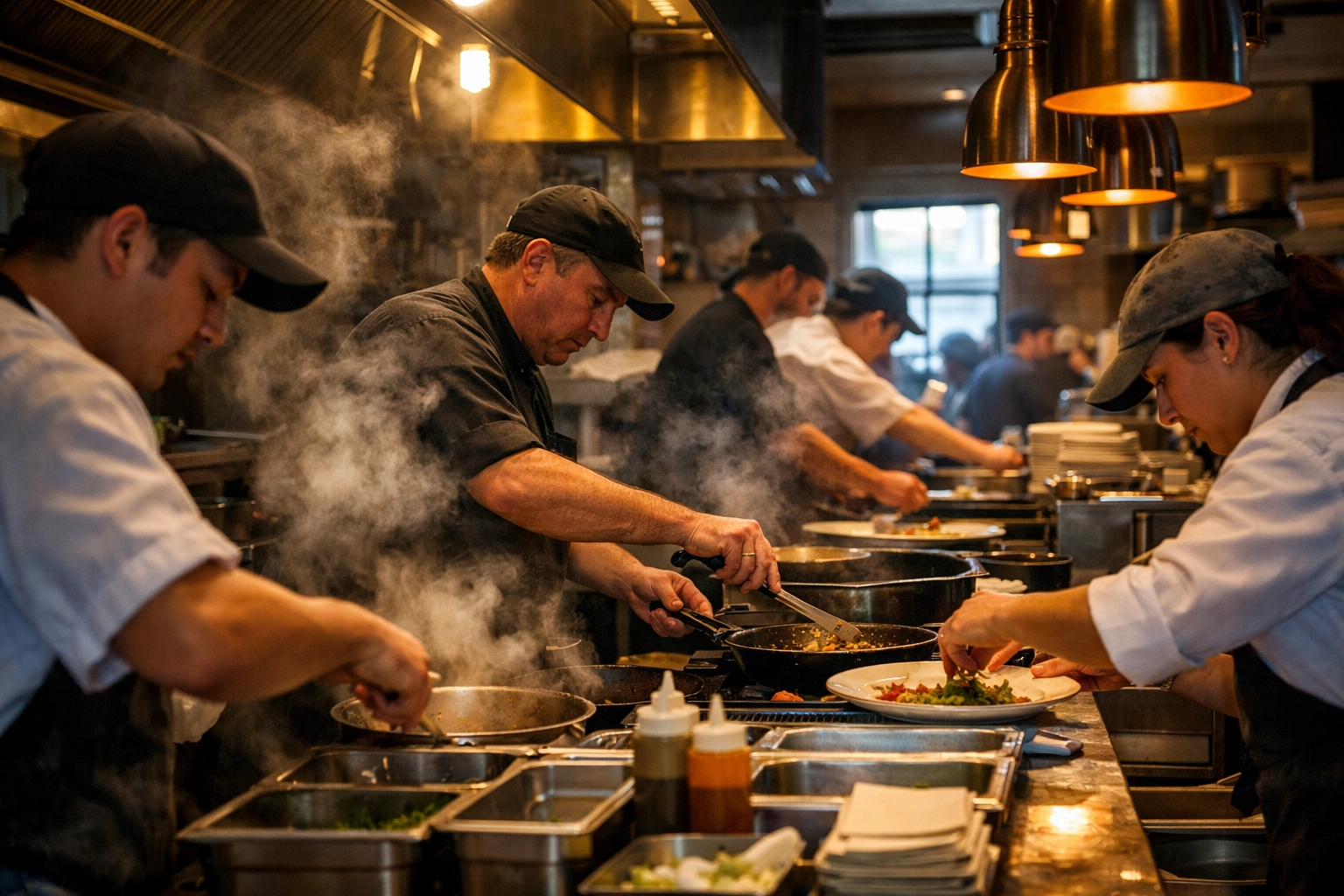
Grant funding and subsidies provide capital access. Strategic deployment requires operational planning.
Pre-Opening Analysis
Market validation occurs before lease signing. Feasibility studies cost a fraction of first-year losses.
Phased Investment
Soft openings and limited service periods test operational systems before full capital deployment.
Performance Metrics
Weekly financial reviews identify trends during correction windows. Waiting for monthly statements delays response capability.
Moving Forward
The Executive Team at McFadden Finch Restaurant Consulting Group monitors market dynamics across Bay Area restaurant operations. Patterns emerge from multiple data points.
Current trends:
- Neighborhood concepts outperform destination dining
- Operational efficiency drives profitability more than revenue volume
- Local customer bases provide stability
- Proven systems transfer more reliably than untested concepts
Restaurant operators considering new locations or experiencing performance challenges benefit from third-party analysis. External review identifies operational gaps that internal teams miss.
Contact the Executive Team at McFadden Finch Restaurant Consulting Group for feasibility studies, business planning, or turnaround strategy consultation. Services include market analysis, financial modeling, and operational system development.
The Executive Team at McFadden Finch Restaurant Consulting Group provides comprehensive consulting services for restaurant operations. Visit our services page for complete service descriptions.