The removal of the iconic Alioto's sign at Fisherman's Wharf is not just San Francisco restaurant news. It is a signal. After 100 years, the shift from mega-restaurants to experience anchors is officially here.
In early January 2026, demolition crews began tearing down the 11,000-square-foot structure that once housed San Francisco's oldest family-run restaurant. The Port of San Francisco could not find a buyer. The building was too big, too expensive to renovate, and built for a dining model that no longer works.
This is not a failure story. This is a repositioning story. And it has lessons for every restaurant operator, legacy brand, and new founder trying to figure out what works in 2026.
Quick Diagnosis Checklist
Before reading further, ask yourself these questions:
- Is your footprint too big for your current revenue?
- Are maintenance costs eating your margins?
- Is your concept built for 1995 or 2026?
- When was your last feasibility study?
- Are you competing on experience or just on food?
If you answered yes to two or more of these, keep reading.
The Legacy Trap: Why Alioto's Could Not Find a Buyer
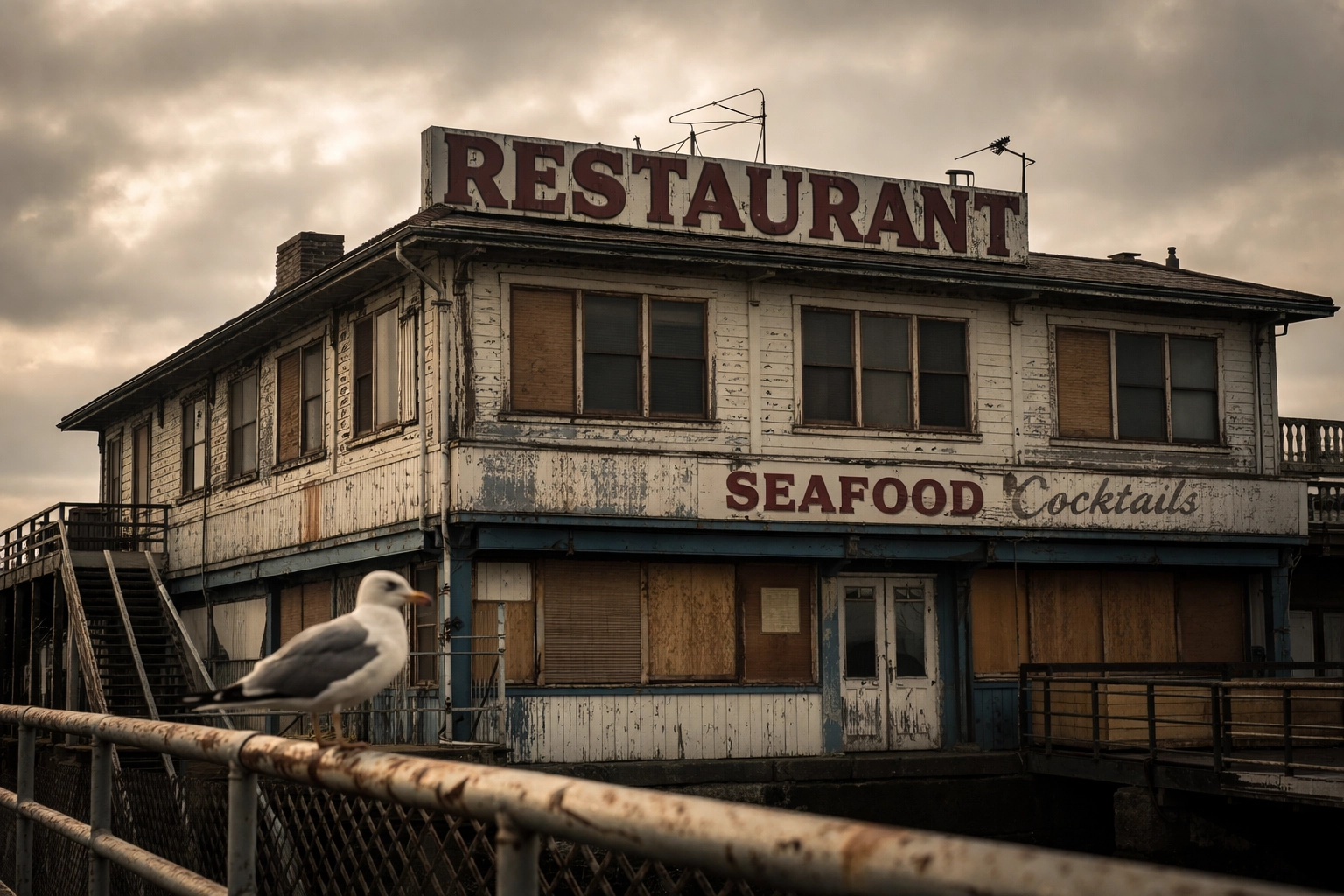
Alioto's started as a fish stand in 1925. It grew into a formal, white-tablecloth institution. For decades, it was the anchor of Fisherman's Wharf.
Then came the pandemic. The restaurant closed in 2020. By 2022, operations ceased permanently. The Port of San Francisco spent years searching for a new operator. No one stepped up.
Here is why:
Size. At 11,000 square feet, the building required massive staffing, inventory, and overhead. Modern operators want flexibility. They do not want to fill 300 seats every night just to break even.
Condition. The building was dilapidated. Renovation costs made the math impossible for most buyers. The capital required to bring it up to code exceeded what most restaurant groups could justify.
Rigid Model. Alioto's was built for destination dining. Tourists came for the formal experience, the views, the history. But tourist behavior has changed. People want variety. They want to graze. They want a vibe.
The lesson here is direct: legacy does not guarantee survival. A 100-year brand can still become a liability if the model does not adapt.
The New Wave: Experience Anchors and the Fisherman's Wharf Forward Project
The Port of San Francisco is replacing Alioto's with a $10 million public plaza. It opens in summer 2026.
The design includes wave-like benches, string lights, and public views of the fishing fleet and Golden Gate Bridge. The goal is not to build another mega-restaurant. The goal is to create a gathering space that draws people in and keeps them there.
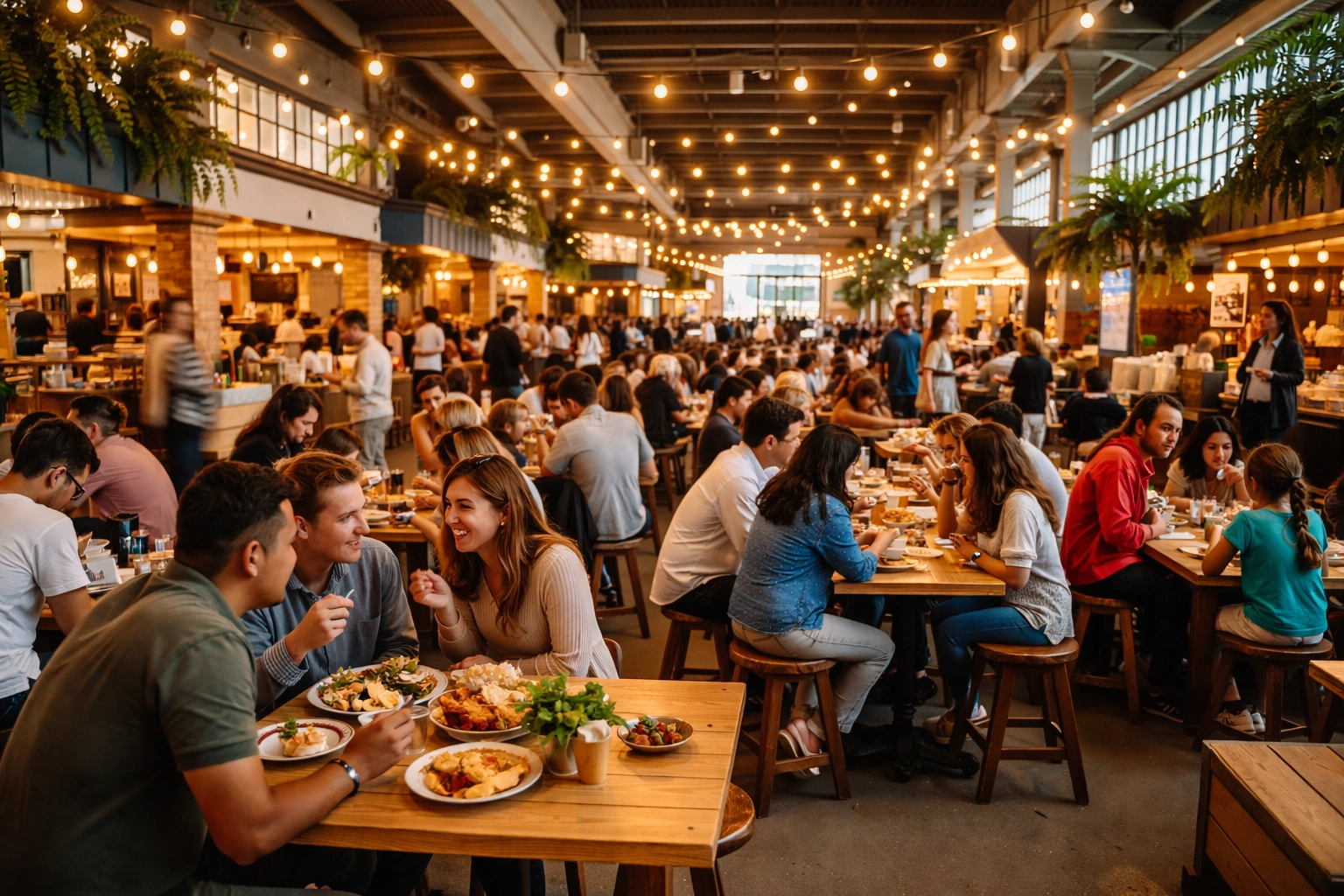
This is the experience anchor model.
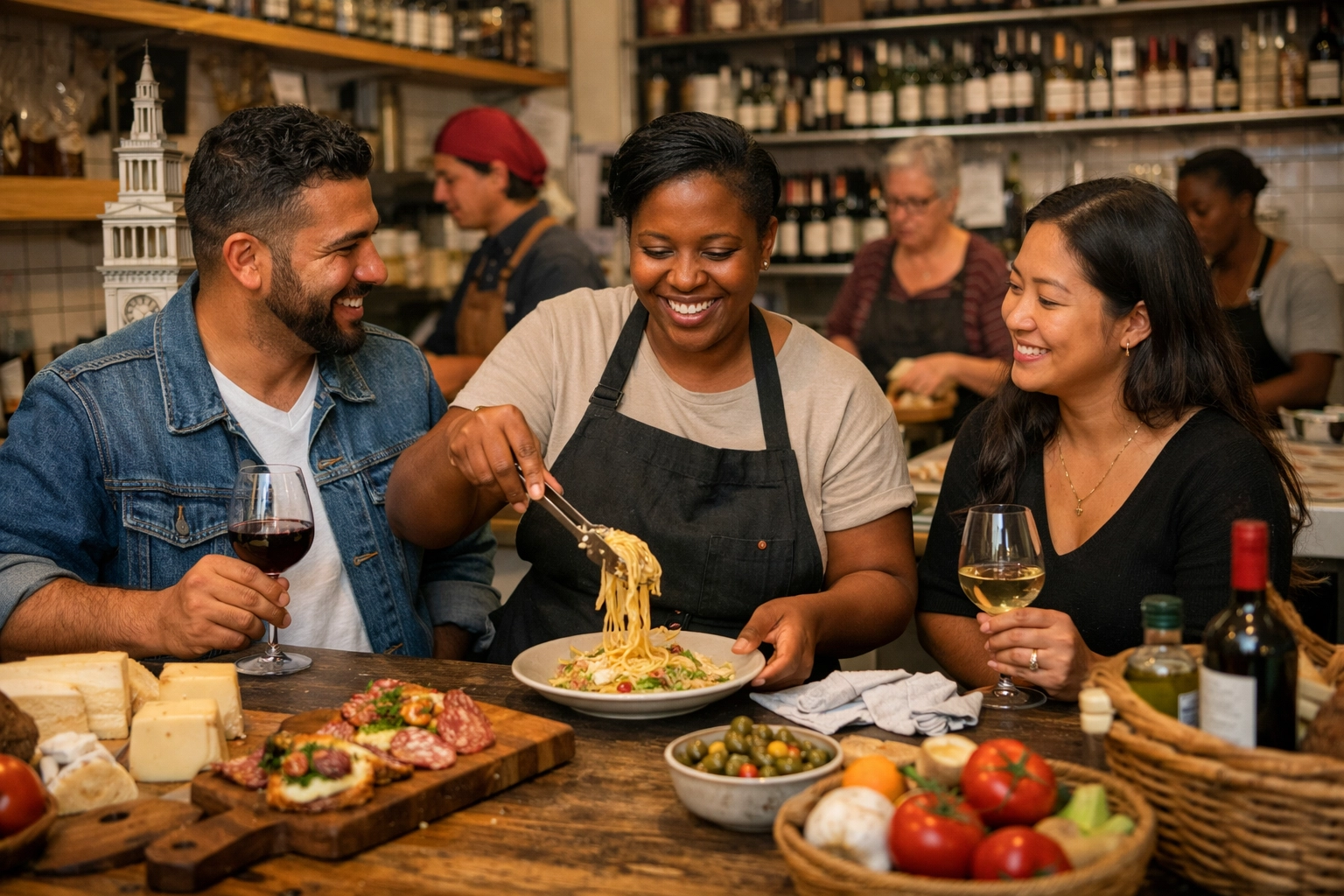
An experience anchor is a public or semi-public space that generates foot traffic and creates a sense of place. It benefits surrounding businesses by bringing people into the area. Instead of one large restaurant trying to capture all the revenue, you have a plaza surrounded by food halls, pop-ups, breweries, and retail.
The Fisherman's Wharf revitalization plan includes:
- A seafood food hall with multiple vendors
- Brewery and winery concepts
- Pop-up retail spaces on Pier 45
- Flexible outdoor seating areas
This approach reduces risk. Smaller operators pay lower rents. They can test concepts without committing to massive buildouts. If one vendor fails, the plaza survives. The ecosystem is resilient.
This is the hospitality trends 2026 shift in action. Flexibility wins. Modularity wins. Experience wins.
Strategic Repositioning: How to Scale Down Without Losing Brand Equity
If you operate a legacy brand or own a large footprint, the Alioto's story is a warning. But it is also a roadmap.
Here is how to reposition without losing your identity:
1. Audit Your Square Footage
Run the numbers. How much revenue do you generate per square foot? Compare that to your lease and labor costs. If the math does not work, it is time to consider a smaller footprint.
2. Explore Food Hall and Pop-Up Models
Many legacy brands are finding new life in food halls. You keep the brand recognition. You lose the overhead. This is a proven restaurant turnaround strategy.
3. License Your Brand
If your name has value, consider licensing it to smaller operators. You collect royalties without managing a 10,000-square-foot building.
4. Invest in the Experience Layer
People remember how a place made them feel. Invest in design, music, lighting, and flow. These elements cost less than a massive kitchen but often drive more repeat visits.
5. Run a Modern Feasibility Study
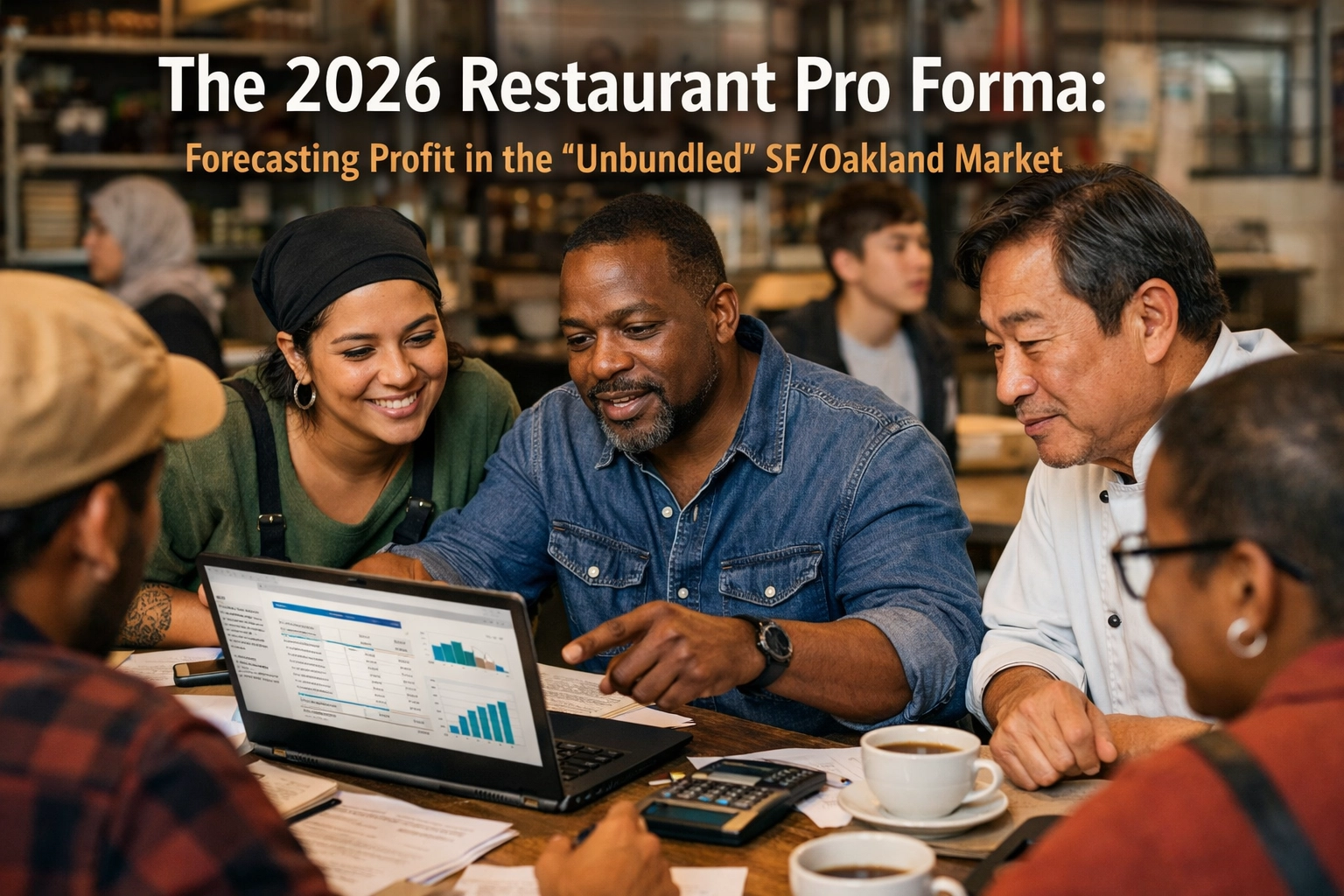
The restaurant feasibility standards of 2015 do not apply anymore. Labor costs have changed. Consumer behavior has changed. Work with restaurant consulting firms that understand the 2026 landscape.
Common Mistakes to Avoid
Operators who ignore these shifts tend to make the same errors:
- Holding onto excessive square footage. Pride in a big space can become a financial anchor.
- Ignoring the vibe shift. Formal dining is not dead, but it is shrinking. Casual, flexible, and social concepts are growing.
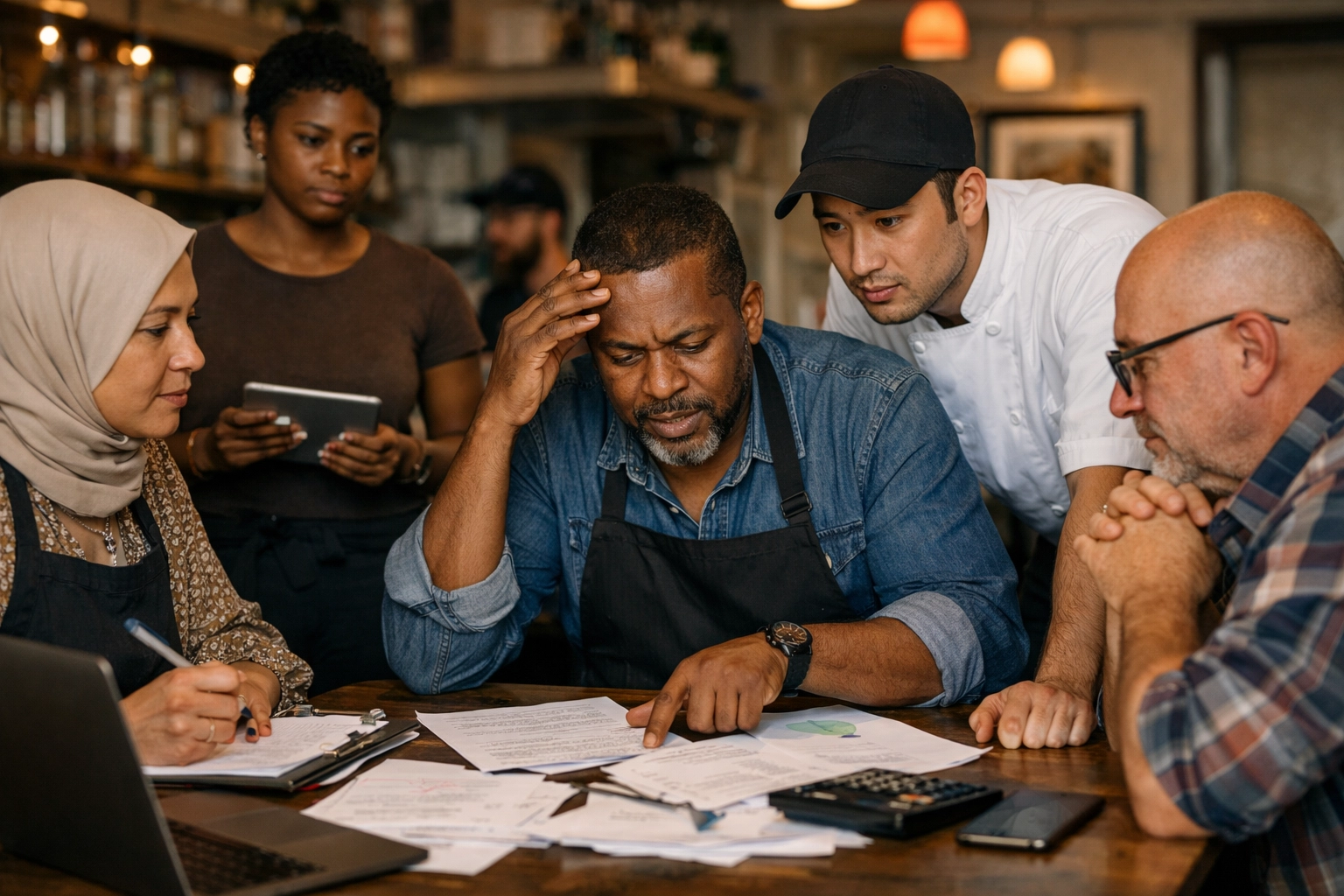
- Skipping the feasibility study. Many operators assume they know their market. A proper study reveals what the data actually says.
- Waiting too long to pivot. Alioto's sat vacant for years. Early action creates more options.
What McFadden Finch Restaurant Consulting Group Does
We help legacy operators and new founders navigate these pivots.
Our services include:
- Feasibility Studies. We assess your market, your concept, and your numbers. You get a clear picture of what works and what does not.
- Restaurant Turnaround. If your operation is struggling, we identify the root causes and build a recovery plan.
- Kitchen and Bar Design. Right-sizing your back-of-house can reduce costs and improve flow. Learn more about our kitchen and bar design consulting.
- Operations Consulting. We help you run leaner and smarter. Details on our operations consulting services.
We have worked with operators across the Bay Area. We understand the local market and the broader trends shaping hospitality in 2026.
Frequently Asked Questions
Why are big restaurants closing?
Large footprints require high revenue to cover rent, labor, and maintenance. When consumer behavior shifts toward casual, flexible dining, mega-restaurants struggle to fill seats consistently.
What is an experience anchor?
An experience anchor is a space designed to attract foot traffic and create a sense of place. It benefits surrounding businesses by drawing people into the area. Think plazas, food halls, and public gathering spaces.
How does a plaza help surrounding businesses?
A well-designed plaza increases dwell time. People stay longer, explore more, and spend more across multiple vendors. It distributes risk and creates a more resilient commercial ecosystem.
When should I run a feasibility study?
Before signing a lease. Before a major renovation. Before expanding. And if your current model is underperforming. A feasibility study gives you the data to make informed decisions.
Next Steps
The Alioto's demolition marks the end of one era and the beginning of another. The operators who thrive in 2026 will be the ones who adapt early.
If you are evaluating your footprint, considering a pivot, or launching a new concept, we can help.
Contact McFadden Finch Restaurant Consulting Group for a feasibility study or turnaround plan to future-proof your concept.
#SanFranciscoRestaurants #HospitalityTrends2026 #RestaurantConsulting #FishermansWharf #RestaurantFeasibility