Based on reporting by Karen Palmer, LA Food Editor, January 3, 2026
Historic Closure Marks End of 139-Year Legacy
The Original Saugus Cafe in Newhall closed its doors permanently on January 4, 2026, ending a 139-year run as Los Angeles County's oldest operating restaurant. According to Karen Palmer's reporting for the LA Food publication, this landmark establishment served everyone from President Benjamin Harrison in 1891 to Hollywood stars like Charlie Chaplin and John Wayne throughout its legendary operation.
The restaurant announced its closure via Facebook on December 29, stating that "plans for the building that houses the restaurant are currently unknown" and that the decision to close "was not made lightly."
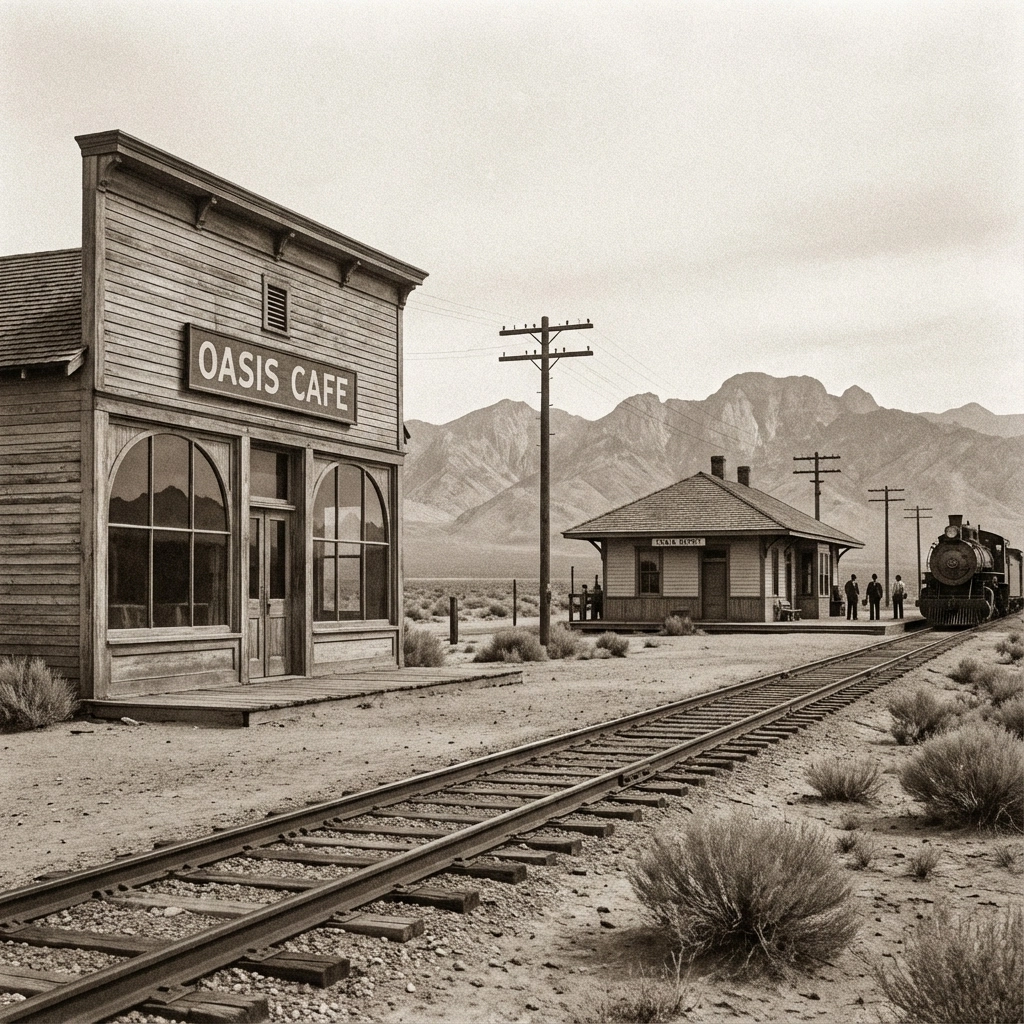
Alt text: Vintage photograph showing the Original Saugus Cafe's historic exterior with railroad depot in background
Foundation Built on Transportation Infrastructure
The cafe opened as the Saugus Eating House between 1886-1888 at the north end of Saugus's train depot, shortly after construction of the San Fernando train tunnel. This timing positioned the business perfectly within California's Southern Pacific rail line development between Los Angeles and San Francisco – infrastructure changes that would dramatically reshape Southern California's population and economy.
From 1890 to 1900, Los Angeles's population more than doubled, creating unprecedented demand for dining establishments that served travelers and workers along major transportation routes. The restaurant changed its name to Saugus Cafe in 1899 and relocated to its current location in 1916 as Santa Clarita evolved into a bedroom community for urban Los Angeles.
Celebrity Clientele and Cultural Significance
Palmer's reporting highlights the restaurant's role as a meeting point for California's most influential figures. William Mulholland reportedly ate breakfast at Saugus Cafe before heading north to secure water rights throughout the Owens Valley – decisions that brought readily available water to millions in Southern California.
During Hollywood's golden age, the restaurant became a regular stop for film industry luminaries including D.W. Griffith, John Wayne, and Frank Sinatra. The establishment even appeared in films like "Seven Sinners" (1938) starring Marlene Dietrich and modern productions including "Boys on the Side" and "CSI."

Alt text: Collage showing vintage Hollywood stars who dined at Original Saugus Cafe with movie stills
Warning Signs Restaurant Operators Should Recognize
While the exact closure reasons remain undisclosed, several observable patterns emerged that restaurant consulting professionals track as risk indicators:
Service Reduction Over Time
The cafe had previously operated 24/7 with a full bar but trimmed both services years before closure. This gradual reduction of operating hours and amenities often signals underlying financial or operational pressures.
Previous Closure History
The restaurant temporarily shuttered in 1943 due to financial strain and again in 1983, indicating recurring challenges with economic sustainability across different market conditions.
Real Estate Uncertainty
The ownership's statement that building plans are "currently unknown" suggests potential property-related pressures that many legacy restaurants face as real estate values increase around them.

Alt text: Map showing Santa Clarita area with Six Flags Magic Mountain and Interstate 5 location markers
Broader Pattern of LA Restaurant Closures
Palmer's reporting connects the Saugus Cafe closure to a series of long-standing restaurant closures throughout LA County in 2025, including Brennan's (the famous turtle-racing bar) and Papa Cristo's (beloved Greek market and restaurant). This pattern indicates systemic pressures affecting established dining institutions across the region.
For restaurant operators, these closures represent more than individual business failures – they signal market-wide challenges including:
- Rising commercial real estate costs
- Changing consumer dining patterns
- Labor market pressures
- Competition from new dining concepts
Actionable Lessons for Restaurant Consulting and Operations
Legacy Value Assessment
Long-term operations require regular restaurant turnaround analysis to identify when historical significance translates to sustainable revenue versus when it masks declining performance metrics.
Infrastructure Dependency Planning
Restaurants built around transportation hubs, like the Original Saugus Cafe, must adapt when infrastructure patterns change. Business plan development should account for evolving traffic patterns and community demographics.
Service Level Sustainability
Gradual service reductions often indicate deeper operational issues. Restaurant consulting analysis should evaluate whether scaled-back operations represent strategic rightsizing or warning signs requiring intervention.

Alt text: Professional consultation meeting between restaurant owner and business consultant reviewing financial documents
Real Estate and Legacy Restaurant Challenges
The Saugus Cafe's uncertain building future highlights critical considerations for legacy restaurant operations:
- Property ownership vs. leasing impacts long-term viability
- Development pressure in growing communities affects rent stability
- Historical designation may provide some protection but doesn't guarantee profitability
- Market value appreciation can create tax burdens that exceed restaurant profit margins
Modern Adaptation Strategies
Successful legacy restaurants implement specific strategies that the Original Saugus Cafe's closure underscores:
Diversified Revenue Streams
Beyond traditional dining, successful long-term operations develop catering, events, merchandise, and experiential offerings that leverage historical significance.
Community Integration
Rather than relying solely on nostalgia, sustainable legacy restaurants become active community partners through local sourcing, event hosting, and civic participation.
Operational Efficiency Updates
Historical charm requires modern operations consulting to balance preservation with efficiency improvements in kitchen systems, inventory management, and staff productivity.
Financial Planning for Multi-Generational Operations
The Saugus Cafe's 139-year operation demonstrates both the potential and challenges of multi-generational restaurant businesses:
- Succession planning requires formal documentation and gradual transition protocols
- Capital reserves must account for periodic renovations and equipment upgrades
- Market adaptation demands flexibility while maintaining core identity elements
- Professional management becomes essential as family involvement changes over time
Summary: Key Takeaways for Restaurant Operators
The Original Saugus Cafe closure provides several critical lessons for current and aspiring restaurant operators:
- Monitor service reduction patterns as early indicators of operational stress
- Develop contingency plans for real estate pressures and development changes
- Balance historical preservation with modern operational requirements
- Create multiple revenue streams beyond traditional dining service
- Establish professional management systems that outlast individual ownership changes
Legacy restaurants face unique challenges that require specialized consulting approaches combining historical preservation with modern business practices.
Frequently Asked Questions
Q: What specific factors led to the Original Saugus Cafe's closure?
A: According to Karen Palmer's reporting, the exact reasons remain undisclosed. The ownership cited that plans for the building are "currently unknown" and the decision "was not made lightly."
Q: How can restaurant operators prevent similar closures?
A: Regular financial analysis, diversified revenue development, modern operational systems, and proactive real estate planning help address common closure factors.
Q: What makes legacy restaurants particularly vulnerable?
A: Legacy establishments often face higher maintenance costs, changing neighborhood demographics, real estate pressures, and challenges adapting historical operations to modern efficiency standards.
Q: How do transportation changes affect restaurant viability?
A: Restaurants dependent on specific traffic patterns must adapt when infrastructure, commuting routes, or community development changes affect customer access and visibility.
The closure of Los Angeles County's oldest restaurant represents more than the end of a single establishment – it highlights the complex challenges facing legacy dining operations throughout evolving markets. Restaurant operators can learn from this closure by implementing proactive planning, modern operational systems, and strategic adaptations that preserve historical value while ensuring long-term sustainability.
Ready to protect your restaurant's legacy? Request a comprehensive business review to identify potential risks and develop protection strategies.
Download our free Restaurant Legacy Playbook for detailed guidance on preserving long-term restaurant operations in changing markets.
Credit: Analysis based on reporting by Karen Palmer, LA Food Editor, January 3, 2026. For restaurant consulting and turnaround services, contact McFadden Finch Restaurant Consulting Group.