From Retail Hub to Culinary Powerhouse: The Evolution of Walnut Creek
If you’ve driven through downtown Walnut Creek lately, you’ve probably noticed something different. It isn’t just the familiar hum of shoppers at Broadway Plaza; it’s a palpable sense of momentum that feels starkly different from the "doom loop" headlines haunting other parts of the Bay Area. While major metros are still wrestling with office vacancies and foot traffic, Walnut Creek is currently sitting on a staggering 3.7% retail vacancy rate as of the fourth quarter of 2025 (San Francisco Business Times) [1]. This isn’t just a "recovery", it’s a full-scale reinvention of what a suburban downtown can be.
The city is currently on track to welcome more than 15 new major retailers and restaurants in 2026 alone, a boom that is being fueled by a mix of high-end experience-based retail and a burgeoning "Ramen War" that would make San Francisco’s Japantown jealous (Walnut Creek Downtown) [3]. This post explores how Walnut Creek transitioned from a convenient shopping stop into a premier culinary and lifestyle destination, and what hospitality groups can learn from this high-stakes market.
By the end of this deep dive, you will understand:
- The strategic shift from traditional "anchor" retail to experience-driven lifestyle centers.
- The data behind the 96% occupancy rebound in neighborhood shopping centers.
- How aggressive city policy, like "Entertainment Zones," is creating a new blueprint for suburban nightlife.
The RH Effect: Trading Department Stores for Courtyards
The biggest headline in the East Bay retail world right now is the planned transformation of the former Neiman Marcus site. RH (formerly Restoration Hardware) isn't just opening a store; they are tearing down the massive department store footprint at 1000 S. Main St. to build a four-building, courtyard-style "experience" (San Francisco Business Times) [1].
This move represents a massive pivot in the world of restaurant consulting firms. For decades, malls relied on "anchors", massive department stores that drew people in to shop. Today, the anchor is the experience. RH’s new complex, slated to open fully by 2028, will feature a high-end restaurant and integrated design showrooms (City of Walnut Creek) [2]. When a major brand chooses to spend millions on a multi-building courtyard rather than a standard box store, it signals that the future of retail is inseparable from hospitality.
The Ramen Wars: A Culinary Destination Reborn
For a long time, Walnut Creek was where you went for a decent chain meal after buying new shoes. That era is officially over. The 2026 lineup of restaurant openings suggests that the city is now a legitimate battleground for some of the best culinary brands in the state.
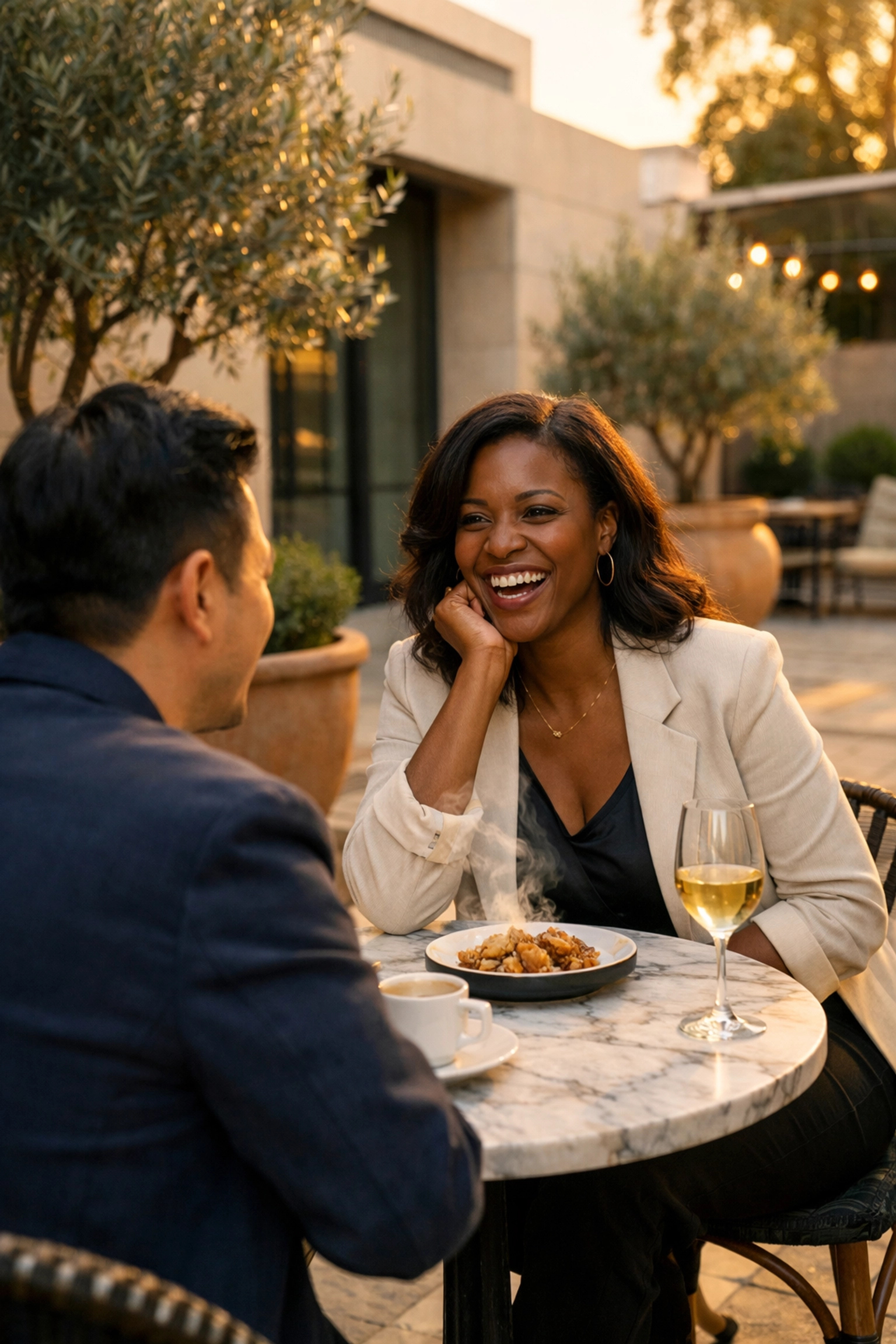
Nowhere is this more evident than in the "Ramen Wars" currently brewing on North Main and Cypress Streets. Marufuku Ramen, the Michelin-recognized Hakata-style powerhouse, is moving into the former Extreme Pizza location (Walnut Creek Downtown) [3]. Not to be outdone, Mensho Ramen, another legendary name in the noodle world, is setting up shop in the former Essence space on North Main Street [1].
This concentration of high-end, authentic concepts is a clear indicator of a mature market. For independent operators looking to enter this space, a feasibility report of restaurant performance is no longer a luxury; it’s a survival tool. Competing against established brands like Marufuku or the upcoming North Italia (opening March 2026 on Locust Street) requires a level of operational precision that only comes from deep market analysis (John Cumbelich & Associates) [4].
By the Numbers: The 96% Rebound
While the downtown core gets the glitz, the "neighborhood centers" are the unsung heroes of Walnut Creek’s economic story. According to a third-quarter report from John Cumbelich & Associates, occupancy across the city’s 13 neighborhood shopping centers cleared 96% in October 2025 (John Cumbelich & Associates) [4].
This is a historic high, completing a remarkable rebound from a "market bottom" of 85.9% in early 2024 [1]. This suggests that the "work-from-home" shift has permanently boosted local suburban commerce. People aren't just commuting to San Francisco anymore; they are living, working, and, most importantly, eating in their own backyards.
| Metric | Q1 2024 (Bottom) | Q4 2025 (Current) | National Average (Retail) |
|---|---|---|---|
| Downtown Vacancy Rate | ~8% [1] | 3.7% [1] | 4.8% [9] |
| Neighborhood Center Occupancy | 85.9% [4] | 96.0% [4] | ~90% [9] |
| New Leases Signed (Q4 '25) | N/A | 9 (23,293 sq ft) [1] | N/A |
Policy Power: Entertainment Zones and Outdoor Pods
Walnut Creek’s success isn't just an accident of geography; it’s the result of aggressive, SF-style policy adaptations. The city recently earmarked $100,000 for "dining pods", permanent, high-quality outdoor structures that evolved from the temporary parklets of the pandemic (City of Walnut Creek) [5].
Seven restaurants, including Elia and Broderick Roadhouse, have already secured these grants to expand their footprints [1]. Furthermore, the city is launching "Entertainment Zones" similar to those in San Jose and San Francisco. These zones allow for open-container drinking during specific events, like the Locust Street Festival, effectively turning the downtown streets into a cohesive hospitality experience (Walnut Creek Downtown) [3].
For bar and restaurant consultants, these policy shifts are gold. They allow for increased revenue per square foot and higher foot traffic during off-peak hours. However, navigating the permitting and design requirements for a "pod" requires a specific type of expertise to ensure the investment actually yields a return.
Timeline of the Walnut Creek Expansion
The following milestones track the city's journey from the 2024 market bottom to the projected 2028 completion of major projects:
- Early 2024: Neighborhood shopping center occupancy hits a post-pandemic low of 85.9% (John Cumbelich & Associates) [4].
- October 2025: Neighborhood centers rebound to 96% occupancy for the first time since 2020 [1].
- December 2025: Downtown core occupancy moves to 93.01% after nine new major leases are signed [4].
- March 2026: North Italia officially opens at 1179 Locust St., replacing the former Tilly’s (San Francisco Business Times) [1].
- Spring 2026: Doppio Zero (Michelin Guide Italian) and Laderach Chocolatier Suisse open their doors [3].
- April 2026: Deadline for restaurants to apply for the final round of "outdoor dining pod" grants [1].
- Summer 2026: Fashion brands Skims and Gorjana open major footprints in Broadway Plaza [1].
- Fall 2026: New Balance and Sur La Table (replacing PF Chang's) open for the holiday season [1].
- Mid-2026: Construction begins on the new RH Gallery four-building courtyard complex (City of Walnut Creek) [2].
- Late 2026: Barry’s Bootcamp opens at the Rise Apartment Complex, signaling a shift toward fitness-integrated retail [1].
- Early 2028: Projected grand opening of the RH luxury experience development [2].
Case Example: The Pinstripes Challenge vs. Small-Scale Success
The "Walnut Creek Boom" isn't without its growing pains. The most notable struggle in the current market is the former Pinstripes location at Broadway Plaza. Despite the city's low vacancy rate, this nearly 30,000-square-foot, three-level space put a massive amount of inventory back on the market after only a year of operation (San Francisco Business Times) [1].
Retail analysts note that three-level spaces present unique leasing challenges in a market where most modern operators prefer 2,000 to 5,000 square foot footprints (John Cumbelich & Associates) [4]. This serves as a cautionary tale: even in a "booming" town, oversized footprints without a rock-solid feasibility study for restaurant operations can lead to quick exits.
In contrast, smaller-scale conversions have been highly successful. For example, the owners of 1333 N. California Blvd. successfully converted the former Scott’s Seafood into office space, and Oceania Fish Bar is smoothly taking over the legendary Walnut Creek Yacht Club spot [1]. The lesson? Right-sizing the concept to the space is more important than simply being in a "hot" ZIP code.
What Smart Critics Argue
The "Chain-ification" Concern
Critics argue that the influx of big names like North Italia, Skims, and RH is pricing out the local, "mom-and-pop" character that originally made Walnut Creek charming.
- The Evidence-Based Response: While major chains are taking the large Broadway Plaza spots, the city's grant programs for outdoor pods are specifically designed to help established local favorites like Broderick Roadhouse stay competitive (City of Walnut Creek) [5].
The Infrastructure Strain
With more than 15 new openings and a projected 5,800 new homes required by state mandate, some residents worry the city’s roads and parking can’t handle the density (California HCD) [8].
- The Evidence-Based Response: The city’s 2026–2035 Capital Investment Program (CIP) includes specific road diet projects and enhanced pedestrian access on Broadway to mitigate traffic as the "RH Effect" takes hold (City of Walnut Creek) [2].
The Sustainability of the "Experience" Model
Some retail skeptics believe "lifestyle centers" are a fad and that consumers will eventually return to the convenience of pure e-commerce.
- The Evidence-Based Response: Data shows that Walnut Creek's vacancy rate is substantially below the national average precisely because it has moved away from commodity retail and toward dining and fitness, things that cannot be replicated by Amazon (San Francisco Business Times) [1].
Key Takeaways
- Suburban Strength: Walnut Creek's 3.7% vacancy rate proves that well-managed suburban hubs are outperforming many urban centers in 2026 [1].
- Experience Over Goods: The shift from Neiman Marcus to the RH courtyard signals a permanent move toward "experience-based" retail [2].
- Culinary Maturation: The arrival of Marufuku and Mensho Ramen marks Walnut Creek’s transition into a regional dining destination [3].
- Neighborhood Resilience: Neighborhood shopping centers are nearly full (96%), driven by local residents staying closer to home [4].
- Policy Support: City grants for "dining pods" and the creation of "Entertainment Zones" are actively lowering the barrier to entry for hospitality success [1].
- Right-Sizing Matters: Large, multi-level spaces like the former Pinstripes remain the biggest hurdle in an otherwise tight market [1].
- Infrastructure Investment: The city is backing its growth with a 10-year Capital Investment Program to ensure the downtown remains walkable and accessible [2].
Actions You Can Take
At Work
If you are an operator or investor, commission a restaurant feasibility study before signing a lease in Walnut Creek. The market is tight, and competition for the best sites is fierce.
At Home
Support the new local culinary scene. Trying out the "Ramen War" participants or the new Oceania Fish Bar helps maintain the diversity of the local dining ecosystem.
In the Community
Attend the upcoming Locust Street Festival or other downtown events to support the new "Entertainment Zones." Public participation is what ensures these policies become permanent.
In Civic Life
Review the city's 2026-2035 Capital Investment Program. Staying informed about road improvements and new parking structures can help you plan your travel or business deliveries.
The Extra Step
If you own a restaurant in the area, check your eligibility for the outdoor dining pod grants before the March 31 deadline. This is "free" capital to help expand your footprint (San Francisco Business Times) [1].
FAQ
Q: Why did Neiman Marcus close if the area is booming?
A: Neiman Marcus's exit was part of a larger corporate restructuring and a shift in how luxury brands interact with malls. The space is being replaced by RH, which will offer a more modern "lifestyle courtyard" experience [1][7].
Q: Is there still space for new restaurants in Walnut Creek?
A: Yes, but it is limited. With a 3.7% vacancy rate, most "prime" spots are spoken for. Success now depends on identifying unconventional spaces or taking over second-generation restaurant sites [1].
Q: What are "Entertainment Zones"?
A: These are designated areas where patrons can purchase alcoholic beverages from participating businesses and consume them on the street during sanctioned events, similar to policies in San Francisco and San Jose [3].
Q: How do the new housing mandates affect the retail scene?
A: The state-mandated 5,800 new homes will provide a larger, built-in customer base for downtown businesses, further insulating the city from retail downturns (California HCD) [8].
Q: Who should I talk to about opening a bar or restaurant in this market?
A: Engaging with bar and restaurant consultants who understand local zoning, the new "pod" grants, and the competitive landscape is the most efficient way to enter a high-performing market like Walnut Creek.
Where Smart Strategy Meets Profitable Hospitality.
At McFadden Finch Restaurant Consulting Group, we help restaurant owners make sharper decisions, strengthen operations, and build businesses designed to perform. From feasibility studies and concept development to menu strategy and long-term operational consulting, we help your restaurant move beyond survival and into sustained growth.
McFadden Finch Restaurant Consulting Group
Lake Merritt Plaza
1999 Harrison St., 18th Floor
Oakland, CA 94612
(510) 973-2410
www.mcfadden-finch-group.com
executive.team@mcfadden-finch-group.com
Schedule your discovery call today and start building a stronger, smarter, more profitable restaurant. The corporate office address and email are listed on McFadden Finch Holdings’ contact page, and MFRCG is included in the company’s hospitality consulting portfolio.
Sources
[1] Hannah Kanik, “Walnut Creek to welcome more than a dozen new retailers and restaurants in 2026: 'People know Walnut Creek',” San Francisco Business Times, March 2, 2026, https://www.bizjournals.com/sanfrancisco/news/2026/03/02/walnut-creek-retail-restaurants-rh-skims-sur-la-table.html, Accessed March 7, 2026.
[2] City of Walnut Creek, “2026–2035 Capital Investment Program (CIP),” April 24, 2024, https://www.walnut-creek.org/departments/community-development/planning-division, Accessed March 7, 2026.
[3] Walnut Creek Downtown Business Improvement District, “Future of Walnut Creek Event Summary,” March 2026, https://www.walnutcreekdowntown.com, Accessed March 7, 2026.
[4] John Cumbelich & Associates, “Walnut Creek Retail Report Q3 & Q4 2025,” January 2026, https://www.cumbelich.com/reports, Accessed March 7, 2026.
[5] City of Walnut Creek, “Economic Development and Downtown Vitality Priority 2025–2026,” June 2025, https://www.walnut-creek.org/government/city-council/city-council-priorities, Accessed March 7, 2026.
[6] Macerich, “Broadway Plaza Portfolio Update,” February 2026, https://www.macerich.com/Leasing/Properties/Broadway-Plaza, Accessed March 7, 2026.
[7] San Francisco Business Times, “RH to replace Neiman Marcus with four-building courtyard complex,” March 2, 2026, https://www.bizjournals.com/sanfrancisco/news/2026/03/02/rh-broadway-plaza-walnut-creek-neiman-marcus.html, Accessed March 7, 2026.
[8] California Department of Housing and Community Development, “Walnut Creek Housing Element Status,” January 2026, https://www.hcd.ca.gov, Accessed March 7, 2026.
[9] U.S. Bureau of Labor Statistics, “Consumer Expenditure and Retail Trends Q4 2025,” February 2026, https://www.bls.gov, Accessed March 7, 2026.