February 2026 marks a turning point for San Francisco dining. Five new restaurant openings across the city demonstrate how operators are reimagining spaces left behind by previous concepts. These launches offer practical insights into restaurant feasibility and strategic neighborhood selection.
Noches Replaces Death by Tacos in Mission Bay
Mission Bay received a new dining option when Noches opened in the former Death by Tacos location. The transition represents a calculated bet on the neighborhood's growing residential density and office population.
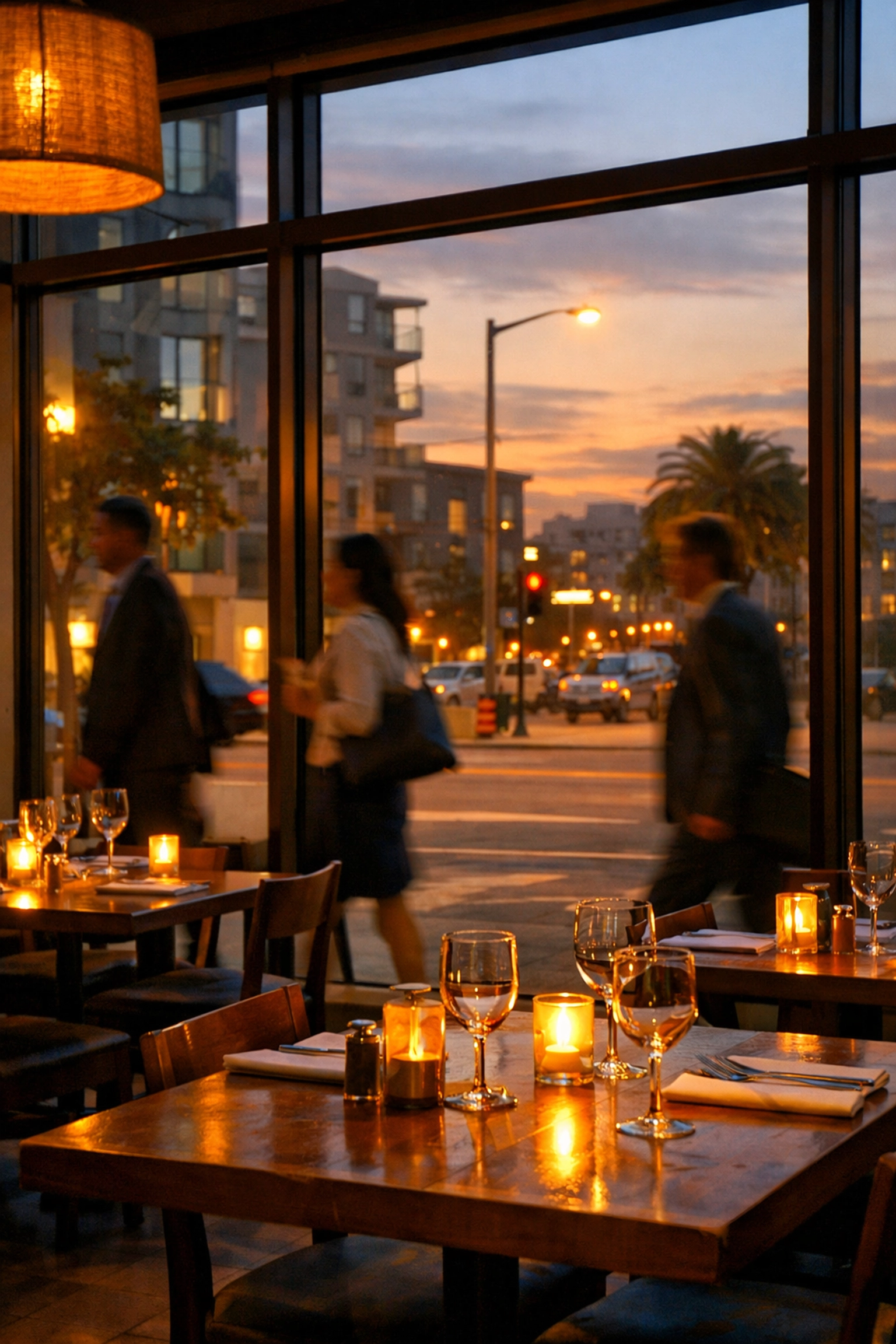
Death by Tacos closed after facing challenges with foot traffic patterns and operational costs. Noches addresses these issues through adjusted operating hours that align with local demand patterns and a menu designed for both quick lunch service and evening dining.
The Mission Bay corridor continues to add residential units and commercial space. Restaurant consulting firms track this development closely when advising clients on location selection. Noches positioned itself to serve both the weekday lunch crowd and evening residents.
Loveski Deli Enters Jackson Square
Jackson Square gained a new deli concept with Loveski Deli's opening in a previously vacant storefront. The location selection reflects confidence in the neighborhood's ongoing transformation from primarily commercial to mixed-use.
The deli format suits Jackson Square's office population while offering flexibility for evening and weekend traffic. Bar and restaurant consultants note that adaptive concepts like delis can capture multiple dayparts more effectively than single-service models.
Loveski Deli's menu emphasizes high-quality ingredients and efficient service. This approach aligns with the neighborhood's professional demographic while maintaining accessible price points. The concept demonstrates how restaurant feasibility depends on matching format to location characteristics.
JouJou Opens in Design District
The Design District welcomed JouJou, a new restaurant occupying a space that previously housed several short-lived concepts. The area's evolution from industrial to creative hub created opportunities for dining establishments that align with the neighborhood's aesthetic.
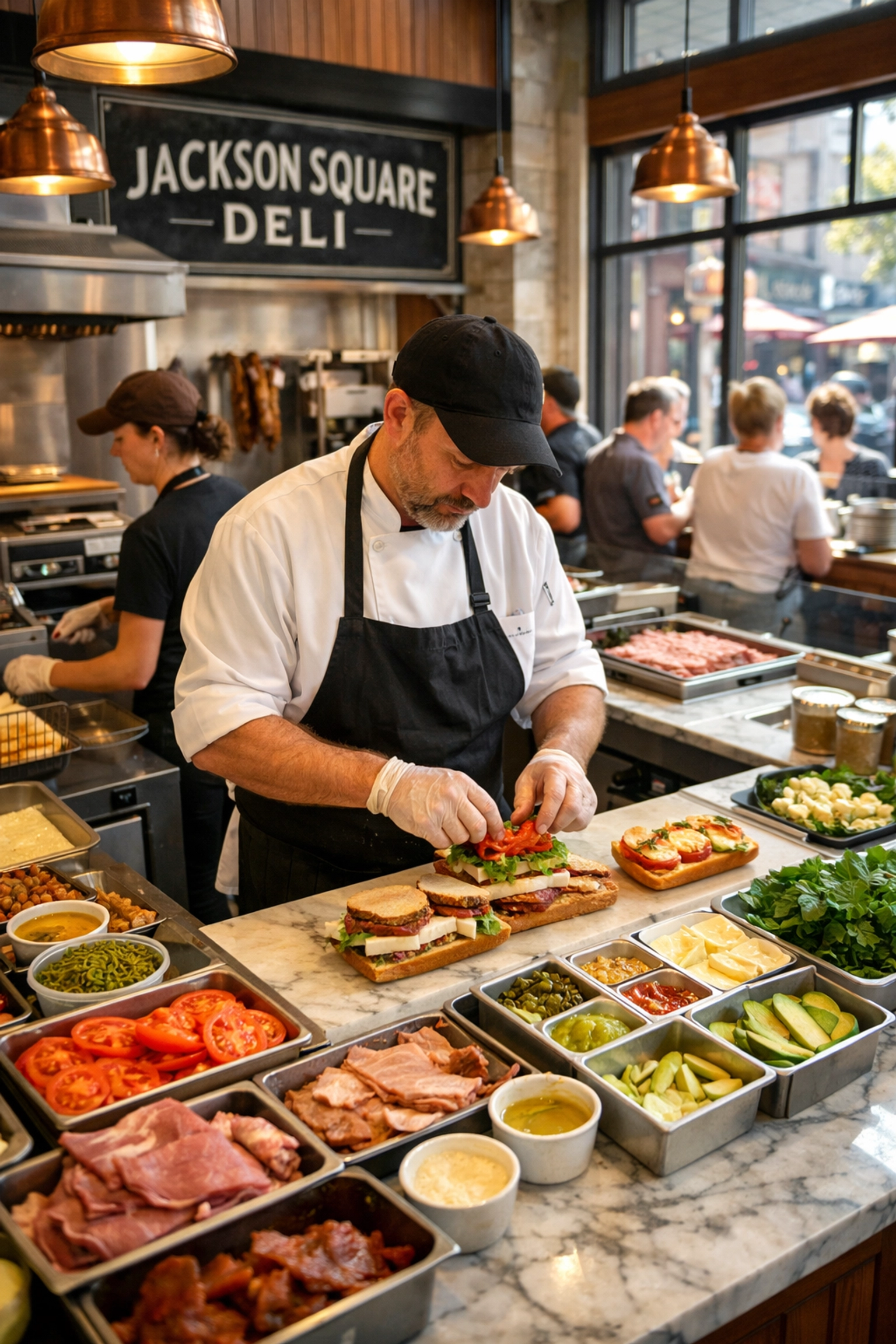
JouJou's design-forward approach matches its location. The restaurant invested in interior finishes that appeal to the Design District's creative professional population. This alignment between concept and neighborhood identity represents a core principle in restaurant feasibility studies.
Previous operators in the space struggled with unclear positioning and inconsistent traffic patterns. JouJou addressed these challenges through deliberate branding and operating hours that correspond with Design District activity.
RT Bistro Fills Hayes Valley Gap
Hayes Valley added RT Bistro in a location that experienced turnover following a previous closure. The neighborhood's established dining scene presents both opportunity and competition.
RT Bistro differentiated itself through a focused bistro format emphasizing approachable French technique with California ingredients. The concept fills a specific gap in Hayes Valley's current offerings without directly competing with established restaurants.
Restaurant consulting firms emphasize the importance of competitive analysis when evaluating new locations. RT Bistro's success will depend on its ability to capture both neighborhood regulars and destination diners drawn to Hayes Valley's dining corridor.
Maria Isabel in Pacific Heights
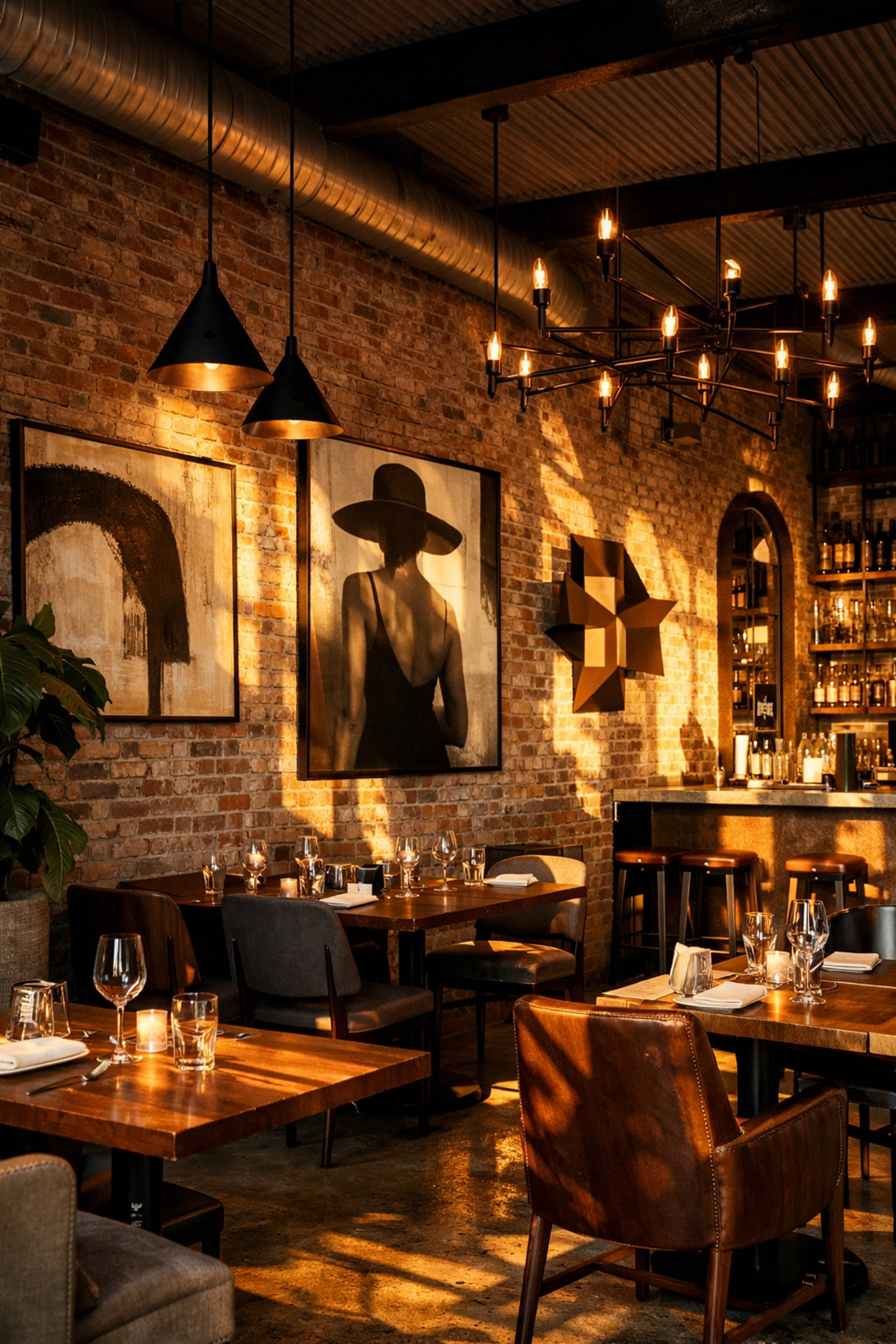
Maria Isabel opened in the former Ella's American Kitchen space in Pacific Heights. The transition from American comfort food to elevated Mexican cuisine represents a strategic repositioning of the location.
The restaurant's operators, Laura and Sayat Ozyilmaz, bring established credibility from their Presidio restaurant Dalida. This track record provides confidence in their ability to navigate Pacific Heights' competitive landscape.
Maria Isabel's menu draws from Laura's Mexican heritage while incorporating seasonal California ingredients. This approach demonstrates how reimagining a legacy space requires both honoring neighborhood expectations and introducing new perspectives.
Restaurant Feasibility in Practice
These five openings illustrate core principles of restaurant feasibility assessment. Each operator evaluated multiple factors before committing to their respective locations.
Neighborhood trajectory determines whether a location offers growth potential or declining returns. Mission Bay and the Design District represent developing areas with increasing density. Jackson Square, Hayes Valley, and Pacific Heights are established neighborhoods where success depends on differentiation and positioning.
Previous operator challenges provide data for new concepts. Understanding why a previous restaurant closed allows operators to address specific issues. Physical space limitations, traffic patterns, parking access, and demographic mismatches all influence feasibility.
Competitive positioning requires clear differentiation. Each of these five restaurants identified gaps in their respective neighborhoods. Restaurant consulting firms guide operators through competitive analysis to identify underserved customer needs.
Operational alignment matches concept to location characteristics. A deli format in Jackson Square serves different needs than a bistro in Hayes Valley. Format selection depends on neighborhood demographics, traffic patterns, and competitive landscape.
Reimagining vs. Repeating
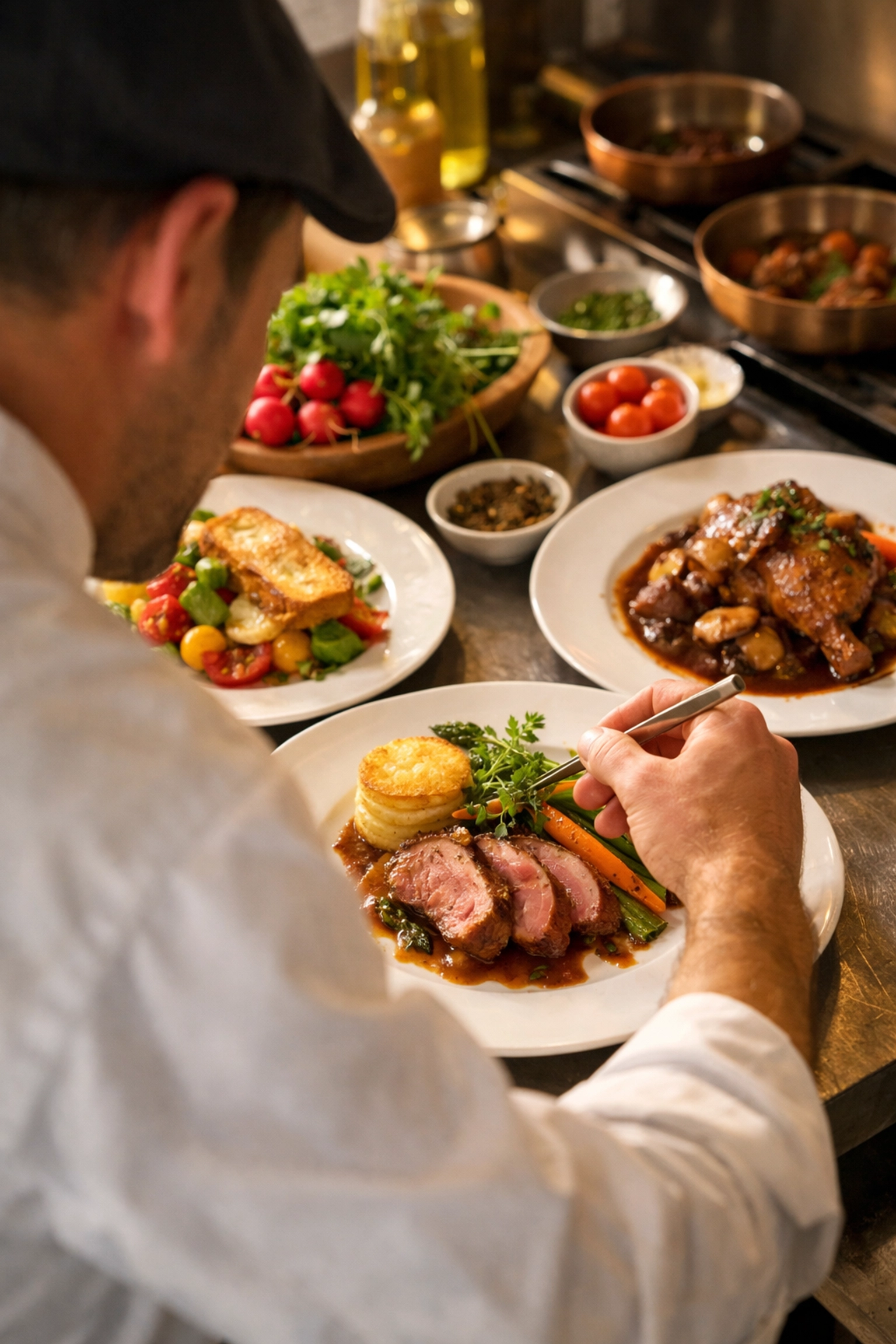
The distinction between reimagining a space and repeating previous mistakes determines success. These February openings demonstrate strategic approaches to legacy locations.
Reimagining requires understanding what worked and what failed in previous concepts. Physical space constraints remain constant, but operating approach, menu design, pricing strategy, and service model offer flexibility.
Bar and restaurant consultants conduct feasibility studies that examine both tangible and intangible factors. Tangible elements include lease terms, build-out costs, equipment needs, and infrastructure. Intangible factors include neighborhood perception, competitive positioning, and operator credibility.
February Timing
Opening in February provides specific advantages. Winter launches allow operators to work through operational issues before peak spring and summer seasons. Staff training occurs with manageable guest volumes. Systems and processes are refined before higher-traffic periods.
February openings also capture media attention during a typically slower news period for restaurant coverage. These five restaurants benefited from concentrated coverage that builds initial awareness.
Looking Forward
These five February openings establish patterns for 2026 restaurant development in San Francisco. Operators increasingly focus on reimagining existing spaces rather than building new locations from scratch. This approach reduces capital requirements and accelerates opening timelines.

The success of these restaurants will inform future feasibility assessments across the city. Each location provides data about neighborhood trajectories, competitive positioning, and operational models. Restaurant consulting firms track these outcomes to refine recommendations for future clients.
San Francisco's restaurant landscape continues to evolve through cycles of closure and renewal. February 2026 demonstrates how strategic operators identify opportunities in legacy spaces and reimagine them for current market conditions.
Understanding restaurant feasibility requires analyzing multiple factors simultaneously. These five openings provide practical examples of feasibility principles in action. Each operator evaluated their specific location, competitive environment, and operational capabilities before committing resources.
The February fresh start offers optimism for San Francisco dining. New operators bring energy and perspective to established neighborhoods while addressing challenges that limited previous concepts. This cycle of renewal sustains the city's restaurant ecosystem.