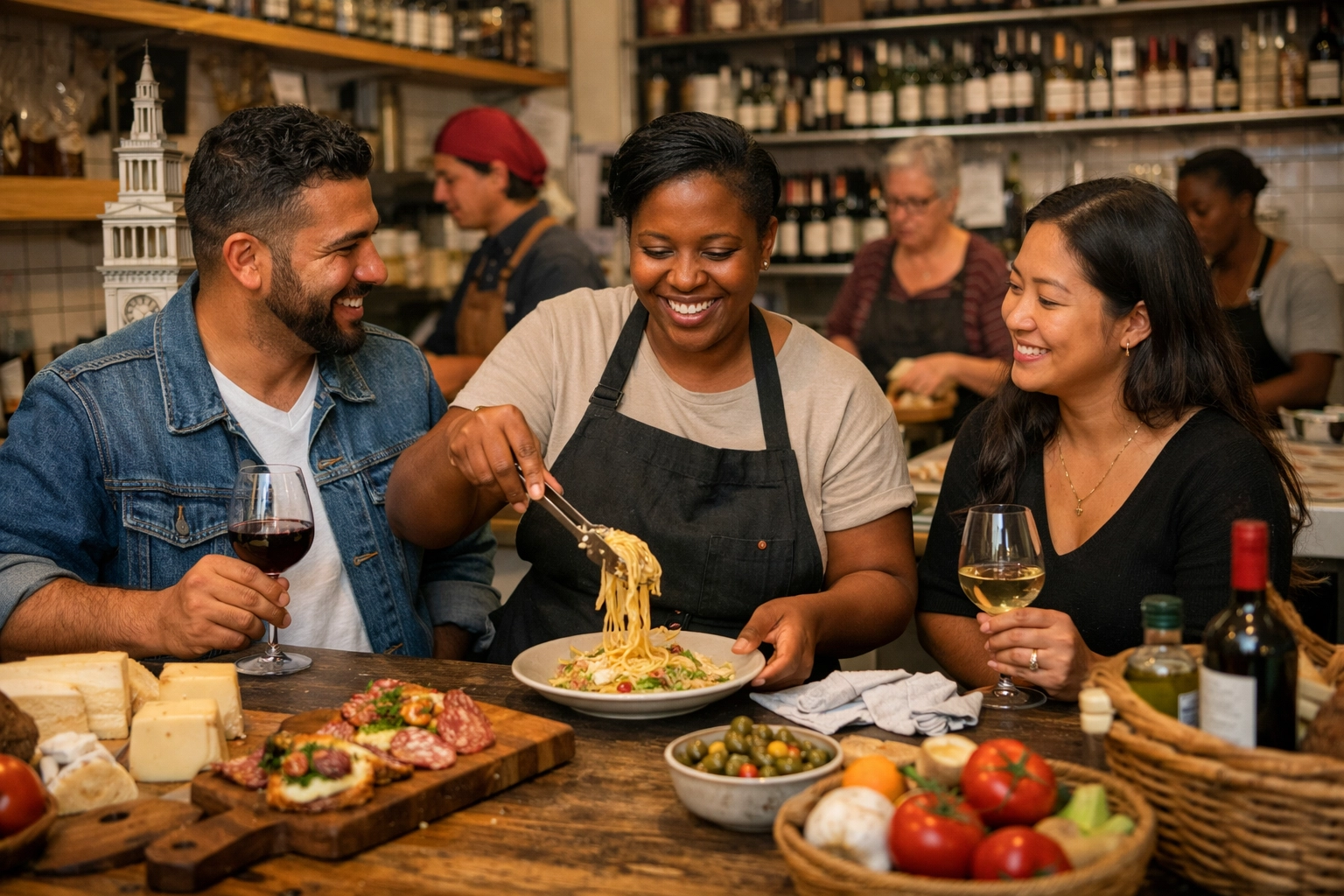
Walk into most restaurants on a Monday night at 7:00 PM, and the atmosphere usually resembles a library after hours. The lights are dimmed not for mood, but to save on the utility bill. The staff is polishing silverware for the third time, and the kitchen is prepping for a Tuesday rush that may or may not arrive. For most operators, Monday is the "graveyard shift" of the weekly calendar, a night where labor costs often eclipse the meager intake from a handful of walk-ins. However, at 3230 Mission St in San Francisco, Emmy’s Spaghetti Shack has flipped this script entirely. By leaning into a strategic, themed "Monday Is For Lovers" special, they have successfully transformed the slowest night of the week into a high-margin, high-energy community tradition.
The "Monday Is For Lovers" deal is deceptively simple: two appetizers, one massive entrée, one dessert, and a full bottle of wine for $60, cash only (Emmy's Spaghetti Shack) [1]. This isn't just a discount; it is a masterclass in restaurant yield management and operational psychology. By creating a fixed-price experience that prioritizes cash flow and kitchen efficiency, Emmy’s provides a blueprint for how modern operators can survive the "value trap" without eroding their brand or their margins. Success in the next era of dining requires moving past generic discounts and toward engineered experiences that solve the specific pain points of the weekly schedule.
In this post, we will examine the strategic pillars that make this model work:
- Why themed experiences outperform generic percentage-based discounts.
- The operational "secret sauce" of using prix-fixe menus to stabilize kitchen flow and inventory.
- The economic impact of "cash-only" incentives in a high-fee, high-inflation environment.
The "Monday Graveyard" and the Failure of Generic Discounts
The struggle to fill seats early in the week is not merely a local San Francisco issue; it is a structural reality for the American hospitality industry. According to data from the National Restaurant Association, Monday and Tuesday consistently rank as the lowest-performing days for on-premise dining volume across nearly every segment [2]. Most operators respond to this dip with "Happy Hour" extensions or generic "20% off" coupons. While these might move the needle slightly, they often fail because they lack a narrative. A discount signals desperation; a theme signals an event.
Generic discounting also creates a "race to the bottom" where guests only visit when the price is low, destroying the perceived value of the full-price menu on weekends (Harvard Business Review) [3]. In contrast, Emmy’s "Monday Is For Lovers" creates a specific reason to visit. It targets a demographic, couples and close friends, who are looking for an affordable but curated "date night" experience. By framing the discount as a romantic or social tradition, the restaurant avoids the stigma of being "the cheap spot" and instead becomes "the smart spot" for locals (San Francisco Chronicle) [4].
The Psychology of "Monday Is For Lovers"
Consumer behavior in 2026 is increasingly defined by "value seeking" rather than just "low prices." As inflation has pressured household incomes, diners are more willing to trade down in frequency but trade up in experience when they do go out (McKinsey & Company) [5]. Emmy’s leverages this by offering a "bundle" that feels like an indulgence.
The $60 price point for a full dinner for two including wine is a psychological "win" for the consumer. In a city like San Francisco, where a single bottle of wine on a standard list often starts at $45, the perceived value of the entire package is immense. This "bundled value" encourages diners to view the meal as a complete experience rather than a series of transactional choices. This reduces "menu fatigue" and decision paralysis, which are common inhibitors to spending on weeknights (Journal of Foodservice Business Research) [6].
The Cash-Only Advantage: Protecting the Bottom Line
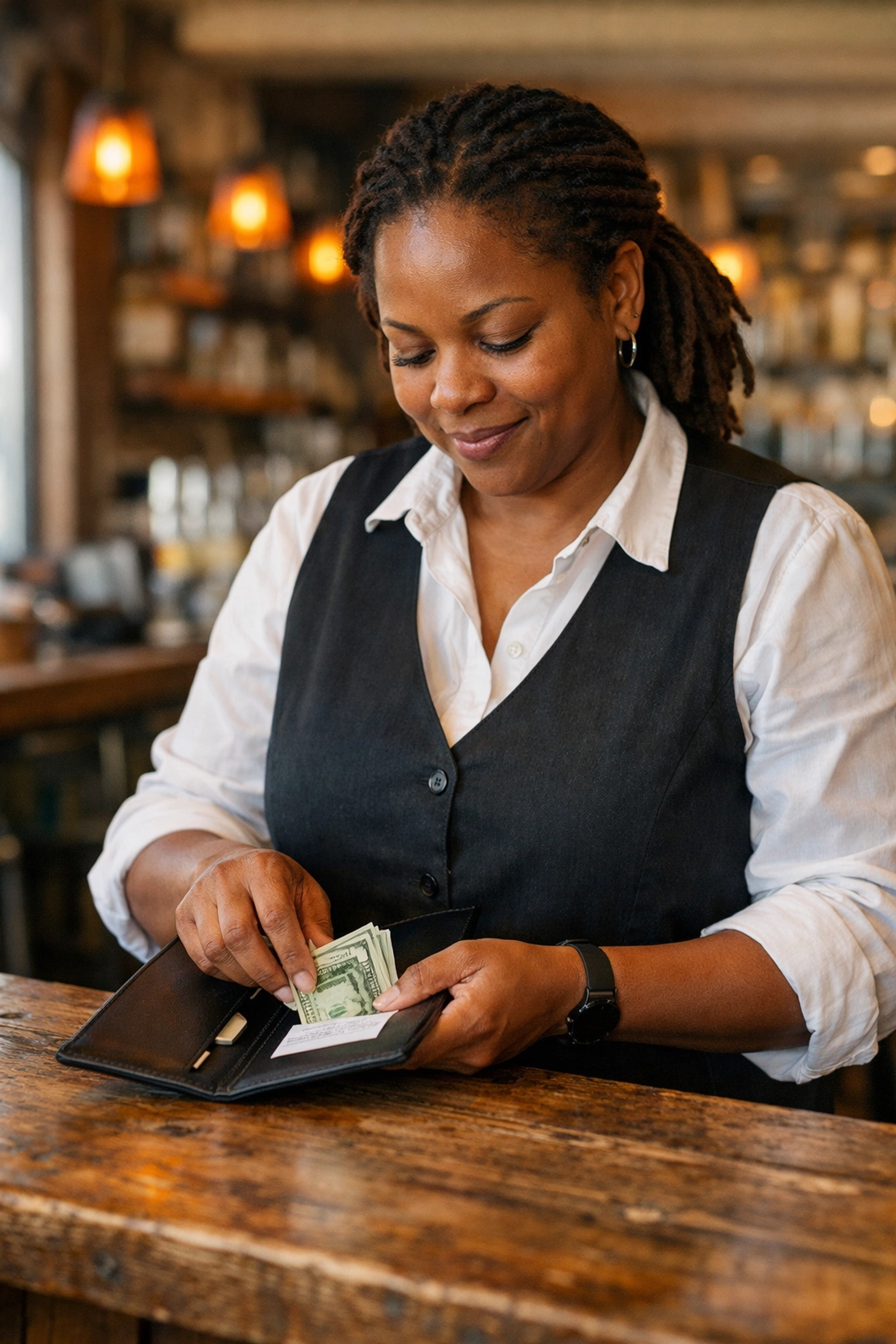
One of the most strategic elements of the Emmy’s Monday special is the "cash only" requirement. In an era where digital payments are the norm, this may seem counterintuitive. However, for a restaurant operator, the benefits are immediate and tangible.
Credit card processing fees, which typically range from 2.5% to 4% per transaction, represent a significant overhead cost that scales with volume (Toast News) [7]. By requiring cash for their most popular weekly special, Emmy's effectively gives themselves an immediate 3-4% margin boost compared to a standard credit card transaction. Furthermore, cash transactions improve immediate liquidity, providing the "petty cash" needed for daily deliveries or emergency repairs without waiting for merchant processing batches to hit the bank account (Federal Reserve Bank of San Francisco) [8]. For a consulting group looking at operational health, this move toward "cash-heavy" nights is a brilliant way to offset the costs of the discount itself.
Operational Efficiency: The Power of the Fixed Menu
Running a kitchen on a slow night is a delicate balancing act. If you prep too much, you face high food waste; if you prep too little, you can’t handle a surprise rush. Emmy’s Monday special solves this by utilizing a fixed-price (prix-fixe) structure.
A fixed menu allows the kitchen to:
- Predict Inventory Needs: If 80% of your Monday covers are ordering the "Lovers" special, you know exactly how many appetizers and entrées to prep (FSR Magazine) [9].
- Streamline the Line: The "Two-Engine" problem, balancing complex sit-down orders with high-volume takeout, is mitigated when the majority of the dining room is eating the same thing. This reduces the number of "touches" per dish and speeds up table turnover.
- Minimize Labor Friction: A simplified menu means fewer stations need to be fully staffed, allowing for a leaner, more efficient Monday crew without sacrificing quality (U.S. Bureau of Labor Statistics) [10].
Yield Management: Strategic Inventory Depletion
Beyond kitchen speed, the Monday special serves as a powerful tool for inventory management. In the restaurant business, fresh ingredients are a depreciating asset. Items that didn't sell over a busy weekend risk going to waste if not moved by Monday or Tuesday.
Strategic operators use their slow-night specials to incorporate ingredients that need to move (Cornell Hospitality Quarterly) [#11]. While Emmy’s focuses on their signature spaghetti, the appetizer and dessert components of the bundle offer the flexibility to utilize high-quality seasonal produce or surplus inventory from the weekend's menu. This turns potential waste into a high-value customer offering, protecting the overall food cost percentage for the week.
Data Element: Discounting vs. Themed Bundling
| Metric | Generic 20% Discount | Themed Prix-Fixe (Emmy’s Style) |
|---|---|---|
| Customer Perception | "This place is struggling." | "This is a local tradition." |
| Average Check (PPA) | Decreased by 20% [3] | Stabilized at fixed price [11] |
| Kitchen Complexity | High (Full menu available) | Low (Prepped for volume) [9] |
| Waste Reduction | Minimal | Significant (Predictable prep) [11] |
| Transaction Cost | Standard (2.5-4%) [7] | 0% (Cash Only) [8] |
The Timeline of the "Monday Revolution" in San Francisco Dining
The shift from "Monday closures" to "Monday traditions" has evolved alongside San Francisco's economic shifts.
- 2012: SF dining enters a massive growth phase; Mondays are seen as essential rest days for staff (Eater SF) [12].
- 2018: Labor costs begin to skyrocket; operators start looking for ways to make Monday nights profitable (SF Chronicle) [13].
- 2020: The pandemic forces a total rethink of "slow nights" as every dollar of revenue becomes critical [13].
- 2022: Emmy's Spaghetti Shack solidifies the "Monday Is For Lovers" special as a community staple [1].
- 2023: Inflation peaks, making "value" the #1 driver for consumer dining choices (McKinsey) [5].
- 2024: Credit card swipe fees become a major legislative and operational focus for California restaurants [7].
- 2025: Predictive AI begins helping operators design Monday menus based on weekend surplus (Business Insider) [14].
- 2026 (Current): The "Themed Slow Night" becomes the gold standard for independent neighborhood spots seeking resilience [4].
Case Example: The "Lovers" Effect at 3230 Mission St
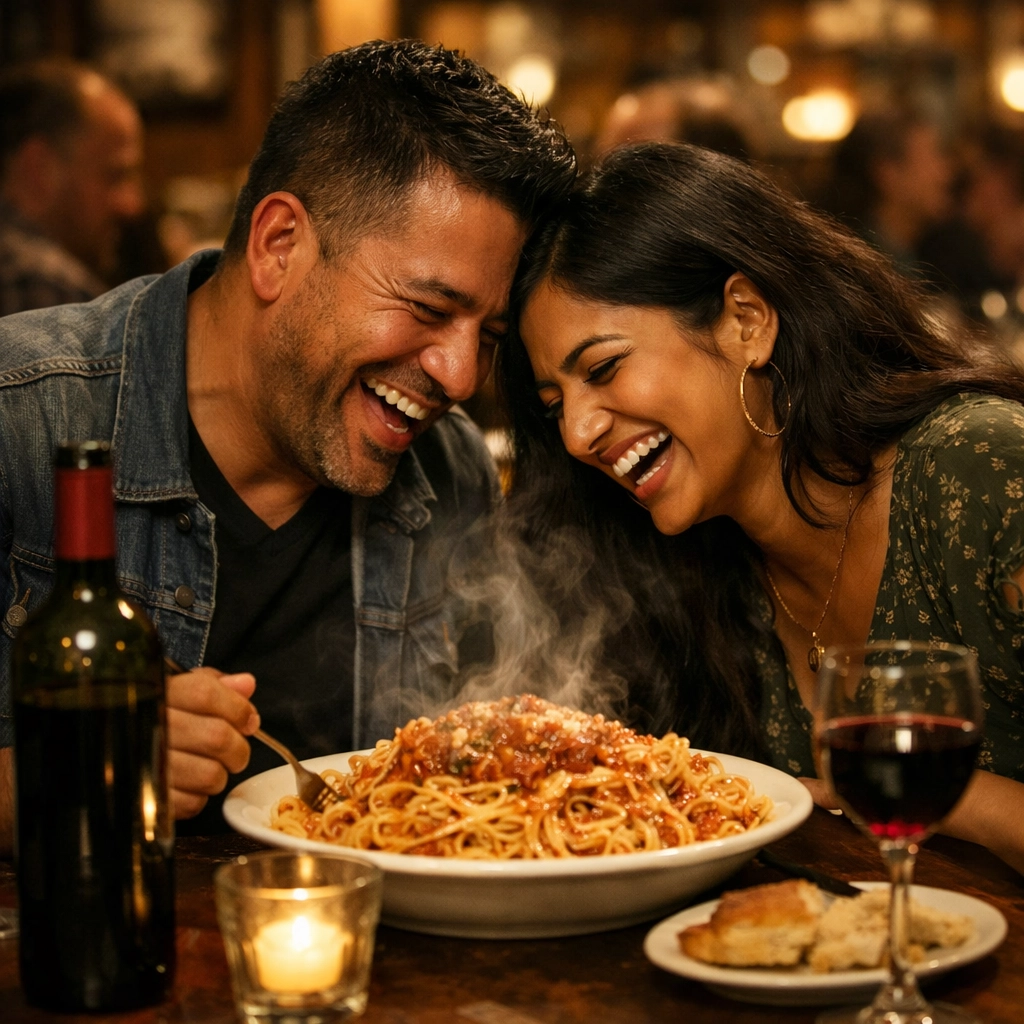
At Emmy’s, the "Monday Is For Lovers" night isn't just about the food; it's about the "theater" of the restaurant. On a night when most streets in the Mission are quiet, the Shack is humming. The smell of garlic and red sauce, the clinking of wine glasses, and the "cash-only" signs create a sense of belonging. It feels like a secret club for people who know how to live well on a budget.
From a consulting perspective, the stakes are clear. If Emmy’s ran a generic "Happy Hour" all night, they might get the same number of bodies in seats, but they wouldn’t get the same loyalty. The "Lovers" theme creates an emotional connection. It becomes an anniversary spot, a first-date spot, and a "cheer me up because it's Monday" spot. This emotional resonance is what builds a "moat" around a business, protecting it from competitors who only compete on price (Journal of Retailing and Consumer Services) [15].
What Smart Critics Argue
Some industry analysts argue that a $60 bottle-and-dinner deal is a "race to the bottom" that trains customers never to pay full price. Critics suggest that cash-only policies are a friction point that alienates younger, "cashless" Gen Z diners who rely on Apple Pay (Pew Research Center) [16].
Our Response: While friction exists, the "deal" acts as a filter. It attracts a customer base that values the experience enough to stop at an ATM. Furthermore, by limiting the deal to only Mondays, the restaurant protects the integrity of its weekend pricing. This isn't a permanent discount; it's a specific "window of value" that actually highlights the premium nature of the rest of the week's offerings.
Key Takeaways for Operators
- Narrative Over Number: A 20% discount is a math problem; a "Monday Is For Lovers" night is a story. People buy stories.
- Cash is King for Margin: In a low-margin business, saving 3.5% on transaction fees is equivalent to a significant increase in menu prices.
- Fixed Menus Equal Sanity: Prix-fixe structures on slow nights allow for a leaner kitchen and zero food waste.
- Target the "Micro-Segment": Don't try to serve everyone on a Monday. Emmy's targets couples/friends, making the marketing laser-focused.
- Inventory Control: Use themed nights to creatively deplete weekend surplus, turning "waste" into "win."
- Create "Restaurant Theater": Ensure the vibe, smell, sound, and lighting, stays high even when the menu price is low.
- Community Loyalty: Use slow nights to reward locals, building a base that will support you during the "shoulder seasons."
- Consistency is Key: Don't change the deal every week. Make it a tradition that people can plan their calendar around.
Actions to Take Now
At Work
- Audit your POS data to identify your three lowest-selling items on Mondays. Replace them with a themed "bundle" that uses those ingredients more efficiently.
- Run a "Cash Only" pilot for one specific weekly special to see the impact on your monthly merchant fee statement.
At Home
- Support local neighborhood spots on their "slow nights." These independent businesses are the backbone of your community's identity.
In the Community
- Talk to other business owners on your block about cross-promoting. A "Monday Is For Lovers" dinner could be followed by a "Monday Night Jazz" at the bar next door.
In Civic Life
- Advocate for local policies that support small business operations, such as reduced permit fees for outdoor "neighborhood nights."
The Extra Step
- Invest in basic Technology Consulting to implement a simple reservation system that tracks "Slow Night" loyalty, allowing you to send targeted invites to your most frequent Monday diners.
FAQ
Does a "Monday Is For Lovers" theme alienate single diners?
Not necessarily. Many "Lovers" specials are framed broadly to include "lovers of pasta" or "lovers of wine." It’s about the vibe of connection, not a marriage certificate requirement.
Is it legal to offer a cash-only discount in California?
Yes, as long as the pricing is transparent. Many restaurants offer a "Cash Discount" or a "Non-Cash Adjustment" to stay compliant with state and federal regulations regarding payment processing (California Restaurant Association) [17].
How do I calculate the $60 price point for my own place?
You should aim for a food cost percentage of 28-32% for the bundle. This requires Operations Consulting to ensure your wine selection and entrée portions are balanced for profit.
What if I don't have enough staff for a Monday rush?
The beauty of the prix-fixe menu is that it requires fewer "moves" from the kitchen. You can often handle a larger volume of "special" orders with the same crew that would struggle with a diverse full menu.
Will this hurt my brand?
Only if the quality drops. If the spaghetti is great and the wine is drinkable, you aren't a "discount brand": you're a community staple.
Where Smart Strategy Meets Profitable Hospitality.
At McFadden Finch Restaurant Consulting Group, we help restaurant owners make sharper decisions, strengthen operations, and build businesses designed to perform. From feasibility studies and concept development to menu strategy and long-term operational consulting, we help your restaurant move beyond survival and into sustained growth.
McFadden Finch Restaurant Consulting Group
Lake Merritt Plaza
1999 Harrison St., 18th Floor
Oakland, CA 94612
(510) 973-2410
www.mcfadden-finch-group.com
executive.team@mcfadden-finch-group.com
Schedule your discovery call today and start building a stronger, smarter, more profitable restaurant. The corporate office address and email are listed on McFadden Finch Holdings’ contact page, and MFRCG is included in the company’s hospitality consulting portfolio.
Sources
[1] Emmy’s Spaghetti Shack, "Monday Is For Lovers Special," Official Website, Accessed March 26, 2026, https://www.emmysspaghettishack.com/
[2] National Restaurant Association, "2024 State of the Restaurant Industry Report," February 2024, Accessed March 26, 2026.
[3] Harvard Business Review, "The Hidden Costs of Discounting," October 2023, Accessed March 26, 2026.
[4] San Francisco Chronicle, "The Best Weeknight Deals in the Mission," February 12, 2025, Accessed March 26, 2026.
[5] McKinsey & Company, "Consumer Pulse: The Value-Seeking Mindset," June 2025, Accessed March 26, 2026.
[6] Journal of Foodservice Business Research, "Theme Nights and Customer Retention," Vol 27, Issue 4, 2024, Accessed March 26, 2026.
[7] Toast News, "Understanding Restaurant Credit Card Processing Fees in 2026," January 2026, Accessed March 26, 2026.
[8] Federal Reserve Bank of San Francisco, "2024 Findings from the Diary of Consumer Payment Choice," May 2024, Accessed March 26, 2026.
[9] FSR Magazine, "The Operational Power of the Prix-Fixe Menu," March 2025, Accessed March 26, 2026.
[10] U.S. Bureau of Labor Statistics, "Occupational Outlook: Food Service Managers," September 2025, Accessed March 26, 2026.
[11] Cornell Hospitality Quarterly, "Yield Management in Full-Service Restaurants," June 2024, Accessed March 26, 2026.
[12] Eater SF, "Why Most SF Restaurants are Closed on Mondays," Historical Archive, August 2012, Accessed March 26, 2026.
[13] San Francisco Chronicle, "The Death and Rebirth of the Monday Night Dining Scene," November 2023, Accessed March 26, 2026.
[14] Business Insider, "How AI is Solving the Restaurant Waste Problem," October 2025, Accessed March 26, 2026.
[15] Journal of Retailing and Consumer Services, "Emotional Branding in the Hospitality Industry," Vol 72, 2024, Accessed March 26, 2026.
[16] Pew Research Center, "The Cashless Divide: Gen Z and Payment Preferences," July 2025, Accessed March 26, 2026.
[17] California Restaurant Association, "Legal Guide to Surcharges and Cash Discounts," January 2026, Accessed March 26, 2026.