Restaurant failure rates remain high across the Bay Area, but experienced consultants know that most underperforming locations can recover with the right approach. The restaurant turnaround process in 2026 follows a systematic framework that addresses operational inefficiencies, cost control issues, and revenue optimization through proven methodologies.
Initial Assessment Framework
The first phase involves comprehensive financial and operational analysis. Consultants examine three critical areas: profit margins, labor efficiency, and operational systems. Most failing restaurants show predictable patterns: food costs above 32%, labor costs exceeding 35%, and fragmented systems that prevent real-time decision making.
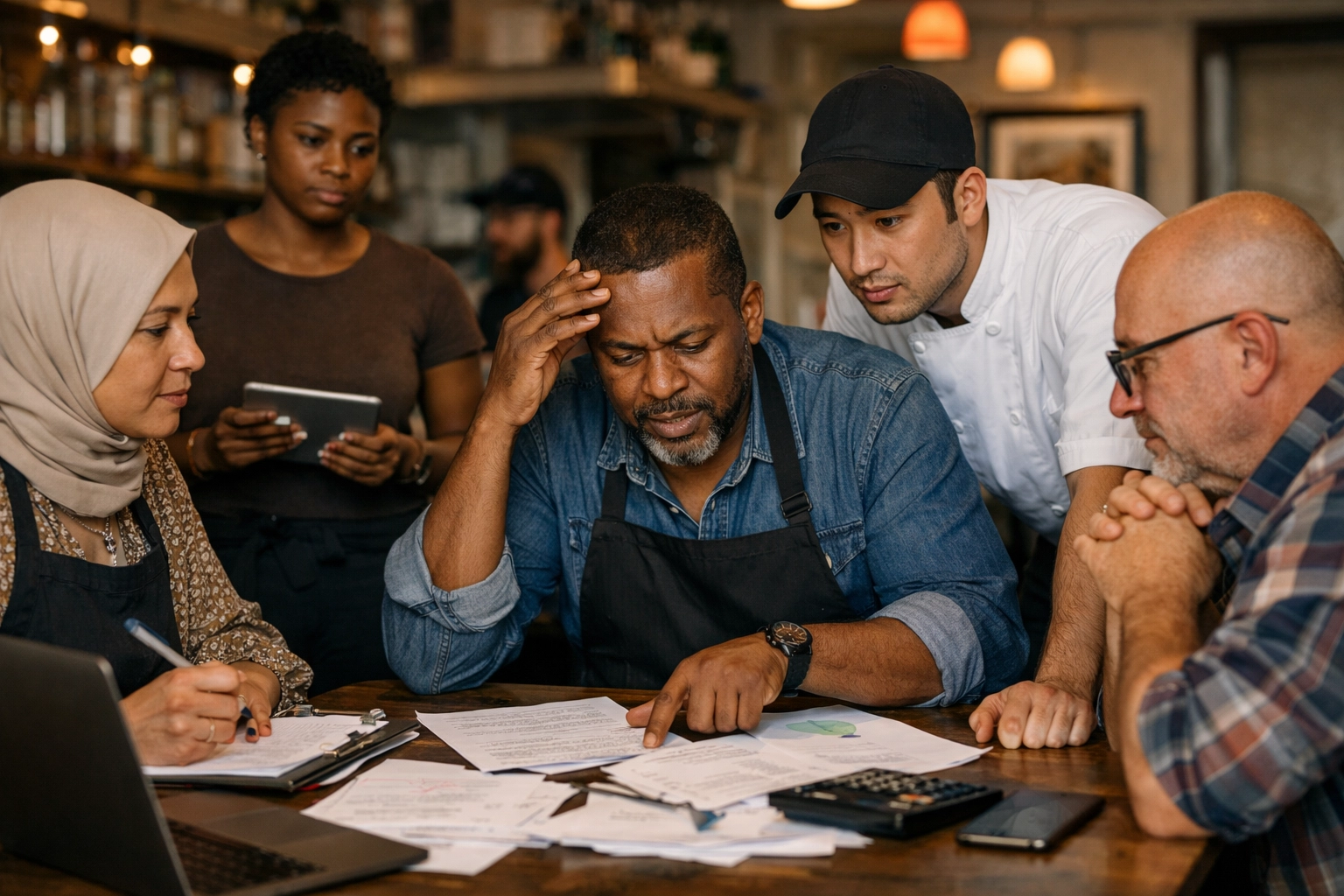
Financial analysis focuses on identifying cash flow problems and cost structure issues. This includes reviewing profit and loss statements for the previous 12 months, analyzing daily sales trends, and calculating key performance indicators like average transaction value and table turnover rates.

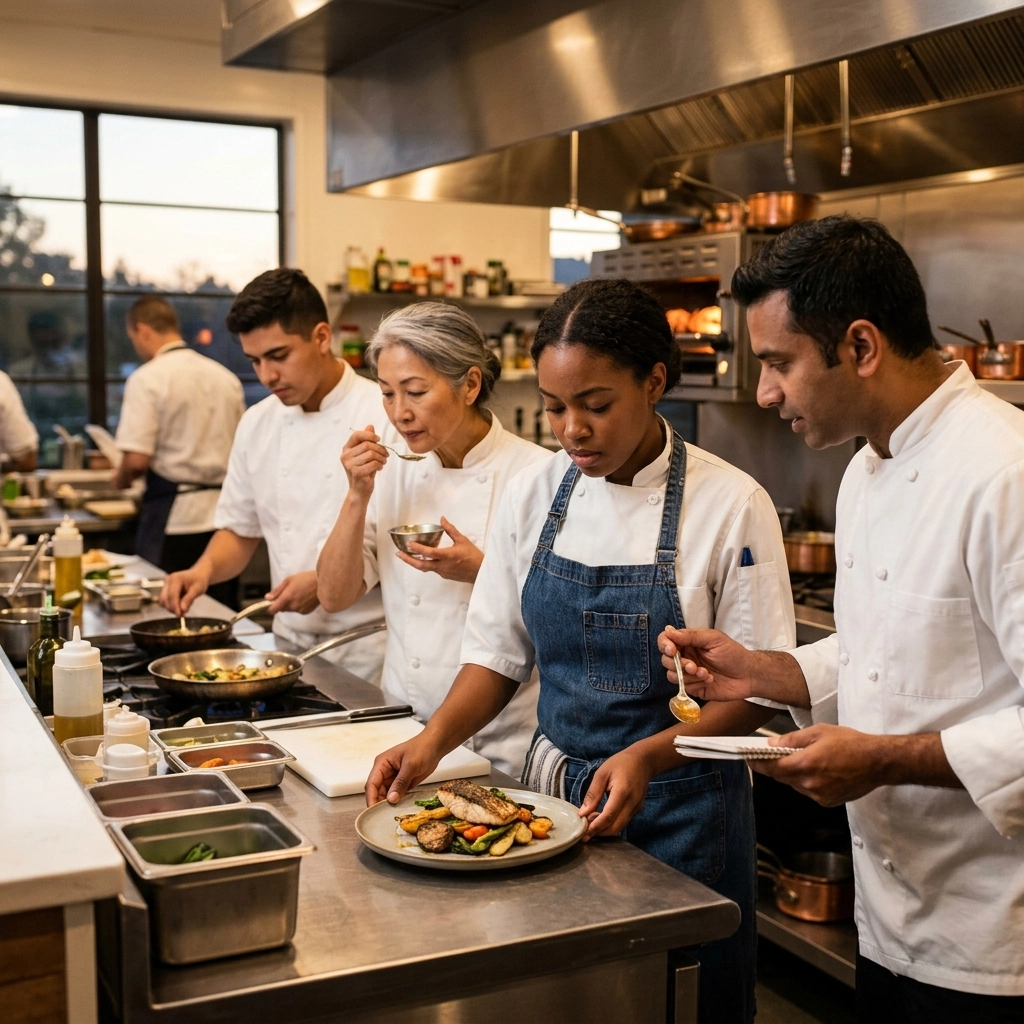
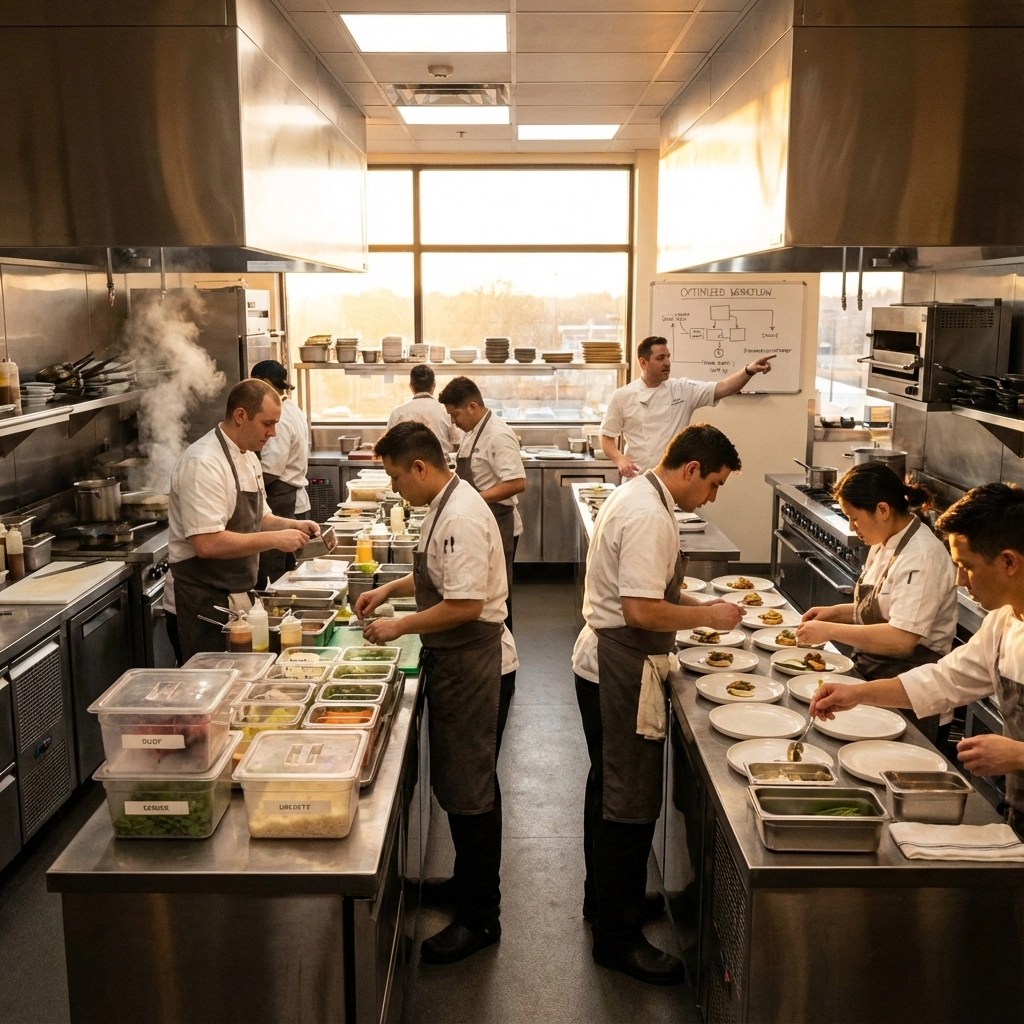
Operational assessment examines kitchen workflow, service procedures, and staff productivity. Consultants document current processes to identify bottlenecks that impact customer experience and increase operating costs.
Technology Integration Strategy
Data from 2025 shows that 73% of restaurant operators increased digital investments, with 63% implementing cloud-based point-of-sale systems. These technology upgrades form the foundation of most successful turnaround efforts.
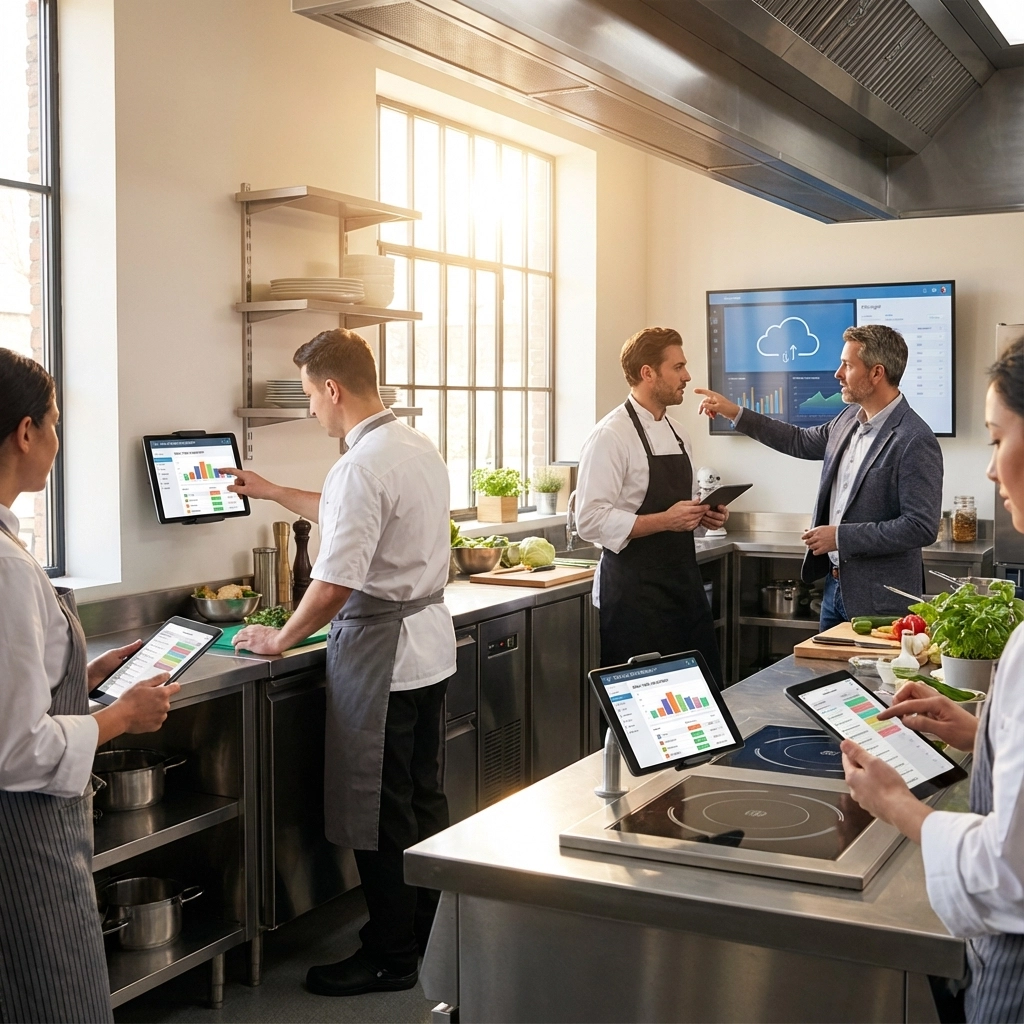
Modern POS systems integrate inventory management, labor scheduling, and sales reporting into unified platforms. This consolidation eliminates manual tracking and provides real-time visibility into operations. AI-powered tools now handle scheduling optimization, inventory predictions, and menu performance analysis.
Technology implementation typically reduces administrative overhead by 15-20% while improving accuracy in cost tracking and inventory management. Cloud-based systems also enable remote monitoring, allowing owners to track performance without being physically present.
Cost Control Implementation
Effective cost control requires systematic analysis of three major expense categories: food costs, labor costs, and overhead expenses. The restaurant turnaround checklist begins with detailed cost breakdowns and percentage targets for each category.
Food cost optimization starts with menu engineering analysis. Consultants identify low-margin items that consume excessive prep time or ingredients. Menu simplification reduces both food costs and labor requirements while maintaining customer satisfaction.
Labor efficiency improvements focus on scheduling optimization and cross-training programs. Proper scheduling based on sales forecasts can reduce labor costs by 8-12% without impacting service quality. Cross-training allows fewer staff members to handle multiple functions during slow periods.
Overhead reduction involves renegotiating vendor contracts, eliminating unnecessary services, and optimizing utility usage. Energy-efficient equipment and scheduling adjustments can reduce utility costs by 10-15%.
Revenue Optimization Methods
Profit recovery requires both cost reduction and revenue enhancement. Consultants implement multiple revenue strategies simultaneously to maximize impact.
Menu optimization focuses on promoting high-margin items through strategic placement and descriptions. Bundling complementary items increases average transaction values while providing perceived customer value.
Non-alcoholic beverage programs show significant growth potential, with 350% year-over-year sales increases in 2025. These beverages typically carry 70-80% profit margins compared to 60-65% for alcoholic beverages.
Digital ordering platforms expand revenue opportunities beyond dining room capacity. Commission-free online ordering systems eliminate third-party fees while capturing customer data for marketing purposes.
Operational Systems Overhaul
Streamlined operations reduce waste and improve consistency. Consultants redesign workflows to eliminate redundant processes and reduce execution time for common tasks.
Kitchen operations focus on prep scheduling, inventory rotation, and equipment utilization. Standardized recipes and portion controls ensure consistent food costs and quality.
Service procedures emphasize table turnover optimization and upselling techniques. Training programs teach staff to identify opportunities for additional sales while maintaining customer satisfaction.

Inventory management systems track ingredient usage and waste patterns. Automated reordering based on usage data prevents stockouts while minimizing carrying costs.
Staff Retention and Training
Workforce stability directly impacts service quality and training costs. High turnover rates increase recruitment expenses and reduce operational efficiency during training periods.
Compensation analysis ensures competitive wages and benefits packages. Flexible scheduling accommodates employee preferences while maintaining adequate coverage during peak periods.
Training programs focus on upselling techniques, customer service standards, and operational procedures. Well-trained staff execute systems more effectively and identify problems before they impact customers.
Performance Monitoring Framework
Successful turnarounds require continuous monitoring and adjustment. Key performance indicators track progress across all operational areas.
Daily reporting includes sales figures, food costs, labor costs, and customer feedback. Weekly analysis identifies trends and areas requiring immediate attention.
Monthly reviews compare actual performance against turnaround targets. Adjustments to strategies and systems maintain momentum toward profitability goals.
Financial benchmarks include gross profit margins, net profit margins, and cash flow projections. Operational metrics track table turnover rates, average transaction values, and customer satisfaction scores.
Implementation Timeline
The typical restaurant turnaround spans 90-120 days, with specific milestones at 30, 60, and 90-day intervals. Initial improvements in cost control show results within the first month, while revenue optimization requires 60-90 days for full implementation.
Technology integration occurs during the first 30 days to establish data collection capabilities. Staff training and operational changes happen simultaneously to minimize disruption to daily operations.
Marketing and customer retention programs launch after internal operations stabilize, typically around day 45-60 of the turnaround process.
Measuring Success
Turnaround success requires specific, measurable improvements in financial performance. Target metrics include:
- Food costs reduced to 28-30% of sales
- Labor costs maintained at 30-32% of sales
- Monthly revenue increases of 15-25%
- Net profit margins of 8-12%
Customer satisfaction scores and employee retention rates serve as leading indicators of sustainable improvement.
Most successful turnarounds achieve break-even within 60-90 days and reach target profitability within 120 days. Locations that fail to show improvement within 60 days typically require more extensive restructuring or concept changes.
The restaurant turnaround process demands systematic execution and continuous monitoring. Professional consultants bring expertise in diagnosing problems, implementing solutions, and maintaining accountability throughout the recovery process.
Ready to revive your underperforming restaurant? Schedule your turnaround consultation with McFadden Finch Restaurant Consulting Group and start your path to profitability.
McFadden Finch Restaurant Consulting Group
Website: www.mcfadden-finch-group.com
Email: executive.team@mcfadden-finch-group.com
Phone: 510-973-2410