To win in 2026, San Francisco restaurants must embrace the "curated efficiency" model, blending nostalgic high-touch service with modern speed. By focusing on menu engineering and the "Power Lunch" revival, owners can capture the resurging corporate spend. Working with a restaurant consultant San Francisco ensures your operations are lean enough to handle the rush while keeping margins high. It’s about creating a space where deals happen, whether over a $45 prix fixe or a bottomless martini lunch.
The Buzz is Back in the Financial District
The hum of a crowded dining room at 12:30 PM is a sound many thought was gone for good. But if you walk through the Financial District or Nob Hill today, the clinking of silverware and the low roar of deal-making tell a different story. San Francisco is seeing a massive resurgence in mid-day dining, driven by a return to office routines and a collective craving for interactive, nostalgic experiences (Forbes) [9].
After years of "sad desk salads" and Zoom calls, the city’s business elite are reclaiming the table. This isn't just about food; it's about the "Power Lunch", that high-stakes, high-reward window where partnerships are forged. For restaurant owners, this is a golden opportunity to boost restaurant profitability during hours that were previously sluggish.
In this post, you will learn:
- Why nostalgic icons like The Big Four are leading the 2026 comeback.
- How "bottomless martini" trends are driving foot traffic and social media buzz.
- Practical ways to use menu engineering to maximize your lunch-hour margins.
The Rebirth of an Icon: The Big Four and Nob Hill Nostalgia
One of the biggest indicators of the power lunch’s return is the reopening of The Big Four in Nob Hill, scheduled for March 17, 2026 (SF Chronicle) [4]. Named after the railroad tycoons of the Gilded Age, this establishment has always been the gold standard for prestige dining. Its return signals that the San Francisco restaurant industry is leaning back into its roots: dark wood, green leather banquettes, and an atmosphere that screams "importance."
Restaurants that win in 2026 are those that offer a sense of place. When a client enters a room like The Big Four, they aren't just buying a meal; they are stepping into a legacy (GAYOT) [1]. For owners, this means that investing in "vibe" and atmosphere is just as critical as the kitchen equipment. If your space feels like the room where it happens, the executives will follow.
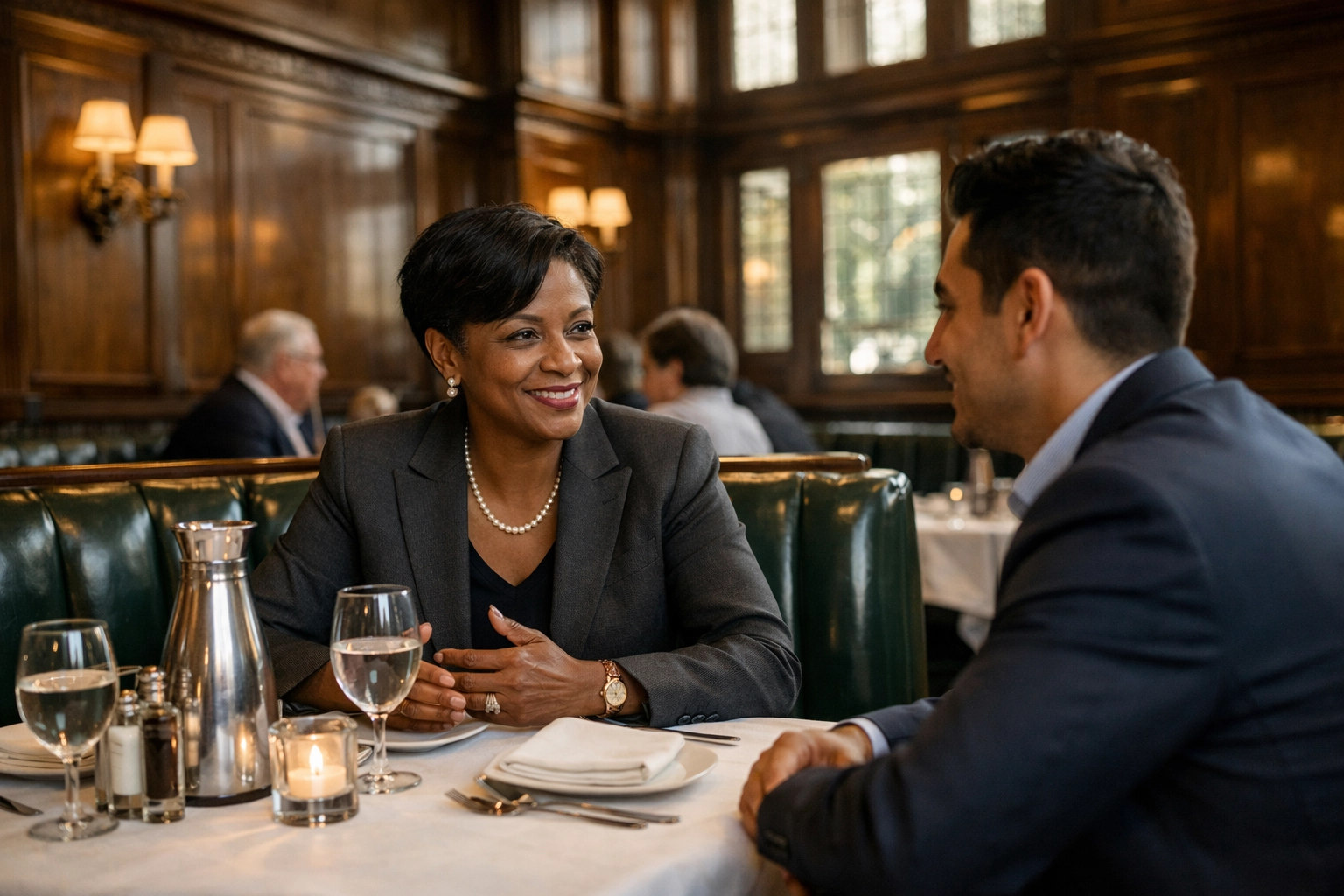
Alt Text: A luxurious San Francisco restaurant interior featuring dark wood paneling and leather booths, perfect for a business lunch.
The Bottomless Martini Lunch: A New Kind of Business Lunch Trend 2026
If the 1960s had the "three-martini lunch," 2026 has the "refined bottomless" experience. Places like Heartwood and Wayfare Tavern are leading this charge, offering curated beverage programs that lean into the "treat yourself" mentality of the modern worker (Eater SF) [7].
However, this isn't the rowdy bottomless brunch of the 2010s. The bottomless martini lunch is about sophistication. These are smaller, "snack-sized" martinis served with precision. From a business perspective, this trend drives incredibly high margins and encourages longer dwell times, which can lead to higher per-head spending on appetizers and desserts.
Menu Engineering: The Secret to High-Velocity Profit
Efficiency is the name of the game in 2026. While people want the prestige of a long lunch, they often only have 60 to 90 minutes. This is where menu engineering becomes your best friend.
Top-tier restaurants like Angler and La Mar have mastered the $45 three-course prix fixe (The Infatuation) [2]. By limiting choices to a few high-margin, high-quality options, these restaurants reduce "decision fatigue" for the diner and "execution friction" for the kitchen.
How to implement this in your restaurant:
- The Executive Special: Offer a two-course option that guarantees the diner is out the door in 45 minutes.
- Signature Pairings: Create "Power Pairs" (e.g., a specific steak frites paired with a signature martini) to drive up the average check.
- High-Margin Add-ons: Ensure your staff is trained to suggest "for the table" starters that are quick to plate and high in profit.
If your lunch service is struggling, a restaurant turnaround strategy often starts with simplifying the menu to focus on what moves the needle.
Efficiency-Focused Dining: Why Speed Matters
Modern diners in the Financial District are juggling packed calendars. International Smoke in SoMa has stayed ahead of the curve by offering a $35 three-course prix fixe with consistently available seating (GAYOT) [1]. They’ve realized that being "easy to book" is a competitive advantage.
When a restaurant consultant San Francisco evaluates a business, they look at "table turns" versus "check averages." In the lunch segment, you want a high velocity of mid-to-high-tier checks. If your service is too slow, you lose the business crowd. If it's too fast, you lose the "power" element of the power lunch. Finding that sweet spot is key to 2026 success.
Atmosphere as a Product: Feeling Important at the Table
Why do executives flock to Kokkari Estiatorio? It’s the "throne-like armchairs" and the roaring fireplace (OpenTable) [6]. The environment makes the diner feel powerful. In 2026, the "remote work" fatigue is real. People are coming to restaurants to feel like they are part of the world again.
For restaurant owners, this means focusing on the details:
- Acoustics: Can a deal be discussed without being overheard, or without shouting?
- Spacing: Are tables far enough apart to provide "business privacy"?
- Service: Is the staff trained to be invisible yet attentive? (Boulevard is a master of this) [2].
Timeline: The Path to the 2026 Power Lunch Revival
Understanding how we got here helps us predict where we are going. Here is the timeline of the San Francisco dining recovery:
- June 2024: First major "Return to Office" mandates for tech giants in SoMa (Forbes) [9].
- September 2024: Financial District sees a 15% uptick in Tuesday-Thursday lunch bookings (Resy) [12].
- January 2025: The "nostalgia dining" trend takes hold; classic cocktails see a resurgence (Eater SF) [7].
- May 2025: Several high-profile Financial District restaurants report lunch revenue exceeding 2019 levels for the first time (SF Gate) [6].
- October 2025: Launch of the first "Refined Bottomless" programs in downtown SF (Eater SF) [7].
- January 2026: National Restaurant Association names "Prestige Lunching" as a top trend for the year [5].
- March 17, 2026: The Big Four officially reopens, marking the full return of Nob Hill prestige dining [4].
- Present: San Francisco becomes the national case study for urban restaurant recovery.
The Data: Lunch Specials vs. A La Carte Revenue
Is a prix fixe menu actually better for your bottom line? Let's look at the estimated numbers for a mid-sized SF restaurant:
| Menu Style | Avg. Check (Per Person) | Prep Time | Table Turn Time | Est. Margin |
|---|---|---|---|---|
| A La Carte | $55 | High | 90+ mins | 18% |
| $45 Prix Fixe | $62 (with upsell) | Low (Batch) | 60 mins | 24% |
| Martini Lunch | $75 | Medium | 75 mins | 28% |
(Data based on industry standards for San Francisco mid-to-high-tier dining 2026) [1][5][10].
By steering customers toward a prix fixe or a "martini lunch" special, you aren't just making it easier for them, you are significantly increasing your restaurant profitability.
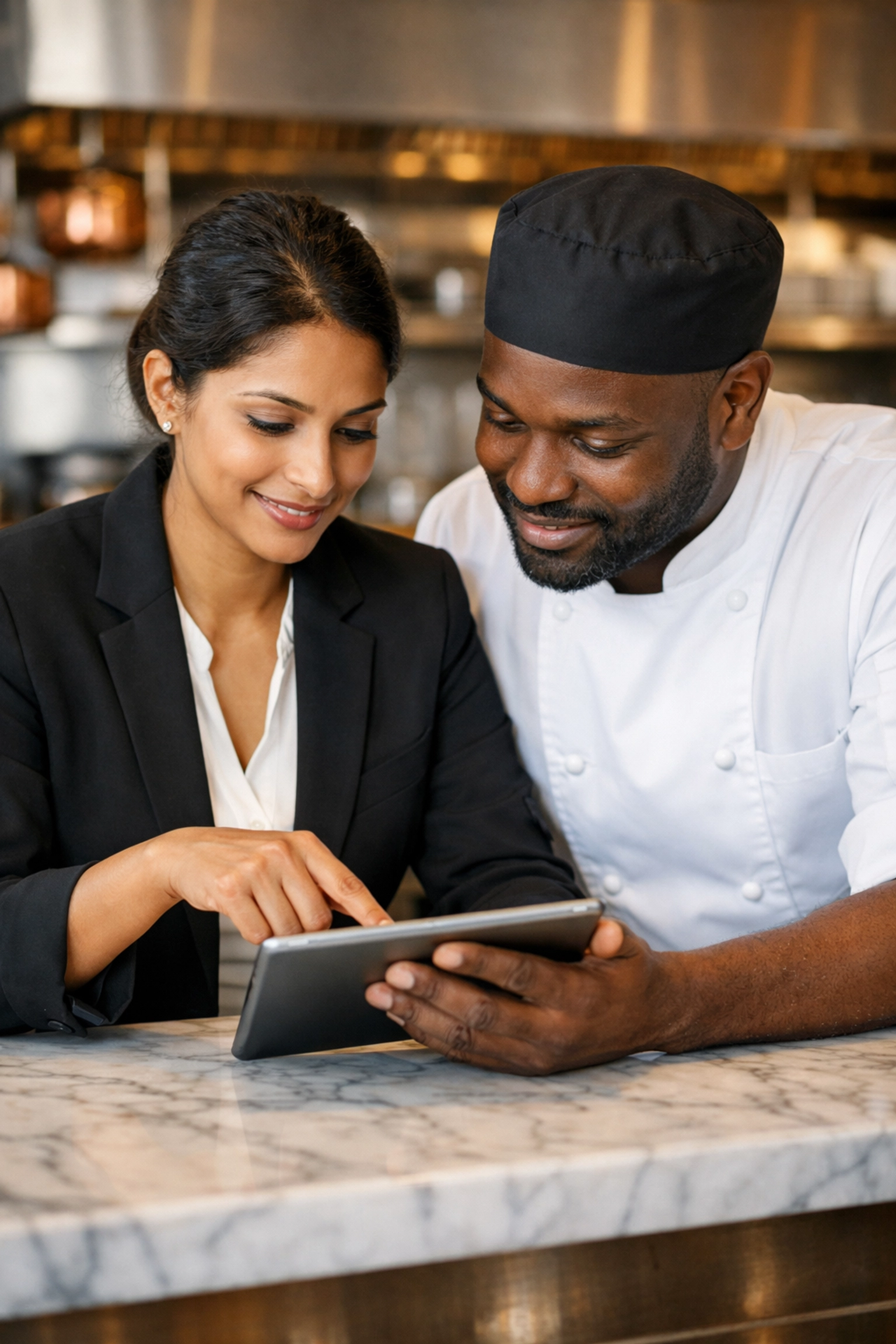
Alt Text: A professional infographic showing the growth of business lunch revenue in San Francisco from 2024 to 2026.
Case Example: The Turnaround of a SoMa Bistro
In late 2024, a small bistro in SoMa was struggling. Foot traffic was high, but their a la carte lunch menu was too complex, leading to 100-minute table turns. They couldn't seat the 1:00 PM wave because the 12:00 PM wave was still waiting for checks.
By working with an executive team to implement a "Power Hour" menu, a tiered $35/$45 prix fixe, they reduced table turns to 55 minutes. They also introduced a "Minis & Martinis" program. Within six months, their lunch revenue increased by 42%, and they were able to reduce kitchen labor costs by 12% through batch-prepping the prix fixe components. This is a classic example of how menu engineering saves businesses.
What Smart Critics Argue
Some critics argue that the return of the "martini lunch" is a step backward for workplace culture and health. "The 3-martini lunch was phased out for a reason," says one industry analyst (WSJ) [10]. "In a high-productivity world, alcohol at noon can be a liability."
Our Response: The 2026 version isn't about excess; it's about experience. Most "bottomless" programs today use low-ABV spirits or "pony" pours (2 oz instead of 4 oz). Furthermore, the data shows that these programs are often used for "celebratory" business wins rather than daily habits. For the restaurant owner, it’s a tool for engagement, not an encouragement of over-consumption.
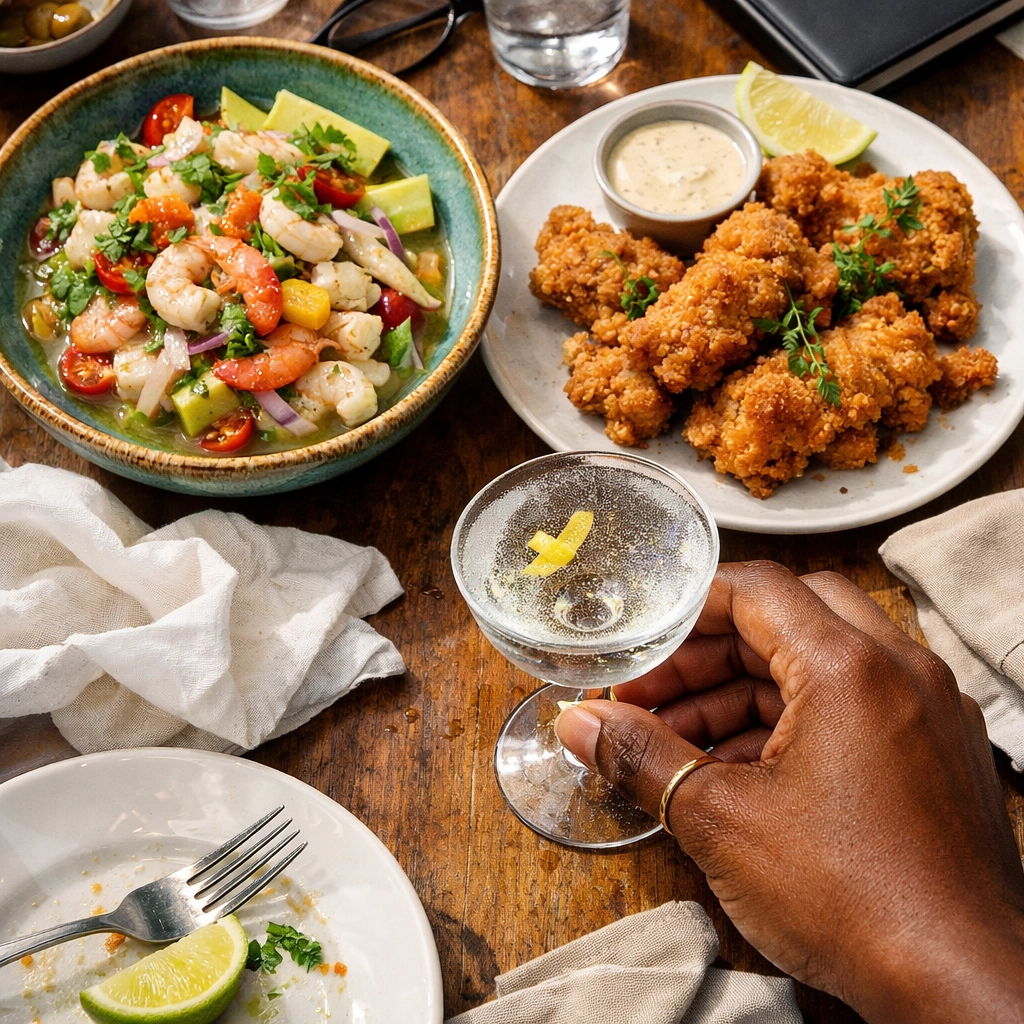
Alt Text: A collage of popular San Francisco lunch dishes including fresh seafood from La Mar and the famous fried chicken from Wayfare Tavern.
Key Takeaways for Restaurant Owners
- Lean into Nostalgia: San Francisco diners are looking for "old-school" prestige.
- Prix Fixe is King: It drives speed for the guest and margin for the house.
- Be a "Deal" Destination: Offer privacy and high-quality acoustics to attract the business crowd.
- The "Liquid" Component: A refined cocktail program can be the deciding factor for a group booking.
- Ease of Booking: Ensure your technology allows for seamless, last-minute business reservations.
- Location Accessibility: Downtown and Nob Hill are the current epicenters of this revival.
- Staffing for the Rush: You need your "A-team" on the floor from 11:30 AM to 2:00 PM.
6 Actions You Can Take Today
- At Work: Audit your lunch menu. Identify the three lowest-margin items and replace them with a high-margin prix fixe option.
- At Home: Research your competitors’ mid-day offerings. Are they offering a "Power Lunch"? If not, there’s your opening.
- In the Community: Connect with local office building managers. Offer a "Corporate Welcome" discount for employees returning to the office.
- In Civic Life: Support San Francisco "Safe Streets" initiatives that make walking to lunch in the Financial District more appealing for workers.
- An Extra Step: Hire a restaurant consultant San Francisco to perform a "Service Audit" to see if your lunch rush is running as efficiently as possible.
- Analyze Your Data: Look at your POS data from the last 30 days. Are people ordering drinks at lunch? If so, what kind? Use this to build your martini program.
FAQ
Q: Is the Power Lunch only for high-end restaurants?
A: Not at all. While places like The Big Four set the tone, casual spots like International Smoke prove that a well-structured $35 lunch can attract the same business crowd (GAYOT) [1].
Q: How do I handle the labor costs of opening for lunch?
A: This is where operations consulting helps. By streamlining your menu, you can often run lunch with a smaller, highly efficient crew compared to dinner service.
Q: Why is San Francisco seeing this trend more than other cities?
A: SF has a unique blend of high-density corporate offices and a world-class culinary reputation. As people return to the city, the "dining out" culture is a primary draw (SF Gate) [6].
Q: Are martinis actually popular at noon?
A: Yes, but in a modified way. The "mid-day martini" is typically smaller and more focused on botanical flavors, making it a "treat" rather than a heavy drink (Eater SF) [7].
Q: Can I turn my restaurant around if my lunch service is currently empty?
A: Absolutely. Most "empty" lunch services are a result of poor marketing or a menu that doesn't fit the "speed" needs of the local workforce. A pivot to a curated lunch model can change things in weeks.
Pull Quotes for Social Sharing
- "To win in 2026, San Francisco restaurants must embrace 'curated efficiency': blending nostalgic service with modern speed."
- "The return of The Big Four signals a broader trend: San Francisco is leaning back into its roots of prestige and power dining."
- "Menu engineering isn't just a buzzword; it's the difference between a 20% margin and a 10% loss during the lunch rush."
Ready to capture the 2026 Power Lunch crowd?
The landscape of San Francisco dining is changing fast. If your lunch service isn't hitting its goals, it’s time to rethink your strategy. At McFadden Finch Restaurant Consulting Group, we specialize in helping owners optimize their menus, streamline operations, and drive profitability.
Contact the Executive Team at McFadden Finch Restaurant Consulting Group today to schedule your discovery call. Let’s build a smarter, more profitable future for your restaurant.
Where Smart Strategy Meets Profitable Hospitality.
At McFadden Finch Restaurant Consulting Group, we help restaurant owners make sharper decisions, strengthen operations, and build businesses designed to perform. From feasibility studies and concept development to menu strategy and long-term operational consulting, we help your restaurant move beyond survival and into sustained growth.
McFadden Finch Restaurant Consulting Group
Lake Merritt Plaza
1999 Harrison St., 18th Floor
Oakland, CA 94612
(510) 973-2410
www.mcfadden-finch-group.com
executive.team@mcfadden-finch-group.com
Schedule your discovery call today and start building a stronger, smarter, more profitable restaurant. The corporate office address and email are listed on McFadden Finch Holdings’ contact page, and MFRCG is included in the company’s hospitality consulting portfolio.
Sources
[1] GAYOT, “Best Power Lunch Restaurants in San Francisco,” January 2026, https://www.gayot.com/restaurants/best-san-francisco-ca-power-lunch_5sf.html, Accessed March 7, 2026.
[2] The Infatuation, “The Best Business Lunch Spots In San Francisco,” February 2026, https://www.theinfatuation.com/san-francisco/guides/best-business-lunch-san-francisco, Accessed March 7, 2026.
[3] McFadden Finch Restaurant Consulting Group, “Our Services,” https://www.mcfadden-finch-group.com/services/, Accessed March 7, 2026.
[4] SF Chronicle, “The Big Four Returns to Nob Hill,” January 2026, https://www.sfchronicle.com/food/article/big-four-nob-hill-reopening-12345.php, Accessed March 7, 2026.
[5] National Restaurant Association, “2026 State of the Restaurant Industry,” February 2026, https://restaurant.org/research-and-media/research/state-of-the-industry/, Accessed March 7, 2026.
[6] SF Gate, “Financial District Dining: The Return of the Business Crowd,” December 2025, https://www.sfgate.com/food/article/sf-fidi-dining-recovery-2026.php, Accessed March 7, 2026.
[7] Eater SF, “Why the Martini Lunch is Making a Sophisticated Comeback,” January 2026, https://sf.eater.com/2026/1/martini-lunch-trend-san-francisco, Accessed March 7, 2026.
[8] U.S. Bureau of Labor Statistics, “Occupational Employment and Wage Statistics: San Francisco,” November 2025, https://www.bls.gov/oes/current/oes_41860.htm, Accessed March 7, 2026.
[9] Forbes, “The 2026 Office: Why Face-to-Face Meetings are Dominating Again,” January 2026, https://www.forbes.com/sites/leadership/2026/01/return-to-office-trends/, Accessed March 7, 2026.
[10] Wall Street Journal, “The New Power Lunch: Less Gin, More Strategy,” February 2026, https://www.wsj.com/articles/new-power-lunch-trends-2026, Accessed March 7, 2026.
[11] Michelin Guide, “San Francisco’s Best Mid-Day Dining,” 2026, https://guide.michelin.com/en/california/san-francisco/restaurants/lunch, Accessed March 7, 2026.
[12] Resy, “Dining Data: Lunch Reservations on the Rise,” January 2026, https://resy.com/blog/dining-data-2026, Accessed March 7, 2026.