Closing a restaurant is hard. Opening one again after closure is harder. Scaling after a comeback? That takes a playbook most operators never learn.
Turtle Tower just wrote that playbook.
The beloved Northern Vietnamese pho spot shuttered its original Tenderloin and SoMa locations in 2023. The reasons were familiar: pandemic fallout, neighborhood safety concerns, declining foot traffic. Another San Francisco institution gone too soon: or so everyone thought.
Fast forward to 2025, and Turtle Tower is back. Not just back, but expanding. Their new Fillmore location marks a strategic pivot that restaurant consulting firms should be studying closely. As Dianne de Guzman reported for Eater SF, this isn't just a reopening. It's a masterclass in restaurant turnaround done right.
Here's what operators can learn from their second-act playbook.
The Closure Isn't the End
Most restaurant closures feel final. They're not.
Turtle Tower built 25 years of brand equity before their doors closed. That equity didn't disappear when the lights went out. It sat dormant, waiting for the right conditions to come back online.
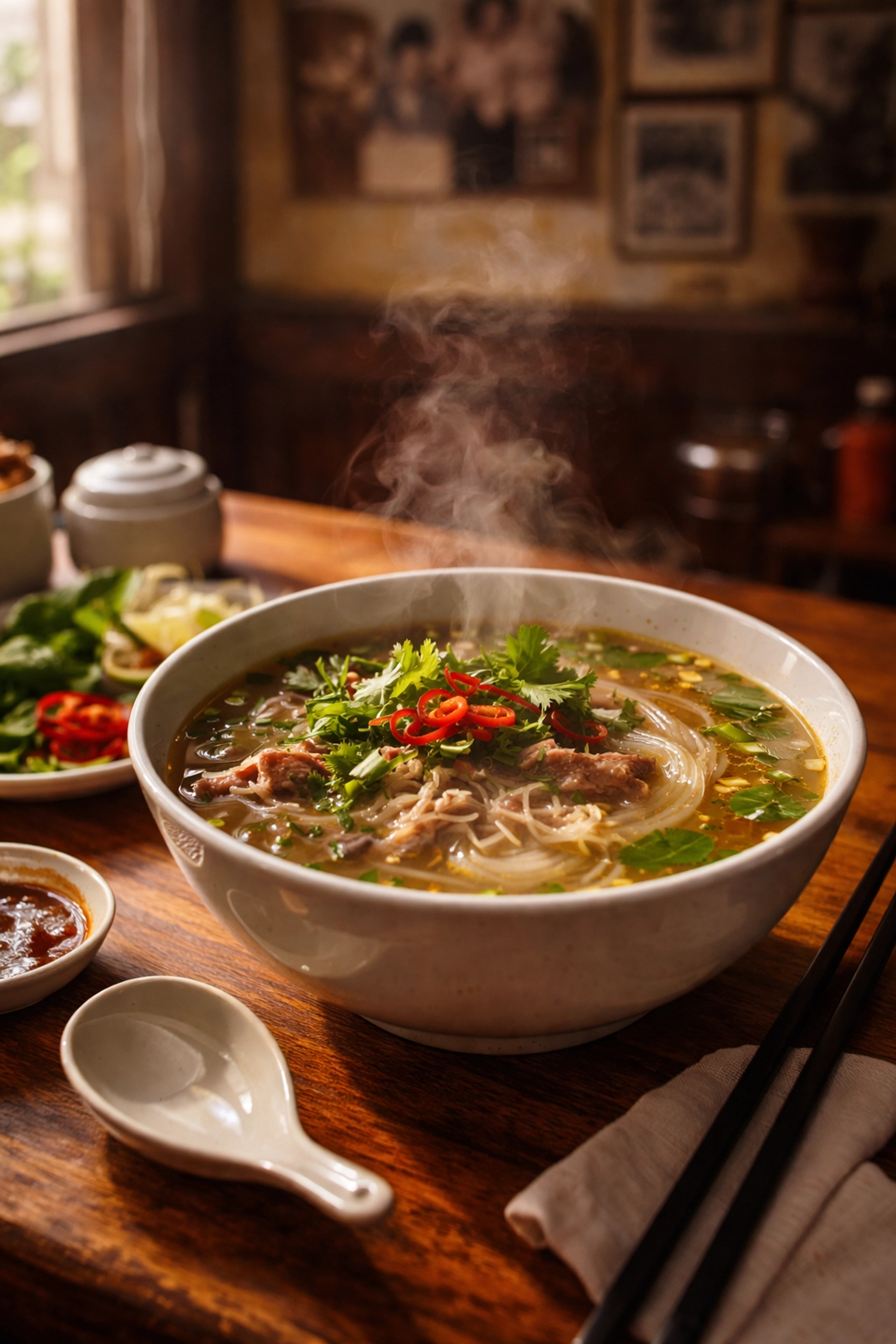
The Pham family understood something critical: their signature Northern Vietnamese pho wasn't just a menu item. It was intellectual property. A recipe perfected over decades. A flavor profile customers still craved years after closure.
When planning a comeback, operators need to honestly assess what they're bringing back:
- Brand recognition in the local market
- Proven recipes with documented preparation standards
- Customer loyalty that survived the closure
- Operational knowledge from years of experience
If you closed because of external factors (location, pandemic, landlord issues) rather than fundamental business problems, your brand might have more residual value than you think.
Strategic Partnerships Fill the Gaps
Here's where Turtle Tower got smart.
Rather than going it alone, the Pham family partnered with the hospitality team behind Novela, Barbarossa Lounge, and Madarae. This partnership wasn't about selling out or handing over control. It was about filling operational gaps with experienced management while preserving the culinary identity that made Turtle Tower special.
Restaurant consulting firms see this pattern in successful turnarounds: operators who know their strengths and outsource their weaknesses.
The Pham family brought:
- Culinary expertise and recipe ownership
- Brand identity and history
- Customer relationships
The hospitality partners brought:
- Multi-unit operational experience
- Capital and resources
- Site selection knowledge
This split lets each party focus on what they do best. The food stays authentic. The business runs tighter.
Location Selection: Learning from Past Mistakes
The original Turtle Tower locations faced well-documented challenges. Safety and sanitary concerns in the surrounding areas discouraged customers from visiting, especially post-pandemic.
The Fillmore location represents a deliberate correction.
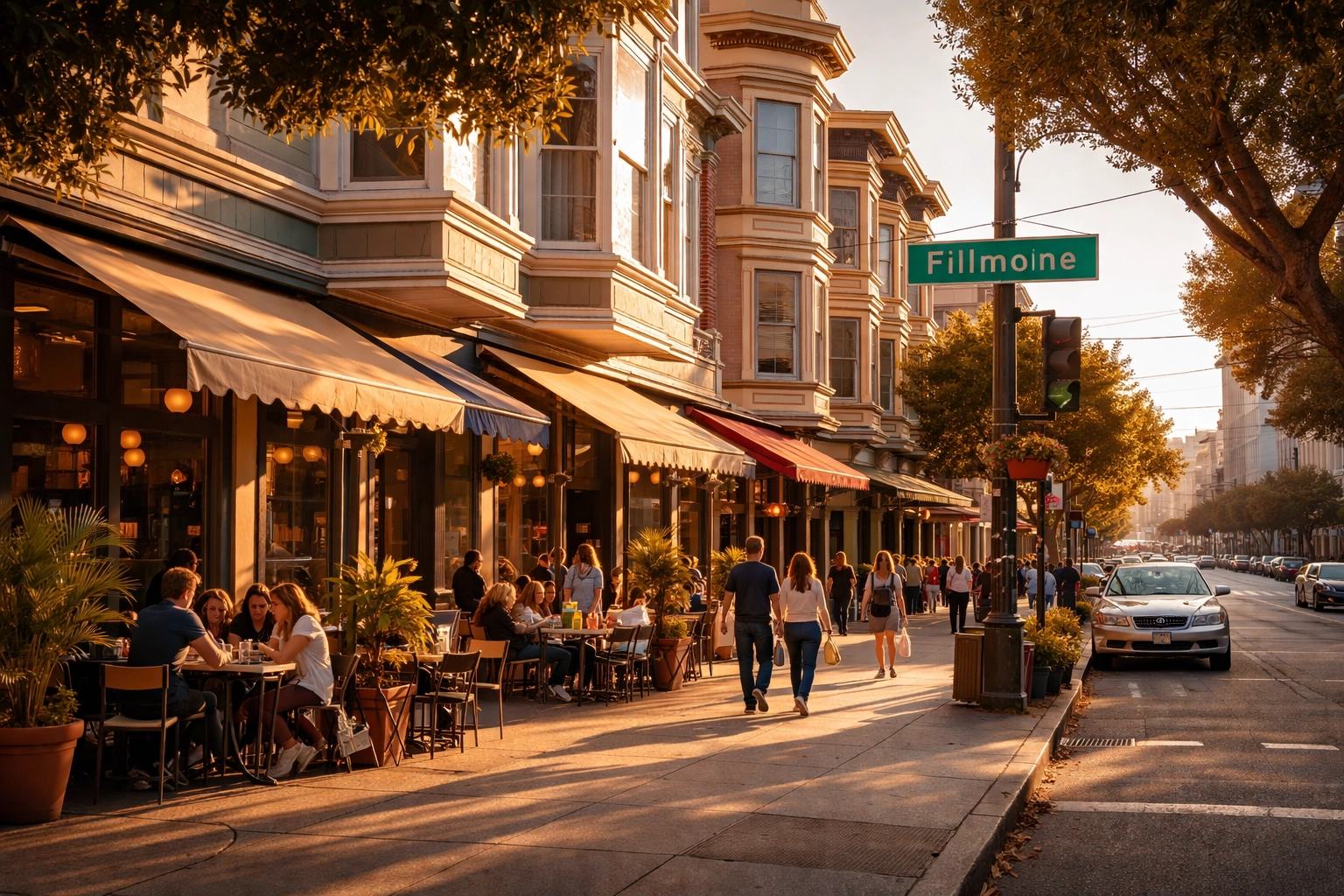
Cow Hollow and the Fillmore corridor offer:
- Stronger foot traffic from residential density
- Higher household incomes that support premium positioning
- Neighborhood stability that reduces external risk factors
- Parking and accessibility that suburban-minded diners expect
This isn't about abandoning your roots. It's about recognizing that the same concept can thrive or struggle based purely on where you put it.
When evaluating locations for a comeback or expansion, operators should audit:
- Why the previous location failed (internal vs. external factors)
- What demographic shifts occurred during closure
- Where existing customers actually live and work now
- Which neighborhoods match current brand positioning
Turtle Tower's move to Fillmore suggests they asked these questions and answered them honestly.
SOPs Make Multi-Unit Scaling Possible
Opening one restaurant is chaotic. Opening a second (or third) without documented systems is a disaster waiting to happen.
This is where many comeback stories fail. Operators reopen successfully, get excited about growth, then expand before their systems can support it. The result: inconsistent food, overwhelmed staff, and a damaged brand that took years to rebuild.
Turtle Tower's signature pho recipe hasn't changed in 25 years. That kind of consistency doesn't happen by accident. It requires:
Recipe Documentation
- Exact measurements and specifications
- Supplier standards and backup vendors
- Preparation sequences and timing
- Quality checkpoints before service
Training Protocols
- New hire onboarding sequences
- Station-specific competency requirements
- Cross-training schedules
- Performance evaluation criteria
Operational Checklists
- Opening and closing procedures
- Food safety compliance logs
- Equipment maintenance schedules
- Inventory management systems
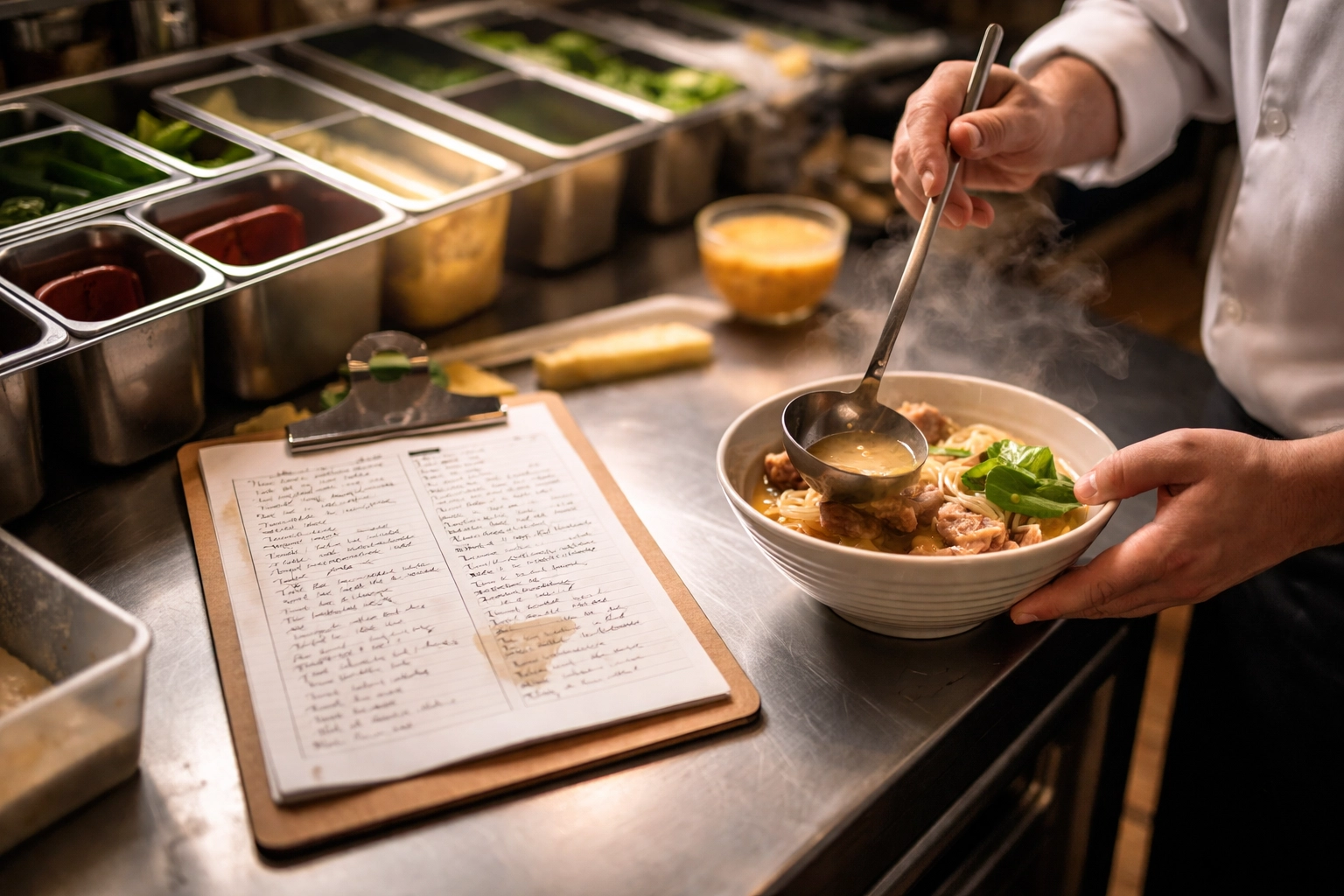
Standard Operating Procedures (SOPs) transform institutional knowledge into transferable systems. When the person who "knows how everything works" isn't available, documented SOPs keep operations running.
For multi-unit scaling, SOPs also enable:
- Faster location launches with proven playbooks
- Consistent customer experience across sites
- Simplified training for new management
- Clearer accountability when problems arise
Restaurant consulting firms often find that operators know their SOPs intuitively but haven't written them down. If you're planning to scale after a comeback, documentation isn't optional. It's foundational.
Preserve the Core, Elevate the Experience
Turtle Tower didn't come back with a completely new concept. They preserved what made them special: authentic Northern Vietnamese cuisine, that signature pho: while upgrading the overall experience.
The new location features murals and historical photos honoring 25 years of history. The ambiance is refined. New Hanoi street food items expand the menu without diluting the core offering.
This balance matters for any restaurant turnaround:
What to preserve:
- Hero dishes that define your brand
- Flavor profiles customers remember
- Cultural authenticity and storytelling
- Price-to-value positioning
What to elevate:
- Physical environment and ambiance
- Service standards and hospitality
- Menu variety and seasonal options
- Technology and convenience features
Customers returning after a closure want to recognize what they loved. They also want to see that you've evolved. The trick is delivering both.
The Bottom Line
Turtle Tower's Fillmore expansion isn't luck. It's strategy executed across multiple dimensions:
- Honest assessment of brand equity worth preserving
- Strategic partnerships that fill operational gaps
- Location selection that corrects past mistakes
- Documented SOPs that enable consistent scaling
- Brand evolution that honors history while moving forward
These aren't abstract concepts. They're practical decisions that restaurant consulting firms help operators make every day.
If you're considering a comeback: or scaling after one: the playbook exists. Turtle Tower is running it in real time.
Ready to scale your restaurant brand? McFadden Finch Restaurant Consulting Group helps operators build the systems, strategies, and partnerships needed for multi-unit growth. Explore our operations consulting services to start your scaling conversation.
Want more turnaround insights? Check out our breakdown of restaurant turnaround strategies and what separates successful comebacks from failed attempts.
#RestaurantTurnaround #RestaurantConsulting #SOPs #MultiUnitOperations #SanFranciscoRestaurants