Source: Original reporting by Lauren Saria, San Francisco Chronicle, January 23, 2026
The Happy Crane in Hayes Valley just announced one of the most ambitious Lunar New Year programs the Bay Area has seen. The modern Chinese restaurant: a James Beard Award semifinalist for Best New Restaurant 2026: is hosting four collaboration events featuring some of the country's most celebrated Asian American chefs and establishments.
For restaurant owners and operators watching from the sidelines, this isn't just a cool event series. It's a masterclass in strategic collaboration and eventized dining.
The Lineup
Chef James Yeun Leong Parry has assembled an impressive roster:
- February 4: Good Morning 96 with rising chef Gizela Ho
- February 11: Sun Moon Studio (Oakland), named among the best restaurants in the country by The New York Times and Bon Appetit
- February 21: Bar takeover and DJ set by NYC's 929, a Cantopop and Mandopop-inspired cocktail bar
- February 25: Yeobo, Darling (Menlo Park), the Taiwanese-Korean restaurant the Chronicle called "in a class of its own"
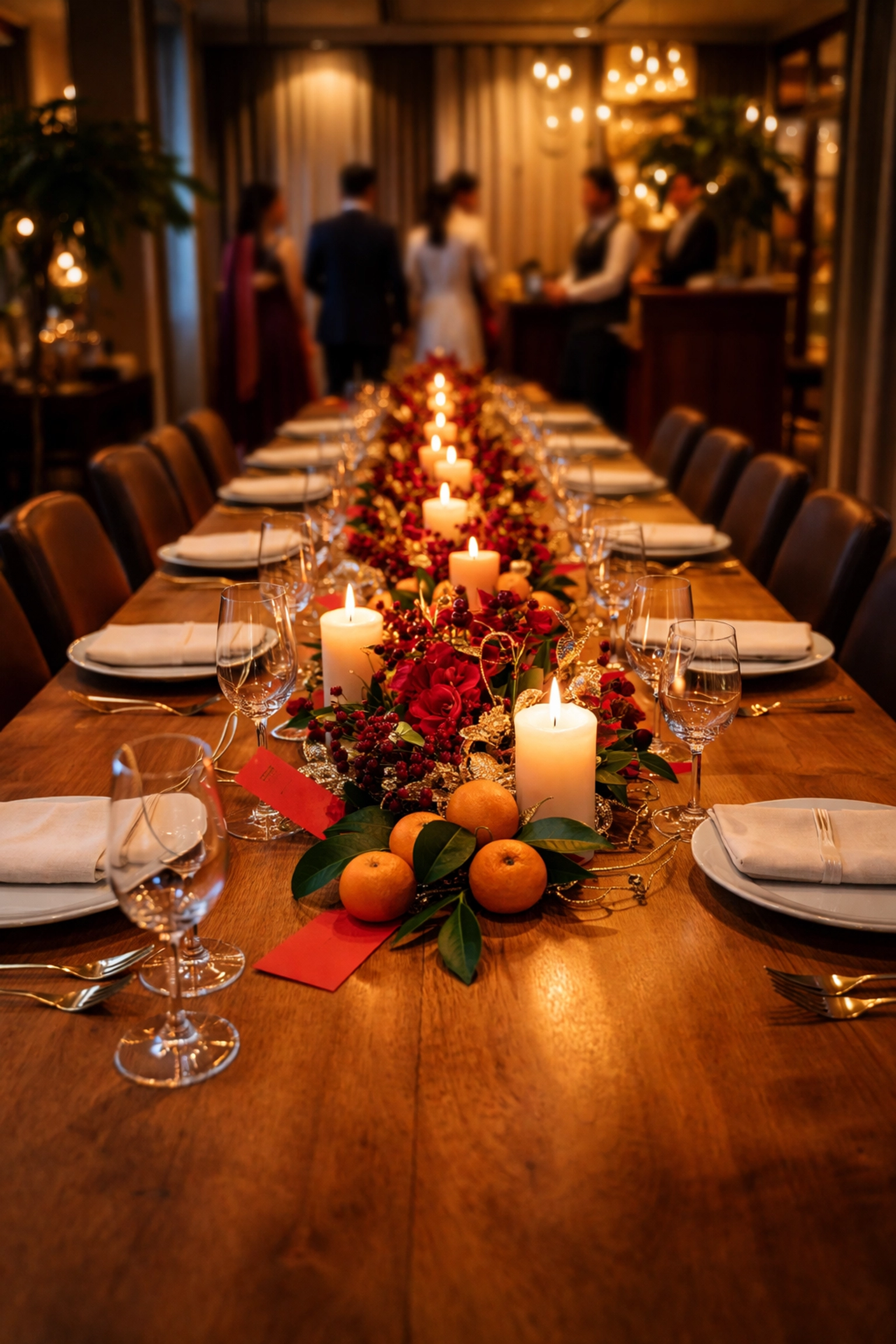
Designer Christine Trac of Abacus Row is handling décor and floral installations. The à la carte menu is expanding with three Lunar New Year items: lo hei, green garlic and roasted radish cakes, and Dungeness crab longevity noodles.
Seats are already selling fast.
Why Collaboration Works
Restaurant partnerships accomplish several things at once. They generate press coverage. They introduce each restaurant's audience to the other. They create urgency through scarcity: one night only means book now or miss out.
The Happy Crane already has one of the toughest reservations in the city. These collaborations make that scarcity even more compelling while building genuine relationships across the Bay Area restaurant community.
Notice who Parry chose to work with. Sun Moon Studio's Alan Hsu is a previous collaborator from Parry's days at Oakland's Pomet. Gizela Ho, currently at Rich Table, hosted Parry's pop-ups before The Happy Crane opened. The Kims of Yeobo, Darling have been informal advisors as both restaurants navigated their early success.
These aren't random partnerships. They're relationships built over time, now formalized into events that benefit everyone involved.
The Business Case for Eventized Dining
Eventized dining: turning specific dates into ticketed, limited experiences: has become a key strategy for operators looking to:
1. Drive Off-Peak Revenue
February can be slow. Lunar New Year programming creates a reason to book during what might otherwise be a challenging month.
2. Command Premium Pricing
Ticketed collaboration dinners typically carry higher price points than regular service. Guests understand they're paying for a unique, unrepeatable experience.
3. Generate Press and Social Coverage
A collaboration announcement is news. A standard Tuesday dinner is not. The Happy Crane's Lunar New Year series has already generated coverage in the Chronicle and will likely continue through the event dates.
4. Build Email Lists
Every ticket sold is a new contact for future marketing. These are engaged guests who've already demonstrated willingness to pay for special experiences.
Building Brand Authority Through Community
There's a less obvious benefit to collaboration events: they position your restaurant as a community leader.
Parry explicitly stated he wants the Lunar New Year celebration to become an annual tradition. By hosting visiting chefs and bars, The Happy Crane becomes a hub: not just another restaurant, but a gathering place for the region's most exciting culinary talent.
This matters for long-term brand building. When industry peers want to collaborate, they think of you first. When press needs a quote about Bay Area dining trends, they call you. When guests want a special occasion restaurant, yours is the default.
Authority isn't just about food quality. It's about visibility, relationships, and consistent execution of ideas that get people talking.
What Operators Can Learn
The Happy Crane's approach offers several applicable lessons for restaurant owners at any scale.
Start With Existing Relationships
Parry's collaborators aren't strangers. They're people he's worked with, learned from, or built rapport with over time. The best partnerships come from genuine connections, not cold outreach.
Think about your network. Former colleagues. Vendors you trust. Other operators you've exchanged advice with. Those relationships can become programming.
Tie Events to Cultural Moments
Lunar New Year provides built-in meaning and audience interest. The event has a reason to exist beyond "we wanted to do a dinner."
Look at your calendar. What holidays, seasons, or cultural moments align with your concept? A Southern restaurant might build around Juneteenth. A Mexican concept has obvious opportunities around Día de los Muertos. Italian restaurants can own Ferragosto.
Layer the Experience
The Happy Crane isn't just doing dinners. There's a bar takeover. There's custom décor from a designer with her own following. There are à la carte additions for guests who can't attend the ticketed events.
Multiple touchpoints mean multiple reasons to visit and multiple stories for press to cover.
Think Long-Term
Parry wants this to be annual. That's the right mindset. One-off events generate short-term buzz. Annual traditions build lasting brand equity.
The Scarcity Factor
Limited availability creates urgency. The Happy Crane is already difficult to book. Adding ticketed, one-night-only collaborations amplifies that difficulty: and that desirability.
Scarcity is a strategic tool. It works because it's real. These events genuinely cannot accommodate everyone who wants to attend. That authenticity drives demand in ways that manufactured marketing cannot.
For operators, the lesson is clear: don't oversupply special experiences. Keep them special.
Implementation Considerations
If you're considering collaboration events for your restaurant, here are the practical factors to address:
Financial Structure
How will revenue be split? Will you share costs for marketing, décor, and staffing? Get agreements in writing before announcing anything.
Operational Capacity
Can your kitchen execute a menu that blends two culinary perspectives? Will you need additional staff? How will you handle dietary restrictions and allergies for unfamiliar dishes?
Marketing Coordination
Both parties should promote the event. Coordinate messaging, assets, and timing so the announcement lands with maximum impact.
Ticketing Logistics
What platform will you use? What's the cancellation policy? How will you handle waitlists?
Post-Event Follow-Up
Capture guest emails. Send thank-you messages. Survey attendees about future event interest. Turn one-time guests into repeat visitors.
The Bigger Picture
The Bay Area's appetite for Asian cuisines shows no signs of slowing. Parry's quote captures it well: "I think we're just at the beginning. We're only scratching the surface."
Smart operators are positioning themselves now. Collaboration events like The Happy Crane's Lunar New Year series build the relationships, authority, and audience that sustain restaurants through market shifts.
The question for Bay Area restaurant owners: what's your version of this strategy?
Next Steps
McFadden Finch Restaurant Consulting Group works with restaurant owners on concept development, event strategy, and operational planning.
If you're looking to build programming that drives reservations and brand authority, contact our team to discuss your goals.
#BayAreaRestaurants #RestaurantStrategy #LunarNewYear2026 #ChefCollaboration #RestaurantConsulting