Remember when eating out meant sitting across from strangers, passing bread baskets, and accidentally making friends? Turns out, plenty of San Franciscans do too: and they're willing to pay premium prices to get that feeling back.
The supper club is having a moment. Not the velvet-rope, members-only kind from your grandparents' era (though that vibe is definitely part of the appeal). We're talking about intimate, community-driven dining experiences that flip the script on how restaurants think about revenue, loyalty, and what guests actually want in 2026.
If you're in restaurant consulting, restaurant feasibility planning, or eyeing a restaurant turnaround, this trend deserves your attention. Here's why.
The Digital Hangover Is Real
We've all been there: sitting at a restaurant table, everyone staring at their phones, food getting cold while someone gets the perfect shot for the 'gram.
The backlash was inevitable. After years of optimizing for delivery apps, ghost kitchens, and frictionless transactions, diners are craving something apps can't deliver: actual human connection.
Supper clubs answer that craving directly. They combine food, entertainment, and genuine social interaction in a shared physical space. No algorithm. No contactless anything. Just people, plates, and conversation.
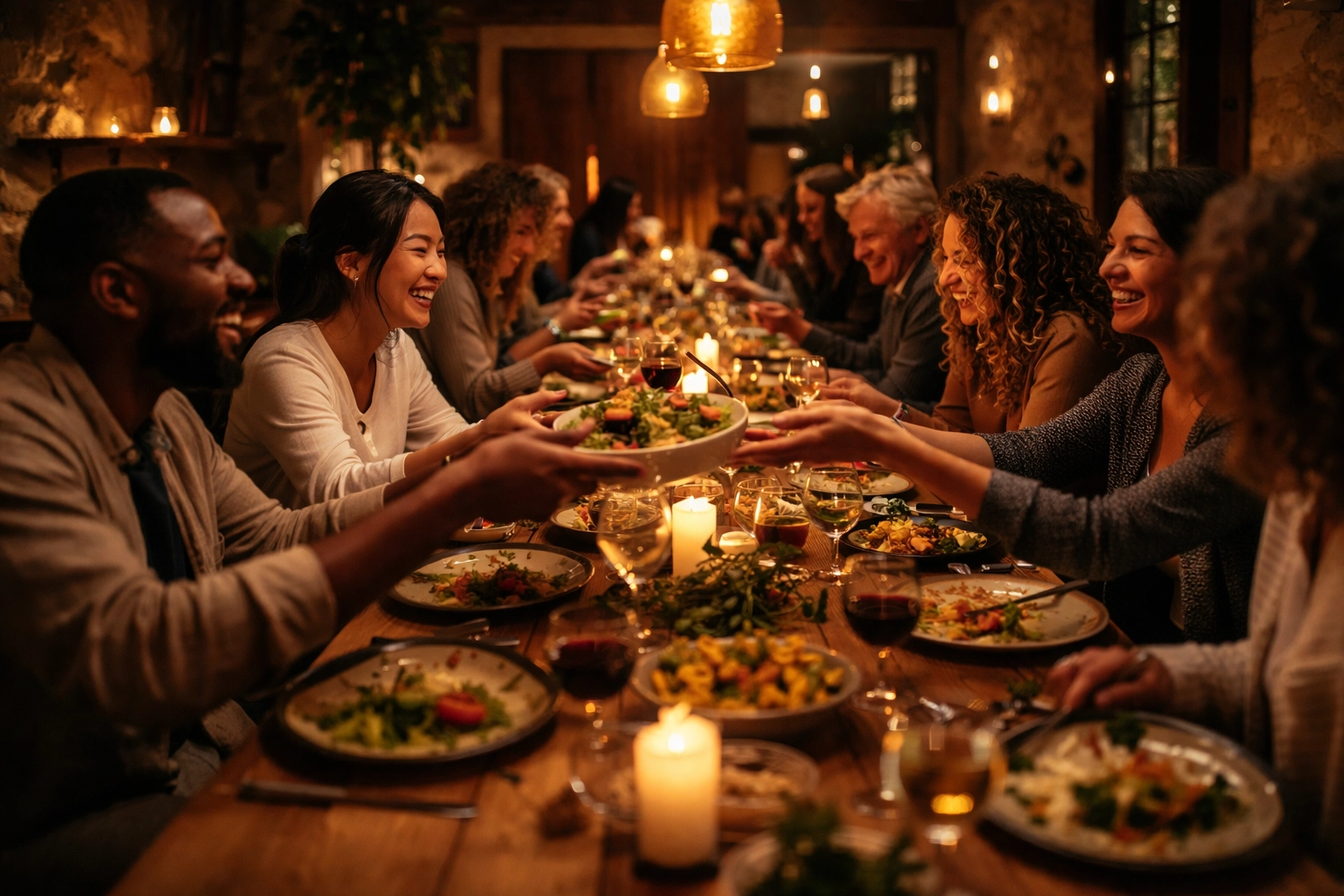
According to recent reporting from the SF Standard, venues like Deluxe Queer are leading this charge in San Francisco. These aren't your standard prix-fixe dinners. They're curated experiences built around community identity, shared values, and the radical idea that dinner should be memorable.
Why This Model Works (When Traditional Restaurants Struggle)
Let's talk numbers. Traditional restaurants fight brutal economics: thin margins, unpredictable covers, and the constant scramble to fill seats on slow nights.
Supper clubs flip several of these pain points:
Predictable Revenue Through Ticketing
Most modern supper clubs use ticketed entry. Guests pay upfront: often weeks in advance: for a set menu at a set price. This means:
- Cash flow before the event, not after
- Zero no-shows (or at least, no-shows who already paid)
- Precise ingredient ordering with minimal waste
- Staffing based on actual headcount, not hopeful projections
For anyone working on restaurant feasibility studies, the ticketed model dramatically simplifies the revenue forecasting that sinks so many traditional concepts.
Built-In Scarcity Creates Demand
When you only host 30 people twice a month, every seat feels exclusive. FOMO becomes your marketing department. Word-of-mouth does the heavy lifting because guests genuinely want to share that they scored a spot.
Compare that to a 120-seat restaurant hoping tonight's Instagram story converts to tomorrow's reservations.
Ticketing vs. Walk-Ins: The Operator's Dilemma
Not every supper club goes full ticketed. Some hybrid models keep a few walk-in seats or offer last-minute availability. Each approach has tradeoffs worth understanding.
Full Ticketing Model
Pros:
- Maximum revenue predictability
- Eliminates no-shows completely
- Higher perceived value (tickets feel like events)
- Easier inventory and labor management
Cons:
- Barrier to spontaneous diners
- Requires strong marketing to consistently sell out
- Refund policies can get complicated
- Less flexibility for regulars who want to drop by
Hybrid or Walk-In Model
Pros:
- Captures impulse traffic
- Lower commitment for first-timers
- Neighborhood-friendly for building local loyalty
- Easier to test new concepts without full sellout pressure
Cons:
- Returns to traditional no-show problems
- Harder to forecast costs
- Can dilute the "exclusive event" positioning
For operators considering a restaurant turnaround, the ticketed supper club format offers a reset button. It transforms the value proposition from "another place to eat" to "an experience you don't want to miss."
Community-Driven Models Solve the Loyalty Problem
Here's what makes the new wave of supper clubs particularly interesting from a consulting perspective: they're solving the loyalty problem without loyalty programs.
Traditional restaurants throw points, apps, and punch cards at guests hoping to manufacture repeat visits. Supper clubs like Deluxe Queer build loyalty through identity.
When your dining experience is explicitly tied to a community: whether that's queer culture, a specific cuisine tradition, or a shared set of values: guests return because the space reflects who they are. They're not earning points. They're participating in something.
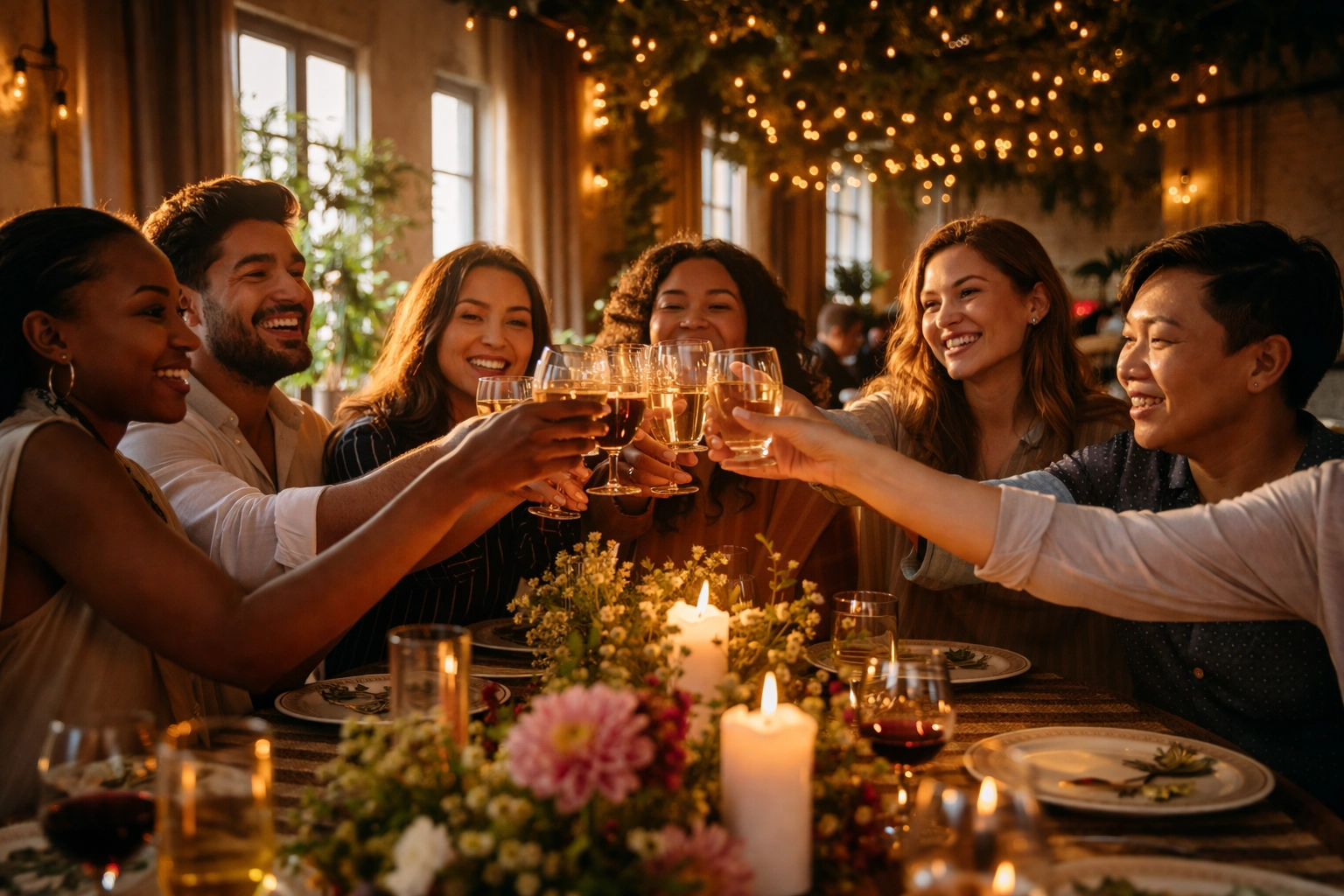
This model attracts millennials and Gen Z diners who increasingly prioritize authenticity and meaningful experiences over conventional restaurant dining. They'll pay more, travel farther, and evangelize harder for a concept that resonates with their identity.
For restaurant consulting professionals helping clients differentiate in crowded markets, this insight is gold. The question shifts from "How do we get people to come back?" to "What community are we building, and why would someone want to belong?"
The Economics of Experience
Let's break down why the supper club model can outperform traditional restaurants on paper.
Higher Per-Guest Revenue
Ticketed events typically command $75-$200+ per person, compared to $40-$60 average checks at mid-range restaurants. Guests expect to spend more because they're buying an experience, not just dinner.
Lower Overhead
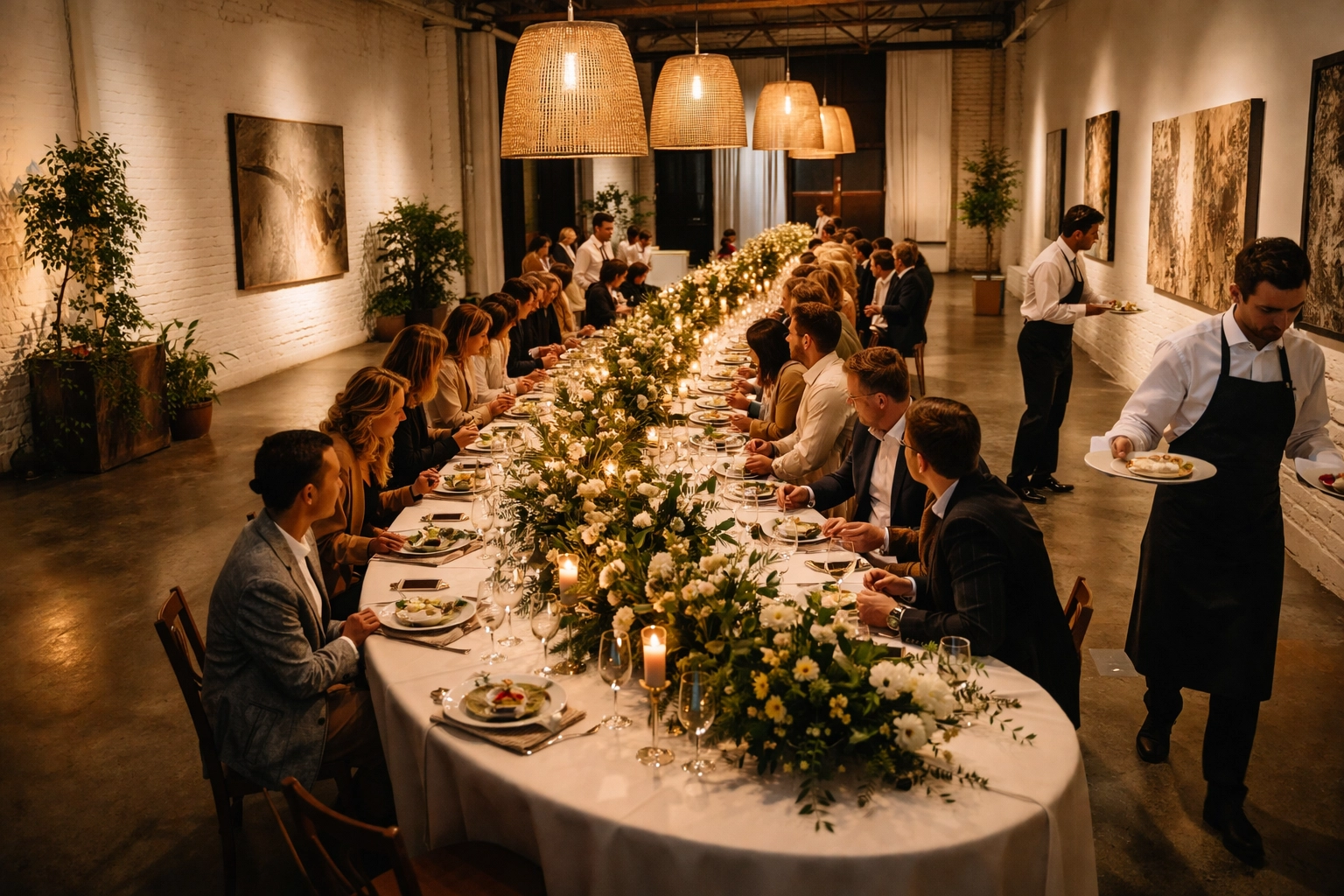
Many supper clubs operate in borrowed or unconventional spaces: commissary kitchens, private homes, art galleries, even warehouses. Without a permanent dining room's rent, the cost structure looks completely different.
Marketing Efficiency
A sold-out 30-person dinner that guests photograph, share, and rave about generates more organic reach than most restaurants' entire social media budgets. The product is the marketing.
Reduced Waste
When you know exactly how many people are coming and exactly what you're serving, food cost becomes dramatically more controllable. No more ordering for hoped-for covers that never materialize.
How to Apply This to Your Concept
Not every operator wants to run a ticketed supper club. But the principles driving this trend can inform any restaurant feasibility study or turnaround strategy:
Build Around Community, Not Just Cuisine
What group of people would consider your restaurant theirs? The answer shouldn't be "everyone who likes tacos." Get specific.
Consider Ticketed Special Events
Even traditional restaurants can host monthly supper club-style events. Test the model without abandoning your core business.
Design for Shareability
Supper clubs succeed partly because they're inherently photogenic and story-worthy. Every element: from the seating arrangement to the plating: is built for memory-making.
Price for Experience, Not Just Food
Guests at supper clubs aren't calculating cost-per-ounce of protein. They're paying for connection, novelty, and belonging. Price accordingly.
What This Means for 2026 and Beyond
The supper club resurgence isn't a fad. It's a market correction.
After years of optimization for convenience and scale, a significant segment of diners is actively seeking the opposite: intimacy, intention, and genuine human connection. They're voting with their wallets, and the numbers say experience beats efficiency.
For operators, the opportunity is clear. For consultants, the imperative is helping clients understand that the future of dining might look a lot more like its past: communal, personal, and built around the table as a gathering place, not just a transaction point.
Thinking about launching or repositioning a restaurant concept around community and experience? Our concept development services can help you build a feasibility model, refine your positioning, and create a business plan that turns connection into revenue.
#RestaurantConsulting #RestaurantFeasibility #SupperClub #SFRestaurants #RestaurantTurnaround