
Allensworth State Historic Park is the site of the only California town founded, financed, and governed entirely by African Americans, established in 1908 as a refuge from Jim Crow-era oppression. Located in the heart of the San Joaquin Valley, it represents a bold experiment in Black self-determination and economic independence. While the town struggled against environmental and systemic hurdles, its legacy remains a vital piece of California’s pioneer history. Understanding Allensworth is not just a lesson in the past; it is a blueprint for community resilience and a sobering reminder of how infrastructure can make or break a dream.
At the McFadden Finch Restaurant Consulting Group, we usually spend our days talking about restaurant turnaround secrets or how to keep a kitchen profitable. But today is February 28, 2026, the final day of Black History Month, and we wanted to step away from the spreadsheets to talk about a different kind of business: the business of building a legacy. Allensworth wasn’t just a town; it was a startup on a massive scale. It was a community built on the idea that if you control the land, the governance, and the economy, you can control your destiny. The story of Allensworth is a masterclass in agency, but it is also a tragic case study in how external forces like water rights and transportation routes can dismantle even the most successful ventures.
The Man Who Refused to Stay a Footnote: Colonel Allen Allensworth
To understand the town, you have to understand the man who gave it his name. Allen Allensworth was born into slavery in Louisville, Kentucky, in 1842. His early life was a series of defiant acts against a system designed to keep him down. According to the National Archives [5], Allensworth was sold multiple times for the "crime" of learning to read and write. When the Civil War broke out, he didn’t just wait for freedom; he ran toward it, escaping to join the Union Navy. This was the beginning of a military career that would see him rise to the rank of Lieutenant Colonel, making him the highest-ranking Black officer of his time by the time of his retirement in 1906.
Colonel Allensworth was a man of immense intellect and charisma. He served as a chaplain for the 24th Infantry, one of the famed Buffalo Soldier regiments, and he traveled the country as a public speaker. But even with his accolades and military prestige, he encountered the same "Whites Only" signs and housing discrimination as any other Black man in early 20th-century America. He lived in Los Angeles for a time, but the creeping shadow of Jim Crow laws made him realize that true freedom wouldn't be found in existing cities. It had to be built from the ground up. Along with four other visionary men, he set his sights on the fertile, albeit harsh, soil of the Central Valley.
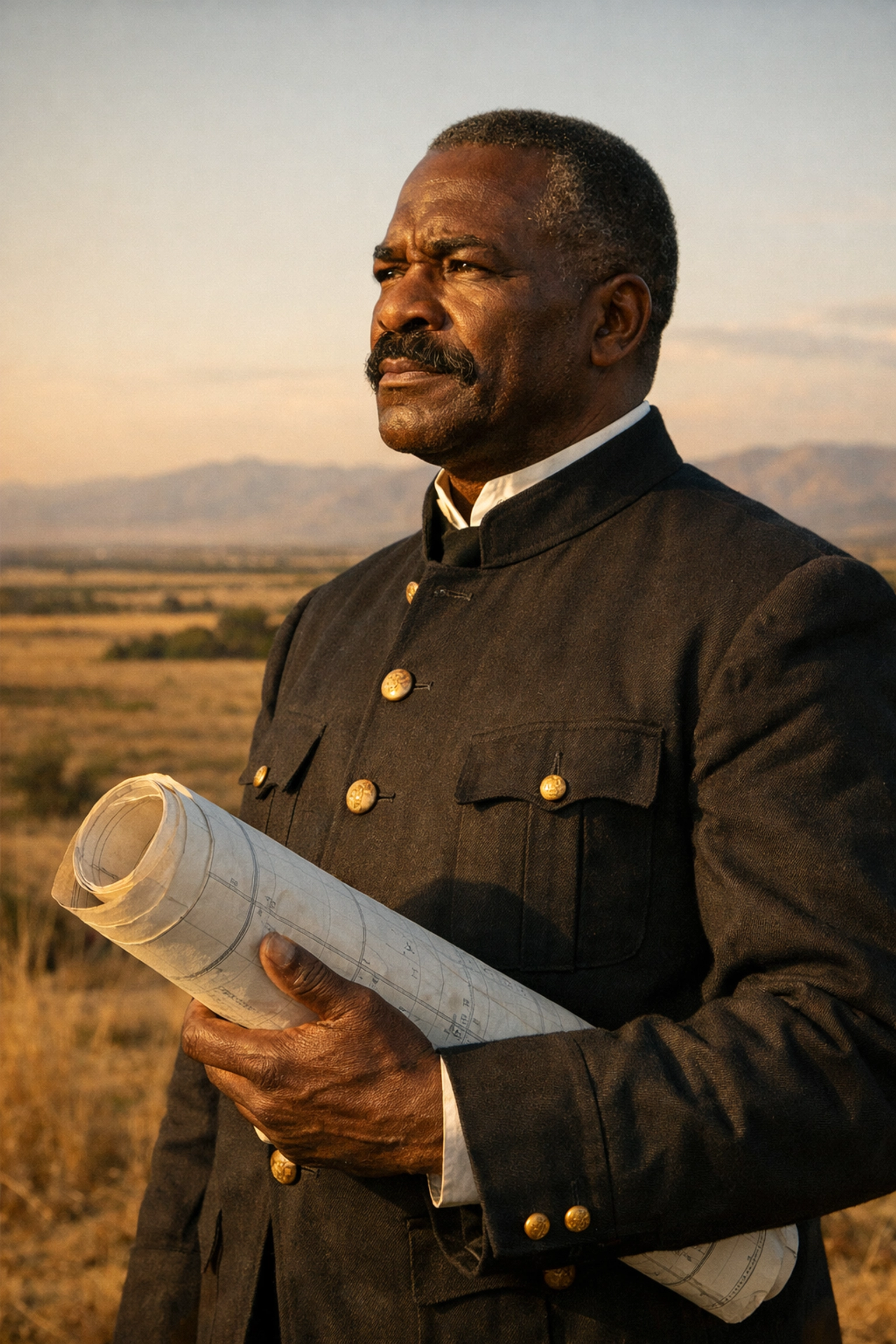
The 1908 Blueprint: Building a Black Utopia in the Central Valley
In 1908, the California Colony and Home Promoting Association was formed. The goal was simple but revolutionary: create a place where African Americans could own property, educate their children, and live without the fear of racial violence. As noted by BlackPast.org [2], the founders chose a site in Tulare County because of its proximity to the Santa Fe Railroad and the belief that the land had an ample water supply. In the early days, the town was a "raging success." By 1914, Allensworth was more than just a cluster of houses; it was a thriving municipality with a general store, a hotel, a library, and a schoolhouse that served as the heartbeat of the community.
The economy of Allensworth was built on grit and self-reliance. Residents weren't just laborers; they were business owners and pioneers. They established the first African American school district in California and eventually became a judicial district. People moved from across the country to be part of this "Tuskegee of the West." They grew grain, raised livestock, and built a society where the postmaster, the judge, and the store owner all looked like them. For a few years, Allensworth proved that the "American Dream" was possible for Black families if the playing field was even. But as any business consultant will tell you, a great vision is only as strong as the infrastructure supporting it.
The Tragic Irony of the Railroad Bypass and Water Rights
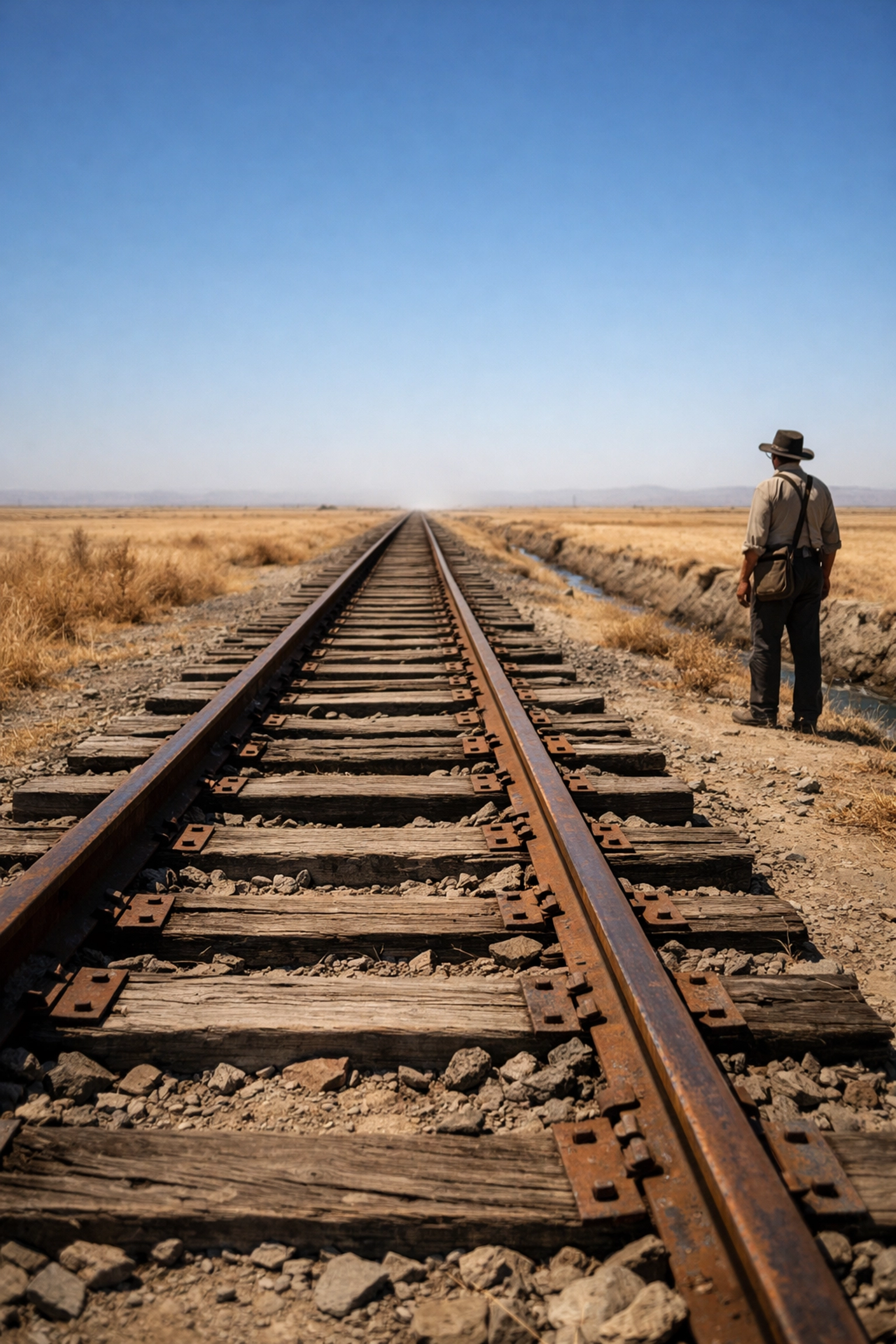
The decline of Allensworth wasn't due to a lack of will; it was a result of calculated external shifts. The town’s location was chosen specifically because it was a scheduled stop on the Santa Fe Railroad, which allowed farmers to ship their goods and brought new residents to the area. However, in 1914, the same year Colonel Allensworth tragically died in a motorcycle accident, the railroad company built a spur that bypassed the town, moving the stop to the nearby town of Alpaugh. This move wasn't just a logistical change; it was an economic death blow. It cut Allensworth off from the commerce that fueled its growth, a classic example of how transportation infrastructure can be used as a tool for exclusion.
Compounding the railroad issue was the battle for water. The town’s water was managed by the Pacific Water Company, which was controlled by white interests in Alpaugh. As the water table dropped, the company refused to provide the necessary equipment to pump water to Allensworth’s higher elevation. According to research from Stanford University's 'And The West' [4], this struggle for water rights became a primary factor in the town's depopulation. Without reliable water, the farms failed, and the once-lush "Utopia" began to dry up. This was environmental racism before the term even had a name, and it serves as a stark reminder of why feasibility studies and resource control are vital for any long-term venture.
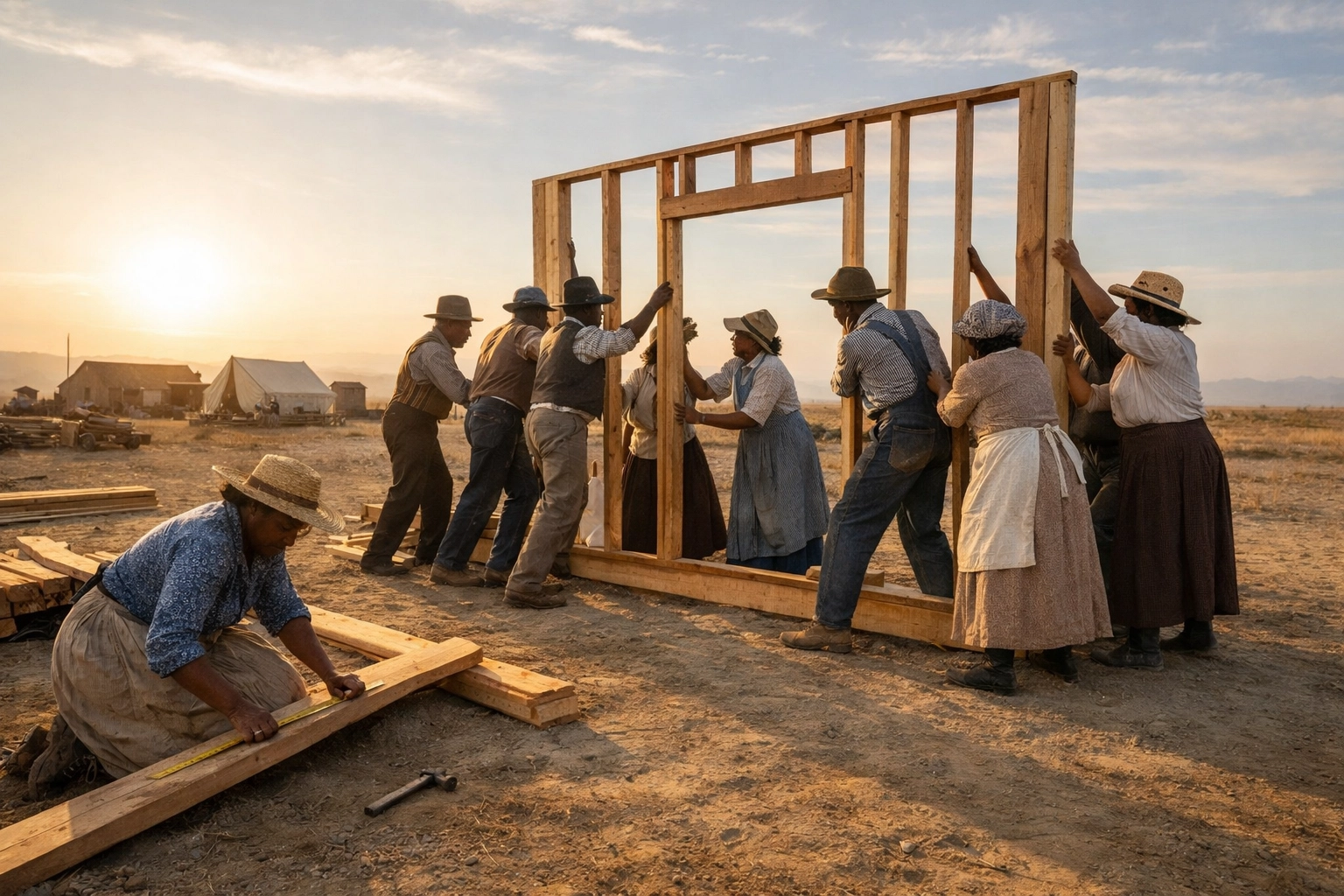
Why Infrastructure Matters: A Lesson for Modern Business Owners
At the McFadden Finch Restaurant Consulting Group, we often see businesses fail because they focused on the "front of house" (the brand, the menu, the dream) while ignoring the "back of house" (the utilities, the lease, the supply chain). Allensworth had the best "brand" in the West, a symbol of freedom and success. But they didn't control their own "utilities." They were dependent on a railroad they didn't own and a water company that didn't value their existence. When those external partners decided to pivot, the community paid the price.
This is why we emphasize the importance of a solid business plan that accounts for every variable. Whether you are building a town or a taco shop, you have to ask: Who controls my access to my customers? Who controls my resources? If the answer is "someone who doesn't want me to succeed," your foundation is on sand. Allensworth’s story teaches us that true independence requires control over the infrastructure that sustains life and business. Modern operators can honor this legacy by being meticulous about their own operational foundations.
Environmental Racism and the Erasure of Allensworth
By the 1960s, the town that once boasted hundreds of residents was down to a handful of families. The final insult came when naturally occurring arsenic was discovered in the remaining wells, making the water toxic. As KQED [3] reports, the state eventually moved to condemn the land. By 1973, Allensworth had been wiped off the official California state map. It was as if the town had never existed. This era of history is often ignored because it highlights a failure of the state to protect its citizens, but it also highlights the incredible tenacity of those who stayed.
The disappearance of Allensworth from the map wasn't an accident; it was the result of decades of neglect and systemic bias. Yet, the spirit of the town refused to die. Former residents and activists began a decades-long fight to have the site recognized. They didn't want the "Black Utopia" to be buried under the dust of the Central Valley. Their efforts eventually led to the creation of the Colonel Allensworth State Historic Park in 1974, ensuring that the buildings and the stories they hold would be preserved for future generations.
The Allensworth School District as a Model of Autonomy
The Allensworth schoolhouse, which still stands today, provides a fascinating look at what happens when a community takes charge of its own education. In 1912, the residents successfully petitioned to create their own school district. Unlike many "integrated" or segregated schools of the time, the Allensworth school was entirely managed by Black board members and taught by Black teachers, many of whom were highly educated women from across the country.
This autonomy allowed the school to become a center for civic life. It wasn't just for children; it was a place for adult education, political debate, and social gatherings. According to the California African American Museum [7], the school was the town's greatest pride because it represented a direct investment in the future. In our consulting work, we often look for this kind of "community buy-in." When every member of an organization, or a town, feels like a stakeholder, the level of excellence rises. The Allensworth schoolhouse remains a testament to what is possible when education is treated as a communal responsibility rather than a bureaucratic requirement.
A Timeline of Allensworth: From Dream to State Park
| Year | Event | Impact |
|---|---|---|
| 1842 | Allen Allensworth born into slavery | The start of a legendary life of resistance. |
| 1906 | Colonel Allensworth retires from the Army | He begins his quest for a permanent Black settlement. |
| 1908 | Allensworth is founded | The "Golden Age" of the town begins. |
| 1912 | First Black school district in CA formed | Education becomes the pillar of the community. |
| 1914 | Death of Colonel Allensworth | The town loses its charismatic leader and primary fundraiser. |
| 1914 | Santa Fe Railroad bypasses the town | Economic isolation begins to take a toll. |
| 1966 | Arsenic discovered in water supply | Environmental hazards force many remaining residents to leave. |
| 1974 | Allensworth State Historic Park established | Preservation efforts begin to save the town's physical legacy. |
| 2026 | Revitalization efforts continue | New investments in tourism and education keep the story alive. |
What Smart Critics Argue
Some historians and critics argue that Allensworth was "doomed from the start" because the land was marginal and the water table was always precarious. They suggest that the founders were sold a "bill of goods" by white land speculators who knew the location was flawed. While there is evidence that the land deal wasn't entirely transparent, this argument often ignores the agency of the founders.
We would argue, supported by records from SJV Water [6], that the failure wasn't in the choice of land, but in the deliberate withholding of infrastructure improvements that were granted to neighboring "white" towns. If the railroad hadn't moved and the water company had allowed Allensworth to upgrade its pumps, the town would likely still be a thriving agricultural hub today. To blame the founders for "poor planning" is to ignore the active sabotage they faced. In the business world, we call this "market interference," and in the social world, we call it systemic racism.
The Fight for the Future: Visiting Allensworth Today
Today, Allensworth State Historic Park is a place of quiet beauty and immense power. You can walk through the restored home of the Colonel, sit in the pews of the Baptist church, and stand in the very schoolhouse where children once learned that they were the masters of their own fate. The California State Parks [1] department hosts several "big events" throughout the year, including a Juneteenth celebration and a Founder’s Day in October.
But the park needs more than just weekend visitors; it needs advocates. Current revitalization efforts are focused on bringing more "life" back to the area, including improved camping facilities and interactive exhibits that tell the story of the families who lived there, not just the men who founded it. Visiting Allensworth is an act of historical justice. It’s a way to tell the state of California that this history, our shared legacy, will not be forgotten again.
What to Do Next
If this is the first time you've heard of Allensworth, or if you're looking for ways to support the preservation of Black history in California, here are the steps you can take:
- Visit the Park: Take a trip to Allensworth, CA. Seeing the scale of the town in person is the only way to truly appreciate the founders' vision.
- Support the Friends of Allensworth: This non-profit organization works tirelessly to fund restoration projects and organize community events.
- Educate Others: Share this story with your network. The more people know about Allensworth, the harder it is for it to be "erased" again.
- Incorporate it into Curriculum: If you are an educator, use Allensworth as a case study for California history, economics, or social studies.
- Advocate for Water Justice: The issues Allensworth faced with water are still happening in the Central Valley today. Support organizations working for clean water access for all.
- Read Primary Sources: Dive into the Library of Congress [8] archives to read letters and newspapers from the town’s heyday.
- Consult an Expert for Your Own Ventures: If you’re building your own business "utopia," make sure your infrastructure is sound. We can help with that at McFadden Finch.

Frequently Asked Questions
Is anyone still living in the town of Allensworth?
While the historic core is a state park, there is a small community of residents living in the surrounding area of "New Allensworth." They continue to advocate for better services and water quality in the region.
How did Colonel Allensworth die?
Tragically, he was killed in 1914 in Monrovia, California, when he was struck by a motorcycle. His death was a massive blow to the town’s morale and leadership.
Why is it called the "Town That California Forgot"?
Because it was literally removed from state maps in the 1970s. It took years of grassroots activism to force the state to acknowledge the site's historical significance.
Can I host events at the park?
Yes, California State Parks allows for group tours and certain events. It’s a powerful place for family reunions and educational retreats.
Sources
[1] California State Parks, "Colonel Allensworth State Historic Park," official site, 2026, https://www.parks.ca.gov/?page_id=583.
[2] BlackPast.org, "Allensworth, California (1908- )," 2024, https://www.blackpast.org/african-american-history/allensworth-1908/.
[3] KQED, "The Rise and Fall of Allensworth," 2020, https://www.kqed.org/news/11802359/the-rise-and-fall-of-allensworth-californias-first-all-black-town.
[4] Stanford University, 'And The West', "The Water and the Word," 2019, https://andthewest.stanford.edu/.
[5] National Archives, "Records of the 24th Infantry Regiment," U.S. Government, 2025, https://www.archives.gov/.
[6] SJV Water, "Arsenic and Old Infrastructure: The Allensworth Water Struggle," 2023, https://sjvwater.org/.
[7] California African American Museum, "Pioneers of the Central Valley," 2024, https://caamuseum.org/.
[8] Library of Congress, "African American Settlements in the West," 2025, https://www.loc.gov/.
[9] Journal of Agriculture and Environmental Ethics, "Environmental Racism and Rural Planning," 2022.
[10] The New York Times, "A Dream of a Black Utopia in California," Historical Archive, 1910, https://www.nytimes.com/.
The Executive Team at McFadden Finch Restaurant Consulting Group is dedicated to preserving the legacy of California’s pioneers by helping modern business owners build sustainable, resilient operations. Whether you are launching a new concept or need a turnaround for an existing legacy brand, we provide the infrastructure for your success.
Ready to build your legacy?
Book a Discovery Call with McFadden Finch today or call us at (510) 973-2410 to discuss your restaurant feasibility or business strategy. Let’s make sure your vision has the foundation it deserves.