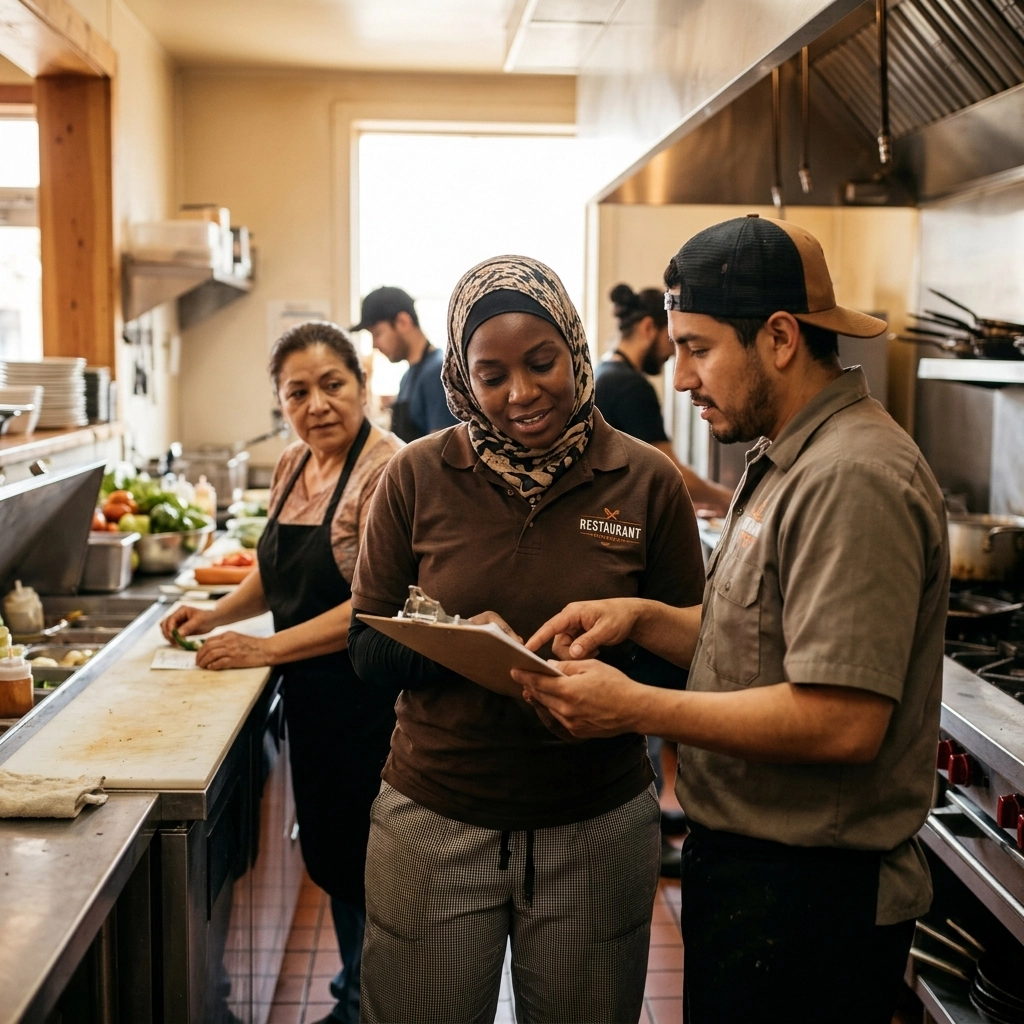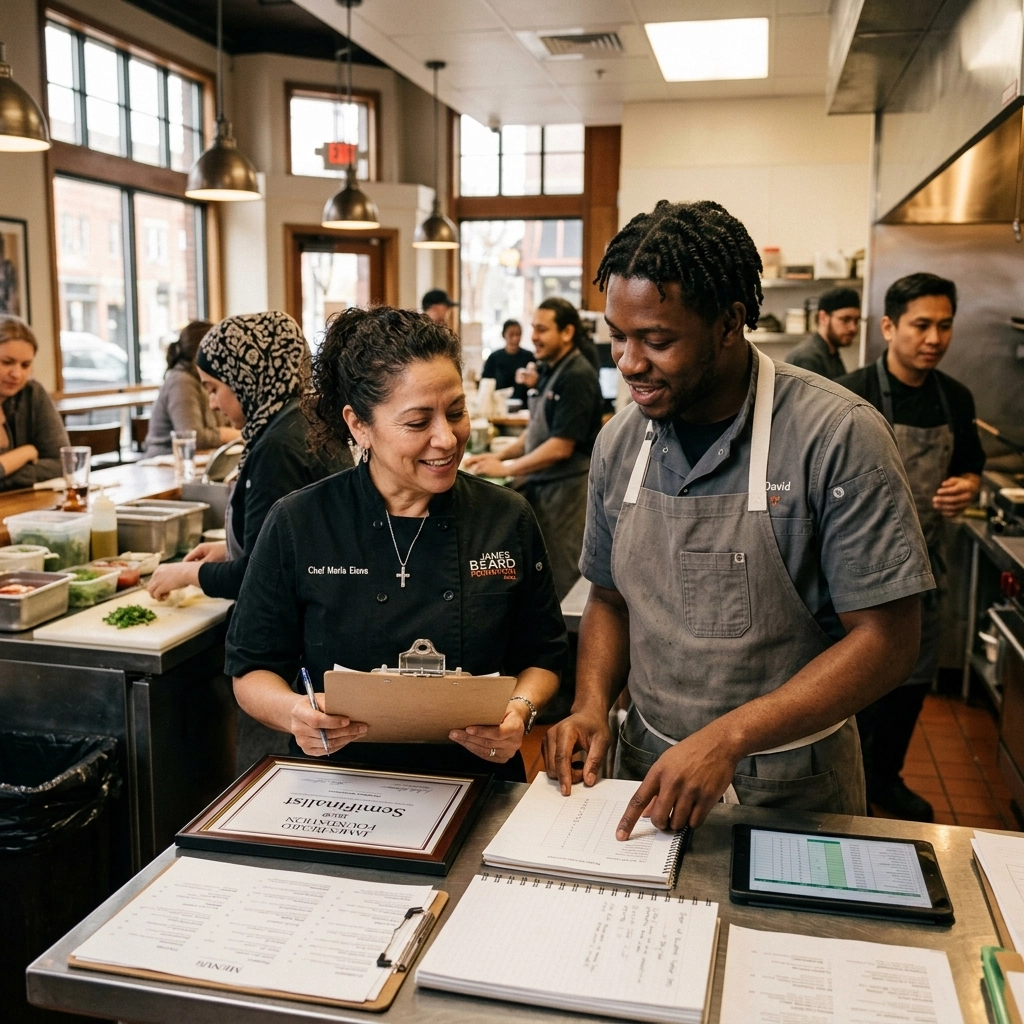
A successful restaurant opening requires a clear business concept, validated restaurant feasibility, secured financing, proper permits and licenses, a functional kitchen workflow, reliable POS selection, and a trained team led by a capable GM. In the Bay Area: whether you're opening in San Francisco, Oakland, or the East Bay: add 6-8 weeks minimum for health permits and budget for higher labor and real estate costs. This restaurant opening checklist covers every phase from concept to launch day.
Phase 1: Restaurant Feasibility & Concept Development
Before signing a lease or purchasing equipment, validate your concept.
Feasibility assessment includes:
- Market analysis of your target demographic
- Competitive landscape review within a 2-mile radius
- Financial projections for startup costs, revenue, and break-even
- Site evaluation for foot traffic, parking, and transit access
In Oakland and San Francisco, feasibility must account for higher minimum wages, commercial rent premiums, and neighborhood-specific dining trends. A restaurant consultant can provide objective analysis before you commit capital.
Key questions to answer:
- Does your cuisine type align with local demand?
- Can your price point support Bay Area labor costs?
- Is your target location zoned for food service with alcohol?

Phase 2: Business Planning & Restaurant Branding
Your business plan serves two purposes: securing financing and guiding operations.
Business plan components:
- Executive summary
- Concept and service style description
- Market analysis and competitive positioning
- Management team overview
- Financial projections (3-5 years)
- Funding requirements and use of proceeds
Restaurant branding begins here. Define your visual identity, voice, and guest experience before you design menus or interiors. Branding consistency across signage, menus, social media, and physical space builds recognition.
Business structure decisions:
- LLC, S-Corp, or sole proprietorship
- This affects tax obligations and personal liability
- Finalize before business registration
For Bay Area startups, McFadden Finch Restaurant Consulting Group offers business plan development services tailored to local market conditions.
Phase 3: Location, Permits & Bay Area Compliance
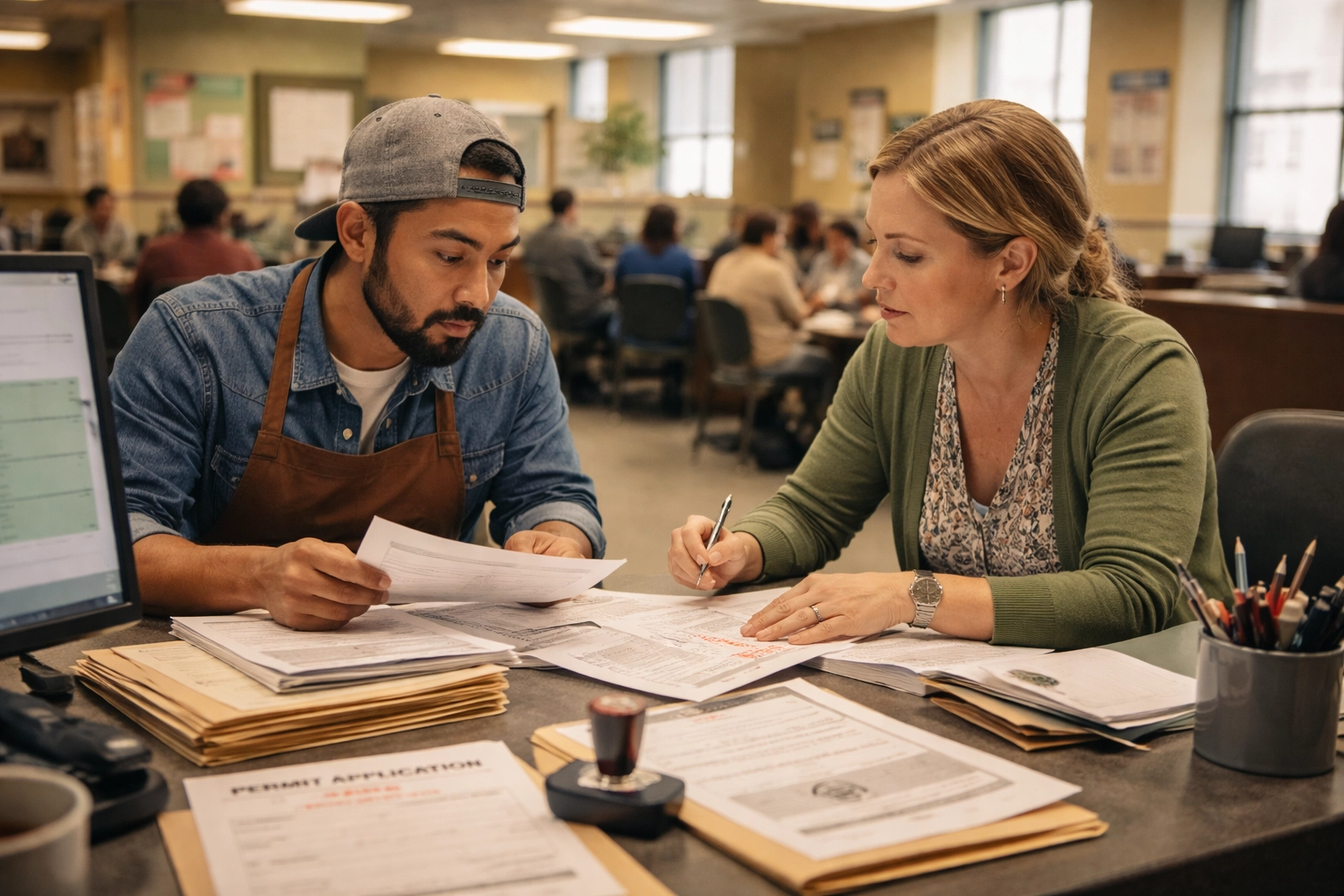
The Bay Area has specific permit requirements that extend timelines significantly.
Location Evaluation
Site criteria:
- Demographics and safety data
- Traffic patterns and visibility
- Zoning compliance verification
- Accessibility requirements (ADA)
- Delivery and loading zone viability
Even if a restaurant previously operated in your target space, verify current zoning. San Francisco requires separate verification for alcohol service.
Permits and Licenses
Required permits (San Francisco/Oakland):
- Business license and registration
- Employer Identification Number (EIN)
- Food service license from Department of Public Health
- Liquor license (ABC license: start early, can take months)
- Signage permits
- Occupancy permits
- Place of Assembly permit (if capacity exceeds 50)
- Seller's Permit from CDTFA
- Commercial weighing device registration (if applicable)
San Francisco-specific steps:
- Consult SF Department of Public Health (DPH) before signing a lease
- Meet with SF Fire Department (SFFD) regarding sprinkler systems, kitchen hoods, and fire exits
- Apply for Health Permit to Operate 6-8 weeks before planned opening
Pro tip: In San Francisco, awning permit fees are waived every May.
Phase 4: Kitchen Workflow & Design
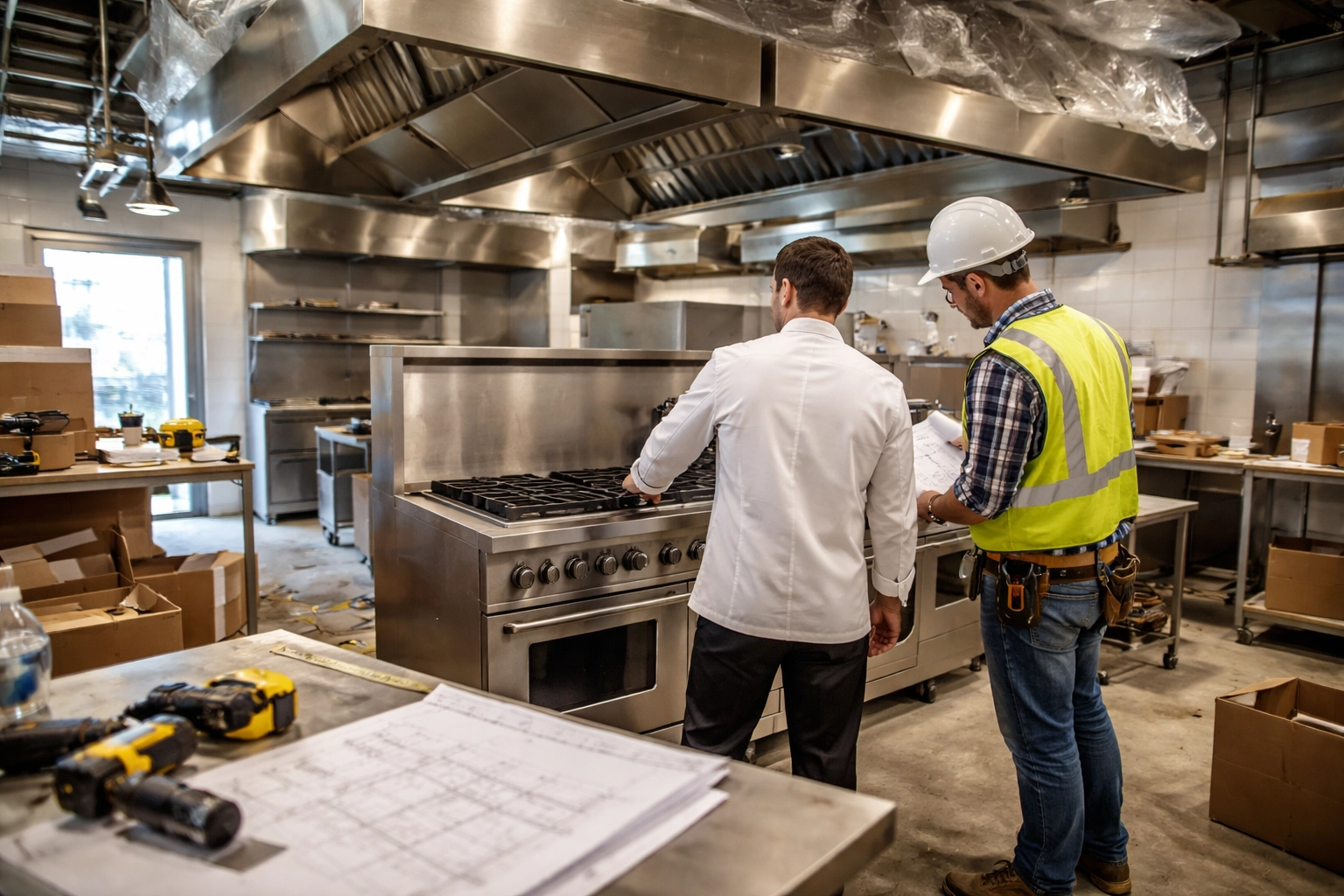
Kitchen workflow determines service speed, food quality, and labor efficiency.
Layout Principles
Design for:
- Smooth staff movement between stations
- Clear separation of prep, cooking, and plating zones
- Compliance with health and safety codes
- Adequate storage for your menu requirements
Conduct staff walkthroughs before finalizing layouts. Test the line during mock service.
Equipment Installation
Kitchen equipment checklist:
- Cooking equipment (ovens, fryers, grills, ranges)
- Refrigeration and freezer units
- Prep tables and storage racks
- Ventilation and hood systems
- Grease-capture equipment (traps or interceptors: required)
- Smallwares and utensils
Contact PG&E Building and Renovation Services if you need new or additional gas and electric services.
Kitchen workflow optimization:
- Station assignments for each menu item
- Prep schedules and mise en place protocols
- Temperature logging procedures
- Labeling and dating systems for food safety
Phase 5: POS Selection & Technology
POS selection impacts every aspect of operations: from order accuracy to financial reporting.
POS evaluation criteria:
- Integration with online ordering and delivery platforms
- Inventory tracking capabilities
- Employee scheduling and labor cost reporting
- Payment processing fees and hardware costs
- Ease of use for front-of-house staff
- Reporting and analytics features
Additional technology considerations:
- Reservation management system
- Kitchen display systems (KDS)
- Payroll processing integration
- Accounting software connectivity
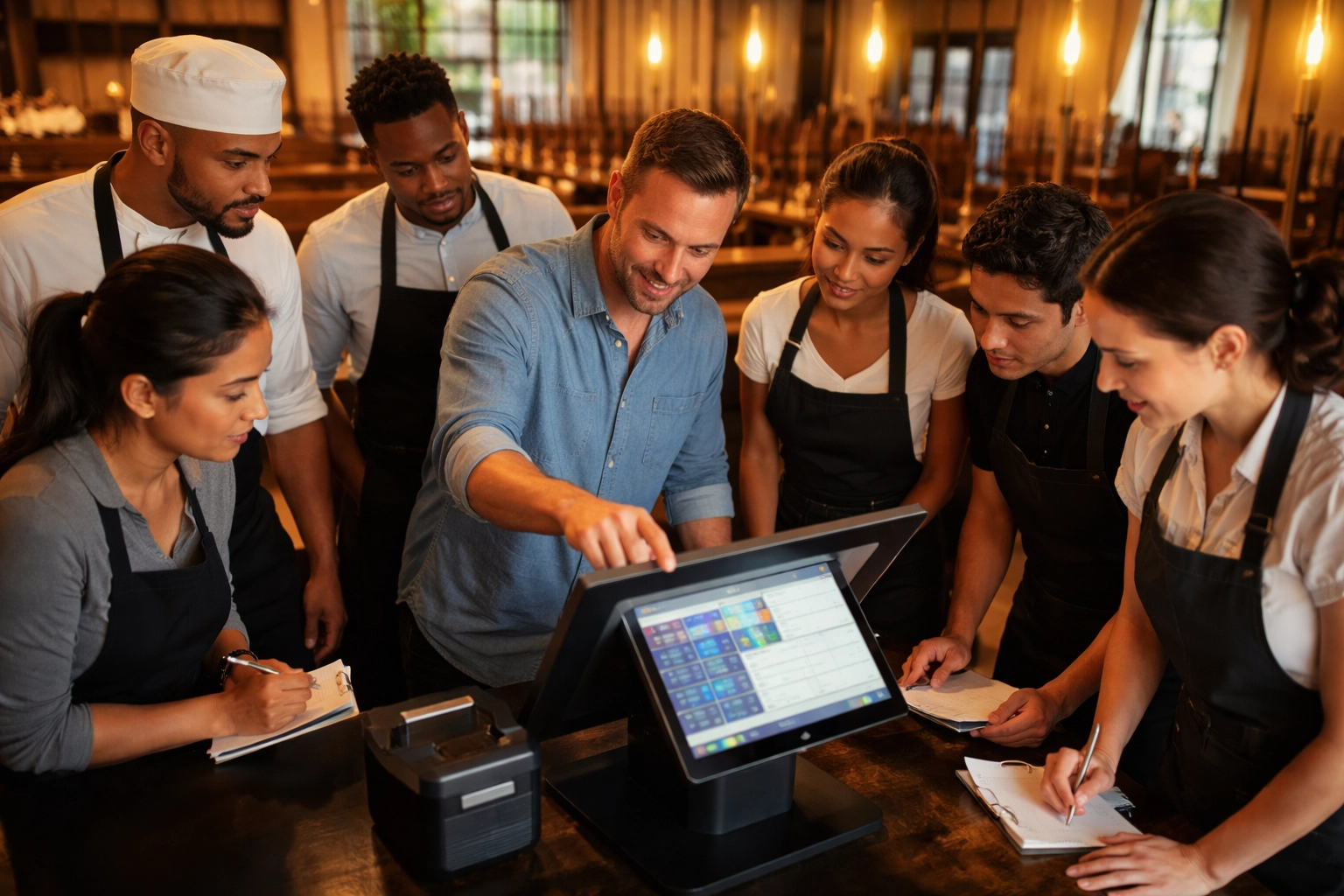
Test POS terminals thoroughly before opening. Train all staff on order entry, payment processing, and void/refund procedures.
Phase 6: Hiring a GM & Building Your Team
Hiring a GM is one of the most critical decisions for a new restaurant.
General Manager Qualifications
Look for:
- Bay Area restaurant management experience
- Knowledge of California labor laws and wage regulations
- Track record of building and retaining teams
- Financial management skills (P&L ownership)
- Food safety certification (Manager's Food Safety Certification required)
Staff Hiring Checklist
Required positions (varies by concept):
- Kitchen manager/Executive chef
- Line cooks and prep cooks
- Front-of-house manager
- Servers and hosts
- Bartenders (if applicable)
- Dishwashers
Compliance requirements:
- Workers' compensation insurance (required for DPH permit)
- All employees must have Food Handler Cards
- Understand California tip regulations and minimum wage requirements
Training program components:
- Service standards and hospitality expectations
- Food safety protocols
- Menu knowledge and allergy awareness
- POS system operation
- Emergency procedures
Phase 7: Pre-Opening Operations
The final weeks before opening require systematic preparation.
Menu Finalization
- Test all dishes with staff tastings
- Gather feedback and refine based on kitchen capabilities
- Price items based on food cost analysis
- Identify items for specials rotation
Kitchen Preparation
Daily opening checklist:
- Equipment inspection and temperature verification
- Prep station setup with garnishes, sauces, utensils
- Mise en place preparation with timestamp labels
- Inventory check against par levels
Front-of-House Setup
- Table setup and polish
- Glassware and silverware inspection
- Condiment refills
- POS terminal testing
- Reservation review and VIP notes
Required Signage
- No Smoking signs
- Minimum wage information
- Health inspection results (once received)
Top 5 Mistakes New Restaurant Owners Make
- Underestimating permit timelines. Bay Area permits can take 2-3 months. Start early.
- Skipping feasibility analysis. Passion is not a business plan.
- Hiring the wrong GM. This role makes or breaks daily operations.
- Ignoring kitchen workflow. Poor layout creates bottlenecks during service.
- Choosing POS based on price alone. Integration and reporting matter more long-term.
Ongoing Compliance
Post-opening calendar items:
- Equipment maintenance schedules
- Permit and license renewal dates
- Local, state, and federal tax deadlines
- Health inspection preparation
Work With a Restaurant Consultant
Opening a restaurant in the Bay Area requires navigating complex regulations, competitive markets, and high operating costs. McFadden Finch Restaurant Consulting Group partners with new founders from feasibility through launch day.
Our services include:
- Restaurant feasibility studies
- Business plan development
- Kitchen design and workflow optimization
- POS selection guidance
- GM recruitment support
- Pre-opening operational setup
Ready to open your restaurant the right way? Contact MFRCG for a feasibility study or opening support consultation.
#RestaurantOpeningChecklist #BayAreaRestaurants #RestaurantConsultant #NewRestaurantOpening #RestaurantStartup