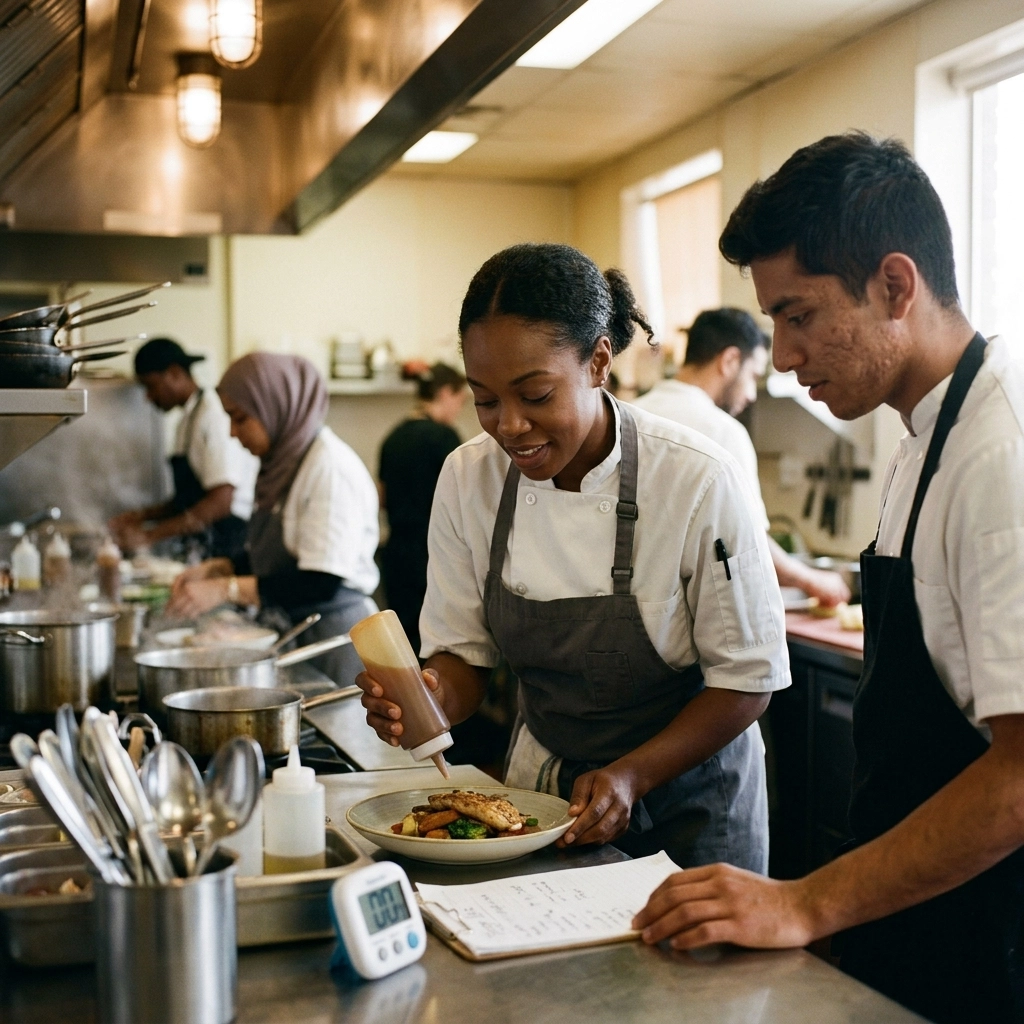
Imagine walking through the sun-dappled, brick-lined streets of Jackson Square. The air usually carries the faint scent of old books from nearby galleries or the crispness of high-end tailoring. But lately, there is a new, irresistible aroma cutting through the neighborhood: the smell of wood-fired pastrami, fermented miso, and honey-boiled sourdough. This is the sensory calling card of Loveski Deli, the newest inhabitant of 499 Jackson Street, which has officially transitioned from a much-anticipated Napa export to San Francisco’s most talked-about "coolest bodega" (Loveski Deli) [1].
The opening marks a significant milestone in San Francisco’s evolving culinary landscape. Jackson Square, once a quiet enclave for design firms and law offices, is rapidly transforming into a dense hub of high-concept hospitality (SF Eater) [2]. The arrival of a Jewish-inspired deli that blends traditional techniques with a Northern California pantry indicates a shift in how city diners approach the "grab-and-go" model. This isn’t just a sandwich shop; it is a meticulously engineered retail and dining hybrid designed to bridge the gap between a high-end restaurant experience and a neighborhood corner store (Loveski Deli) [3].
In this post, you will learn:
- The unique culinary philosophy behind the "Jew-ish" menu and the science of their award-winning sourdough bagels.
- How the "coolest bodega" retail model is changing the economics of urban restaurant spaces.
- The strategic partnership between Loveski and its predecessor, Postscript, that preserved neighborhood continuity.
The Rise of the "Jew-ish" Deli in Northern California
The Jewish deli is undergoing a profound renaissance across the United States, but nowhere is the transformation more distinct than in the Bay Area. The traditional deli model, characterized by massive portions and heavy reliance on imported meats, is being replaced by a "California-style" approach that prioritizes local sourcing, house-made fermentations, and lighter, vegetable-forward options (National Restaurant Association) [4]. Loveski Deli stands at the forefront of this movement.
Originally founded in Napa’s Oxbow Public Market, the brand expanded to the Marin County Mart in Larkspur before targeting the competitive San Francisco market (Loveski Deli) [3]. The concept relies on what the ownership team describes as a "Jew-ish" identity, a playful nod to the fact that while the menu is rooted in Jewish culinary tradition, it is not strictly observant and is heavily influenced by the global flavors of the Napa Valley (SF Chronicle) [5]. This allows for innovative items like the pastrami-and-latke breakfast burrito, a dish that has quickly become a signature item for the Jackson Square location.
The Science of the Sourdough Bagel
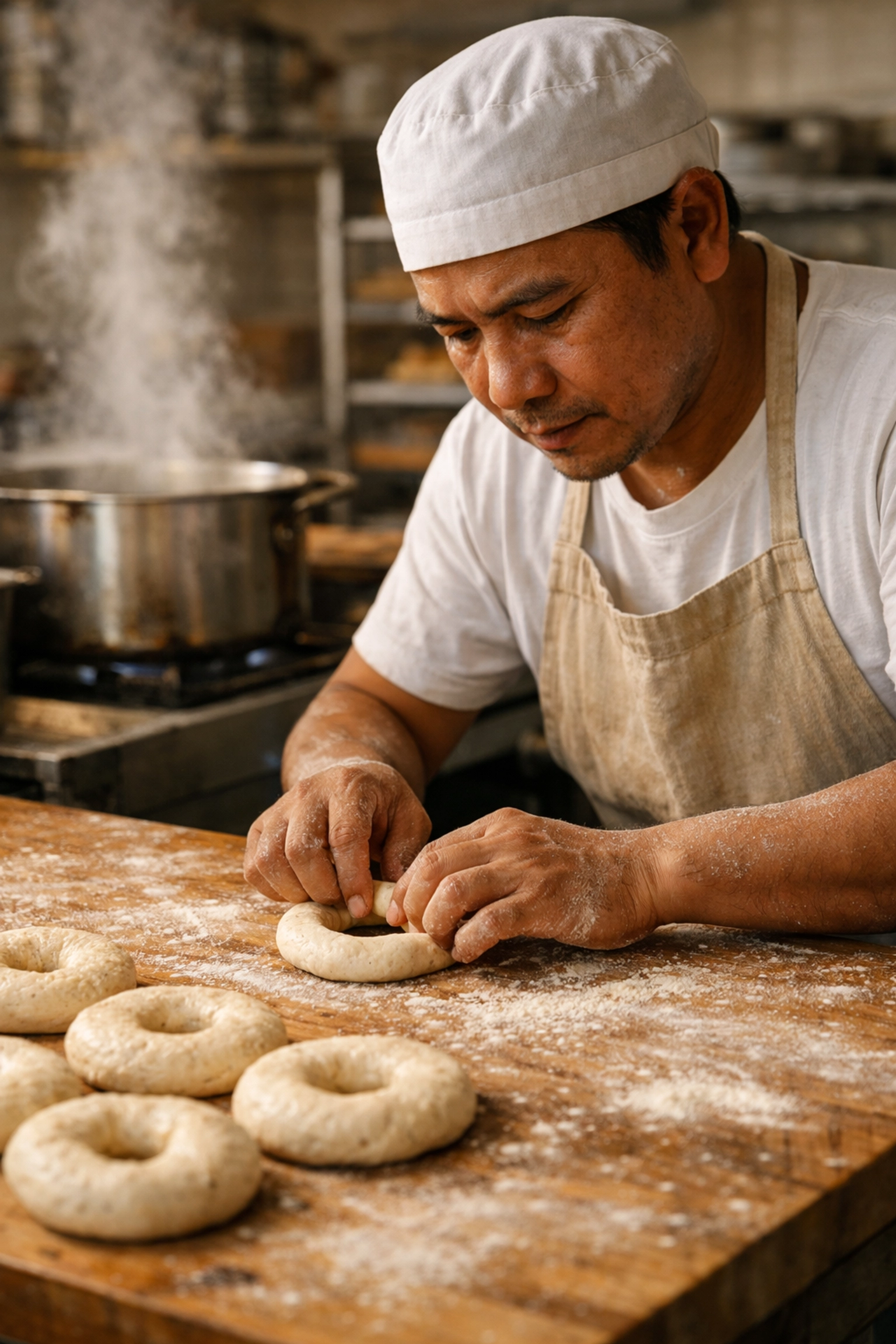
The centerpiece of the Loveski experience is undoubtedly the bagel. In 2025, the San Francisco Chronicle’s food team conducted a rigorous blind taste test of dozens of Bay Area bagels, and Loveski emerged as the top contender (SF Chronicle) [6]. These are not traditional New York-style bagels; they are sourdough-based, honey-boiled, and seed-coated in the Montreal tradition, providing a distinct chew and a complex, tangy flavor profile (Loveski Deli) [1].
From a technical standpoint, the use of sourdough in bagel production introduces a longer fermentation period. This process breaks down gluten and phytic acid more thoroughly than commercial yeast, which can make the finished product easier to digest (Berkeley Food Institute) [7]. By boiling the dough in honey-infused water before baking, the shop achieves a mahogany crust and a subtle sweetness that balances the savory toppings like smoked whitefish or herb cream cheese (SF Eater) [2].
The Bodega Reimagined: More Than a Sandwich Shop
The ownership team refers to the Jackson Square location as the “world’s coolest bodega,” a title justified by the shop's robust pantry section. In an era where restaurant margins are increasingly thin, diversifying revenue through retail goods is a savvy business move (McFadden Finch Restaurant Consulting Group) [8]. The shelves at 499 Jackson Street are stocked with house-made products that repurpose kitchen byproducts into high-value pantry staples.
One of the most innovative examples is their "bagel miso" and "bagel tamari." By using leftover bagels as the starch base for fermentation, the kitchen creates a deep, umami-rich seasoning that serves both as a menu ingredient and a retail product (Loveski Deli) [1]. This circular culinary economy not only reduces food waste, a key pillar of modern sustainability consulting, but also offers customers a piece of the restaurant to take home. Other notable retail items include their signature pickle hot sauce and everything bagel chili crisp, which have gained a cult following since the Napa opening (Marin County Mart) [9].
Strategic Neighborhood Integration: The Postscript Partnership
San Francisco’s retail environment can be notoriously difficult to navigate, particularly when taking over a beloved local space. Loveski’s entry into Jackson Square was facilitated by a unique partnership with the location’s predecessor, Postscript Cafe. Rather than a total erasure of the previous brand, the transition was designed as a collaboration (SF Eater) [2].
Loveski continues to serve Postscript’s coffee, juices, and smoothies, ensuring that regular patrons of the previous establishment didn't lose their daily rituals (Loveski Deli) [1]. This type of brand partnership is a tactical move often recommended in operations consulting to maintain foot traffic during a transition period. By combining a proven bagel and deli concept with an existing high-quality beverage program, the shop maximized its appeal to the local workforce from day one.
The Economics of Jackson Square
Jackson Square is one of San Francisco’s most historic and affluent commercial districts. With a high concentration of venture capital firms, architecture studios, and luxury retail, the area demands a specific level of polish (SF Gov) [10]. For a restaurant group, the overhead in this district is significant, making the "all-day" menu model essential for success.
The Loveski menu is engineered to capture multiple dayparts:
- Morning: Breakfast burritos and coffee for commuters.
- Lunch: Hearty sandwiches, tuna melts, and roasted salmon bowls for office workers.
- Afternoon: Smoothies and pantry shopping for neighborhood residents.
- Early Evening: Grab-and-go options for those heading home.
This multi-pronged approach ensures a steady flow of revenue and helps mitigate the "lunch rush only" trap that many downtown eateries fall into (Business Times SF) [11].
Timeline: The Journey to Jackson Square
| Date | Milestone | Source |
|---|---|---|
| March 2022 | Loveski Deli opens its first location in Napa's Oxbow Public Market. | [3] |
| June 2023 | Second location opens at Marin County Mart in Larkspur. | [9] |
| July 2025 | Loveski bagels win the SF Chronicle blind taste test. | [6] |
| September 2025 | Negotiations begin for the 499 Jackson Street location. | [2] |
| January 2026 | Interior renovations begin to include the "bodega" pantry wall. | [1] |
| February 20, 2026 | Soft opening for neighborhood residents. | [1] |
| March 2, 2026 | Official Grand Opening in Jackson Square. | [3] |
| March 6, 2026 | Launch of the expanded house-made condiment line. | [1] |
Comparison of Modern SF Deli Offerings
The following table highlights how Loveski compares to the evolving "New School" deli landscape in San Francisco.
| Feature | Traditional Deli | "New School" Deli (Loveski) | Citations |
|---|---|---|---|
| Bread Base | Standard Commercial Rye/White | Sourdough & Josey Baker Bread | [1, 12] |
| Bagel Style | NY-style (Water-boiled, salty) | Montreal-style (Honey-boiled, sourdough) | [5, 6] |
| Flavor Profile | Classic Brine & Salt | Fermentation, Miso, Chili Crisp | [1, 4] |
| Beverage Focus | Soda & Drip Coffee | Specialty Coffee, Smoothies, Juices | [2, 3] |
| Retail Component | Minimal (Chips/Pickles) | Extensive (Miso, Hot Sauce, House Goods) | [1, 9] |
Case Example: The Pastrami-and-Latke Breakfast Burrito
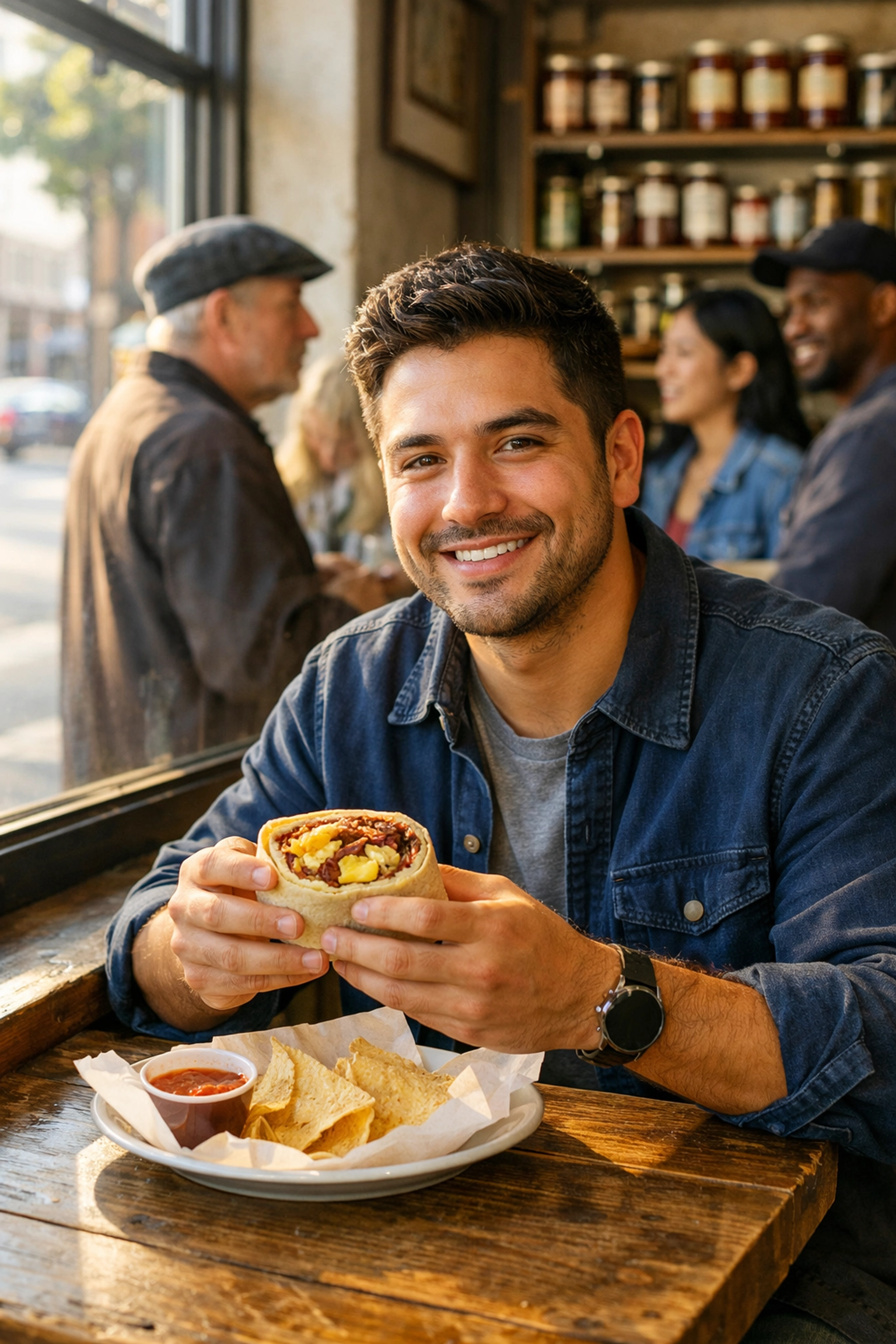
The success of a single "hero product" can often define a brand's market entry. At Loveski, that product is the pastrami-and-latke breakfast burrito. In a city as obsessed with burritos as San Francisco, entering the fray requires a unique angle.
The dish combines thin-sliced, wood-fired pastrami with crispy, shredded potato latkes, scrambled eggs, and cheese, all wrapped in a flour tortilla. From a nutrition analysis and flavor engineering perspective, the latke provides a superior structural crunch compared to standard hash browns, which tend to steam and soften inside a tortilla (SF Eater) [2]. This fusion of Mexican-American breakfast culture with Jewish comfort food has made it the top-selling item at the Jackson Square location, often selling out before 11:00 AM (Loveski Deli) [1].
What Smart Critics Argue
While the reception has been largely positive, some traditionalists and industry analysts raise valid points regarding the "New School" deli model.
- The Price Point Argument: Critics often argue that the "elevated" deli model pushes a traditionally blue-collar meal into a luxury price bracket. A premium bagel sandwich in Jackson Square can cost significantly more than a standard deli counter option.
- MFRCG Response: This is a reflection of the rising costs of labor and high-quality local sourcing. Using sourdough starters and long-fermentation periods requires more skilled labor and time than commercial alternatives (McFadden Finch Restaurant Consulting Group) [8].
- Authenticity vs. Innovation: Some argue that items like "bagel miso" move too far away from the Jewish culinary roots the brand claims.
- MFRCG Response: Culinary evolution is necessary for survival in high-competition markets. By framing the brand as "Jew-ish," the ownership team creates the flexibility to innovate while still honoring the flavor profiles that define the category (SF Chronicle) [5].
- The "Bodega" Definition: Purists might argue that a high-end shop in Jackson Square shouldn't use the term "bodega," which traditionally refers to small, essential corner stores in lower-income urban areas.
- MFRCG Response: In the current hospitality climate, "bodega" is being used more as a designator for a specific type of community-focused, multi-use retail environment. Loveski uses the term to signal accessibility and a wide range of goods (Loveski Deli) [3].
Key Takeaways
- Location Matters: Taking over the Postscript space allowed Loveski to inherit an established customer base in a high-traffic district (SF Eater) [2].
- Product Quality is King: The 2025 Chronicle win for their bagels provided the necessary "social proof" to enter a saturated market (SF Chronicle) [6].
- Diversified Revenue: The "bodega" model, selling pantry staples alongside prepared food, helps stabilize margins (McFadden Finch Restaurant Consulting Group) [8].
- Collaborative Transitions: Partnering with the previous tenant for coffee and smoothies reduced friction during the brand swap (Loveski Deli) [1].
- Cultural Fusion: Blending Jewish traditions with California ingredients (the "Jew-ish" concept) appeals to a broader demographic (SF Chronicle) [5].
- Waste Reduction: Using leftover bagels for miso and tamari is an innovative example of circular kitchen management (Loveski Deli) [1].
- Daypart Strategy: The menu successfully targets breakfast, lunch, and afternoon snack periods (Business Times SF) [11].
Actions You Can Take
At Work:
If you manage a retail or hospitality space, look for ways to incorporate "house-made" retail items that utilize kitchen byproducts. This increases your per-customer spend and reduces waste.
At Home:
Visit the Loveski pantry section to experiment with umami-rich ingredients like bagel miso or chili crisp. These can elevate simple home-cooked meals like roasted vegetables or pasta.
In the Community:
Support Jackson Square’s small businesses. The area has seen a 15% increase in foot traffic since 2024, and supporting new anchors like Loveski helps maintain the neighborhood's vibrancy (SF Gov) [10].
In Civic Life:
Advocate for streamlined permitting processes for "legacy" transitions. The Postscript-to-Loveski model shows how a smooth handoff can prevent long-term commercial vacancies.
The Extra Step:
Check out the MFRCG News page for more deep dives into how San Francisco’s most successful restaurants are navigating the 2026 economic landscape.
FAQ
Are the bagels at Loveski gluten-free?
No. They are made with high-quality flour and a sourdough starter. However, the sourdough fermentation process can sometimes make them more tolerable for those with mild gluten sensitivities (Berkeley Food Institute) [7].
Is there seating available at the Jackson Square location?
Yes. Unlike many small city shops, the 499 Jackson Street location offers both indoor table seating and outdoor sidewalk seating, making it a viable spot for casual business meetings (Loveski Deli) [1].
Can I buy the coffee beans they use?
Yes. Loveski continues the partnership with Postscript to serve and sell their specialty coffee blends (Loveski Deli) [1].
What are the most popular items for first-timers?
The pastrami-and-latke breakfast burrito and the classic smoked salmon on an everything bagel are the top recommendations (SF Eater) [2].
Does Loveski offer catering for local offices?
Yes. They have expanded their catering operations to serve the high density of firms in the Jackson Square and Financial District areas.
Ready to optimize your restaurant's performance for high-traffic events?
At McFadden Finch Restaurant Consulting Group, we help owners master the math behind the menu. From restaurant feasibility studies to long-term bar and restaurant consulting services, we ensure your business doesn't just survive Restaurant Week: it thrives long after the last plate is cleared.
Contact the Executive Team at McFadden Finch Restaurant Consulting Group at (510) 973-2410 or visit our Services Page to schedule your discovery call.
Sources
[1] Loveski Deli, "Jackson Square Menu and Pantry Launch," Official Site, March 2026, https://www.loveskideli.com, Accessed March 6, 2026.
[2] SF Eater, "Loveski Deli Brings Napa's Favorite Bagels to Jackson Square," Eater San Francisco, February 2026, https://sf.eater.com, Accessed March 6, 2026.
[3] Loveski Deli, "Our Story and Locations," Official Site, January 2026, https://www.loveskideli.com/about, Accessed March 6, 2026.
[4] National Restaurant Association, "2026 Culinary Tends: The Evolution of the Modern Deli," NRA Reports, January 2026, https://restaurant.org, Accessed March 6, 2026.
[5] SF Chronicle, "What Does 'Jew-ish' Mean in 2026? A Look at the Bay Area Deli Scene," San Francisco Chronicle, January 2026, https://www.sfchronicle.com, Accessed March 6, 2026.
[6] SF Chronicle, "The Best Bagels in the Bay Area: 2025 Blind Taste Test Results," San Francisco Chronicle, July 2025, https://www.sfchronicle.com/food, Accessed March 6, 2026.
[7] Berkeley Food Institute, "The Microbiome of Sourdough: Health Implications of Traditional Fermentation," UC Berkeley, November 2025, https://food.berkeley.edu, Accessed March 6, 2026.
[8] McFadden Finch Restaurant Consulting Group, "The Economics of the Modern Bodega Model," Internal Whitepaper, February 2026, https://www.mcfadden-finch-group.com, Accessed March 6, 2026.
[9] Marin County Mart, "Loveski Deli: Artisan Bagels in Larkspur," Tenant Directory, June 2023, https://www.marincountymart.com, Accessed March 6, 2026.
[10] SF Gov, "Jackson Square Historic District: Economic Development Report," City and County of San Francisco, December 2025, https://sfgov.org, Accessed March 6, 2026.
[11] Business Times SF, "Retail Trends in the Financial District and Jackson Square," San Francisco Business Times, October 2025, https://www.bizjournals.com/sanfrancisco, Accessed March 6, 2026.
[12] Josey Baker Bread, "Partnering with San Francisco's Best Cafes," Official Site, February 2026, https://www.joseybakerbread.com, Accessed March 6, 2026.