The Real Work Behind Restaurant Consulting
Most restaurant owners know something's wrong. Sales look decent, but the bank account tells a different story. Staff turnover is constant. The kitchen runs hot and messy. You're working 70-hour weeks and still falling behind.
That's where restaurant consulting firms come in. Not to tell you what you already know, but to dig into the numbers, the people, and the systems that are quietly bleeding your business dry.
This post breaks down what restaurant consulting actually looks like when it's done right. No fluff. Just the work.
Quick Diagnosis Checklist
Before hiring anyone, ask yourself these questions:
- Do you know your actual food cost percentage (not the one on paper)?
- Can you explain why labor costs spike on certain days?
- Is there a documented system for opening, closing, and shift changes?
- Do you have recipe cards with accurate portion costs?
- Are you tracking waste daily, or guessing?
- Does your team know what "on time" means for prep and service?
If you checked fewer than four boxes, there's room to tighten up. That's not a failure, it's an opportunity.

What Restaurant Consulting Firms Actually Fix
Margins: Where the Money Leaks
Profit margins in restaurants are thin. Most operators run between 3-9% net profit. One bad month can wipe out a quarter of gains.
Restaurant consulting firms focus on:
- Food costing and recipe documentation. Every dish gets a cost breakdown. Every ingredient gets tracked. No more guessing.
- Menu engineering. Which items sell? Which items actually make money? These are often two different lists. Consultants analyze both and rebuild menus around margin, not ego.
- Supplier evaluation. Are you paying too much for proteins? Is your broadline distributor the right fit? Consultants benchmark pricing and renegotiate contracts.
- Waste tracking systems. Spoilage, over-portioning, and theft add up fast. A proper waste log, reviewed daily, changes behavior.
The goal: know exactly where every dollar goes. Then plug the leaks.
For more on managing costs, see our breakdown on how restaurant consultants lower prime cost.
Labor: The Hardest Line to Control
Labor is usually the biggest expense, and the hardest to manage. It's not just about cutting hours. It's about getting the right people in the right positions at the right times.
Restaurant consulting firms address labor through:
- Staffing models. How many cooks do you actually need at 5pm on a Friday? Consultants build schedules based on sales data, not gut feel.
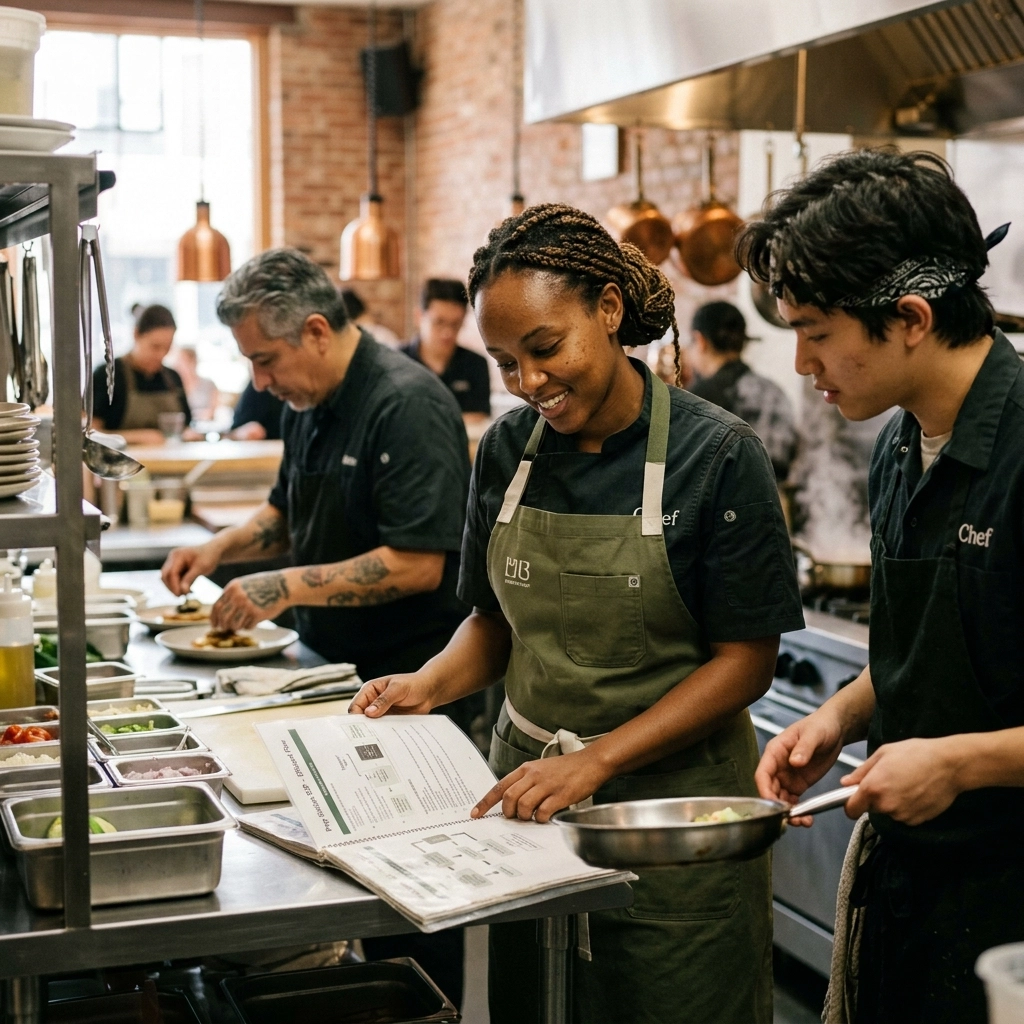
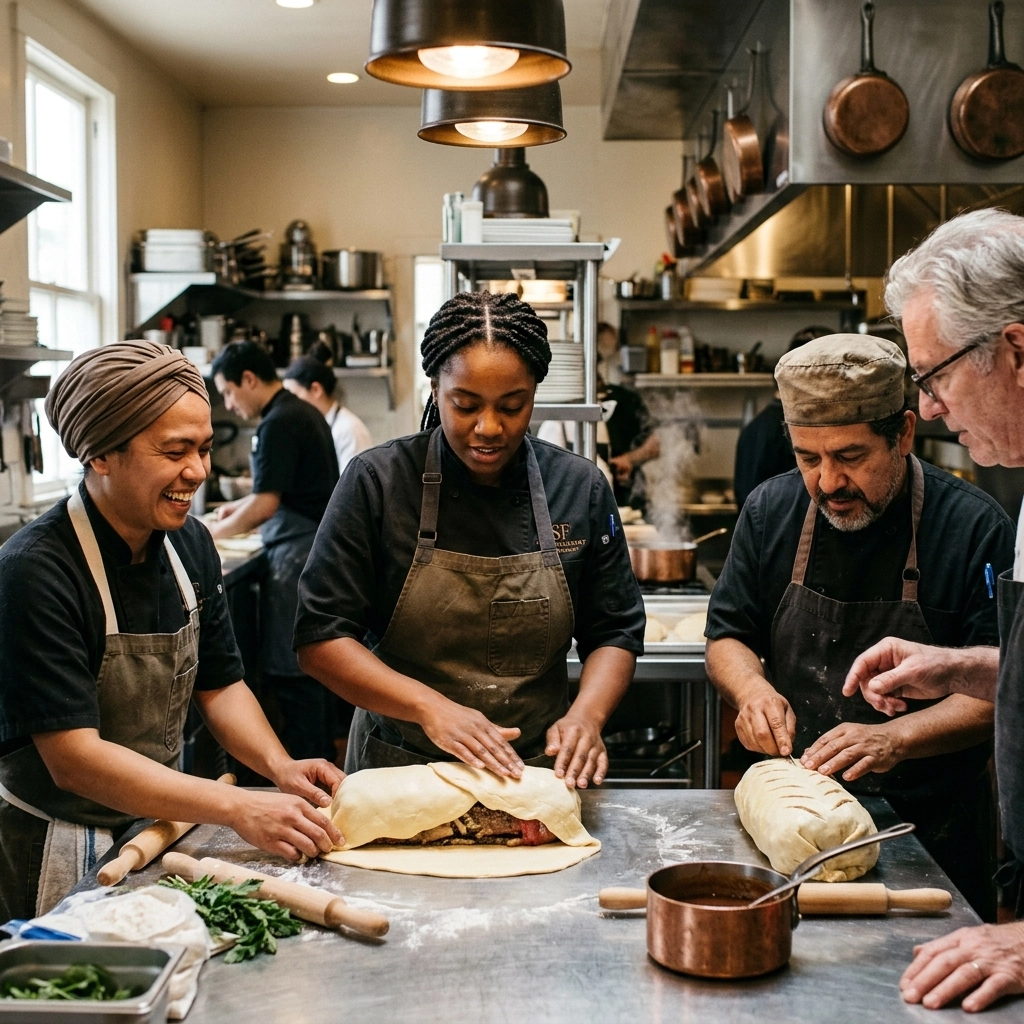
- Hiring and training programs. Consistent onboarding means faster ramp-up and lower turnover. Documented training standards keep quality steady across shifts.
- Management recruitment and development. Weak managers create weak teams. Consultants help identify leadership gaps and build bench strength.
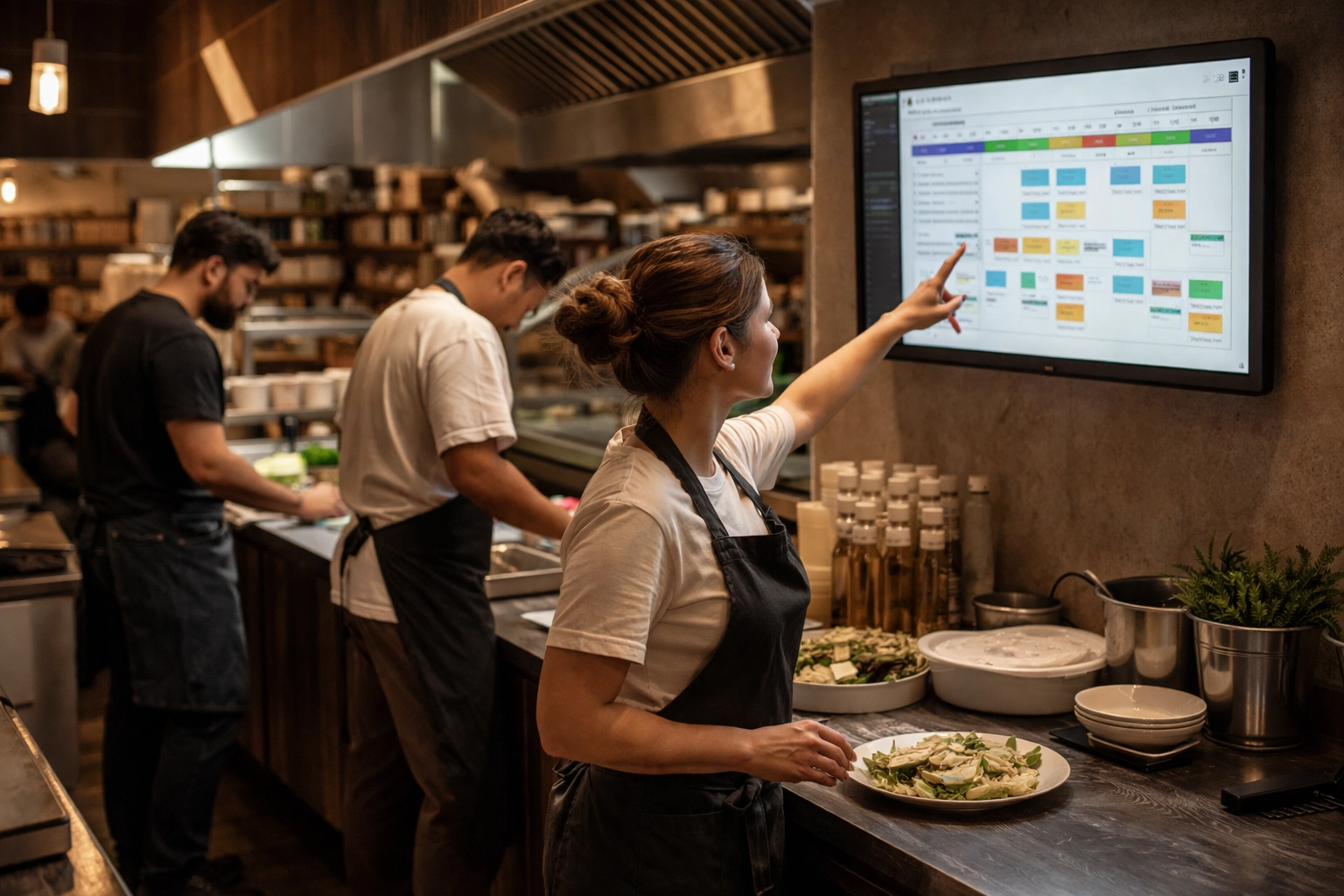
- Technology integration. Scheduling software, kitchen display systems, and labor dashboards reduce manual work and improve accountability.
The goal: a team that knows what to do, when to do it, and why it matters.
Operations: The Systems That Hold Everything Together
Operations is where food and labor meet reality. Without systems, every shift is improvised. With systems, the restaurant runs the same whether you're there or not.
Restaurant consulting firms build and fix:
- Standard operating procedures (SOPs). Opening checklists. Closing duties. Cleaning schedules. Line setups. Every task documented and assigned.
- Inventory management. Weekly counts. Par levels. Order guides. No more emergency runs to the store.
- Health and safety audits. Temperature logs. Sanitation standards. Code compliance. Consultants catch problems before inspectors do.
- Kitchen workflow and design. Is your station layout slowing down the line? Are tickets backing up because of poor equipment placement? Consultants map flow and fix bottlenecks.
For operators building or renovating, our kitchen and bar design consulting service addresses layout from day one.
The goal: a restaurant that runs on systems, not on you.
Common Mistakes Restaurant Owners Make
Even smart operators fall into these traps:
1. Focusing only on revenue.
Sales up 10%? Great. But if costs rose 15%, you're worse off. Consulting firms look at the full picture, top line and bottom line.
2. Cutting labor too deep.
Understaffing saves money short-term. Long-term, it burns out staff, slows service, and tanks reviews. The fix is smarter scheduling, not fewer people.
3. Ignoring the menu.
That signature dish you love? It might be losing money on every plate. Sentiment doesn't pay bills. Data does.
4. Skipping documentation.
If the process lives in your head, it dies when you're not there. Written systems scale. Tribal knowledge doesn't.
5. Waiting too long to get help.
Most owners call a consultant after the crisis hits. The best time to fix margins, labor, and operations is before things break.
For a deeper look at why turnarounds stall, read our post on restaurant turnaround secrets.
What We Do for Clients
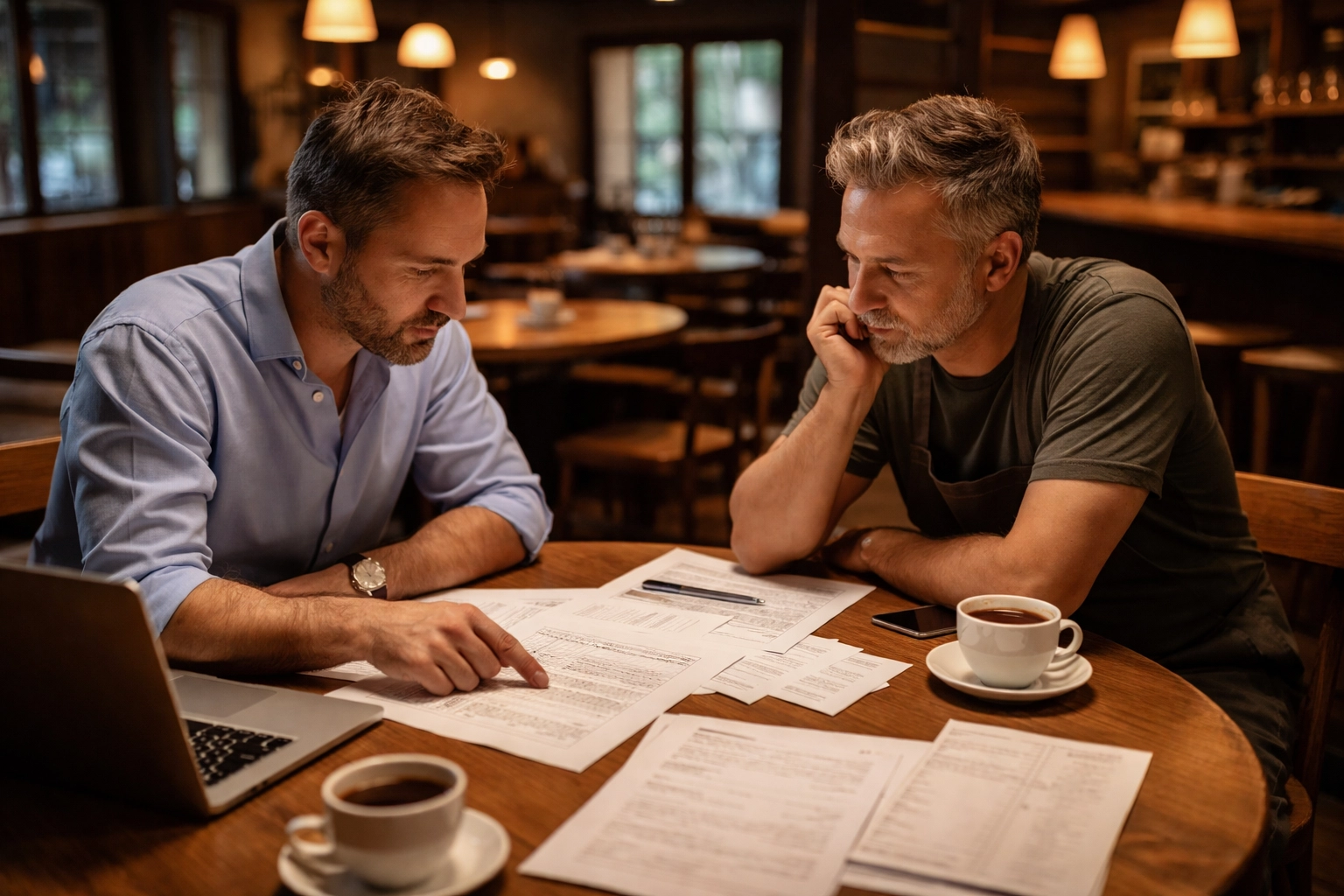
At McFadden Finch Restaurant Consulting Group, we bridge the gap between the food and the numbers.
Our approach:
- Operational assessments. We walk your floor, review your books, and identify gaps.
- Financial modeling. We build projections tied to real data, not wishful thinking.
- Menu and recipe engineering. We cost every item and redesign for margin.
- Labor optimization. We analyze schedules, restructure shifts, and train managers.
- SOP development. We document processes so your team can execute without you.
- Turnaround support. For restaurants in trouble, we stabilize operations and rebuild from the inside out.
We work with independent operators, multi-unit groups, food trucks, and concepts in development. Every engagement is tailored to where you are and where you're trying to go.
Explore our full services page to see how we can help.
Frequently Asked Questions
What do restaurant consulting firms charge?
Fees vary by scope. Some firms charge hourly. Others work on project-based or retainer models. Expect to invest based on the complexity of your operation and the depth of work needed.
How long does a consulting engagement last?
Short engagements (menu audit, SOP review) may take 2-4 weeks. Full operational overhauls or turnarounds can run 3-6 months or longer.
Can consultants help new restaurants?
Yes. Feasibility studies, business plans, kitchen design, and pre-opening support are common services. Starting with the right systems costs less than fixing broken ones later. See our business plan services for more.
What if my restaurant is already profitable?
Even healthy restaurants leave money on the table. Consulting firms identify hidden inefficiencies and help scale what's working.
Do I need to be on-site during the engagement?
Involvement helps, but good consultants work around your schedule. Most work includes a mix of on-site visits and remote analysis.
Next Steps
If margins are tight, labor is unstable, or operations feel chaotic: it's time to talk.
Contact McFadden Finch Restaurant Consulting Group to schedule a consultation.
McFadden Finch Restaurant Consulting Group
Business Consulting for Restaurants, Bars, and Food Service Operations
© 2026 McFadden Finch Restaurant Consulting Group. All rights reserved.
#restaurantconsulting #restaurantconsultingfirms #restaurantoperations #restaurantmargins #foodserviceconsulting