This analysis references reporting by Maria Lawson and Jeremy C. Owens, San Francisco Business Times, published January 1, 2026.
Bakery chain Sprinkles Cupcakes closed all locations nationwide on New Year's Eve 2025, including Bay Area stores in Palo Alto and San Ramon. The abrupt shutdown eliminates over two decades of brand presence and provides critical lessons for restaurant operators about business sustainability, market transitions, and post-acquisition risks.
The Sprinkles Timeline: From Innovation to Closure
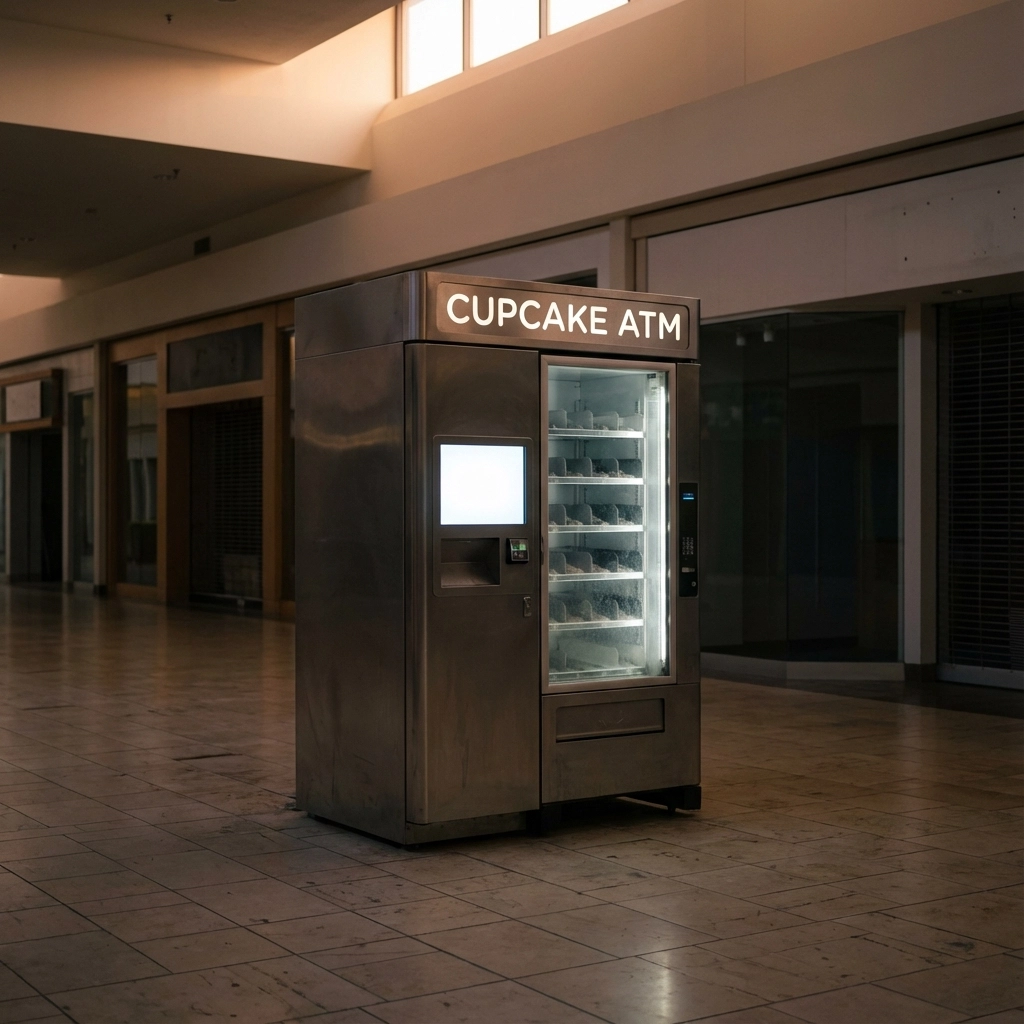
Celebrity baker Candace Nelson launched Sprinkles in Beverly Hills in 2005, pioneering the premium cupcake market. The company expanded throughout California and nationwide, introducing cupcake ATMs in 2012 during peak cupcake popularity.
Nelson sold Sprinkles to a private equity firm in 2012. She later founded Pizzana pizza restaurants in 2017, produced the Hulu competition show "Best in Dough," and authored "Sweet Success: A Simple Recipe to Turn your Passion into Profit."
The closure announcement came via Nelson's December 31 Instagram Reel, where she expressed shock at the outcome. "Even though I sold the company over a decade ago, I still have such personal connection to it, and this isn't how I thought the story would go," Nelson stated.
Critical Business Lessons from Sprinkles' Shutdown
Trend-Dependent Concepts Face Sustainability Challenges
Sprinkles capitalized on the cupcake craze of the early 2000s. While this positioning drove initial success, trend-based restaurant concepts face inherent vulnerabilities when consumer preferences shift.
Restaurant operators should evaluate concept longevity beyond current market enthusiasm. Sustainable businesses adapt core offerings while maintaining brand identity rather than depending entirely on trending products.
Post-Sale Brand Control Risks
Nelson's sale to private equity created operational distance between founder vision and business execution. Private equity ownership typically prioritizes financial returns over brand legacy, potentially compromising long-term sustainability decisions.
Operators considering acquisition offers must evaluate buyer alignment with brand values and operational philosophy. Sale structures should include founder input mechanisms for strategic decisions affecting concept direction.

Warning Signs Restaurant Owners Should Monitor
Market Saturation Indicators
The cupcake market experienced rapid expansion followed by consolidation as consumer interest declined. Similar patterns affect other food trends including frozen yogurt, juice bars, and specialty coffee concepts.
Monitor competitor closure rates, declining same-store sales across category leaders, and reduced consumer search volume for concept-specific terms. These signals indicate market maturation requiring strategic pivots.
Operational Performance Metrics
Track these financial indicators monthly:
- Prime cost percentages exceeding 65% of revenue
- Declining customer frequency metrics
- Increasing customer acquisition costs
- Negative unit-level economics in mature locations
Brand Relevance Assessment
Evaluate concept positioning through customer feedback analysis, social media engagement rates, and competitive differentiation strength. Declining brand relevance often precedes financial distress by 12-18 months.
Strategic Steps for Concept Longevity
Diversification Planning
Develop menu extensions or service additions that complement core offerings without diluting brand identity. Sprinkles could have expanded into related bakery categories or event catering services to reduce cupcake dependency.
Operational Efficiency Systems
Implement cost management systems that maintain profitability during revenue fluctuations. Focus on labor optimization, supplier negotiations, and technology integration to improve unit economics.
Market Position Evolution
Create brand evolution plans that anticipate consumer preference changes. Successful restaurant concepts adapt offerings while preserving core customer value propositions.
Private Equity Acquisition Considerations
Due Diligence Requirements
Evaluate buyer operational experience in restaurant segments, portfolio company performance history, and capital availability for concept investment. Request references from previous restaurant acquisitions.
Deal Structure Protection
Include founder advisory roles, brand standard maintenance requirements, and performance benchmarks in sale agreements. Establish approval processes for major operational changes affecting concept integrity.
Restaurant Turnaround Strategies
When facing performance challenges similar to Sprinkles' situation, implement systematic restaurant turnaround approaches:
Immediate Actions (30 Days)
- Conduct comprehensive cost analysis
- Evaluate menu profitability by item
- Assess staffing efficiency levels
- Review supplier contract terms
Medium-term Adjustments (90 Days)
- Test menu modifications with customer feedback
- Implement operational efficiency improvements
- Develop marketing campaign updates
- Negotiate lease or vendor term improvements
Long-term Positioning (6-12 Months)
- Execute concept refresh initiatives
- Explore revenue diversification options
- Evaluate location portfolio optimization
- Consider strategic partnership opportunities

Bay Area Market Impact
The closure of Sprinkles locations in Palo Alto and San Ramon removes established bakery options from Peninsula and East Bay markets. This creates opportunities for independent operators to capture displaced customer demand through positioning strategies that address market gaps.
Local restaurant operators should analyze Sprinkles' former customer base preferences and develop targeted marketing approaches for concept differentiation.
Industry-Wide Implications
Sprinkles' shutdown reflects broader challenges in specialty food retail, including rising commercial rents, labor cost pressures, and changing consumer spending patterns. Similar concept vulnerabilities exist across restaurant categories dependent on specific product focuses rather than diversified offerings.
Successful operators must balance concept clarity with operational flexibility to navigate market evolution while maintaining brand authenticity.
Frequently Asked Questions
What caused Sprinkles to close all locations?
Specific closure reasons were not disclosed. The shutdown occurred under private equity ownership, suggesting financial performance issues requiring immediate operational cessation.
Could Sprinkles have avoided closure through different strategies?
Potential prevention strategies include menu diversification, operational cost reduction, and market repositioning initiatives. However, without access to internal financial data, specific viability assessments remain speculative.
How should restaurant owners prepare for similar market changes?
Implement regular business plan reviews, maintain operational flexibility, and develop contingency strategies for concept evolution or market exit scenarios.
What role did private equity ownership play in the closure?
Private equity firms prioritize financial returns and may make closure decisions when turnaround costs exceed expected recovery potential. Founder ownership typically provides longer-term perspective for brand preservation efforts.
Actionable Summary
Restaurant operators should evaluate concept sustainability beyond current market trends, maintain operational flexibility for market changes, and carefully consider post-acquisition risks when exploring sale opportunities.
Implement regular performance monitoring systems, develop diversification strategies, and maintain cost management discipline to navigate market evolution successfully.
The Sprinkles closure demonstrates the importance of balancing concept innovation with sustainable business fundamentals across changing market conditions.
Ready to evaluate your restaurant's market position and operational resilience? Our restaurant consulting team provides comprehensive business health assessments and strategic planning services to help operators navigate market challenges successfully.
Contact McFadden Finch Restaurant Consulting Group for a confidential business review, or download our Restaurant Resilience Guide for immediate planning resources.