Based on reporting by Madeline Wells, Senior Food Reporter, SFGATE (January 5, 2026)
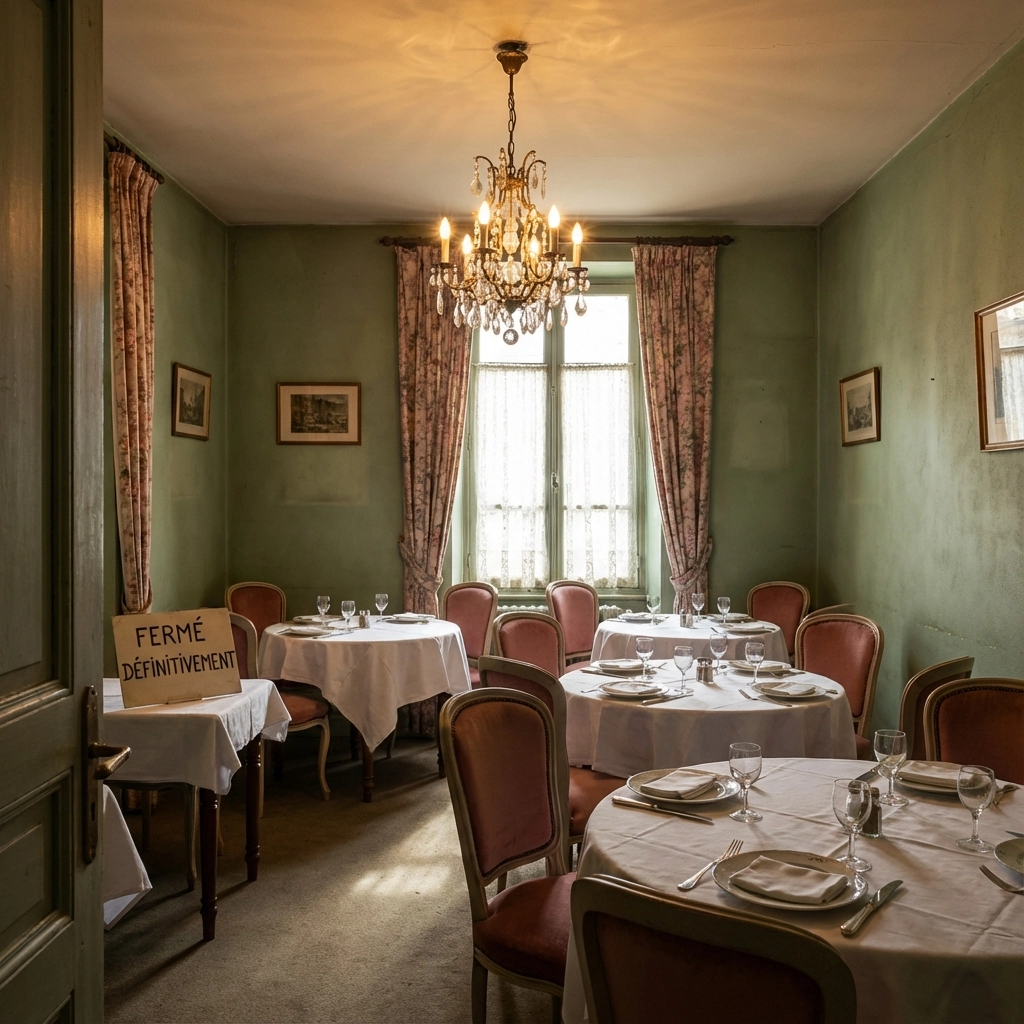
After 46 years of hand-whisked soufflés and unchanged tradition, San Francisco lost one of its most singular dining institutions when Cafe Jacqueline permanently closed on December 20, 2025. The North Beach landmark's closure marks more than just another restaurant shuttering: it represents the end of an irreplaceable culinary legacy and highlights critical challenges facing independent restaurant owners across the country.
The End of an Era in North Beach
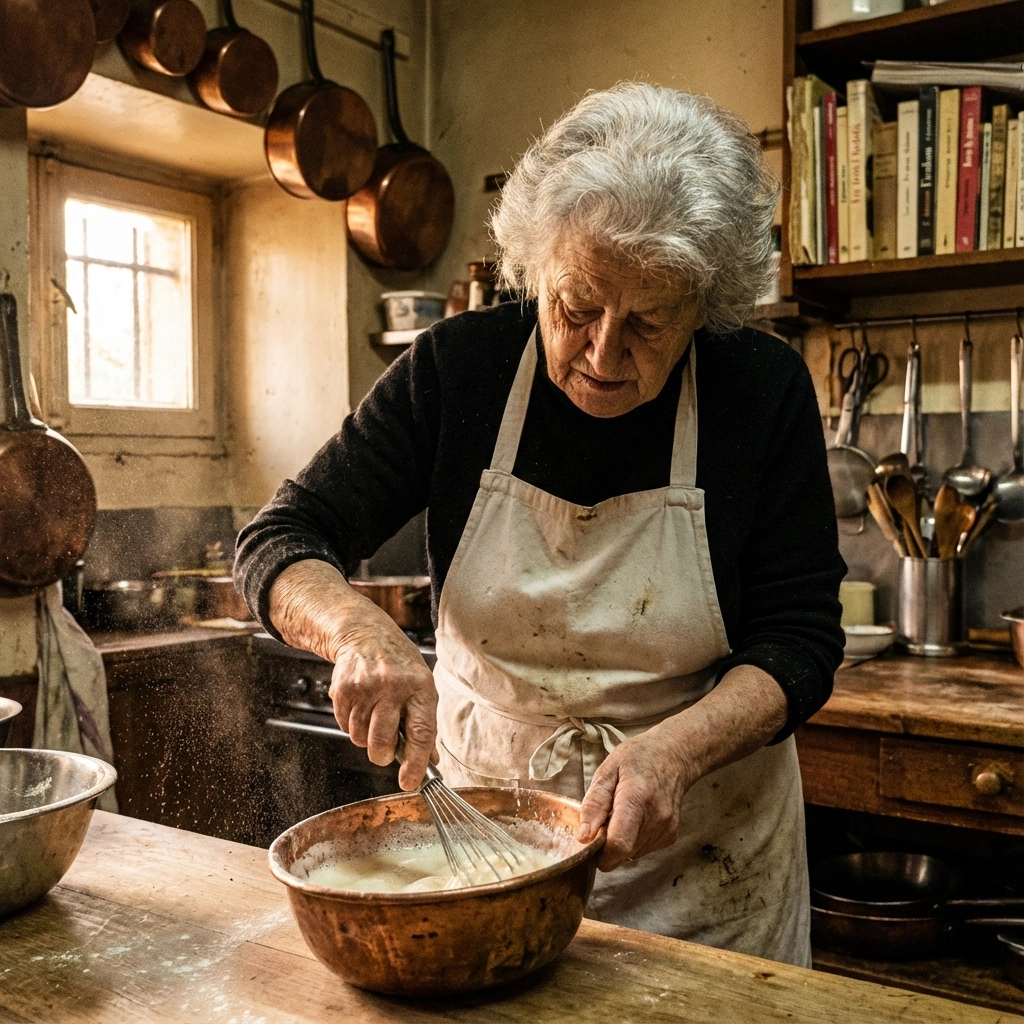
Chef-owner Jacqueline Margulis, now in her late 80s, built something unprecedented in American dining: the only restaurant in the United States dedicated entirely to soufflés. For nearly five decades, she personally hand-whisked every savory and sweet soufflé that left her kitchen, from prosciutto and mushroom combinations to seasonal fresh fruit desserts.
The restaurant's real estate at 1454 Grant Avenue is now listed for $361,000, but what cannot be purchased is the decades of expertise, customer relationships, and cultural significance that Margulis cultivated. As San Francisco Chronicle food critic Cesar Hernandez noted in 2024, "There are no other restaurants like Cafe Jacqueline in San Francisco, or the Bay Area, and there will likely never be another like it."
What Makes a Restaurant Irreplaceable
Cafe Jacqueline's closure illuminates what the restaurant industry loses when owner-operated establishments fail to plan for succession. Unlike chain restaurants or corporate-backed ventures, truly independent establishments often embody the vision, skills, and personal commitment of a single individual.
The Personal Touch Factor
Margulis operated without modern conveniences that most restaurants consider essential. No website, no social media presence, no digital reservation system. Instead, she relied on word-of-mouth reputation and the quality of her craft. Her head waiter had worked there since 1994, and her assistant chef had been with her for nearly four decades: institutional knowledge that walked out the door with the closure.
The Craft Knowledge Gap
The specific techniques for running a soufflé-focused restaurant cannot be easily transferred. Each dish required 45 minutes to an hour because Margulis made them to order using methods refined over decades. This approach defied modern restaurant economics focused on speed and volume, yet it created an experience that drew diners from around the world.
The Business Reality Behind Restaurant Legacies
For restaurant consulting firms working with independent operators, Cafe Jacqueline's story illustrates common challenges facing aging restaurant owners:
Succession Planning Failures
Most independent restaurant owners fail to develop viable succession plans. When the founder's physical ability or desire to continue diminishes, the business often closes rather than transitions to new management. This pattern repeats across the industry, from family-owned neighborhood spots to celebrated destination restaurants.
Physical Demands of Owner-Operated Models
Margulis broke her arm in early 2024, forcing a two-month temporary closure. The incident highlighted how single-owner operations become vulnerable when the owner can no longer perform essential functions. Many restaurant owners work well into their 70s and 80s without developing systems that could operate independently.
Cultural Value vs. Financial Reality
Restaurants like Cafe Jacqueline provide immeasurable cultural value but often struggle with the financial pressures of modern urban real estate. The $361,000 listing price reflects North Beach property values, not the restaurant's cultural contribution to the neighborhood.
What Restaurant Owners Can Learn
The closure offers important lessons for current restaurant operators, particularly those building businesses around personal expertise and vision.
Document Your Processes
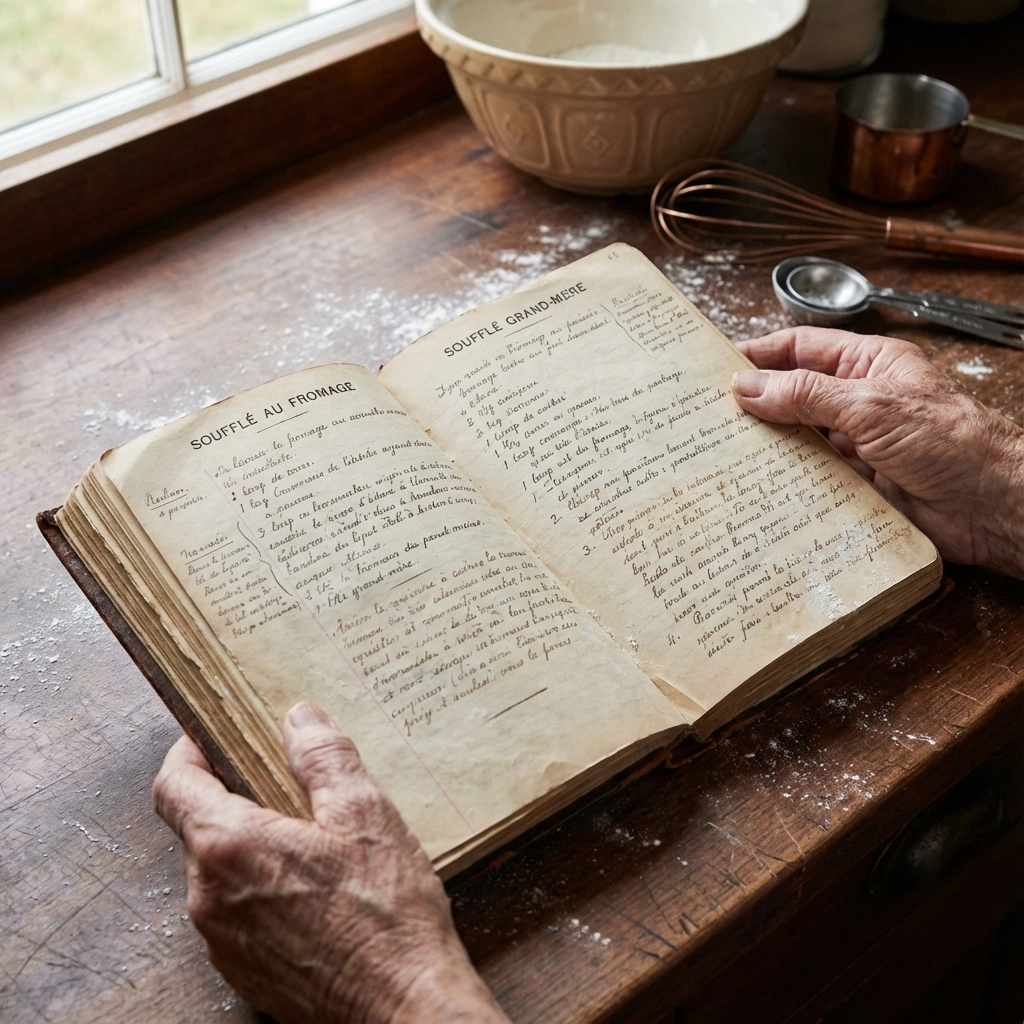
Unlike corporate restaurants with standardized procedures, many independent operators keep critical knowledge in their heads. Successful succession requires documenting recipes, techniques, supplier relationships, and operational systems that others could potentially learn and implement.
Build Transferable Systems
While Margulis's hand-whisking technique may have been irreplaceable, other aspects of restaurant operations can be systematized. Training programs, supplier relationships, and customer service protocols can be developed to survive ownership transitions.
Plan for Physical Limitations
Restaurant work is physically demanding. Owners should anticipate how aging or injury might affect their ability to maintain quality and develop contingency plans before health issues force sudden decisions.
The Role of Restaurant Consulting in Preservation
Professional restaurant consulting firms can help independent operators address succession challenges before they become insurmountable. Restaurant turnaround specialists work with aging owners to evaluate options for continuing operations, whether through family succession, employee buyouts, or strategic partnerships.
Succession Planning Services
Effective succession planning begins years before an owner intends to retire. Consultants help identify potential successors, document operational knowledge, and structure financial transitions that preserve the restaurant's character while ensuring new owners can operate successfully.
Operational Assessment
Many owner-operated restaurants could benefit from operational improvements that reduce dependence on the founder's personal involvement. Business plan development can help identify which aspects of the operation require the owner's direct involvement and which could be delegated or systematized.
Market Positioning Analysis
Restaurants built around unique concepts like Cafe Jacqueline's soufflé focus may need strategic repositioning to attract successors or investors. Professional analysis can determine whether the concept remains viable under new ownership or requires adaptation for current market conditions.
The Broader Cultural Impact
When restaurants like Cafe Jacqueline close, cities lose more than dining options. They lose gathering places that contribute to neighborhood character and cultural continuity. North Beach has already seen significant changes over recent decades, and each closure of a longtime establishment shifts the area's identity.
Neighborhood Anchors
Long-established restaurants serve as anchors for neighborhood identity. They provide consistency in rapidly changing urban environments and serve as informal community centers where residents and visitors connect with local culture.
Cultural Knowledge Loss
Restaurants preserve and transmit culinary traditions that might otherwise disappear. Cafe Jacqueline's closure means the loss of specific knowledge about operating a soufflé restaurant in an American context: knowledge that took decades to develop and refine.
Moving Forward: Lessons for the Industry
The restaurant industry must grapple with how to preserve valuable independent establishments while acknowledging the realities of business succession and economic pressures.
Early Intervention
Restaurant consulting firms and industry organizations should prioritize working with aging restaurant owners before succession becomes urgent. Proactive planning allows more options and better outcomes than crisis-driven decisions.
Alternative Ownership Models
Some successful transitions involve creative ownership structures that preserve the restaurant's character while providing financial sustainability. Employee cooperatives, community ownership, or mentorship-based succession can sometimes bridge the gap between founder vision and operational continuity.
Community Support Systems
Cities and neighborhoods increasingly recognize the value of supporting independent restaurants through policy initiatives, grant programs, and community investment that helps preserve cultural institutions.
Frequently Asked Questions
Q: How common are restaurant closures due to succession issues?
A: Industry data suggests that over 60% of family-owned restaurants close when the founder retires, primarily due to lack of succession planning.
Q: What should restaurant owners do if they're approaching retirement?
A: Begin succession planning at least 3-5 years before intended retirement. This includes documenting operations, training potential successors, and consulting with restaurant business specialists.
Q: Can the unique character of a restaurant like Cafe Jacqueline be preserved under new ownership?
A: With proper planning and the right successor, core elements can be maintained, though some personal touches may inevitably change with new management.
Q: What role do restaurant consultants play in succession planning?
A: Consultants help evaluate succession options, develop transition plans, document operational knowledge, and structure deals that work for both outgoing and incoming owners.
The Last Service
Cafe Jacqueline's final soufflé represents the end of a unique chapter in San Francisco's dining history. While the restaurant's closure is a loss for the city's culinary landscape, it serves as a reminder of the importance of planning for the future of valuable independent establishments.
Restaurant owners who recognize the irreplaceable nature of what they've built should begin succession planning early, work with qualified consultants to explore their options, and consider the broader impact their decisions will have on their communities. The goal should be ensuring that today's restaurant legacies don't become tomorrow's "what we lost" stories.
For restaurant owners facing similar challenges or looking to build sustainable operations that can outlast their personal involvement, professional guidance can make the difference between a successful transition and another closure that diminishes our culinary landscape.
Ready to discuss your restaurant's future? Contact McFadden Finch Restaurant Consulting Group to explore succession planning and operational sustainability strategies tailored to your unique situation.