This analysis is based on reporting by Heather Haddon.
A $500 dinner for four at a high-end steakhouse generates approximately $25 in profit. This 5% margin reflects the challenging economics facing steakhouse operators across the country, from Chicago to the Bay Area.
Restaurant operators understand that margins are thin, but the specific numbers from leading steakhouses reveal just how extreme the pressure has become. Rising beef costs, labor expenses, and operational overhead have compressed profitability to razor-thin levels.
The Numbers Behind Steakhouse Economics
Wholesale costs for beef destined for steak filets have increased 67% from pre-pandemic levels according to federal data. This dramatic increase directly impacts every steakhouse operation.
At Gibsons Restaurant Group in Chicago, a 13-ounce New York strip steak costs approximately $25 wholesale and sells for $70. The same cut cost around $16 in 2019. To maintain pre-pandemic profit margins, Gibsons would need to charge $89 for that steak today.
The math creates an immediate challenge. Steakhouses typically aim to keep ingredient costs at 35% of menu price. Prime steaks now regularly hit 50% of their selling price, forcing operators to subsidize these losses with higher-margin items.
Case Studies in Margin Pressure
Kindling Downtown Cookout & Cocktails
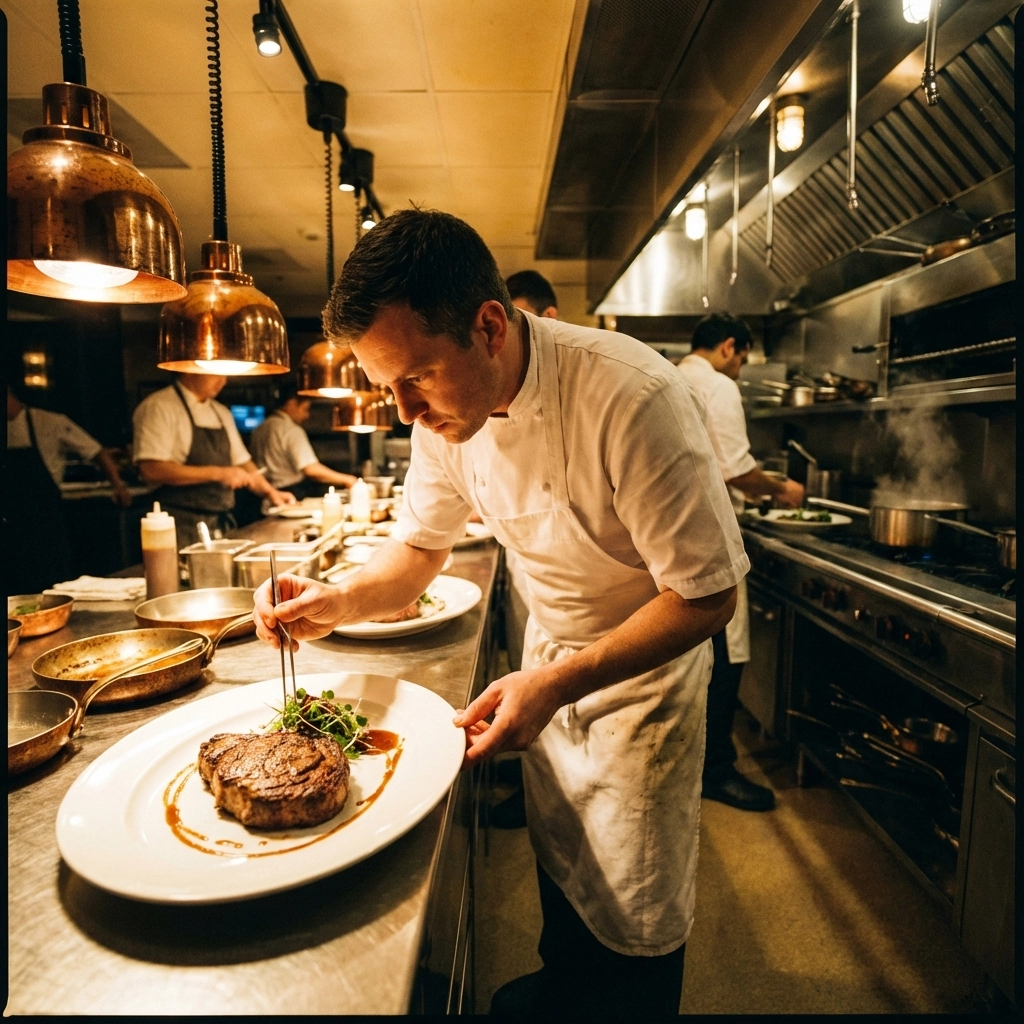
Chef Jonathon Sawyer, a James Beard Award winner, operates Kindling in Chicago's tallest building. His restaurant's steak costs increased 40% in a single year.
A steak selling for $100 now costs $50 wholesale. One kitchen error sends $50 directly to the trash. This creates operational stress beyond the basic margin calculation.
Sawyer attempts to balance high-cost steaks with lower-cost items. Sides, pastas, and desserts offer better margins. Alcohol provides the highest profit margins, but customers are drinking less during dinner service.
Gibsons Restaurant Group
Stephen Lombardo III, CEO of Gibsons, operates 14 restaurants. His company has purchased steaks for nearly four decades, but 2025 scrambled their established formulas.
New tariffs increased prices for grass-fed beef from Australia and Kobe steak from Japan. Domestic Midwest producers offer no relief from rising costs.
Cattle herds reached their lowest levels since the 1950s. Grocery stores stock higher-end cuts, creating additional competition for restaurants and driving wholesale prices higher.
Trino
Stephen Sandoval opened Trino steakhouse despite warnings from fellow operators about climbing beef prices. His experience reveals that beef costs represent only part of the challenge.
Equipment costs reached $600,000 for the new steakhouse. Monthly rent totals $21,000. Insurance and utilities add additional fixed expenses.
Labor represents Sandoval's largest cost category. Between 35% and 37% of sales cover employee expenses including wages, benefits, and workers' compensation. Chicago's elimination of lower minimum wages for tipped workers specifically increased these costs.

Why Costs Continue Rising
Beef Supply Constraints
The United States maintains its smallest cattle herd since the 1950s. Drought, weather stress, and higher feed costs contribute to supply constraints. Transportation and labor costs for beef producers have also increased significantly.
These factors create a supply squeeze with no immediate relief projected. Demand remains strong while supply stays constrained.
Labor Market Changes
Fine-dining restaurants require experienced servers and cooks capable of handling premium dishes. Post-pandemic labor markets demand higher wages and better benefits to attract qualified staff.
Urban markets like Chicago and the Bay Area face particularly acute labor cost increases. Local minimum wage changes add direct cost pressure.
Operational Expenses
Rent, utilities, insurance, and equipment costs have increased across all markets. Urban locations command premium rents while utility costs have risen with general inflation.
Equipment financing costs remain elevated. Insurance costs for restaurant operations have increased substantially.
Impact on Restaurant Operations
Menu Engineering Challenges
Traditional menu engineering principles assume food costs of 30-35%. When prime steaks hit 50% food costs, operators must redesign their entire menu strategy.
Higher-margin items must compensate for loss leaders. Appetizers, sides, and desserts become critical profit centers rather than complementary offerings.
Beverage programs require optimization to offset food cost pressure. Wine markups and craft cocktail margins become essential to overall profitability.
Pricing Strategy Limitations
Customer price sensitivity creates ceilings on menu pricing. Even affluent steakhouse customers resist dramatic price increases.
Operators face a choice between maintaining margins through pricing or accepting lower profitability to maintain market position. Most choose the latter approach.
Strategic Responses
Cost Management
Technology adoption helps reduce labor costs. Automated phone systems and food preparation equipment can improve efficiency. Some operators explore AI-driven inventory management to reduce waste.
Supplier relationship management becomes critical. Long-term contracts can provide some protection against volatile wholesale pricing.
Revenue Optimization
Private dining and event services offer higher margins than regular table service. Corporate accounts provide volume and pricing stability.
Lunch service can improve facility utilization without adding fixed costs. Catering operations extend reach beyond the dining room.
Menu Development
Offering a range of price points within steakhouse concepts helps capture different customer segments. More affordable cuts and preparation methods can maintain accessibility.
Alternative protein options provide margin relief while meeting customer preferences. Chicken, seafood, and vegetarian options typically offer better cost ratios.
Implications for Restaurant Operators
The steakhouse margin challenge reflects broader industry trends affecting all restaurant segments. Food cost inflation, labor market changes, and operational expense increases impact every concept.
Operators must fundamentally reconsider their business models. Traditional approaches to menu pricing, labor scheduling, and cost control require updating for current market conditions.
Cash flow management becomes critical when margins compress. Working capital requirements increase when ingredient costs spike rapidly.
Consulting Solutions
Restaurant consulting helps operators navigate these challenging economics. Menu engineering analysis identifies opportunities to improve overall profitability without sacrificing customer experience.
Operational audits reveal cost reduction opportunities across all expense categories. Labor scheduling optimization can reduce costs while maintaining service standards.
Financial modeling helps operators understand their break-even points and profit requirements under current cost structures.
Moving Forward
Steakhouse operators must accept new economic realities while maintaining their market position. This requires sophisticated analysis of costs, margins, and customer behavior.
Successful operators will adapt their business models to current conditions rather than waiting for cost relief. Menu engineering, operational efficiency, and revenue optimization become essential capabilities.
The $25 profit on a $500 dinner represents a new normal rather than a temporary challenge. Operators who adjust their strategies accordingly will maintain competitive advantages.
Professional Support
McFadden Finch Restaurant Consulting Group provides menu engineering analysis and operational optimization for restaurant operators facing margin pressure. Our restaurant turnaround services help establishments adapt to challenging economic conditions.
Restaurant operators seeking margin improvement can schedule consultations to review cost structures, menu pricing, and operational efficiency opportunities.
#RestaurantConsulting #SteakhouseMargins #MenuEngineering #RestaurantProfitability #FoodCostManagement
