Article source: "Popular Peninsula Texas-style barbecue food truck closes suddenly" by Kate Bradshaw, Bay Area News Group (January 9, 2026)
Pico's BBQ closure on January 3, 2026, represents a case study every food truck operator should examine. Owner Russell Savage's decision to shut down his successful Texas-style barbecue operation after 2.5 years provides critical insights into mobile food service sustainability challenges.
The Pico's BBQ Journey
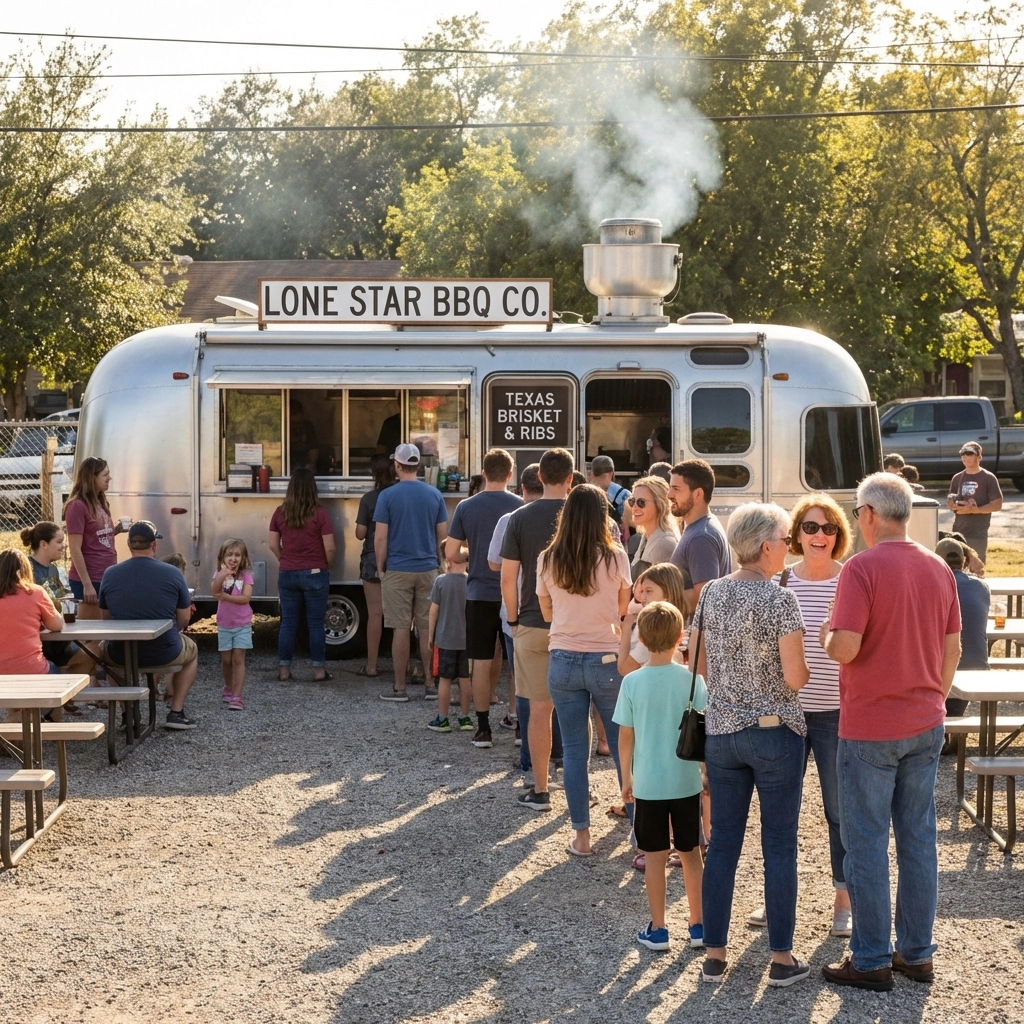
Pico's BBQ operated as a Saturdays-only food truck in Redwood City for approximately one year. Before transitioning to mobile service, the business functioned as a weekly pop-up, serving ribs, brisket, sausage, and traditional sides to Peninsula customers.
The operation maintained strong customer loyalty throughout its run. Savage noted the diverse customer base that traveled significant distances for his barbecue, representing different economic, political, and racial backgrounds.
Customer demand was not the issue. Savage emphasized that closure decisions were unrelated to lack of customers or poor reception.
Primary Closure Factors
Operational Burnout
Savage described "burning the candle at both ends" as a primary concern. Single-operator food truck businesses create intensive workload demands that require strategic planning to prevent owner exhaustion.
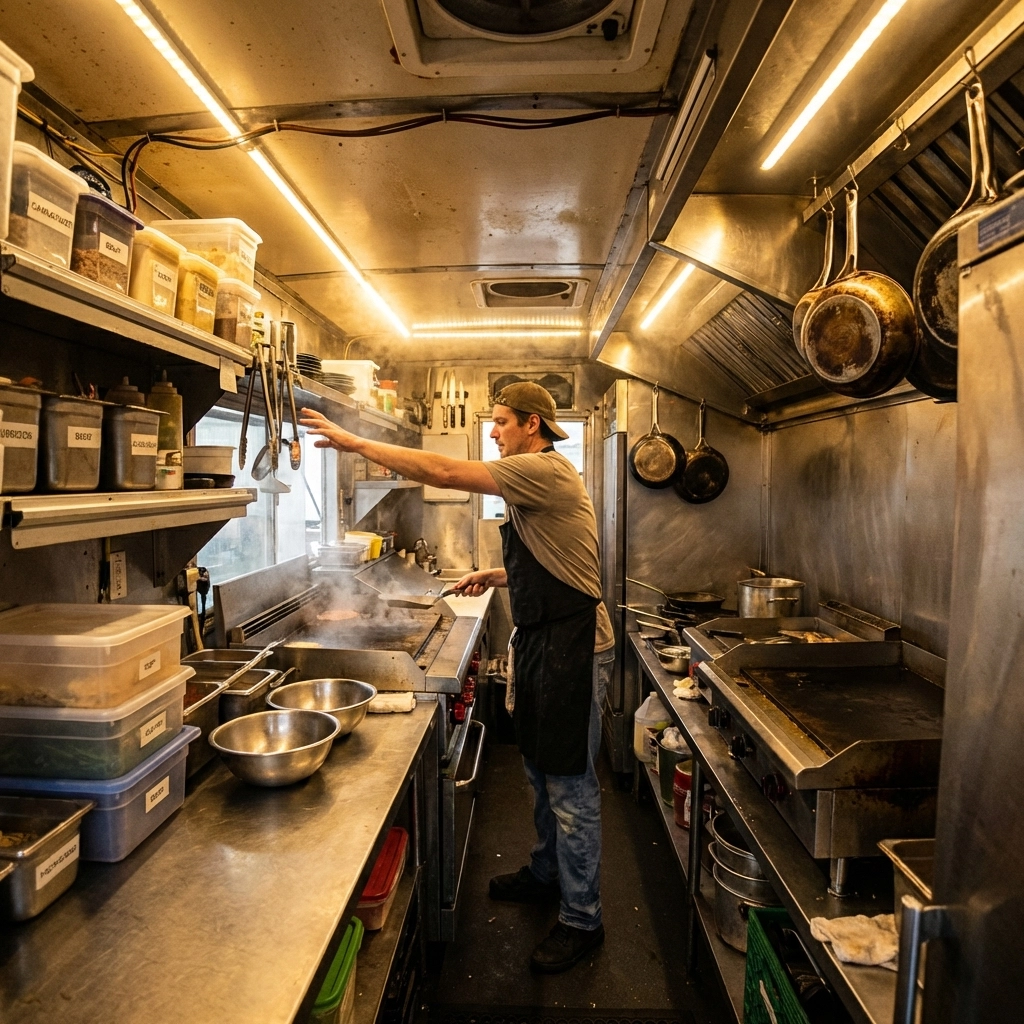
Food truck operators typically manage:
- Food preparation and cooking
- Customer service operations
- Equipment maintenance
- Inventory management
- Marketing and social media
- Financial administration
- Health department compliance
Space Limitations
Physical constraints within the food truck prevented operational expansion. Equipment space restrictions limited menu options and service efficiency improvements.
Financing Obstacles
The Small Business Administration denied Savage's loan application due to the business operating only one day per week. Traditional lending institutions often view limited operating schedules as risk factors for food truck feasibility studies.
Regulatory Expansion Barriers
Plans for brick-and-mortar expansion faced regulatory obstacles. Local permits for smoker operations proved difficult to obtain, blocking natural growth progression from mobile to fixed location.
Strategic Lessons for Food Truck Operators
Operating Schedule Optimization
Limited operating schedules create financing and growth challenges. Food truck consultants recommend:
- Minimum three-day weekly operation for SBA loan qualification
- Progressive schedule expansion to demonstrate growth trajectory
- Multiple revenue stream development through catering and events
- Strategic location rotation to maximize daily revenue potential
Burnout Prevention Strategies
Single-operator businesses require systematic burnout prevention:
- Staff hiring and training protocols
- Automated systems for ordering and inventory
- Strategic partnerships for preparation tasks
- Clear operational boundaries and scheduled downtime
Expansion Planning
Successful food truck operations require expansion roadmaps from launch:
- Permit research for brick-and-mortar transition
- Equipment upgrade planning for increased capacity
- Location scouting for future fixed operations
- Regulatory compliance assessment for specialized equipment

Financial Structure Considerations
Loan Application Preparation
SBA loan approval requires demonstration of:
- Consistent operating schedule (minimum 3-4 days weekly)
- Revenue growth documentation
- Detailed business plan with expansion timeline
- Market analysis and competitive positioning
- Equipment and space utilization optimization plans
Revenue Stream Diversification
Successful food truck operations develop multiple income sources:
- Catering services for corporate and private events
- Farmers market participation
- Festival and special event bookings
- Wholesale product sales to restaurants
- Branded merchandise and packaged goods
Regulatory Navigation
Permit Strategy
Food truck operators must research expansion permits before launch:
- Local zoning requirements for mobile food service
- Health department regulations for specialized equipment
- Fire department restrictions for smokers and grills
- Noise ordinances affecting generators and equipment
- Parking and operation time limitations
Compliance Documentation
Maintaining detailed compliance records supports expansion applications:
- Health inspection reports
- Business license renewals
- Equipment certification documents
- Insurance coverage verification
- Tax compliance records

Market Analysis Implications
Peninsula Food Truck Market
Pico's BBQ closure highlights Peninsula market characteristics:
- Strong customer demand for authentic regional cuisine
- Limited competition in Texas-style barbecue segment
- Regulatory challenges for specialized cooking equipment
- High operational costs relative to limited operating schedules
Customer Loyalty Factors
Savage's diverse customer base demonstrates:
- Quality food overcomes geographic and demographic barriers
- Consistent service builds strong repeat business
- Authentic regional cuisine creates market differentiation
- Limited operating schedules can maintain demand scarcity
Consultation and Planning Services
Food Truck Feasibility Studies
Professional restaurant consulting firms provide food truck feasibility analysis:
- Market demand assessment
- Location analysis and permit requirements
- Financial projection modeling
- Equipment and space optimization recommendations
- Expansion timeline development
Operational Design Consulting
Food truck success requires systematic operational design:
- Workflow optimization for limited space
- Equipment selection and layout planning
- Staffing models and training protocols
- Inventory management systems
- Customer service standardization
Strategic Recommendations
Pre-Launch Planning
Operators should complete comprehensive planning before food truck launch:
- Regulatory research for target markets and expansion plans
- Financial structure development including loan qualification strategies
- Operational schedule optimization for revenue and growth
- Equipment capacity planning for projected demand
- Staffing and delegation frameworks for burnout prevention
Growth Management
Sustainable food truck operations require strategic growth management:
- Progressive expansion through additional operating days
- Staff development for operational delegation
- Revenue diversification through catering and events
- Equipment upgrade planning for increased capacity
- Brick-and-mortar transition preparation
Professional Support
Food truck operators benefit from restaurant consulting support:
- Business plan development for loan applications and expansion
- Restaurant turnaround consulting for operational optimization
- Market analysis and competitive positioning
- Financial projection and cash flow modeling
- Regulatory compliance and permit navigation
Market Impact Assessment
Pico's BBQ closure removes a popular Texas-style barbecue option from Peninsula customers. The closure demonstrates that customer loyalty and quality food alone cannot overcome operational and regulatory challenges without proper planning and support systems.
Food truck operators can learn from Savage's experience by implementing comprehensive planning, professional consultation, and systematic growth strategies from launch. Success requires addressing operational sustainability, financial structure, and regulatory compliance as integrated business development components rather than isolated challenges.
The Peninsula market continues to support authentic regional cuisine concepts. Future Texas-style barbecue operators can succeed by applying lessons from Pico's BBQ experience through proper planning, adequate staffing, regulatory preparation, and professional consulting support for sustainable growth management.