The San Francisco lunch spot is a useful case study in narrow menus, disciplined dayparts, honest pricing, and the hard work of making a small restaurant model fit real life.
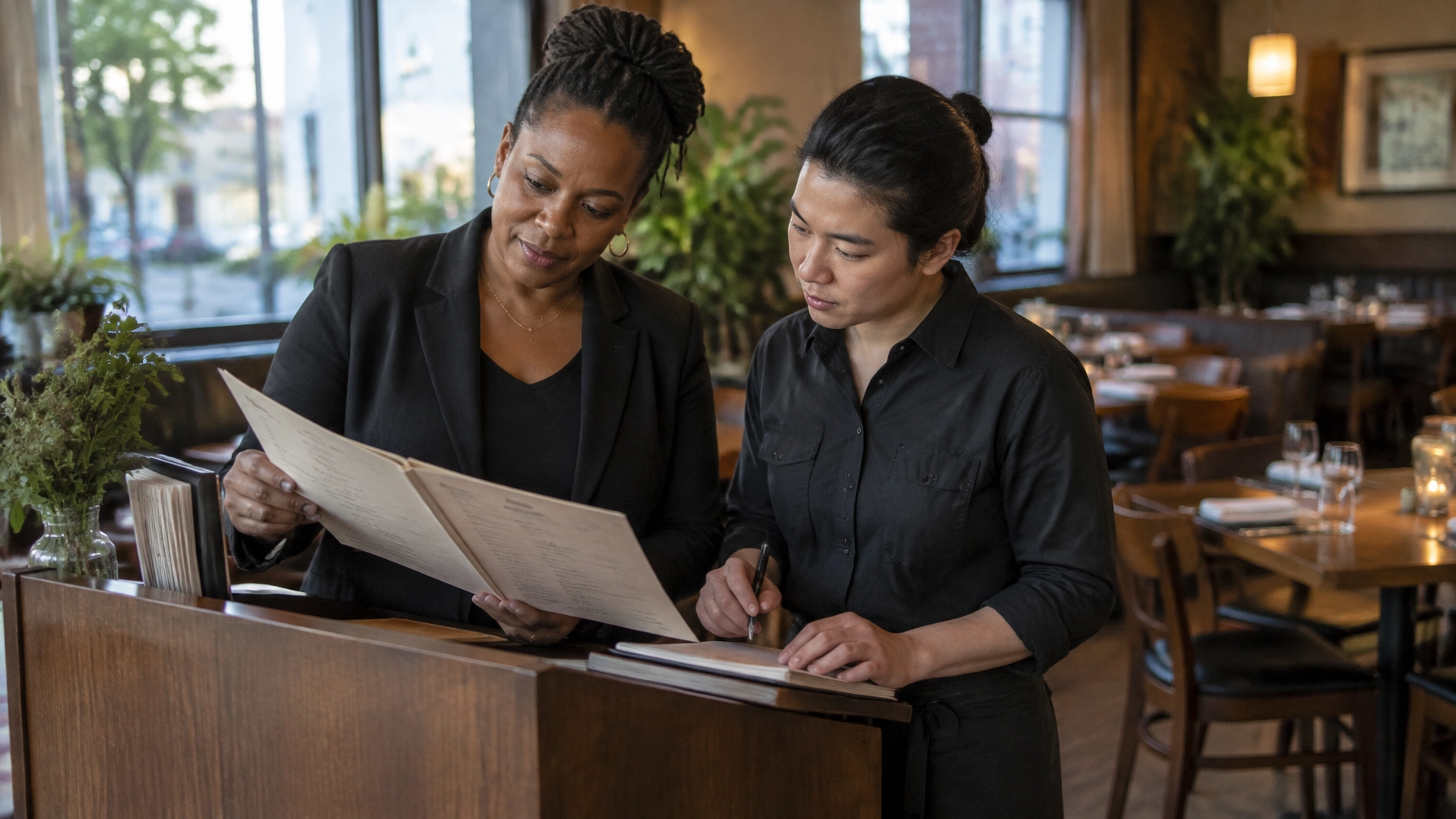
At Agrodolce Provisions, the menu is almost aggressively narrow. Six daily pastas. One chocolate cake by the slice. A plain tagliatelle for children who want no surprises. Lunch only, Tuesday through Friday, from noon to 4 p.m. No reservations. No traditional table service. Guests order by QR code, pay up front, collect what they need, and clear their own plates. [San Francisco Chronicle] [1]
That sounds limiting. It is also the point.
Agrodolce Provisions shows what can happen when a restaurant stops trying to serve every customer, every occasion, and every daypart. The model is not frictionless, and it is not fully proven. But it is clear about what it is. For Bay Area operators, that clarity may be more valuable than another oversized menu or a seven-day schedule built on wishful thinking.
This case offers three practical lessons:
- A narrow menu can reduce complexity while giving guests a reason to return.
- A limited daypart can protect labor, prep, and owner capacity.
- A small restaurant model works best when the customer experience matches the price and service promise.
Focus starts with a menu people can understand
The six-pasta format gives Agrodolce a simple proposition. Customers do not need to study a long menu or debate whether the kitchen can execute fifteen unrelated ideas. They choose among fresh pastas built for straightforward appeal.
The San Francisco Chronicle review highlighted dishes including mac n pepe at $12, conchiglie with Pacific rock shrimp and Calabrian chiles at $18, spaghettoni all’Amatriciana at $18, and strozzapreti with pork sausage and vegetables at $20. The cake costs $15 per slice. [San Francisco Chronicle] [1]
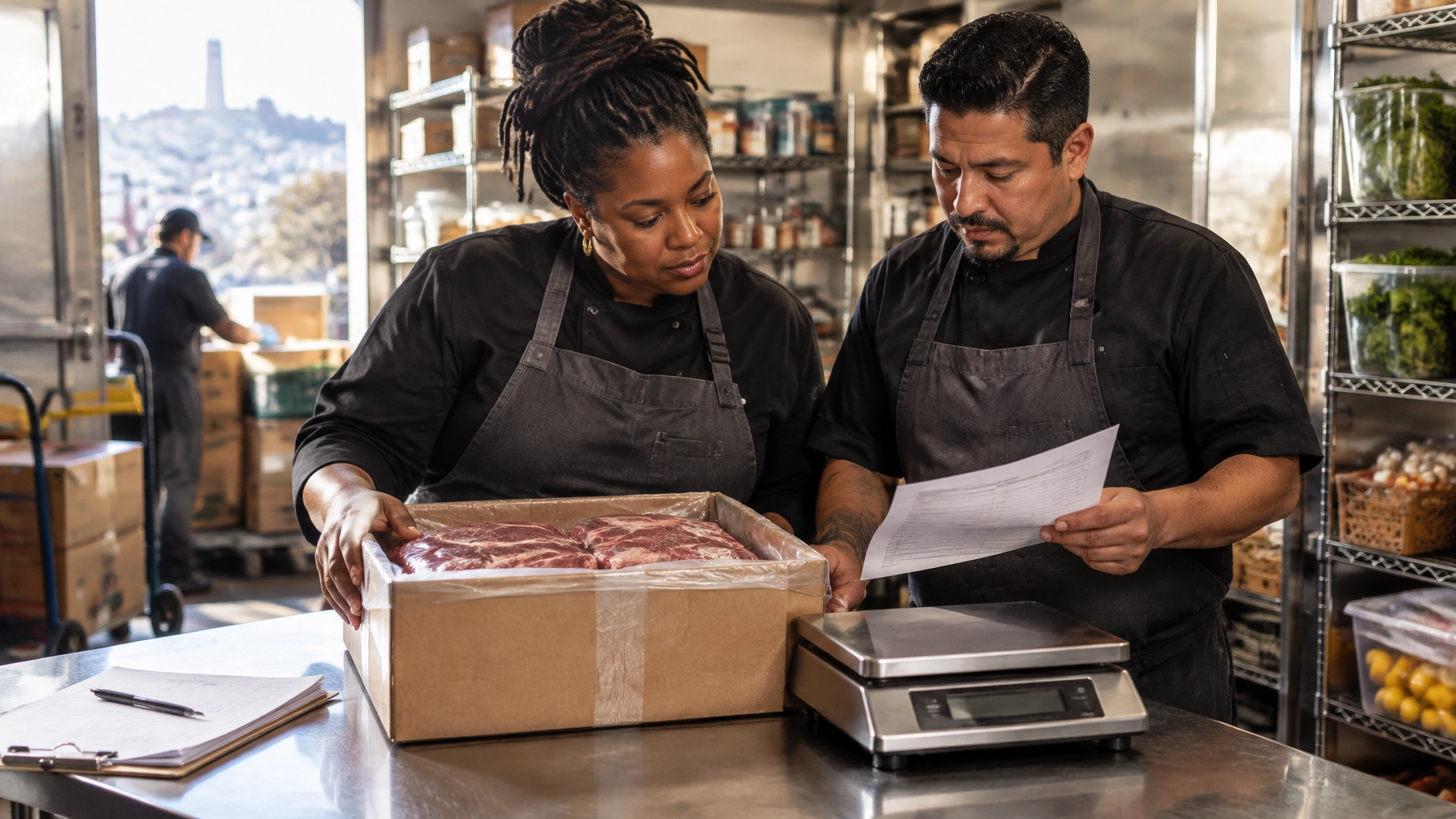
That kind of menu creates operational advantages. Fewer ingredients can mean tighter purchasing. Fewer recipes can simplify training. A smaller prep list can make production easier to schedule and inspect.
None of that happens automatically. A short menu can still become expensive if portions are loose, recipes change constantly, or the kitchen carries too many low-volume ingredients. But the basic direction is sound. Every item has more room to earn its place.
For operators, the question is not simply, “How many items should be on the menu?” It is, “How many items can this kitchen execute consistently at the volume and staffing level we can actually support?”
The daypart is part of the concept
Agrodolce Provisions is open for weekday lunch, not breakfast, dinner, late night, brunch, and whatever else the neighborhood might ask for. The official site lists service from noon to 4 p.m., Tuesday through Friday, with private dinners and other uses promoted separately. [Agrodolce Provisions] [2]
That is not a minor scheduling detail. It defines the business.
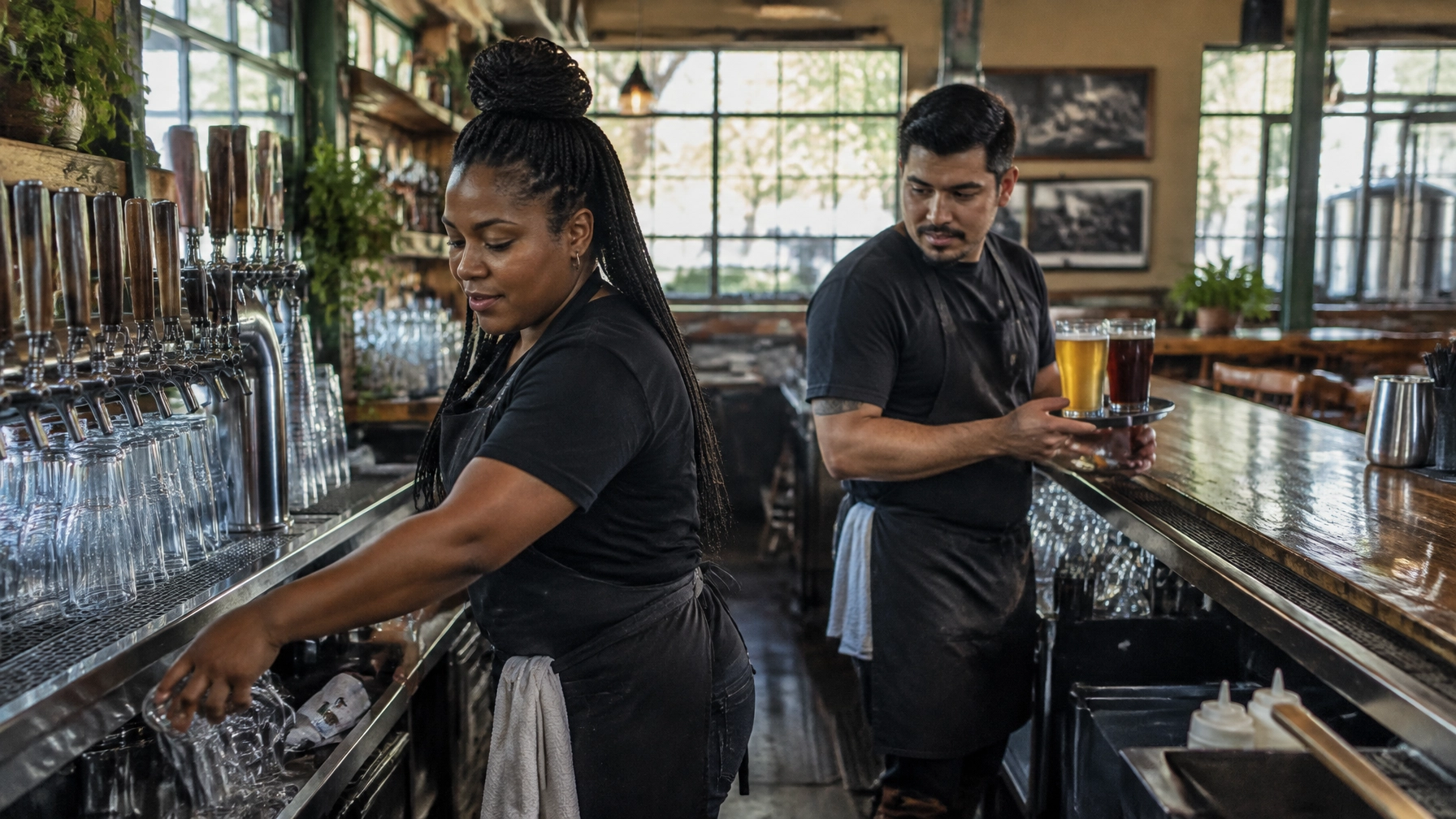
A lunch-only model can reduce the number of operating hours, but it also concentrates demand into a narrow window. Prep must be ready. Ordering must be clear. The line has to move. A 30-minute wait during a busy Tuesday may be tolerable to a customer who understands the counter-service format. It becomes a problem if the restaurant has promised polished, full-service speed.
Daypart discipline also forces an honest question: Is the restaurant built around a real customer occasion, or is it simply open because the space is available?
A strong lunch concept should know where its customers come from, when they arrive, how often they return, and what else they buy nearby. Office workers may provide weekday volume, but they can be inconsistent. Residents may return more often, but they may not support the same check average. Visitors, nearby businesses, and destination diners all behave differently.
The operator takeaway is blunt. Do not add dinner because lunch feels emotionally incomplete. Add it only when the demand, labor plan, building use, and financial model support it.

The building may be the most important part of the story
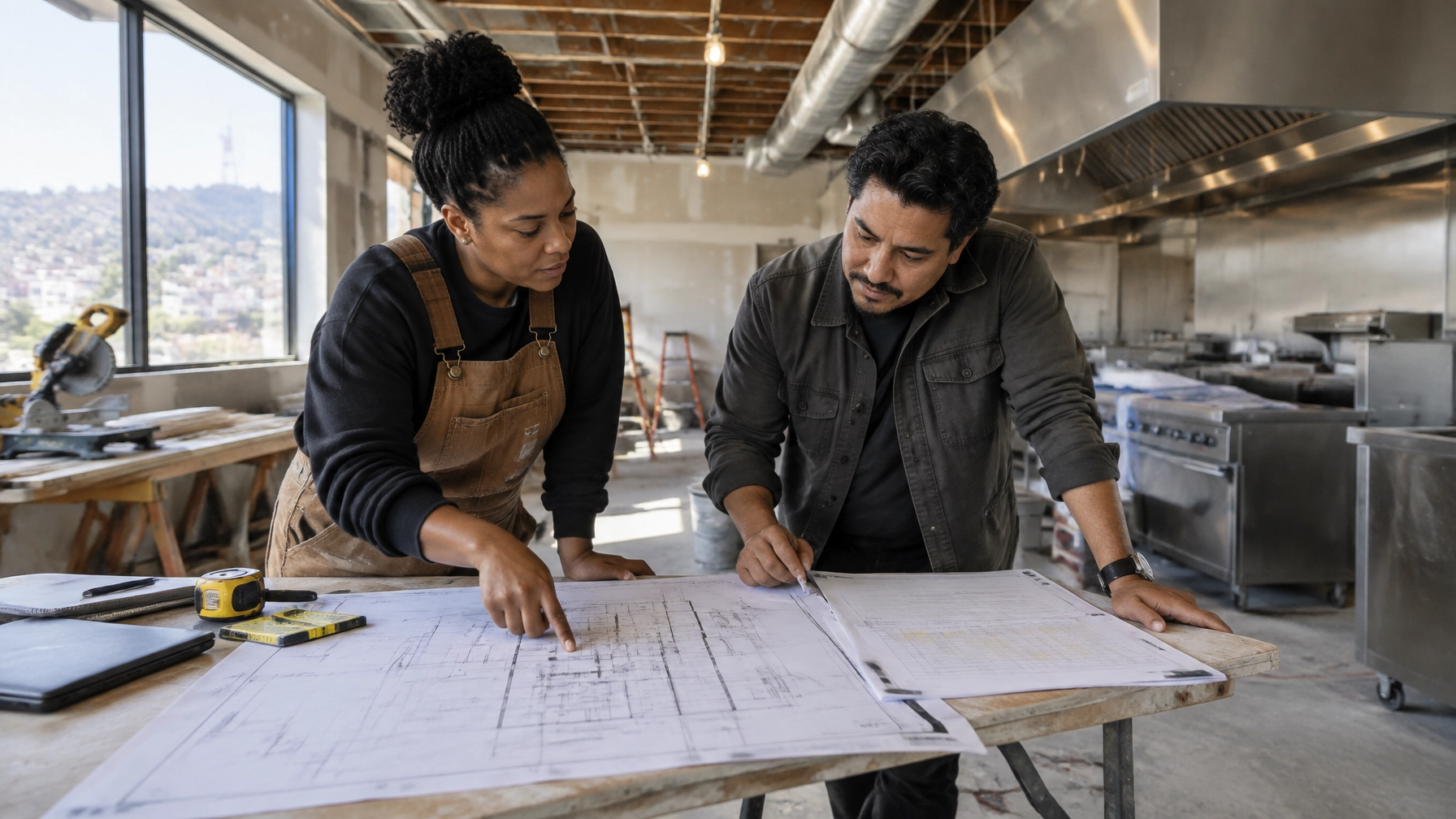
The co-owners had already spent nine years running a private chef business before opening Agrodolce Provisions. In 2025, as the costs of their apartment and commercial kitchen space rose, they bought the building that formerly housed a Henry’s Hunan location. The restaurant occupies the ground floor, and the co-owners live upstairs. [San Francisco Chronicle] [1]
Buying a building is not a universal solution. Most restaurant operators cannot do it, and property ownership introduces debt, maintenance, insurance, taxes, and capital risk of its own.
Still, the decision reveals an issue that every founder should model carefully: occupancy cost is not just a line item. It can determine whether a concept has room to breathe.
For an operator considering a lease, the feasibility work should test more than base rent. Include common-area charges, property taxes passed through to the tenant, insurance, repairs, utilities, tenant improvements, and likely increases. Then test the model against conservative sales assumptions.
For an operator considering property ownership, run the same discipline in reverse. Compare the total cost of ownership with the cost and flexibility of leasing. Model periods of weak sales. Model repairs. Model what happens if the restaurant needs to close for construction or a major equipment failure.
The lesson is not “buy your building.” The lesson is “know what occupancy is doing to the business before you commit.”
Pricing works better when the service promise is clear
Agrodolce uses QR ordering, no reservations, self-clearing, and a payment prompt offering optional 2%, 4%, or 6% gratuity rather than the more familiar 15%, 20%, or 25% choices described in the review. [San Francisco Chronicle] [1]
That approach will not suit every restaurant. It may frustrate customers who expect table service or prefer not to use their phones. But the format tells guests what kind of transaction they are entering.
The customer pays first. The customer fetches some items. The customer understands that the restaurant is designed around a simpler service model. In exchange, the check can remain relatively accessible for a fresh pasta lunch.
That is pricing transparency in practice. It is not just printing a number on a menu. It is aligning the price, labor model, service style, and guest expectations.
Operators should audit the full guest journey:
- How does the customer order?
- When does payment happen?
- Who delivers the food?
- What does the guest do for water, utensils, and clearing?
- What labor is removed from the model?
- What value replaces that labor?
If the answers are unclear, the restaurant is not simplifying service. It is transferring confusion to the guest.
The live-work model is practical, but not easily transferable
The restaurant’s co-owners switch kitchen and front-of-house responsibilities while caring for their child. When service gets busy, the person on childcare duty may step in with a baby carrier. [San Francisco Chronicle] [1]
There is something both admirable and uncomfortable about this arrangement. It is a real small-business solution built around the owners’ actual lives. It also depends on personal sacrifice, physical proximity, trust, and a level of owner involvement that most restaurant business plans should not quietly assume.
A concept that only works when the owners cover every gap is not yet a stable operating system. It may be a reasonable launch phase. It is not a substitute for staffing plans, cross-training, or a realistic management structure.
The right question for operators is: Which parts of this model are strategic, and which parts are emergency labor?
The strategic parts may include cross-training, tight menus, owner visibility, and flexible use of the building. The emergency parts may include unpaid owner hours, childcare during service, and relying on one person to solve every problem.
Know the difference. Otherwise, the restaurant can appear profitable while quietly consuming the owners’ entire lives.
The cake is a menu item and a marketing asset
The chocolate cake began with a pregnancy craving and a simple problem: the chef could not find a good slice nearby. The result is an eight-layer cake with cocoa, 72% chocolate, and sour cream fudge frosting. The layers are hand-leveled and imperfect. The Chronicle critic preferred it to more polished cakes from established San Francisco restaurants. [San Francisco Chronicle] [1]
That story matters because it gives the restaurant a human hook without requiring a complicated brand campaign.
A memorable menu item does more than generate sales. It can help customers explain the restaurant to someone else. “They only serve pasta and this great chocolate cake” is easier to remember than a paragraph about a broad seasonal menu.
For operators, this does not mean every restaurant needs a gimmick. It means the menu should contain something people can talk about. That item might be a signature dish, a family recipe, a specific preparation, or a product that connects naturally to the concept.
The best marketing is often the thing the kitchen already does well.

The marketplace idea has upside and risk
Agrodolce plans to use the space as more than a lunch restaurant. The owners sell fresh pasta, sauces, stocks, and soups, and they envision bringing in a coffee tenant or another small food business. The official site also describes private dinners, pop-ups, and kitchen rental opportunities. [Agrodolce Provisions] [2]
This is a smart use-of-space question. If the dining room, kitchen, or retail area sits idle for large portions of the week, another revenue stream may help support the overall property.
But the coffee experiment also showed the risk. The Chronicle reported that the coffee operation was inconsistent and later disappeared, along with the espresso machine. [San Francisco Chronicle] [1]
A tenant is not automatically an asset. The tenant must fit the customer experience, operating schedule, equipment needs, brand standards, and financial expectations.
Before adding a partner, define:
- Who owns the guest relationship.
- Who handles complaints.
- How shared equipment is maintained.
- Whether the tenant’s hours support or conflict with the restaurant.
- How revenue, rent, utilities, and cleaning are allocated.
- What happens when the partnership stops working.
Unused capacity is not free capacity. It still needs supervision.
A focused concept still needs a full feasibility model
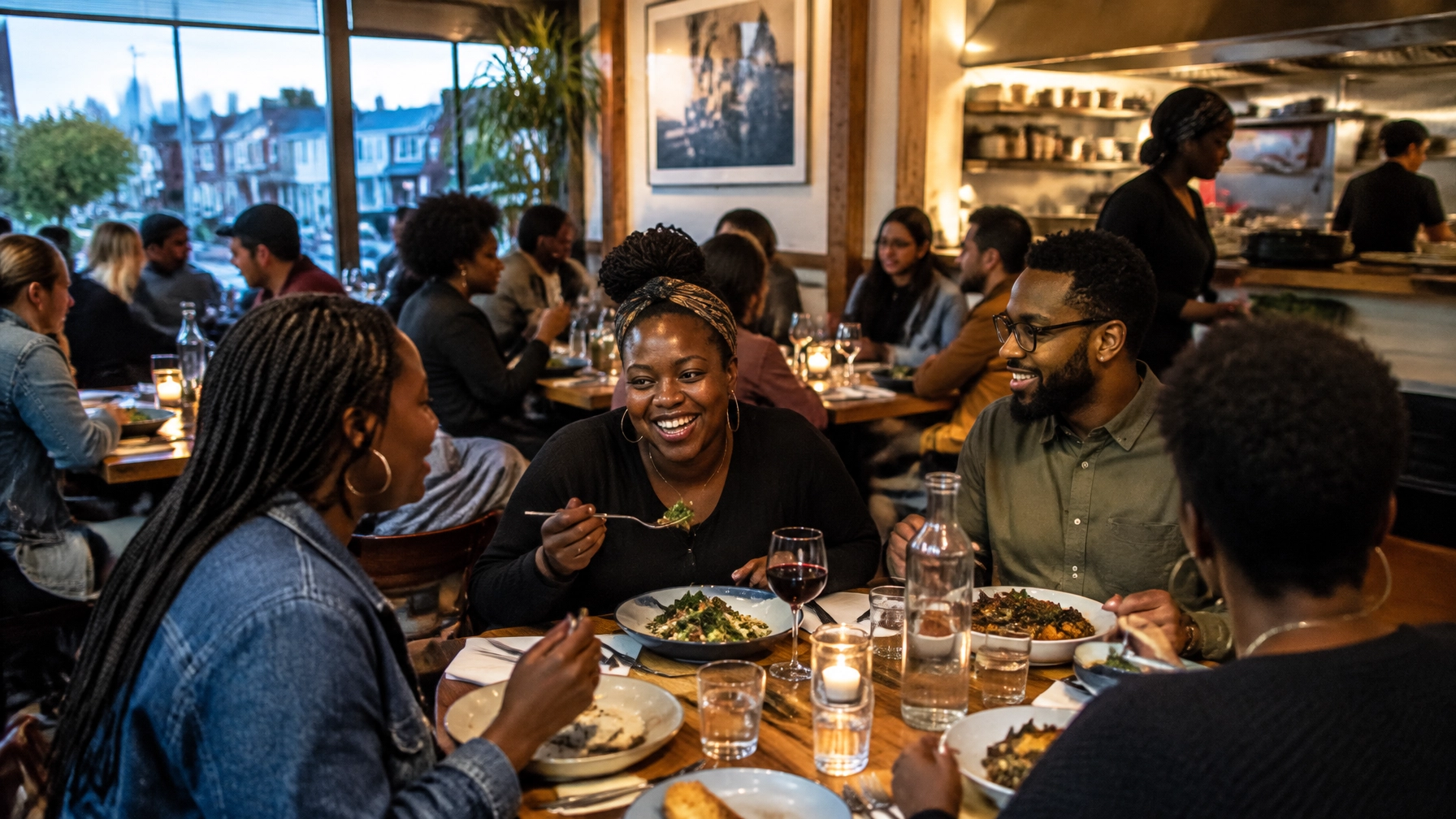
Agrodolce Provisions opened in April 2026 with an appealingly simple idea: fresh pasta, wine, provisions, and cake in a small neighborhood space. The early response suggests that the concept gives people a reason to visit and that the food gives them a reason to return. [San Francisco Chronicle] [1]
That is encouraging. It is not proof that the model works financially over time.
A restaurant feasibility study should test the concept against demand, pricing, labor, occupancy, production capacity, seasonality, and owner workload. It should also ask what happens if the lunch rush is weaker than expected, if ingredient costs rise, or if the restaurant needs a manager sooner than planned.
Focus is powerful because it removes decisions. It does not remove risk.
That is the part operators should hold onto. A narrow concept is not automatically efficient. It becomes efficient when the menu, hours, service model, space, labor plan, and financial assumptions all point in the same direction.
Three practical questions for Bay Area operators
Before cutting your menu or shrinking your hours, ask:
-
What can we execute exceptionally well with our current kitchen and staffing?
Start with production reality, not aspiration. -
Which dayparts actually support the business?
Review sales, labor, occupancy, and customer behavior by day and hour. -
What should the customer do in exchange for a lower price or faster format?
Make the tradeoff clear. Guests will accept limitations when the value is obvious.
Agrodolce Provisions is a reminder that constraints can be useful. But constraints only become a competitive advantage when they are designed, explained, and managed with discipline.
Three lines worth sharing
- A narrow menu is not a weakness when every item earns its place.
- Focus does not remove risk. It makes the risk easier to see.
- Guests will accept operational limitations when the value and service promise are clear.
Where Smart Strategy Meets Profitable Hospitality.
At McFadden Finch Restaurant Consulting Group, we help restaurant owners make sharper decisions, strengthen operations, and build businesses designed to perform. From feasibility studies and concept development to menu strategy and long-term operational consulting, we help your restaurant move beyond survival and into sustained growth.
McFadden Finch Restaurant Consulting Group
Lake Merritt Plaza
1999 Harrison St., 18th Floor
Oakland, CA 94612
(510) 973-2410
www.mcfadden-finch-group.com
executive.team@mcfadden-finch-group.com
Schedule your discovery call today and start building a stronger, smarter, more profitable restaurant. The corporate office address and email are listed on McFadden Finch Holdings' contact page, and MFRCG is included in the company's hospitality consulting portfolio.
Sources
[1] San Francisco Chronicle, “Six pastas. One chocolate cake. That’s the whole menu at this S.F. lunch spot, and it’s fine by me,” August 27, 2026, https://www.sfchronicle.com/food/restaurants/article/agrodolce-provisions-pasta-cake-22386089.php, Accessed August 27, 2026.
[2] Agrodolce Provisions, “Home,” 2026, https://agrodolcesf.com/, Accessed August 27, 2026.
Disclaimer: This content is for general informational purposes only and does not constitute legal, financial, tax, operational, employment, regulatory, or other professional advice. Reading this content does not create a client, consulting, or contractual relationship with McFadden Finch Restaurant Consulting Group. Because every restaurant, market, and business situation is different, you should consult qualified professionals regarding your specific circumstances. McFadden Finch Restaurant Consulting Group makes no warranties regarding the accuracy or completeness of this information and is not responsible for third-party content, links, products, or services referenced. Testimonials, examples, case studies, and projected outcomes are illustrative only and do not guarantee similar results.